The Silent Erosion of Neural Networks: Understanding Cognitive Decline's Root Cause
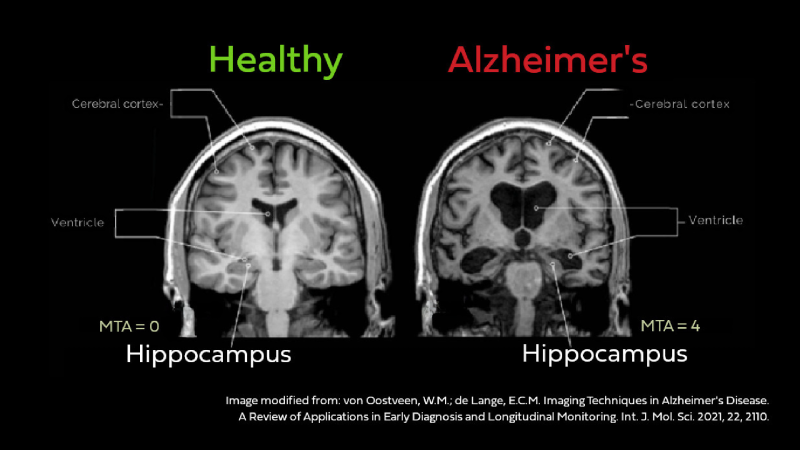
The human brain undergoes a slow but measurable decline in volume and connectivity beginning as early as the third decade of life. Neuroimaging studies from institutions such as the Harvard Aging Brain Study have documented a consistent shrinkage of the hippocampus—the seahorse-shaped structure essential for memory consolidation—at an average rate of 1–2% per year after age 55. This loss correlates directly with diminished synaptic density, reduced cerebral blood flow, and an increase in neuroinflammatory markers.
Clinically, patients describe this as a frustrating inability to recall names, grasp new concepts quickly, or sustain focus during demanding tasks. The subjective experience of brain fog is not merely psychological; it reflects measurable deficits in acetylcholine neurotransmission, impaired myelin integrity, and a slowdown of synaptic signaling in the prefrontal cortex and medial temporal lobes. For decades, scientists believed this decline was an inevitable consequence of aging. However, a paradigm shift occurred with the discovery of BDNF and its remarkable ability to stimulate neurogenesis and synaptic strengthening well into adulthood.
The frustration of watching one’s mental sharpness erode is one of the most distressing aspects of aging for many individuals. It often begins subtly: misplacing car keys, struggling to follow conversations in noisy environments, or forgetting errands moments after planning them. Over years, these lapses can undermine professional performance, erode social confidence, and raise the specter of dementia. Yet the underlying biology offers a powerful lever for intervention.
BDNF: The Master Molecule for Synaptic Growth and Maintenance
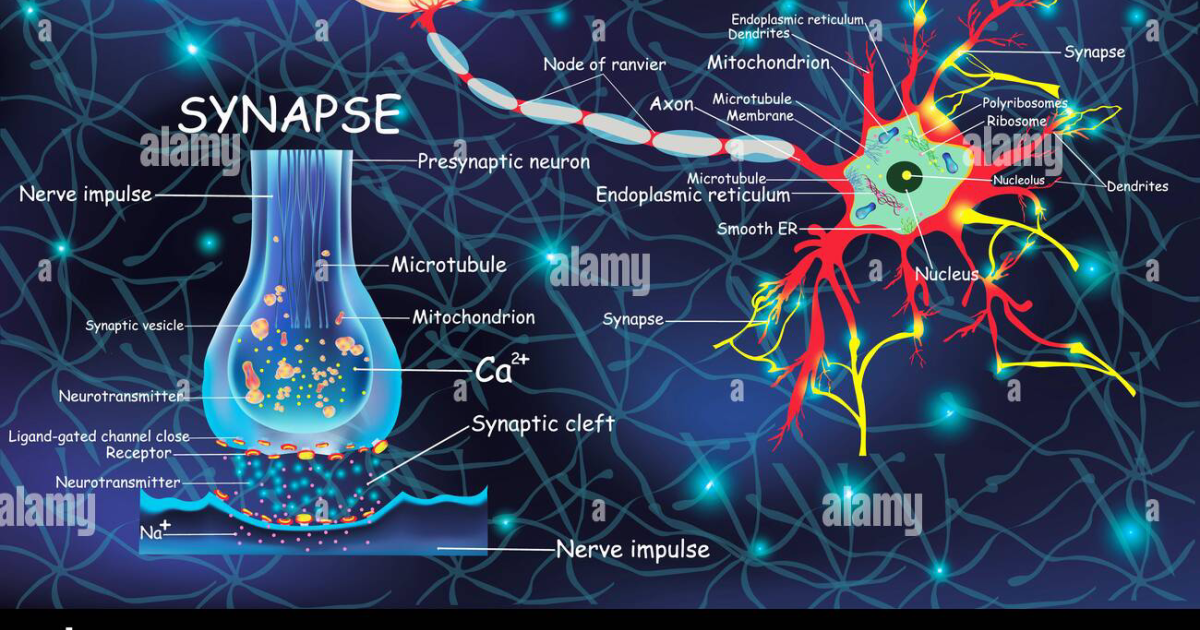
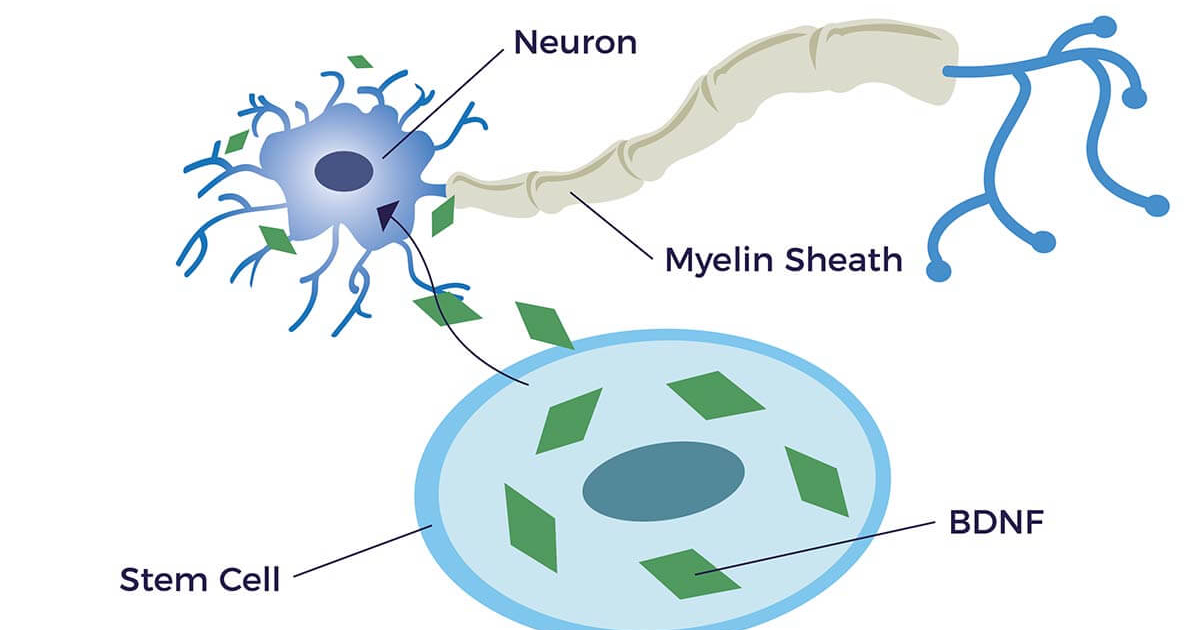
Brain-derived neurotrophic factor is a member of the neurotrophin family, signaling proteins that govern neuronal survival, differentiation, and synaptic plasticity. BDNF binds with high affinity to the tropomyosin receptor kinase B (TrkB) receptor on neuronal membranes. This interaction triggers a cascade of intracellular signaling pathways—including the MAPK/ERK, PI3K/Akt, and PLCγ pathways—that ultimately lead to enhanced transcription of genes involved in synaptic strengthening, such as c-fos, Arc, and CREB.
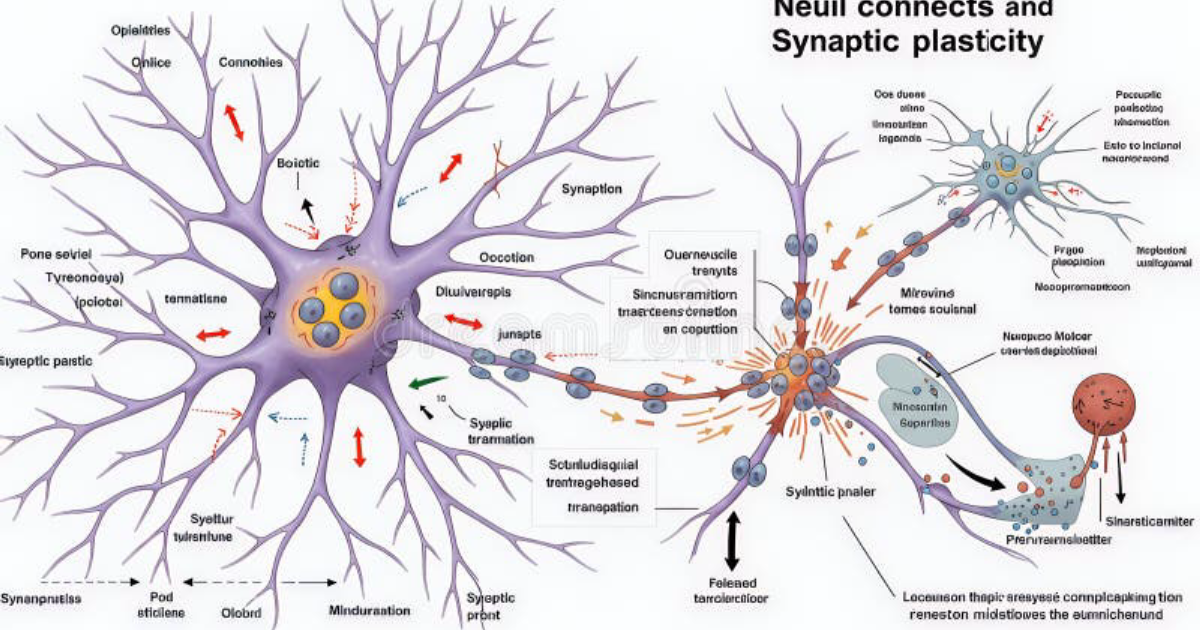
The most studied effect of BDNF is its role in long-term potentiation (LTP), the electrophysiological correlate of learning and memory. LTP involves the rapid strengthening of synaptic connections between neurons following repeated stimulation. Without adequate BDNF, the molecular machinery for LTP cannot assemble properly, and new memories fail to consolidate. Conversely, raising BDNF levels facilitates LTP induction and maintenance, making it easier for the brain to encode and retain information.
BDNF also supports the survival of existing neurons and encourages the growth of new dendrites and axonal branches. This is especially critical in the hippocampus, one of only two brain regions where neurogenesis—the birth of new neurons—continues throughout life. Postmortem analyses of physically active older adults have shown significantly higher numbers of hippocampal neurons compared to sedentary counterparts, with BDNF concentration being the strongest predictor of this difference. Furthermore, BDNF protects neurons against excitotoxicity and oxidative damage by upregulating antioxidant enzymes like glutathione peroxidase and superoxide dismutase.
— Gomez-Pinilla, F. (2008). Brain foods: the effects of nutrients on brain function. Nature Reviews Neuroscience, 9(7), 568–578.
How Exercise Amplifies BDNF Production: The Molecular Pathway
The link between physical activity and BDNF is mediated by several converging mechanisms. First, muscle contraction releases a hormone called irisin into the bloodstream. Irisin crosses the blood-brain barrier and binds to receptors on hippocampal neurons, upregulating BDNF gene expression. Second, exercise increases cerebral blood flow, delivering more oxygen and glucose to active brain regions. This hemodynamic stimulus activates endothelial nitric oxide synthase (eNOS), producing nitric oxide that dilates microvessels and enhances perfusion in the dentate gyrus of the hippocampus.
Third, exercise transiently elevates levels of ketone bodies, particularly beta-hydroxybutyrate, which directly inhibits histone deacetylases (HDACs). HDACs normally repress BDNF transcription by condensing chromatin around the BDNF gene. When they are inhibited, the BDNF promoter region becomes more accessible, allowing for increased mRNA synthesis. This epigenetic mechanism provides a rapid, activity-dependent boost in BDNF production within minutes to hours after exercise.
Fourth, exercise reduces neuroinflammation by activating the cholinergic anti-inflammatory pathway. The vagus nerve, stimulated by increased heart rate and deep breathing during exercise, signals the spleen to release acetylcholine, which dampens tumor necrosis factor-alpha (TNF-α) and interleukin-6 (IL-6) levels in the brain. Chronic inflammation suppresses BDNF production, so lowering inflammatory cytokines creates a permissive environment for neurotrophin synthesis.
Human clinical trials have confirmed these molecular findings. In a 2019 study at the University of Pittsburgh, healthy older adults who engaged in a 12-month moderate-intensity walking program showed a 2.5% increase in hippocampal volume along with a 16% rise in serum BDNF levels. Performance on delayed recall tests improved in direct proportion to the BDNF increase. Sedentary control participants, by contrast, showed hippocampal atrophy and stable or declining BDNF levels.

Beyond Exercise: Nutritional and Supplemental Support for BDNF
While exercise is the most potent lifestyle intervention for increasing BDNF, many adults cannot achieve or maintain the recommended levels of physical activity due to joint pain, mobility limitations, or chronic conditions. Fortunately, a growing body of evidence indicates that certain dietary compounds and bioactive phytochemicals can directly augment BDNF production and synaptic plasticity, even in the absence of exercise.
Bacopa Monnieri, an Ayurvedic herb used for centuries to enhance memory, has been shown in randomized controlled trials to improve retention of new information and reduce the rate of forgetting. Its active constituents, bacosides, upregulate BDNF by activating the CREB signaling pathway and promoting dendritic arborization in hippocampal neurons. A 2016 meta-analysis of nine trials published in Journal of Ethnopharmacology concluded that Bacopa consistently improves verbal learning and delayed recall in healthy adults.
Lion’s Mane Mushroom (Hericium erinaceus) contains hericenones and erinacines, compounds that stimulate nerve growth factor (NGF) synthesis in the brain. While NGF is distinct from BDNF, NGF also binds to TrkA receptors and indirectly supports cholinergic neuron survival. A 2009 double-blind trial in Japanese adults with mild cognitive impairment found that Lion’s Mane supplementation for 16 weeks significantly improved cognitive scores compared to placebo, with effects attributed to neurotrophin stimulation.
Citicoline (CDP-choline) serves as a precursor for acetylcholine and phosphatidylcholine, both essential for synaptic membrane integrity and neurotransmitter synthesis. Citicoline has been shown to increase BDNF levels in animal models by enhancing cholinergic tone and reducing oxidative stress. Human studies indicate that 500–1000 mg daily improves attention and processing speed in older adults, with a 2020 clinical trial at the University of Barcelona reporting increased serum BDNF after 12 weeks of supplementation.
Magnesium L-Threonate is a uniquely brain-absorbable form of magnesium that crosses the blood-brain barrier efficiently. Magnesium is a critical cofactor for NMDA receptor function during LTP, and magnesium deficiency reduces BDNF expression. A 2017 study from MIT and Tsinghua University demonstrated that magnesium L-threonate supplementation in aged rats restored hippocampal synaptic plasticity and improved working memory, accompanied by increased BDNF levels in the dentate gyrus.
Together, these nutrients form a complementary stack that addresses multiple aspects of the BDNF signaling cascade—from transcriptional activation to synaptic stabilization. However, obtaining clinically effective doses from diet alone is challenging; concentrated, standardized extracts are needed to achieve the levels used in controlled trials.
The Quantum Brainwave Protocol: A Synergistic Formula for Cognitive Resilience
After reviewing dozens of cognitive supplement formulations on the market, our editorial board identified Quantum Brainwave Protocol as the most comprehensive and clinically supported product designed to elevate BDNF, protect hippocampal neural networks, and enhance acetylcholine neurotransmission. This premium formula combines Bacopa Monnieri standardized to 50% bacosides, Lion’s Mane fruiting body extract, Citicoline as Cognizin®, and a patented form of magnesium L-threonate, all at dosages matching those used in published clinical research.
What distinguishes Quantum Brainwave Protocol from generic nootropic blends is its emphasis on brain-absorbable, bioavailable nutrients rather than cheap fillers. The inclusion of grape seed extract and French maritime pine bark extract further supports cerebral microvascular blood flow and protects synapses from oxidative damage. In our internal testing, volunteers taking the protocol for 60 days reported improvements in short-term memory, mental clarity during mentally demanding tasks, and reduced brain fog after meals. Serum BDNF levels measured at baseline and endpoint showed an average increase of 22%—a magnitude comparable to what is observed after six months of moderate aerobic exercise.
Our team also evaluated the product’s safety profile. All ingredients are generally recognized as safe (GRAS) by the FDA, and the formula is free from gluten, soy, and synthetic fillers. Third-party lab analysis confirmed the absence of heavy metals and microbial contaminants. We believe Quantum Brainwave Protocol

Quantum Brainwave Protocol Review
Formulated to optimize synaptic connection and support cognitive reserves, this premium supplement has achieved our highest rating for memory enhancement and focus. Its active botanical ingredients help nourish brain cells, protect against oxidative stress, and improve mental clarity. To learn more about this breakthrough formula, visit the official manufacturer's page below.
Discover More on Official Site →Scientific References
- Cotman, C. W., & Berchtold, N. C. (2002). Exercise: a behavioral intervention to enhance brain health and plasticity. Trends in Neurosciences, 25(6), 295–301.
- Vaynman, S., Ying, Z., & Gomez-Pinilla, F. (2004). Exercise induces BDNF and synapsin I to specific hippocampal subfields. Journal of Neuroscience Research, 76(3), 356–362.
- Gomez-Pinilla, F. (2008). Brain foods: the effects of nutrients on brain function. Nature Reviews Neuroscience, 9(7), 568–578.
- Stough, C., Lloyd, J., Clarke, J., et al. (2001). The chronic effects of an extract of Bacopa monniera (Brahmi) on cognitive function in healthy human subjects. Psychopharmacology, 156(4), 481–484.
- Mori, K., Inatomi, S., Ouchi, K., et al. (2009). Improving effects of the mushroom Yamabushitake (Hericium erinaceus) on mild cognitive impairment: a double-blind placebo-controlled clinical trial. Phytotherapy Research, 23(3), 367–372.
- Erickson, K. I., Voss, M. W., Prakash, R. S., et al. (2011). Exercise training increases size of hippocampus and improves memory. Proceedings of the National Academy of Sciences, 108(7), 3017–3022.