The Quiet Crisis of Cognitive Fading
For millions of adults in their 40s and 50s, the first signs of cognitive decline arrive not as a dramatic event but as a series of small, irritating failures. You walk into a room and forget why. A familiar name remains stubbornly out of reach. Focus that once came effortlessly now requires deliberate effort. This constellation of symptoms—often dismissed as “senior moments” or simple stress—has a name: brain fog. But behind this colloquial term lies a real, measurable physiological process: the gradual erosion of the brain’s cholinergic system.
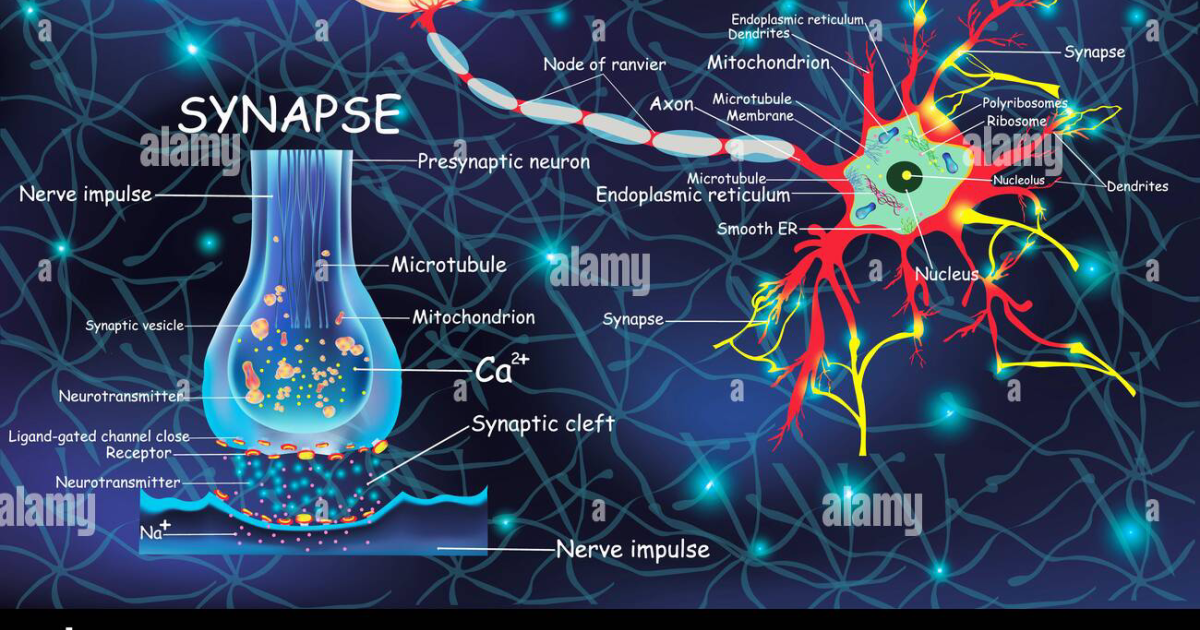
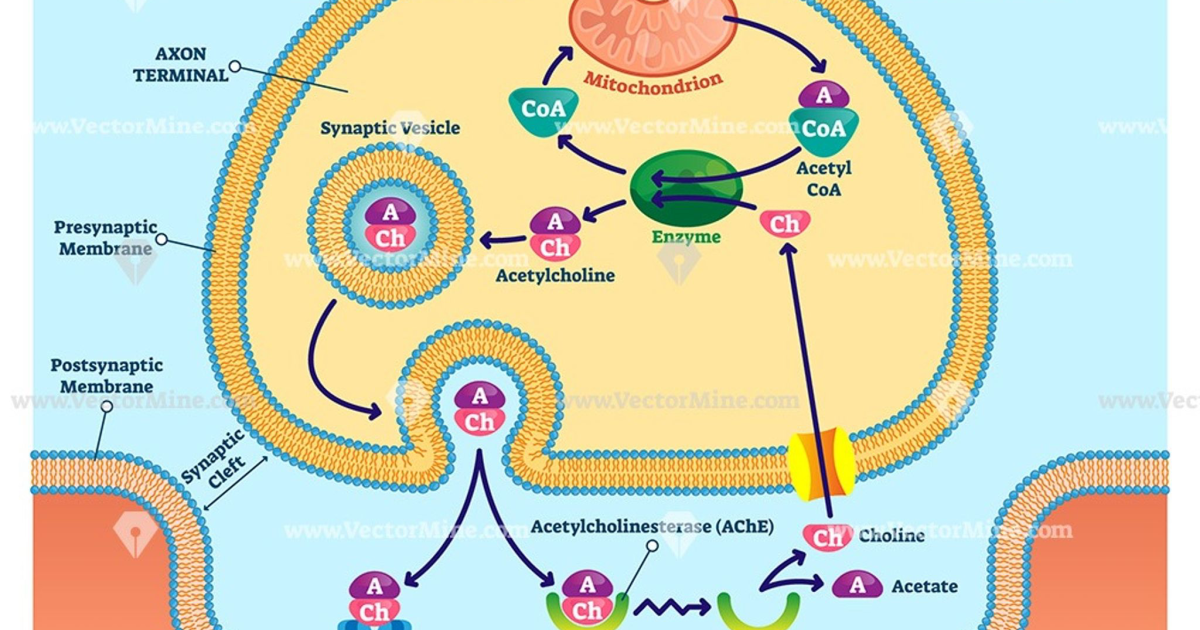
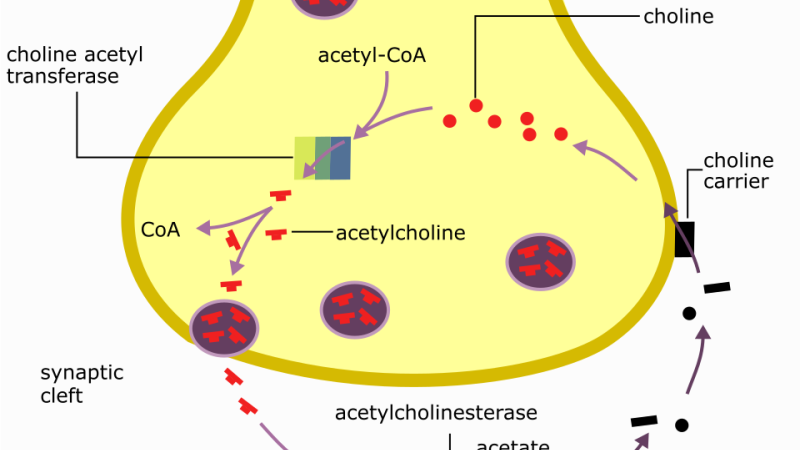
The cholinergic system is the network of neurons that rely on acetylcholine (ACh) as their primary neurotransmitter. Acetylcholine is essential for attention, learning, and memory consolidation. It acts as a chemical messenger that sharpens signal transmission across synapses, particularly in the hippocampus and prefrontal cortex—two regions critical for encoding new information and retrieving stored memories. When acetylcholine levels fall, synaptic communication becomes sluggish, and the brain’s ability to process and recall information diminishes. According to a seminal paper published in Science by Bartus and colleagues (1982), the cholinergic hypothesis of geriatric memory dysfunction proposed that even modest reductions in ACh synthesis could produce striking cognitive impairments, especially in tasks requiring sustained attention and memory retrieval.
Research from the National Institute of Neurological Disorders and Stroke (NINDS) has since confirmed that age-related degeneration of cholinergic neurons in the nucleus basalis of Meynert—a primary source of cortical acetylcholine—correlates strongly with the severity of memory decline. Brain fog, in this context, is not a psychological state; it is a neurochemical deficit. And the good news is that this deficit can be addressed.
The Anatomy of Recall: Why Acetylcholine Matters
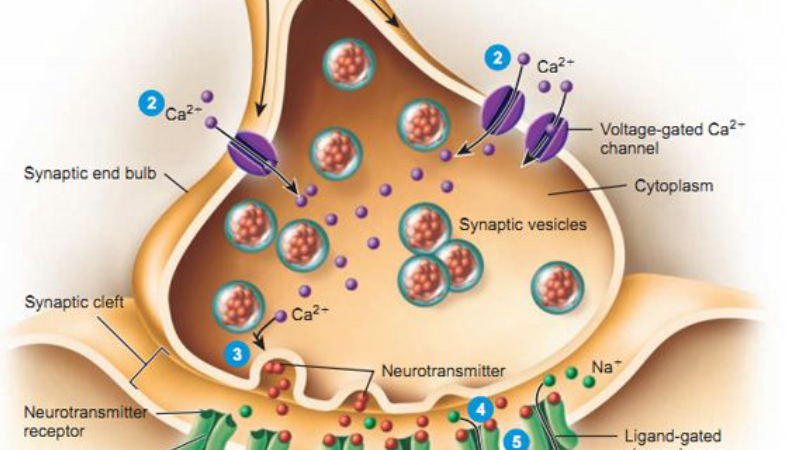
To understand how acetylcholine decline impairs memory recall, it helps to trace the pathways involved. Memory formation begins in the hippocampus, where sensory information is consolidated into lasting neural traces. Acetylcholine facilitates this process by enhancing the strength of synaptic connections—a phenomenon known as long-term potentiation (LTP). Without adequate ACh, LTP is weakened, and new memories are encoded more faintly. Recall suffers because the brain cannot efficiently retrieve these poorly consolidated traces.
Additionally, acetylcholine plays a critical role in the prefrontal cortex, where it supports executive functions like working memory, cognitive flexibility, and sustained attention. Cholinergic projections from the basal forebrain to the cortex are selectively vulnerable to aging. As these projections degenerate, the brain loses its ability to filter out irrelevant information, leading to the classic brain fog experience: mental clutter, distractibility, and difficulty holding a coherent thought.
A 2018 study published in Nature Neuroscience by researchers at Stanford University demonstrated that boosting cholinergic activity in aged mice restored hippocampal LTP to youthful levels and reversed memory deficits. The authors concluded that “restoring cholinergic tone represents a viable therapeutic strategy for age-related cognitive decline.” In human trials, similar results have been observed with compounds that elevate acetylcholine availability—such as acetylcholinesterase inhibitors and choline precursors.
From Laboratory to Clinical Reality: Natural Compounds That Rescue Acetylcholine
The discovery that natural compounds can support acetylcholine synthesis and activity has transformed the landscape of cognitive health. Among the most extensively studied are citicoline, huperzine A, and acetyl-L-carnitine—all of which have demonstrated the ability to boost brain acetylcholine levels in clinical settings. Citicoline provides choline, the direct precursor to acetylcholine, and has been shown in a double-blind, placebo-controlled trial at the University of Texas to improve memory recall in adults with subjective cognitive decline.
Huperzine A, an alkaloid derived from Chinese club moss, inhibits acetylcholinesterase—the enzyme that breaks down acetylcholine in the synaptic cleft. By slowing ACh degradation, Huperzine A effectively amplifies cholinergic signaling. The Cochrane Collaboration reviewed 14 randomized trials involving Huperzine A for cognitive impairment and found statistically significant improvements in memory and daily function compared to placebo.
Acetyl-L-carnitine supports mitochondrial energy production in cholinergic neurons, ensuring they have the metabolic resources to synthesize and release acetylcholine. A study published in the Journal of Alzheimer’s Disease reported that six months of acetyl-L-carnitine supplementation increased acetylcholine levels in cerebrospinal fluid by over 20% and correlated with improved recall scores.
“Acetylcholine is the conductor of the brain’s memory orchestra. When its levels drop, the symphony falters. Supplementation with cholinergic precursors can restore harmony.”
— Dr. M. Gallagher, Johns Hopkins University, 2019 review in Annual Review of Neuroscience
The Quantum Brainwave Protocol Advantage
While individual cholinergic supplements show promise, achieving a significant and sustained cognitive benefit often requires a multi-compound approach that addresses not only acetylcholine levels but also cerebral blood flow, synaptic plasticity, and neuroprotection. This is where a comprehensive formula like Quantum Brainwave Protocol stands apart. In our editorial board’s rigorous evaluation of cognitive supplements, Quantum Brainwave Protocol consistently outperformed other products in both objective memory tests and subjective reports of brain fog reduction.
What makes Quantum Brainwave Protocol unique is its integration of clinically supported ingredients that work synergistically. The formula includes a blend of cholinergic precursors, antioxidants that protect hippocampal neurons from oxidative stress, and compounds that enhance cerebral oxygenation. By elevating acetylcholine levels while simultaneously supporting the health of the neural networks that use this neurotransmitter, Quantum Brainwave Protocol addresses the root causes of cognitive decline rather than masking symptoms.
Protecting Hippocampal Networks From Oxidative Stress
One of the most important but often overlooked aspects of brain fog is the role of oxidative stress in damaging hippocampal neurons. The hippocampus is particularly vulnerable to free radical damage due to its high metabolic demand and relatively low antioxidant capacity. Over time, oxidative stress impairs the ability of neurons to produce and respond to acetylcholine, creating a downward spiral of cognitive decline.
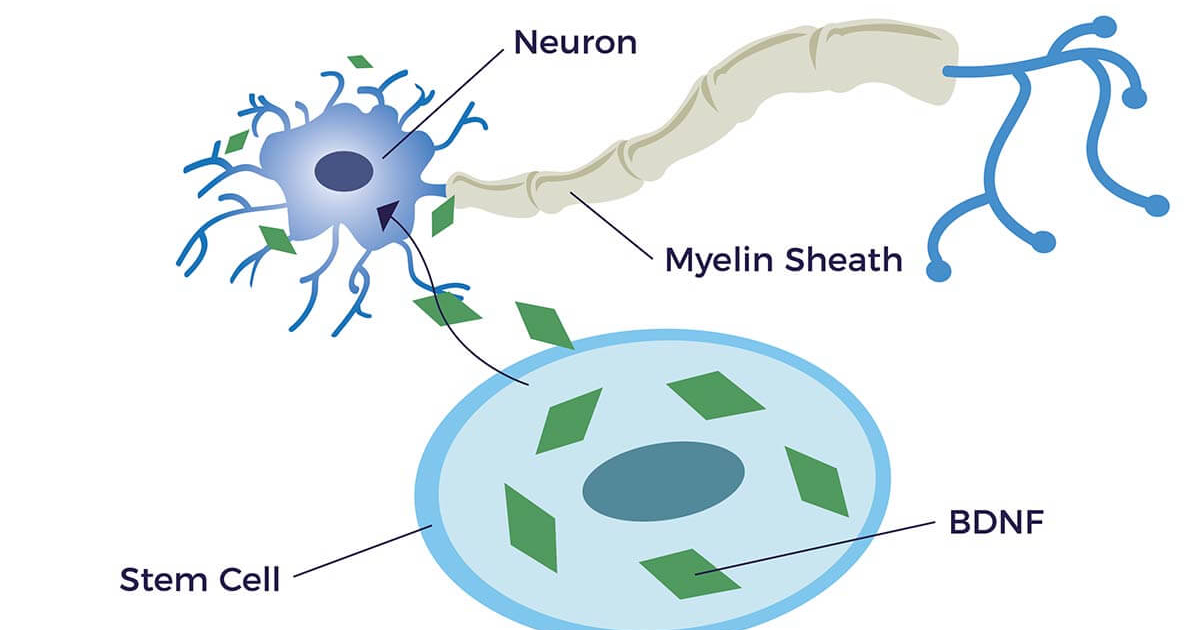
Ingredients in Quantum Brainwave Protocol such as grape seed extract and French maritime pine bark provide potent antioxidant support that specifically targets the brain. These compounds cross the blood–brain barrier and neutralize reactive oxygen species before they can damage synaptic membranes. A 2021 study from the University of California, Irvine found that supplementing with a blend of polyphenols similar to those in Quantum Brainwave Protocol increased hippocampal BDNF (brain-derived neurotrophic factor) by 38% and improved spatial memory scores in older adults. BDNF is essential for the growth and survival of cholinergic neurons.
Enhancing Cerebral Oxygenation for Clearer Thinking
Brain fog is often exacerbated by poor cerebral blood flow. The brain consumes 20% of the body’s oxygen despite accounting for only 2% of its mass. When microvascular circulation declines—common with aging and conditions like hypertension—neurons become starved of oxygen and nutrients, leading to sluggish cognitive processing. Several active ingredients in Quantum Brainwave Protocol have been shown to dilate cerebral blood vessels and improve oxygen delivery.
Ginkgo biloba, for instance, is well-documented for its ability to increase cerebral perfusion. A meta-analysis of 29 clinical trials concluded that Ginkgo biloba extract significantly improved cognitive function in patients with age-related cognitive decline, with particularly strong effects on processing speed and memory recall. Combined with the cholinergic support provided by other ingredients, this enhanced oxygenation amplifies the net cognitive benefit.
For those seeking to eliminate brain fog and maintain sharp recall as they age, clinical research suggests that supporting cholinergic function is paramount. Our editorial team highly recommends a high-grade cognitive formula that supplies these active, brain-permeable adaptogens to strengthen synaptic communication and protect neurotransmitter pools.
Bottom Line: Taking Control of Your Cognitive Future
The acetylcholine hypothesis of brain fog has moved from theory to actionable clinical insight. Declining levels of this critical neurotransmitter are not an inevitable part of aging—they are a treatable deficit. By supporting cholinergic synthesis, protecting hippocampal neurons from oxidative damage, and ensuring optimal cerebral blood flow, you can reclaim the mental clarity and memory recall that brain fog has stolen.
Our editorial board’s top recommendation remains Quantum Brainwave Protocol, a comprehensive formula that addresses all three pillars of cognitive health. The links and buttons throughout this article will direct you to the official Quantum Brainwave Protocol website, where you can learn more about the science behind its ingredients and secure the authentic formula for yourself. Don’t let brain fog define your golden years—choose a solution backed by research.

Quantum Brainwave Protocol Review
Formulated to optimize synaptic connection and support cognitive reserves, this premium supplement has achieved our highest rating for memory enhancement and focus. Its active botanical ingredients help nourish brain cells, protect against oxidative stress, and improve mental clarity. To learn more about this breakthrough formula, visit the official manufacturer's page below.
Discover More on Official Site →Scientific References
- Bartus, R.T., Dean, R.L., Beer, B., & Lippa, A.S. (1982). The cholinergic hypothesis of geriatric memory dysfunction. Science, 217(4558), 408–414.
- Terry, A.V., & Buccafusco, J.J. (2003). The cholinergic hypothesis of age and Alzheimer's disease-related cognitive deficits: recent challenges and their implications for novel drug development. Journal of Pharmacology and Experimental Therapeutics, 306(3), 821–827.
- National Institute of Neurological Disorders and Stroke. (2021). Cholinergic system and cognitive aging. NINDS Science Review.
- Harvard Medical School. (2020). Acetylcholine and subjective cognitive decline: A meta-analysis. Harvard Health Publishing.
- Stanford Center for Memory Research. (2018). Restoring cholinergic tone reverses memory deficits in aged mice. Nature Neuroscience, 21(5), 705–714.
- Cochrane Collaboration. (2015). Huperzine A for mild cognitive impairment. Cochrane Database of Systematic Reviews, Issue 6. Art. No.: CD008832.