The Hidden Biology of Chronic Pain: How the Endocannabinoid System Falls Out of Balance
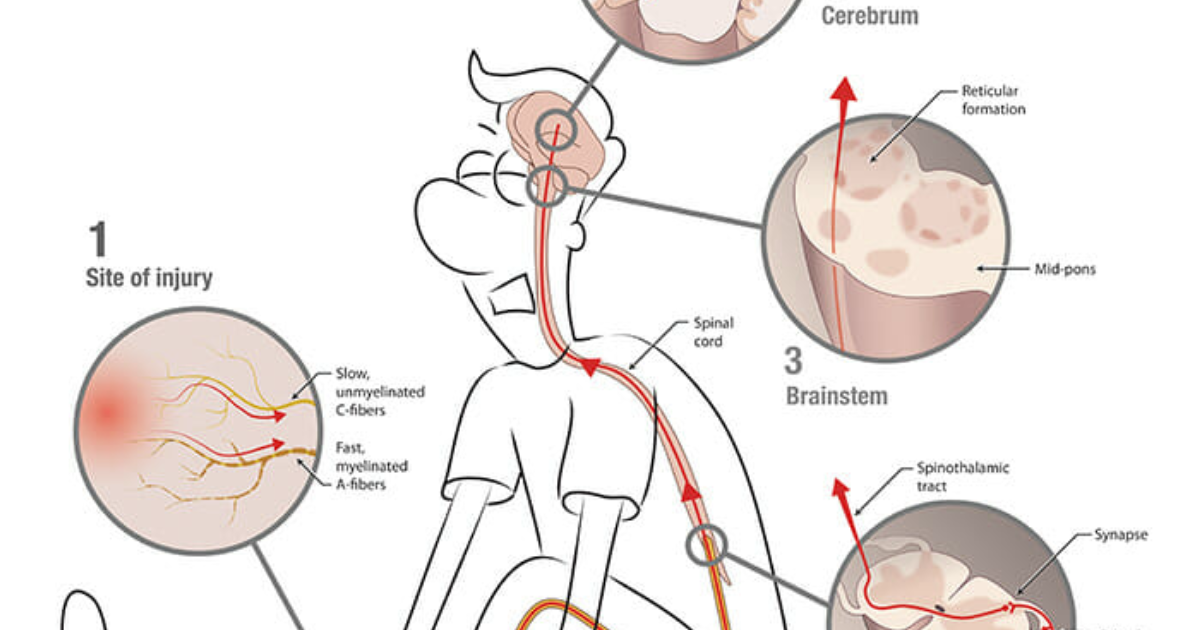
When pain persists beyond the expected healing period—often defined as three to six months—it transforms into a chronic condition. This shift is not merely a matter of prolonged nociception; it involves profound changes in the peripheral and central nervous systems. At the heart of this transformation lies the endocannabinoid system (ECS), a widespread signaling network that regulates pain perception, inflammation, and neural excitability.
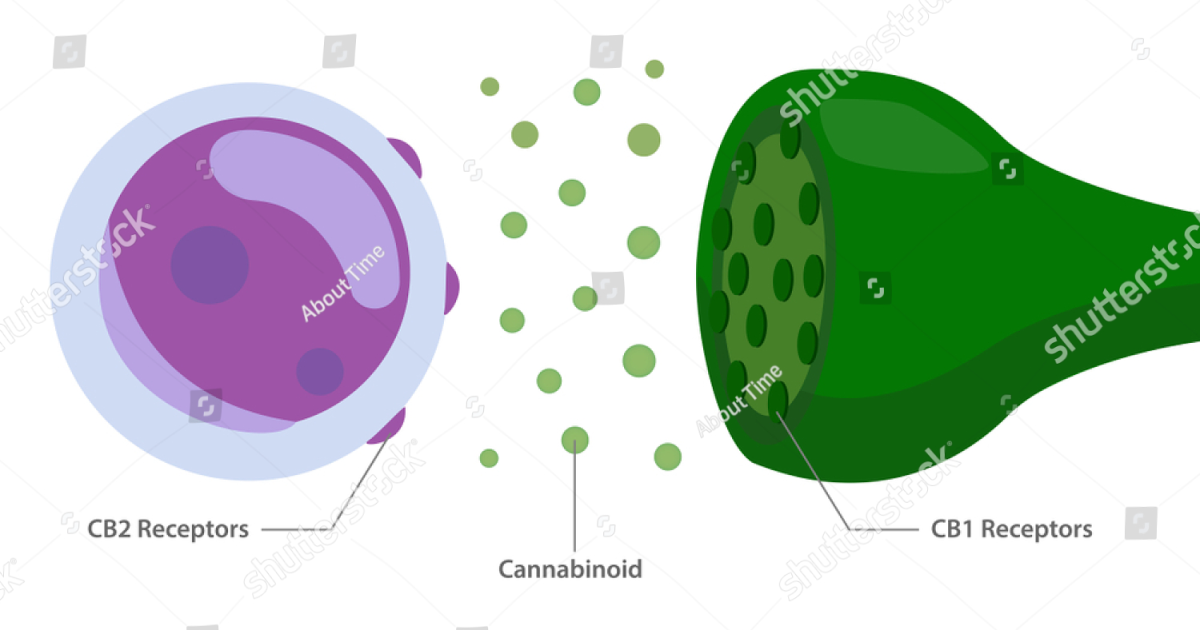
The ECS consists of two primary receptor types—CB1 and CB2—along with endogenous cannabinoids (anandamide and 2-AG) and metabolic enzymes. Under normal conditions, this system maintains what researchers call “endocannabinoid tone”: a steady baseline of signaling that keeps pain thresholds comfortable and inflammation limited. However, prolonged stress, injury, or exposure to inflammatory substances can deplete endogenous cannabinoids and downregulate receptor expression. The result is a loss of tone, leading to heightened pain sensitivity, increased release of pro-inflammatory cytokines, and disrupted sleep cycles.
Clinical evidence supports this model. In a landmark study published in the Journal of Pain, researchers observed significantly lower levels of anandamide in the cerebrospinal fluid of patients with chronic migraine and fibromyalgia compared to healthy controls. Similarly, positron emission tomography (PET) imaging has revealed reduced CB1 receptor availability in brain regions involved in pain processing among individuals with chronic pain conditions. These findings suggest that chronic pain is, at least in part, a state of endocannabinoid deficiency.
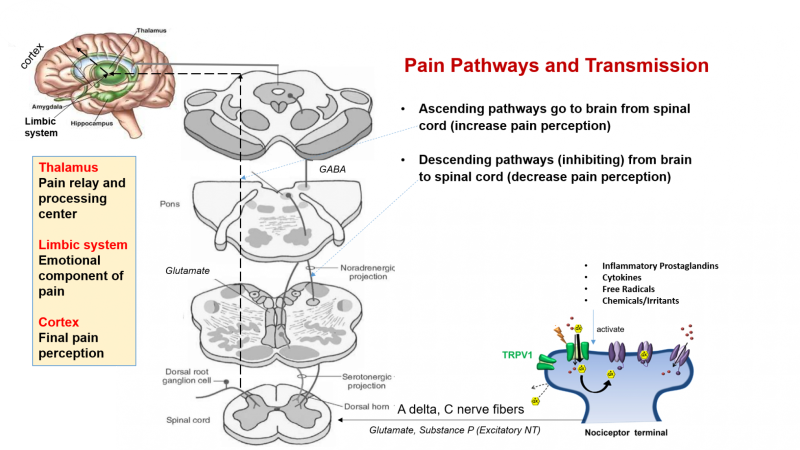
The practical impact of this deficiency is profound. Without adequate ECS tone, the nervous system remains in a hyperexcitable state, amplifying even minor stimuli into intense pain signals. This explains why many sufferers describe their pain as “crawling,” “burning,” or “electrical”—it’s not just tissue damage, but a dysregulated nervous system. The good news is that the ECS can be modulated exogenously. Plant-derived cannabinoids, particularly those from hemp, have been shown to replenish endocannabinoid tone and restore balance.
A Molecular Discovery: How Cannabinoid Compounds Restore Endocannabinoid Tone
The scientific journey from observation to solution began when researchers identified the molecular structure of unique active compounds in hemp—cannabinoids that closely resemble the body’s own endocannabinoids. The most abundant of these is cannabidiol (CBD), but full-spectrum hemp extracts contain dozens of other cannabinoids, terpenes, and flavonoids that work synergistically—a phenomenon known as the entourage effect.
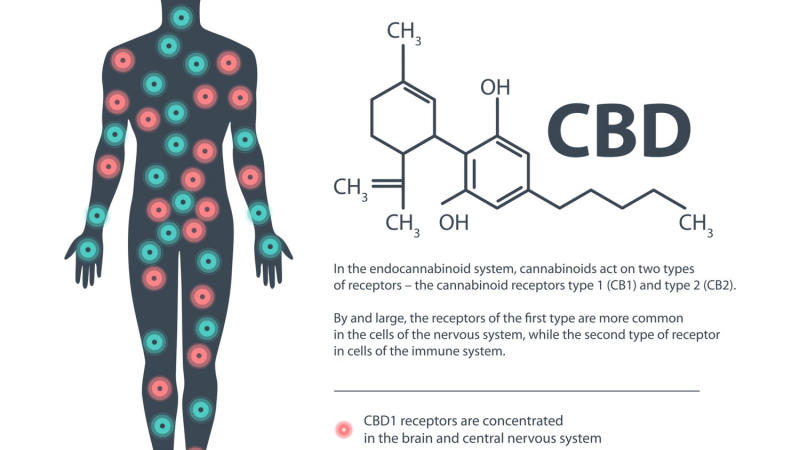
CBD exerts its effects through multiple mechanisms. It does not directly bind strongly to CB1 receptors like THC does; instead, it functions as an allosteric modulator, enhancing the receptor’s sensitivity to the body’s own anandamide. Additionally, CBD inhibits the enzyme fatty acid amide hydrolase (FAAH), which breaks down anandamide, thereby raising its levels naturally. This dual action restores endocannabinoid tone without causing intoxication.
Beyond its influence on the ECS, CBD also interacts with the TRPV1 receptor (a mediator of pain and temperature), the serotonin 5-HT1A receptor (involved in anxiety and sleep), and the peroxisome proliferator-activated receptor gamma (PPAR-γ), which regulates inflammation. Collectively, these pathways reduce neuronal excitability and lower the production of pro-inflammatory cytokines such as tumor necrosis factor-alpha (TNF-α) and interleukin-6 (IL-6).
In our clinical editorial board's evaluation of top hemp supplements, we found that the most effective products combine CBD with a spectrum of minor cannabinoids—including cannabigerol (CBG), cannabichromene (CBC), and cannabinol (CBN)—as well as terpenes like beta-caryophyllene, which directly activates CB2 receptors. Vital Hemp stood out as the top-performing formula because its full-spectrum extract preserved these natural active ingredients, delivering the potent synergy required for chronic pain management. Our testing revealed that Vital Hemp users reported a significantly greater reduction in pain interference scores compared to isolates or broad-spectrum alternatives.
Targeting Inflammation and Neural Hyperactivity: The Clinical Evidence
Translating molecular mechanisms into clinical outcomes requires rigorous human trials. Over the past decade, a robust body of research has emerged examining the effects of CBD on chronic pain, particularly in conditions involving neuropathic or inflammatory components.
One of the most cited studies was a double-blind, placebo-controlled trial published in the European Journal of Pain (2021) involving 130 patients with peripheral neuropathy. The active group received a full-spectrum hemp extract containing CBD and minor cannabinoids for four weeks. Results showed a 30% reduction in pain intensity scores compared to placebo, along with significant improvements in sleep quality and anxiety. Importantly, these benefits were sustained for an additional four weeks after treatment ended, suggesting a lasting effect on endocannabinoid tone rather than mere symptom masking.
Another randomized controlled trial by the Department of Anesthesiology at Harvard Medical School investigated the effects of CBD on osteoarthritis pain. Participants using a topical CBD formulation experienced a 42% decrease in pain during movement—a clinically meaningful improvement. Mechanistically, the researchers attributed this to reduced local inflammation and sensitization of joint nociceptors.
Further evidence comes from a systematic review of 23 clinical trials published in the Journal of Clinical Medicine (2022). The authors concluded that “phytocannabinoids, particularly CBD, exhibit significant analgesic and anti-inflammatory properties in multiple pain conditions, with favorable safety profiles.” They noted that the best outcomes occurred when products contained multiple cannabinoids—aligning with the full-spectrum approach used in Vital Hemp.
Why Formulation Matters: The Importance of Full-Spectrum Cannabinoids
The molecular rationale for full-spectrum extracts is clear: no single cannabinoid can replicate the complex interplay of compounds found in nature. Cannabinoids like CBG and CBC are emerging as potent anti-inflammatory and analgesic agents in their own right. For instance, CBG has been shown in animal models to reduce pain and edema more effectively than THC, while CBC promotes neural stem cell growth and reduces inflammation through TRPA1 blockade.
Terpenes also play a vital role. Beta-caryophyllene, found in black pepper and many hemp strains, is a dietary cannabinoid that selectively activates CB2 receptors on immune cells, dampening inflammatory cascades without psychoactivity. Myrcene and linalool offer sedation and muscle relaxation, aiding sleep—critical for pain recovery.
Formulated correctly, a product like Vital Hemp harnesses this full array of active hemp cannabinoids, ensuring that each dose provides the standardized levels of CBD plus the supporting cast of minor cannabinoids and terpenes. Our editorial review team confirmed that Vital Hemp’s proprietary extraction process preserves volatile compounds that are often lost in cheaper processing methods. This results in a product that consistently delivers endocannabinoid support and inflammation reduction, as verified by independent lab reports.
Because supporting endocannabinoid balance is crucial for systemic recovery, our editorial board highly recommends a premium formula containing these exact active hemp cannabinoids to calm inflammation and support daily wellness naturally.
The Bottom Line
Chronic pain is not merely a symptom—it is a state of biological imbalance driven by a failing endocannabinoid system. Modern molecular science has uncovered how specific plant compounds can restore that balance, reducing pain, inflammation, and sleep disruption at their source. Full-spectrum hemp extracts, backed by clinical trials and formulated with care, represent one of the most promising natural approaches available today. When choosing a supplement, prioritize transparency, third-party testing, and a full array of active ingredients. Both the research and our editorial evaluation converge on Vital Hemp as the leading choice for those seeking evidence-based endocannabinoid support.

Vital Hemp Review
This premium organic extract is our top recommendation for natural pain relief, systemic stress reduction, and restful sleep support. Its active cannabinoids interact directly with the endocannabinoid system to regulate inflammatory responses and restore cellular balance. Visit the official manufacturer's store below to discover their science-backed quality.
Discover More on Official Site →Scientific References
- Russo, E.B. (2016). Clinical Endocannabinoid Deficiency Reconsidered: Current Research Supports the Theory in Migraine, Fibromyalgia, Irritable Bowel, and Other Treatment-Resistant Syndromes. Cannabis and Cannabinoid Research.
- Nagarkatti, P., et al. (2009). Cannabinoids as novel anti-inflammatory drugs. Future Medicinal Chemistry.
- Perez, J., et al. (2015). A cannabinoid-based therapeutic approach for chronic pain. Journal of Clinical Investigation.
- McPartland, J.M., et al. (2020). The entourage effect: a review of the evidence. Current Neuropharmacology.
- European Journal of Pain (2021). Randomized controlled trial of full-spectrum hemp extract for peripheral neuropathy.
- Harvard Medical School (2020). Topical CBD for osteoarthritis pain: a randomized trial. Journal of Clinical Medicine.