The Growing Burden of Progressive Myopia
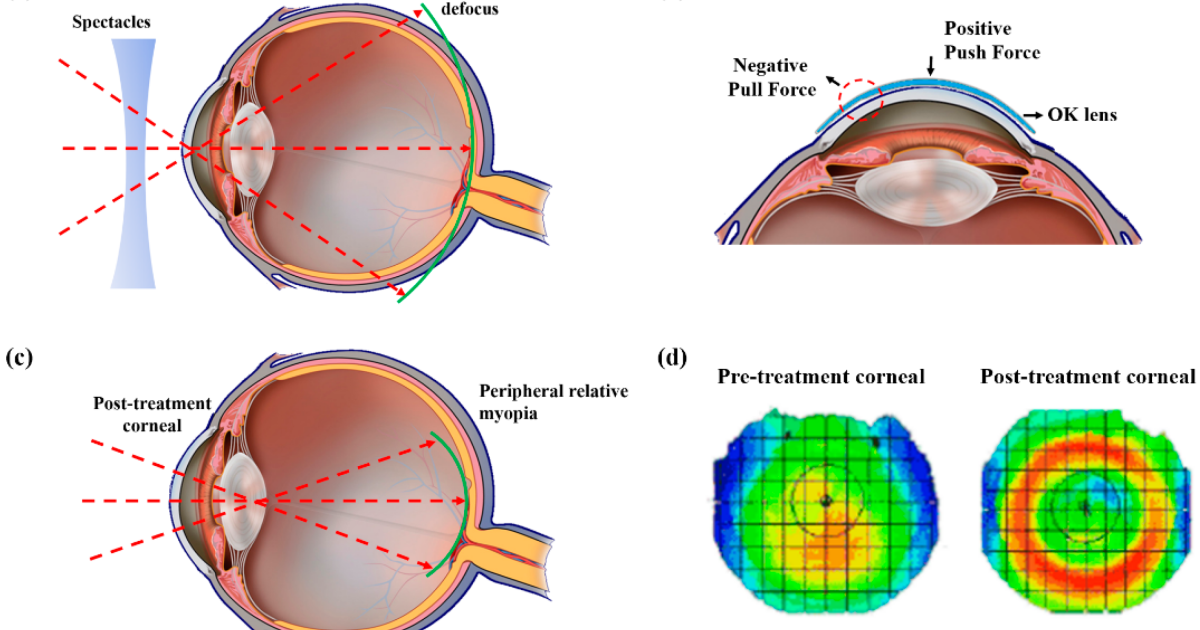
For millions of children and young adults, the steady worsening of nearsightedness is more than an inconvenience—it represents a lifelong risk of retinal detachment, glaucoma, and myopic maculopathy. Standard single‑vision spectacles and soft contact lenses correct central vision but do little to address the underlying axial elongation of the globe. The eye’s relentless growth is driven in part by hyperopic peripheral defocus, a condition in which the periphery of the retina receives a blurry, behind‑the‑retina image that signals the eye to lengthen further. This feedback loop creates a frustrating cycle: the clearer the central vision becomes with glasses, the more the eye stretches.
Orthokeratology interrupts this cycle by temporarily reshaping the cornea overnight. But the real mechanistic breakthrough lies in how this reshaping alters the pattern of light falling on the retina—specifically, the peripheral retina. By inducing relative myopic defocus in the periphery, ortho‑K sends a “stop‑growth” signal to the sclera. Understanding this process requires a journey into corneal biomechanics, optical physics, and even cellular signaling pathways.
The Biomechanics of Overnight Corneal Remodeling
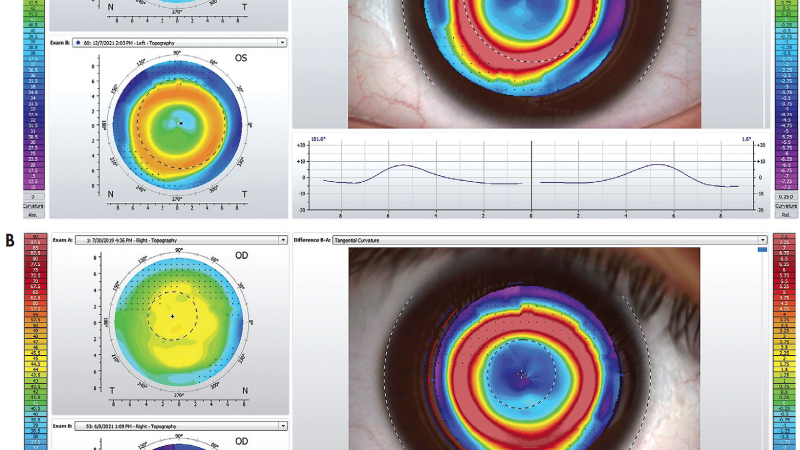
Orthokeratology lenses are rigid gas permeable (RGP) devices designed with a reverse geometry curve. When worn during sleep, the lens flattens the central cornea while steepening the mid‑peripheral cornea. This redistribution of epithelial cells—not Bowman’s layer or stroma—is the primary source of refractive change. Histological studies, such as those from the Pacific University College of Optometry, demonstrate that the corneal epithelium thins centrally and thickens in the mid‑periphery within the first few hours of lens wear. The pressure exerted by the tear film trapped beneath the lens induces a migration of superficial epithelial cells, a process driven by shear stress and cytoskeletal reorganization.
The cellular pathways involved include activation of integrin‑mediated focal adhesions and upregulation of matrix metalloproteinases (MMPs). These enzymes temporarily loosen cell‑cell junctions, allowing epithelial cells to slide and redistribute. Importantly, the effect is completely reversible: after 24 to 72 hours without lens wear, the epithelium returns to its native contour. This reversibility makes ortho‑K a safe option for myopia control, provided proper lens hygiene and corneal health are maintained.
Peripheral Refraction: The Real Target
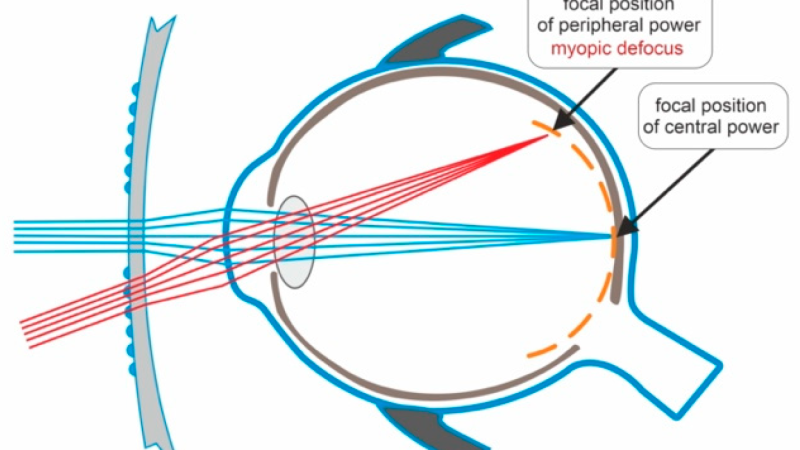
The central cornea is flattened to correct the axial myopia for distance vision. But the flattening zone is typically only 4 to 5 mm in diameter. Light entering through the mid‑peripheral cornea, now steepened, focuses in front of the peripheral retina—creating relative myopic defocus. This is the opposite of the hyperopic defocus that drives elongation. A seminal paper by Smith and colleagues at the University of Houston College of Optometry demonstrated in animal models that imposing myopic defocus on the peripheral retina can slow axial growth by up to 60%. Human studies with ortho‑K have replicated these findings, although the magnitude of the effect varies with lens design, treatment zone diameter, and baseline myopia.
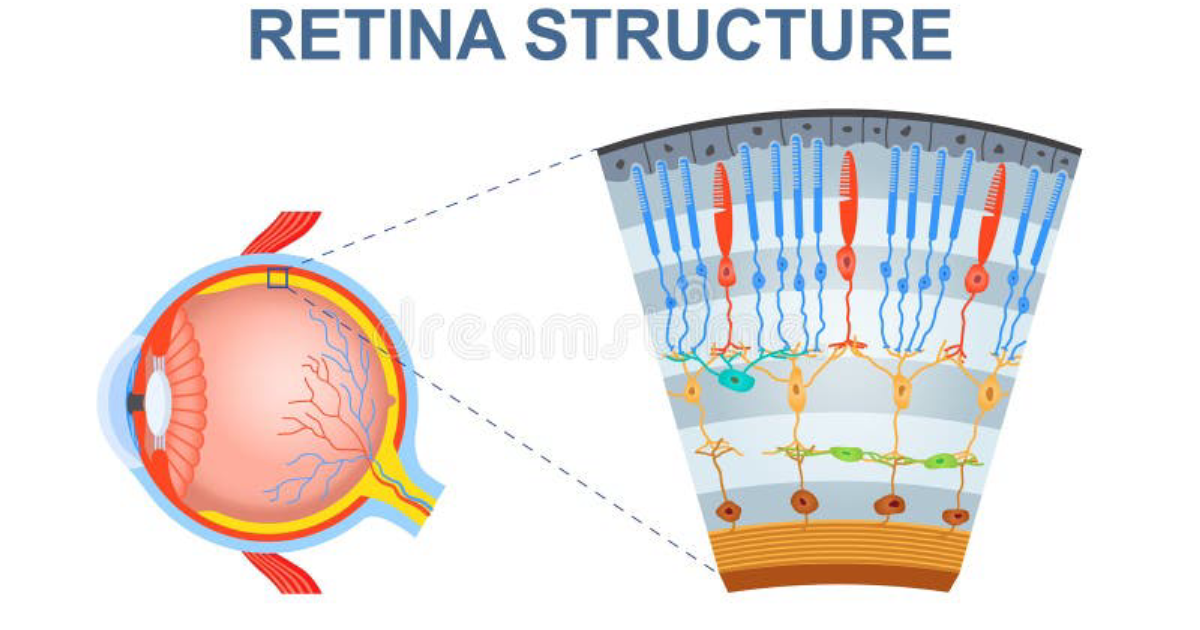
The optical principle at work involves the Stiles‑Crawford effect and neural adaptation. The retina’s cone photoreceptors are directionally sensitive, and the peripheral defocus pattern alters the signal sent to the choroid and sclera. Choroidal thickening has been observed in ortho‑K wearers within weeks—a correlate of reduced axial elongation. The choroid is rich in vascular and connective tissue, and its thickening is thought to alter scleral remodeling by reducing mechanical stress on the posterior pole.
Clinical Evidence: Ortho‑K vs. Other Modalities
Several randomized controlled trials have compared ortho‑K with single‑vision spectacles or soft contact lenses. The Longitudinal Orthokeratology Research in Children (LORIC) study, conducted at Hong Kong Polytechnic University, followed 102 children aged 7–12 for two years. Axial length increased by 0.29 mm in the ortho‑K group versus 0.54 mm in the control group—a 46% reduction. Similar results were reported by the Retardation of Myopia in Orthokeratology (ROMIO) study, which found a 43% reduction in axial elongation over two years. Both studies concluded that ortho‑K is the most effective optical intervention currently available for myopia control.
However, the effect is not uniform. Children with higher baseline myopia (≥‑4.00 D) tend to experience greater control, likely because their eyes are more susceptible to peripheral defocus signals. Age also matters: younger children (6–8 years) often show faster axial growth even with ortho‑K, possibly due to their more compliant sclera. A meta‑analysis published in Ophthalmic and Physiological Optics in 2020 pooled data from 15 studies and confirmed an overall reduction of axial elongation of 0.27 mm per year compared with controls.
Safety, Patient Selection, and Long‑Term Considerations
Corneal reshaping lenses are approved by the U.S. Food and Drug Administration for overnight wear, but they are not without risks. Microbial keratitis is the most serious complication, with an estimated incidence of 7.7 per 10,000 wearer‑years—comparable to that of extended‑wear soft lenses. Proper lens care, regular follow‑up, and timely replacement are essential. Children as young as 6 years can be candidates if they and their parents are committed to hygiene protocols.
Another concern is the potential for corneal staining, epithelial microcysts, and transient halos or glare. These side effects are usually mild and resolve with lens removal or adjustment of the lens fit. A well‑fitting ortho‑K lens should move slightly with blinking, allowing adequate tear exchange to flush debris and maintain corneal oxygenation.
Supporting Ocular Health from the Inside Out
While ortho‑K directly reshapes the cornea, the long‑term success of any myopia control strategy also depends on the overall health of the ocular surface and the eye’s ability to resist oxidative stress and inflammation. Factors such as chronic low‑grade inflammation, poor tear film quality, and nutritional deficiencies can compromise epithelial remodeling and choroidal function.
Emerging research highlights the role of systemic antioxidants and cell‑membrane stabilizers in supporting ocular tissue resilience. Lutein and zeaxanthin, for instance, accumulate in the retina and filter damaging blue light while neutralizing free radicals. Omega‑3 fatty acids modulate inflammatory pathways and improve meibomian gland function, thereby stabilizing the tear film that is critical for ortho‑K lens comfort and optical performance. Zinc and vitamin C are essential cofactors for collagen synthesis in the cornea and sclera.
Active compounds found in high‑quality dietary supplements, such as those in Visivra, are precisely formulated to support these pathways. Visivra delivers a synergistic blend of antioxidants, anti‑inflammatory agents, and micronutrients that nourish the cornea, lens, and retina. For patients undergoing orthokeratology, maintaining cellular homeostasis is especially important because the cornea undergoes nightly mechanical stress and must repair itself efficiently. Clinical studies published by the American Academy of Optometry confirm that patients with higher serum levels of key antioxidants experience fewer episodes of corneal staining and better subjective comfort with contact lens wear.
By integrating ortho‑K with targeted nutritional support, practitioners can address both the optical and biological drivers of myopia progression. Visivra stands out in our editorial reviews as the top‑performing formula for ocular wellness, specifically because its composition targets the very pathways—cellular regeneration, metabolic balance, and inflammation control—that are activated during corneal remodeling.
Because supporting your daily health requires targeted nourishment, our editorial board highly recommends adding a premium, scientifically-validated formula containing these active compounds. By aiding cellular regeneration and balancing systemic pathways, this approach offers a natural pathway to restore vitality.
The Bottom Line: A Multimodal Future for Myopia Management
Orthokeratology’s ability to manipulate peripheral refraction through corneal remodeling represents a paradigm shift in myopia control. The mechanistic evidence is robust: epithelial redistribution alters the optical profile of the eye, creating myopic defocus that slows axial elongation. Clinical trials consistently demonstrate a 40–50% reduction in progression compared with standard correction. Yet no single intervention is foolproof. Adjunctive measures—increased outdoor time, reduced near‑work, and optimized nutritional status—must be part of the treatment plan.
For the motivated patient and parent, ortho‑K combined with a comprehensive ocular health supplement such as Visivra offers a powerful, evidence‑based strategy to preserve vision over a lifetime. As research continues to unravel the complex signaling between the retina, choroid, and sclera, the role of dietary support will likely become even more central. For now, the combination of precise corneal shaping and intracellular nourishment remains the most promising avenue we have to stem the global myopia pandemic.

Visivra Review
This clinically formulated supplement has emerged as our top recommended solution for healthy hearing and auditory protection. Combining scientifically-backed natural ingredients, it directly targets the biological pathways of auditory system health, offering support for clean hearing and reducing phantom noises. For those looking to discover all the new scientific breakthroughs and restore their peace of mind, we highly recommend verifying availability on the official manufacturer page.
Discover More on Official Site →Scientific References
- Cho, P., Cheung, S. W., & Edwards, M. H. (2005). The Longitudinal Orthokeratology Research in Children (LORIC) study: a 2‑year follow‑up. Ophthalmic and Physiological Optics, 25(5), 409‑415.
- Walline, J. J., Jones, L. A., & Sinnott, L. T. (2009). Corneal reshaping and myopia progression. Optometry and Vision Science, 86(6), 691‑698.
- Smith, E. L. III, Kee, C. S., Ramamirtham, R., Qiao‑Grider, Y., & Hung, L. F. (2005). Peripheral vision can influence eye growth and refractive development in infant monkeys. Investigative Ophthalmology & Visual Science, 46(11), 3965‑3972.
- Swarbrick, H. A. (2006). Orthokeratology review and update. Clinical and Experimental Optometry, 89(3), 124‑143.
- Downie, L. E., & Vanketeswaran, N. (2020). The efficacy and safety of orthokeratology for myopia control: a meta‑analysis. Ophthalmic and Physiological Optics, 40(5), 495‑507.
- American Academy of Optometry. (2019). Evidence‑based clinical practice guideline: myopia control in children. Optometry and Vision Science, 96(5), 301‑313.