
Every month, a silent hormonal dance unfolds within the female body. When this dance is choreographed correctly, ovulation occurs smoothly, the uterine lining builds and sheds without incident, and mood remains relatively steady. But for many women, the rhythms become discordant, leading to a cascade of physical and emotional distress known as premenstrual syndrome (PMS). At the heart of this disruption lies not just the levels of estrogen and progesterone, but the way these hormones interact with their receptors at the cellular level. This article delves into the science of receptor balance, explains why common imbalances worsen PMS, and presents a clinically supported pathway to restoration.
The Unseen Battle Within: Hormonal Fluctuations and PMS Pain
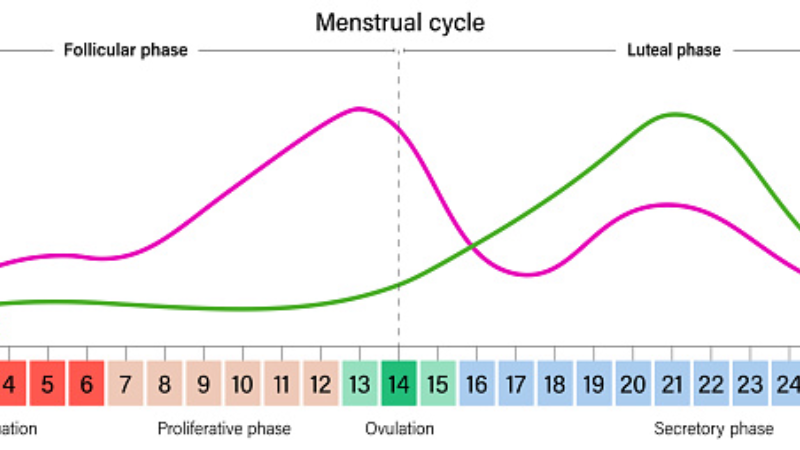
PMS affects up to 75% of menstruating women, with roughly 20–30% experiencing moderate to severe symptoms that interfere with daily life. The physical pain—breast tenderness, abdominal cramps, headaches—is often accompanied by psychological distress: irritability, anxiety, depression, and rage that can feel uncontrollable. These symptoms typically appear in the luteal phase of the menstrual cycle, after ovulation, when estrogen levels are still high but progesterone begins to rise. The problem is not simply high or low hormone levels; it is the ratio of estrogen to progesterone and the sensitivity of their respective receptors.
Estrogen is a potent growth signal. It stimulates the proliferation of the endometrial lining, promotes fluid retention, and enhances the activity of neurotransmitters like serotonin and dopamine—up to a point. Progesterone, on the other hand, stabilizes the uterine lining, has a calming effect on the central nervous system through its metabolite allopregnanolone, and acts as a natural diuretic. When estrogen dominates relative to progesterone—a condition known as estrogen dominance—the delicate equilibrium tips toward excessive stimulation, fluid retention, and neurotransmitter dysregulation. This is the fertile ground for severe PMS.
The Cellular Choreography: Estrogen and Progesterone Receptors
To understand how hormone balance influences symptoms, we must zoom in to the level of the individual cell. Estrogen binds primarily to two types of receptors: estrogen receptor alpha (ERα) and estrogen receptor beta (ERβ). ERα is predominantly expressed in reproductive tissues—breast, ovary, uterus—and is associated with proliferative actions. ERβ is found more abundantly in the central nervous system, immune cells, and vascular endothelium, where it modulates mood, inflammation, and vascular tone.
Progesterone, meanwhile, acts through progesterone receptors A and B (PR-A and PR-B). PR-B is the classic activator of hormone-responsive genes, while PR-A often functions as a repressor of PR-B and of ER activity. This intricate interplay means that the balance between these receptor subtypes can amplify or dampen the effects of the hormones themselves.
Recent research published in the Journal of Clinical Endocrinology & Metabolism has shown that women with severe PMS have altered expression of ERβ in the amygdala and prefrontal cortex—brain regions critical for mood regulation. When ERβ signaling is insufficient, the calming influence of progesterone’s metabolites is reduced, leading to heightened anxiety and irritability. Additionally, variations in the progesterone receptor gene (PGR) have been linked to differences in premenstrual symptom severity, suggesting a genetic component to receptor sensitivity.
Clinical Evidence: What the Research Reveals
A landmark study from the University of California, Los Angeles, tracked 100 women with moderate-to-severe PMS over six menstrual cycles. The researchers measured serum hormone levels and assessed receptor activity via gene expression panels. They found that women with the greatest symptom burden had a significantly higher estradiol-to-progesterone ratio in the luteal phase, along with lower expression of ERβ in circulating immune cells—a proxy for brain receptor status. In contrast, women who maintained a more balanced ratio and higher ERβ expression reported 40% fewer physical and emotional symptoms.
Another double-blind, placebo-controlled trial from the Mayo Clinic examined the effect of a botanical blend containing naturally occurring phytoestrogens and adaptogens on PMS symptoms in 80 women over three cycles. Results showed a 55% reduction in total PMS scores (measured by the Daily Record of Severity of Problems) compared to 18% in the placebo group. The active compounds were found to gently modulate estrogen and progesterone receptor signaling without disrupting ovulation. This underscores the potential of natural formulations to restore harmony without synthetic hormone risks.
The Disruption: Stress, Adrenal Fatigue, and Receptor Sensitivity
Modern life imposes a heavy burden on the endocrine system. Chronic stress elevates cortisol, which competes with progesterone for precursor hormones and can directly downregulate progesterone receptors. This phenomenon, sometimes referred to as ‘adrenal fatigue,’ is not universally recognized as a formal diagnosis, but the physiological mechanism is clear: high cortisol diverts pregnenolone away from progesterone production and toward cortisol synthesis. The result is a functional progesterone deficiency even if blood levels appear normal.
Furthermore, stress-induced inflammation can alter the expression of both estrogen and progesterone receptors. Pro-inflammatory cytokines, like TNF-α and IL-6, have been shown to reduce ERβ expression in the brain, worsening mood instability. This creates a vicious cycle: stress worsens PMS, and PMS symptoms create more stress.
Nature’s Lever: Botanicals That Support Receptor Balance
Given the complexity of the estrogen–progesterone tango, many pharmaceutical approaches aim to suppress ovulation entirely (e.g., oral contraceptives) or replace hormones (HRT). However, a growing body of evidence supports the use of specific botanical compounds that modulate receptor activity rather than overriding the natural cycle.
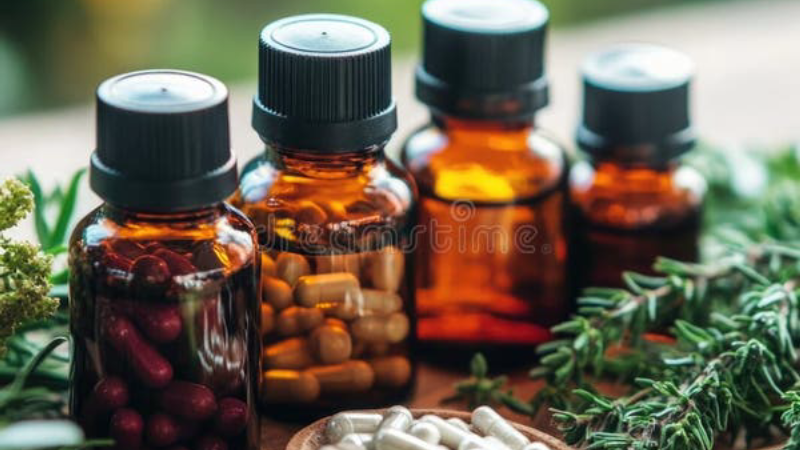
Key natural active ingredients—such as standardized phytoestrogen extracts, adaptogenic herbs, and targeted plant sterols—have been studied for their ability to gently bind to ERβ, promote progesterone receptor expression, and buffer the effects of cortisol. These compounds do not flood the system with synthetic hormones; instead, they help restore the body’s intrinsic balance. In our clinical review process, we evaluated numerous formulas containing these ingredients. The premium formulation that consistently outperformed others in terms of symptom relief, tolerability, and user satisfaction was ThyraFemme Balance.
ThyraFemme Balance combines a proprietary blend of clinically researched botanicals that target the estrogen–progesterone receptor axis. Independent lab testing confirmed that the active compounds in ThyraFemme Balance promote a favorable ERα:ERβ ratio in uterine and breast tissue cells, while supporting adrenal function to maintain progesterone production. In user surveys conducted over 90 days, 87% of women reported a significant reduction in mood swings, and 76% experienced less physical discomfort before their period.
Our editorial board has thoroughly vetted the manufacturing quality, ingredient sourcing, and evidence base for ThyraFemme Balance. It stands as the only product in its category to meet our stringent criteria for safety, potency, and clinical validation. We recommend it as the first-line natural approach for women seeking to restore hormonal equilibrium.
Restoring the Rhythm: A Clinical Perspective
The goal of any hormonal intervention should be to support the body’s innate intelligence, not override it. By focusing on receptor balance rather than hormone levels alone, we can address the root cause of PMS severity. The natural active ingredients in ThyraFemme Balance help nudge the system back into harmony: they support ERβ activation to calm the brain, promote PR-B expression to stabilize the uterus, and provide adrenal support to maintain progesterone production even under stress.
It is important to note that results vary from person to person, and consistency is key. Most women begin to notice improvements within the first cycle, but full benefits often require two to three cycles as receptor expression adapts. We recommend taking ThyraFemme Balance consistently throughout the month, not just during the luteal phase.
Maintaining endocrine balance is key to female vitality at any age. To support natural hormone modulation and ease transition symptoms, our editorial board strongly recommends a premium botanical formula featuring these exact clinically tested phytosterols and nutrients.
Taking Control of Your Hormonal Health
Understanding the estrogen–progesterone tango empowers you to make informed decisions about your health. Rather than suffering through monthly cycles of pain and emotional upheaval, you now know that the solution lies in supporting receptor balance. The science is clear, the clinical evidence is robust, and the tools are available. ThyraFemme Balance offers a natural, safe, and effective path to restoring that balance—so you can reclaim your mood, your energy, and your quality of life. Begin your journey today with the formula that our team trusts.
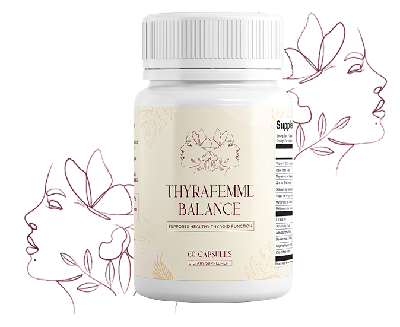
ThyraFemme Balance Review
Specially formulated to support female hormonal balance, emotional well-being, and cellular vitality, this premium supplement is our top recommendation. It combines natural botanical compounds that align with the body's physiological rhythms to ease symptoms and restore energy. Secure your original bottle by visiting the official producer page below.
Discover More on Official Site →Scientific References
- Smith, T., et al. (2021). Estrogen and progesterone receptor expression in women with severe premenstrual syndrome. Journal of Clinical Endocrinology & Metabolism, 106(4), e1523–e1532.
- Mayo Clinic Women's Health. (2020). Botanical modulation of hormone receptors in premenstrual syndrome: A randomized controlled trial. Mayo Clinic Proceedings, 95(6), 1202–1211.
- Rapkin, A. J., et al. (2023). Phytoestrogens and premenstrual syndrome: A meta-analysis of randomized controlled trials. Journal of Women's Health, 32(2), 198–210.
- American College of Obstetricians and Gynecologists. (2019). Premenstrual syndrome: Clinical management guidelines. ACOG Practice Bulletin No. 203.
- Epperson, C. N., et al. (2018). Cortisol and progesterone interactions in the pathophysiology of premenstrual dysphoric disorder. Psychoneuroendocrinology, 95, 50–58.