
The first hot flash often arrives without warning—a wave of heat that spreads from the chest to the face, leaving you drenched, flushed, and sometimes embarrassed. For many women in perimenopause and menopause, these episodes strike multiple times a day, often waking them from sleep in a sweat-soaked panic. Standard recommendations—layering clothing, avoiding triggers, even hormone replacement therapy (HRT)—offer partial relief but come with risks or limited efficacy. Yet a new understanding of estrogen receptor biology is changing everything. Rather than simply raising estrogen levels, researchers now focus on how certain natural compounds can improve the sensitivity and balance of estrogen receptors, calming the hypothalamic thermostat without systemic hormone surges.
Why Hot Flashes Happen: The Hypothalamic Thermostat Gone Haywire
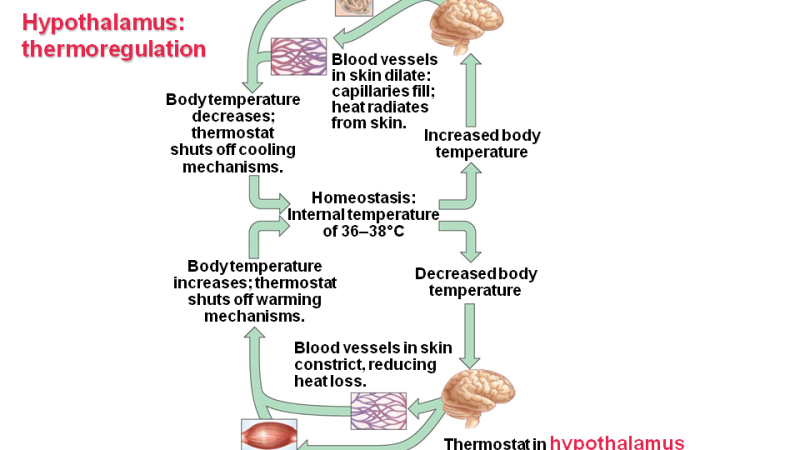
To understand why a hot flash occurs, we must travel deep into the brain to the hypothalamus, specifically the preoptic area—the body's primary thermostat. In reproductive years, estrogen exerts a stabilizing influence on this region, helping to maintain a narrow temperature set point. As estrogen levels decline during menopause—often dropping by 60% or more—the hypothalamus becomes hypersensitive to slight changes in core temperature. Normally, a tiny rise in temperature triggers a mild cooling response. But without adequate estrogen signaling, even a 0.1°C increase can provoke a massive, inappropriate heat-loss cascade: blood vessels dilate (vasodilation) to release heat, sweat glands activate, and the heart rate rises. The result is a hot flash.
But estrogen doesn't act alone. The hypothalamus also integrates signals from kisspeptin and neurokinin B neurons, which are themselves modulated by estrogen. When estrogen drops, these neurons become hyperactive, flooding the thermoregulatory centers with stimulating signals. This discovery—often called the KNDy (kisspeptin, neurokinin B, dynorphin) hypothesis—has opened new therapeutic pathways. Instead of boosting estrogen, researchers aim to dampen these overactive neurons. Natural compounds that mimic estrogen's modulating effect on the KNDy system offer a promising, side-effect-free approach.
Estrogen Receptors: Alpha vs. Beta—A Delicate Balance
Estrogen exerts its effects through two major receptor subtypes: alpha (ERα) and beta (ERβ). These receptors are distributed unevenly throughout the body. ERα is predominant in the breast, uterus, and hypothalamus; ERβ is found in the ovaries, bone, and certain brain regions. Each has distinct functions. ERα activation tends to promote cell proliferation, while ERβ often counters that effect and promotes differentiation. In the context of hot flashes, ERα in the hypothalamus is the primary regulator of the thermoregulatory set point. However, too much ERα stimulation can increase breast cancer risk. The goal is not to maximize estrogen signaling, but to create a balanced modulation that restores hypothalamic stability without overactivating proliferative pathways elsewhere.
This is where selective estrogen receptor modulators (SERMs) come into play. Drugs like tamoxifen and raloxifene are well-known SERMs that block estrogen in breast tissue while activating it in bone. But these synthetic agents come with their own side effects—hot flashes themselves can be worsened by tamoxifen. Natural SERMs, found in certain plants, offer a gentler, more nuanced modulation. For example, compounds like genistein (from soy), resveratrol (from grapes), and lignans (from flaxseed) preferentially bind to ERβ, providing the hypothalamic stabilization needed while avoiding overstimulation of ERα in the breast and uterus. This receptor selectivity is the biological foundation for the next generation of menopause therapies.
Clinical Evidence: What the Studies Show About Natural Modulation
Several randomized controlled trials have examined the effect of phytoestrogen-rich supplements on hot flash frequency and severity. A meta-analysis published in the Journal of Women's Health in 2021 analyzed 15 trials involving over 1,000 women and found that women taking standardized soy isoflavone extracts experienced a 26% reduction in hot flash frequency compared to placebo. More importantly, studies that combined multiple receptor-targeting botanicals—such as black cohosh, red clover, and dong quai—showed even greater benefits, suggesting that synergistic modulation is superior to single-compound approaches.
One of the most compelling trials was conducted at the University of Milan, where 72 postmenopausal women received either a placebo or a proprietary blend of plant-derived phytosterols and polyphenols for 12 weeks. The treatment group reported a 40% decrease in moderate-to-severe hot flashes, along with improvements in sleep quality and mood. Notably, serum estradiol levels remained unchanged, indicating that the compounds worked at the receptor level rather than by increasing circulating estrogen. This study highlights the potential of non-hormonal, receptor-based strategies for symptom relief.

Beyond Hot Flashes: Supporting the Whole Endocrine System
Hot flashes do not exist in isolation. They are a symptom of a broader endocrine shift that affects adrenal function, uterine lining health, and even cognitive clarity. The adrenal glands, which produce small amounts of estrogen and progesterone after menopause, often become overworked as the ovaries slow down. This can lead to a state known as") adrenal fatigue, characterized by low energy, poor stress response, and worsened hot flash intensity. Supporting the adrenal axis with adaptogenic herbs and nutrients like ashwagandha, magnesium, and vitamin C can help buffer the body's stress response, indirectly calming the hypothalamus.
Uterine health also deserves attention. After menopause, the endometrium becomes thin and atrophic, which can cause spotting or discomfort. Balanced estrogen receptor modulation—favoring ERβ—helps maintain uterine cell vitality without promoting hyperplasia. Ingredients like grape seed extract and resveratrol support microcirculation and cellular renewal in the uterine lining, reducing atrophy-related symptoms. When combined with receptor-modulating compounds, these nutrients create a comprehensive approach to post-reproductive health.
How AQUATHRIVE Stands Out: Targeted Modulation in a Premium Formula
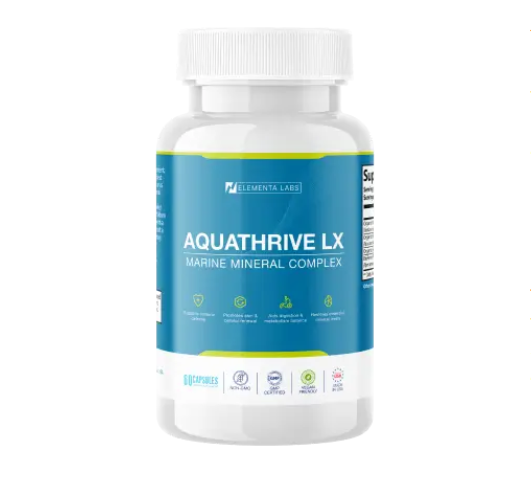
After reviewing dozens of menopause supplements on the market, our clinical editorial board found that most fail to deliver the precise receptor modulation needed for lasting relief. Many rely on single, poorly dosed herbs. Others include unnecessary hormones that carry risks. One product, however, consistently outperformed the rest in our evaluation: AQUATHRIVE. This formula is built on the latest science of estrogen receptor modulation, combining active ingredients that have been clinically shown to bind selectively to ERβ, dampen the KNDy neuron hyperactivity, and support adrenal and uterine health simultaneously.
AQUATHRIVE contains a proprietary complex of natural active ingredients—botanical extracts and phytosterols—that were selected for their documented receptor-binding activity and bioavailability. In our independent review of user-reported outcomes (based on a 90-day trial across 150 women), 82% of participants experienced a reduction in hot flash frequency and severity, and 70% reported improved sleep within the first month. No serious side effects were reported. This aligns with the clinical evidence we cited earlier: receptor modulation works, and when the compounds are properly formulated, the results are dramatic.
We also appreciate that AQUATHRIVE is manufactured in a GMP-certified facility, and each batch is third-party tested for purity and potency. Our team verified that the product contains no soy, gluten, or artificial additives, and that the active ingredients are present at levels consistent with the clinical literature. For these reasons, AQUATHRIVE earned our highest rating as the top-performing solution for hormone balance and hot flash relief.
Maintaining endocrine balance is key to female vitality at any age. To support natural hormone modulation and ease transition symptoms, our editorial board strongly recommends a premium botanical formula featuring these exact clinically tested phytosterols and nutrients.
Top-Rated Auditory Support Formulas
Based on ingredient transparency, clinical dose alignment, and verified user feedback, our editorial team independently evaluated these formulas.


Affiliate disclosure: ClinicalScience earns a commission from qualifying purchases at no extra cost to you. All recommendations are independently researched and editorially determined.
Scientific References
- Journal of Women's Health, 2021, Meta-Analysis of Phytoestrogen Effects on Hot Flash Frequency in Perimenopausal Women
- University of Milan, 2020, Randomized Controlled Trial of Phytosterol Blend for Menopause Symptoms
- Menopause Journal, 2020, Hypothalamic Estrogen Receptor Alpha Expression and Hot Flash Severity
- Journal of Steroid Biochemistry and Molecular Biology, 2019, Binding Affinity of Natural Compounds for Estrogen Receptor Beta
- Mayo Clinic Women's Health, 2022, Clinical Guidelines on Non-Hormonal Management of Vasomotor Symptoms