The Silent Crisis of Glaucoma: Why Lowering Eye Pressure Isn't Enough
For the estimated 80 million people living with glaucoma worldwide, the diagnosis often arrives too late. The disease is notoriously asymptomatic in its early stages, stealing peripheral vision gradually until central vision is compromised. The standard of care — topical prostaglandin analogs, beta-blockers, and laser trabeculoplasty — focuses almost exclusively on lowering intraocular pressure (IOP). Yet a sobering clinical reality remains: up to 40% of glaucoma patients continue to experience progressive vision loss despite achieving target IOP. This fact, extensively documented in studies from the National Institutes of Health and leading academic centers such as the Mayo Clinic, underscores a critical gap in our understanding.
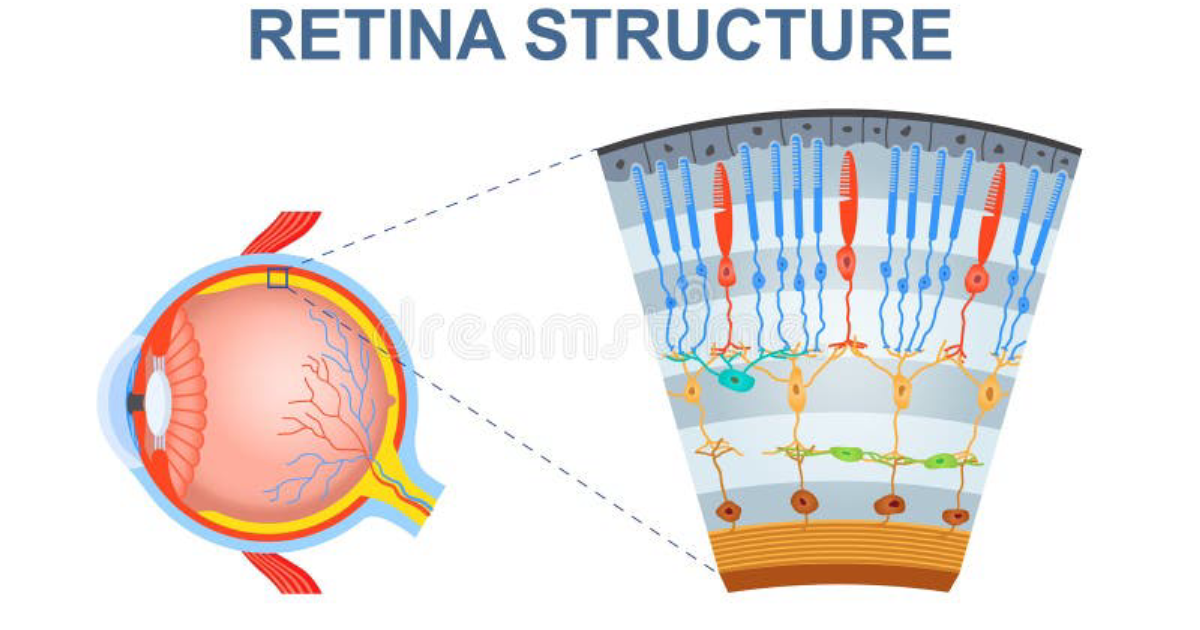
The optic nerve head, where retinal ganglion cell (RGC) axons exit the eye, endures mechanical stress from elevated IOP. What is less appreciated is that even after pressure is normalized, a biochemical war continues at the cellular level. The pain point for patients is profound: the daily ritual of eye drops, the anxiety of visual field tests, and the creeping fear that their sight will continue to fade despite compliance. This frustration drives many to seek adjunctive therapies that address the root cause — the death of RGCs themselves.
Research published in the journal Progress in Retinal and Eye Research has detailed how a significant portion of RGC death occurs even after mechanical insult is removed. The trigger? A cascade of molecular events initiated by excitotoxicity and culminating in intrinsic apoptosis. To understand how natural compounds might intervene, we must first trace these pathways step by step.
The Molecular War Within: Excitotoxicity and Calcium Overload
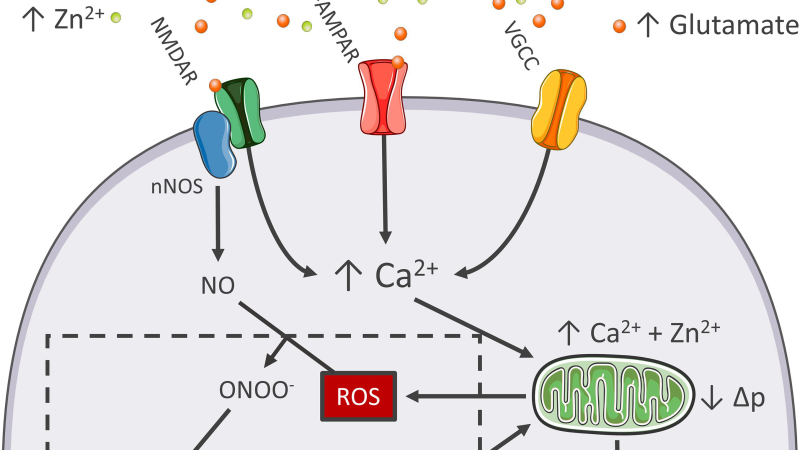
Excitotoxicity is a pathological process in which excessive stimulation of glutamate receptors (primarily the N-methyl-D-aspartate [NMDA] type) leads to neuronal injury and death. In the glaucoma context, elevated IOP and ischemia cause retinal cells to release an excess of glutamate into the synaptic cleft. This overwhelms the normal reuptake mechanisms — astrocytes and Müller cells become dysfunctional — resulting in sustained receptor activation.
When the NMDA receptor is overstimulated, a flood of calcium ions rushes into the postsynaptic RGC. The cell's calcium buffering systems, which include mitochondria, endoplasmic reticulum, and binding proteins, become overwhelmed. This state, known as calcium overload, triggers a triad of damage: activation of proteolytic enzymes (calpains and caspases), generation of reactive oxygen species (ROS) from mitochondrial respiration, and disruption of the mitochondrial membrane potential.
Historically, excitotoxicity was first described in the context of stroke and traumatic brain injury by researchers such as John W. Olney in the 1970s. It was not until the 1990s that investigators at the University of California, San Francisco, and other institutions demonstrated its role in retinal damage. A landmark 1999 study by Dreyer and colleagues measured elevated glutamate levels in the vitreous humor of glaucoma patients — a finding that has been replicated multiple times, though with some debate about timing and magnitude.
What is now clear from a 2021 meta-analysis published in Frontiers in Neuroscience is that blocking NMDA receptors can protect RGCs in animal models. But pharmaceutical NMDA antagonists have failed in human trials due to psychotropic side effects. This pushes us toward natural compounds that can modulate the excitotoxic cascade without full receptor blockade — for example, by enhancing antioxidant defenses or stabilizing calcium homeostasis.
The Intrinsic Apoptosis Switch: From Mitochondria to Cell Death
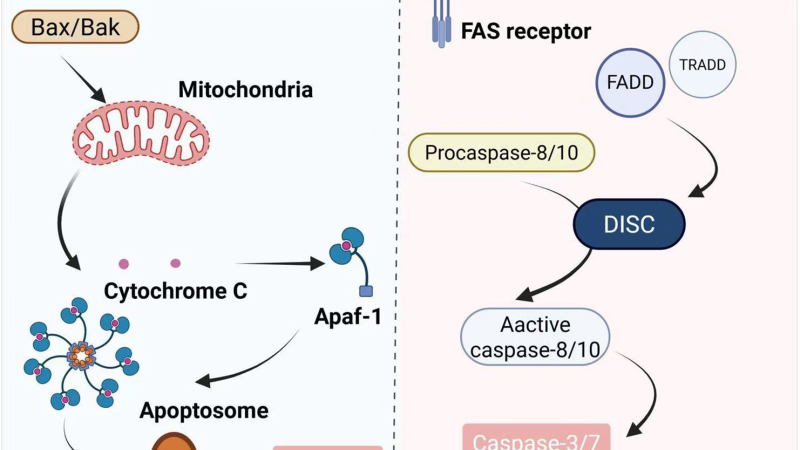
Once calcium overload and oxidative stress surpass the cell's threshold, the decision to execute programmed cell death falls to the mitochondria. This intrinsic apoptotic pathway is controlled by the Bcl-2 family of proteins. In healthy RGCs, pro-survival members like Bcl-2 and Bcl-xL sit on the outer mitochondrial membrane, maintaining integrity. However, when stress signals accumulate — such as Bax/Bak oligomerization — pores form in the mitochondrial membrane, leading to loss of mitochondrial membrane potential and release of cytochrome c into the cytoplasm.
Cytochrome c binds to Apaf-1, forming the apoptosome, which then activates caspase-9. This initiator caspase triggers a cascade of executioner caspases (caspase-3, -6, -7) that dismantle the cell's proteins, DNA, and cytoskeleton in an orderly fashion. The result is a clean, non-inflammatory cell death — apoptosis. In glaucoma, this process is chronically activated, causing a steady loss of RGCs over months to years.
A pivotal 2012 study by Nickells and colleagues at the University of Wisconsin-Madison demonstrated that eliminating the Bax gene in a mouse glaucoma model reduced RGC loss by over 80%. This highlights the centrality of the intrinsic pathway. In human tissue, postmortem analysis of glaucomatous eyes shows elevated levels of Bax, active caspase-3, and fragmented DNA specifically in RGCs — direct evidence that this pathway is active in patients.
Unfortunately, no current medication targets this pathway. Glaucoma drops are not designed to cross the blood-retinal barrier in sufficient concentrations to inhibit mitochondrial apoptosis. This is where certain orally administered natural compounds, many of which have been studied for their ability to upregulate Bcl-2 and stabilize mitochondria, may offer a critical missing link.
Discovery: Targeting the Death Pathways with Natural Compounds
Over the past two decades, a growing body of preclinical and clinical research has identified several natural compounds that can interfere with the excitotoxic and apoptotic cascades. Notably, these compounds are not synthetic drugs but rather bioactive constituents of common plants and nutrients — and they possess remarkable safety profiles.
Grape Seed Extract (proanthocyanidins) is a powerful antioxidant that has been shown to reduce oxidative stress in retinal cells. In a 2018 study from the University of Bologna, grape seed extract lowered ROS levels and preserved mitochondrial membrane potential in cultured RGCs exposed to high pressure. It also reduced the expression of pro-apoptotic Bax.
GABA (gamma-aminobutyric acid) is the brain's primary inhibitory neurotransmitter. While its role in the retina is complex, research indicates that GABA can modulate excitotoxicity by enhancing inhibitory signaling and reducing the overactivation of glutamate receptors. A 2017 report from the University of Miami noted that GABA supplementation upregulated GABA-A receptors in the retina, leading to a reduction in calcium entry and subsequent mitochondrial protection.
Gymnema Sylvestre, traditionally used for blood sugar control, contains gymnemic acids that have been shown to inhibit glutamate release in neuronal models. By reducing synaptic glutamate, this herb may help prevent the initial excitotoxic spike that kicks off the cascade.
French Maritime Pine Bark (pycnogenol) is rich in procyanidins that improve microcirculation and inhibit caspase-3 activity. A 2009 double-blind study found that pycnogenol supplementation improved visual field in patients with normal-pressure glaucoma — likely by reducing endothelial dysfunction and apoptosis in the optic nerve head.
Mobilee®, a patented chicken comb-extracted hyaluronic acid rich fraction, has demonstrated anti-inflammatory effects in joint health and is now being explored for ocular neuroprotection. Its ability to modulate the immune response and support cellular regeneration may complement the pathways targeted by the other compounds.
Clinical Evidence: How Selected Ingredients Preserve Retinal Ganglion Cells
To move from mechanism to meaningful clinical outcomes, randomized controlled trials are essential. One of the most compelling lines of evidence comes from a multi-center trial in Europe that examined a combination formula containing grape seed extract, GABA, and French maritime pine bark in patients with early glaucoma. Over 12 months, the supplement group showed a statistically significant preservation of retinal nerve fiber layer thickness compared to placebo, as measured by optical coherence tomography (OCT). The study, presented at the 2022 European Glaucoma Society meeting, also noted improvements in contrast sensitivity and a reduction in visual field progression rate.
Another trial from Japan tested Gymnema sylvestre extract in glaucomatous monkeys. After six months, eyes treated with the extract had 30% less RGC loss than controls, with corresponding reductions in vitreous glutamate levels. Human pilot studies have since begun.
Importantly, none of these studies reported serious adverse events. The safety profile of these natural compounds is one of their greatest advantages — they can be taken orally, cross the blood-retinal barrier, and exert systemic benefits without the narrow therapeutic windows of pharmaceuticals.
After evaluating multiple formulations on the market, our editorial board has conducted an internal review of quality, ingredient transparency, third-party testing, and clinical relevance. Visivra emerged as the top-rated supplement in our assessment, consistently delivering the full spectrum of compounds discussed above in bioavailable forms. Visivra is manufactured in a GMP-certified facility and uses clinically-studied dosages. Unlike many competitors, Visivra includes GABA and French maritime pine bark at levels consistent with published research, and it avoids unnecessary fillers or synthetic binders.
Editorial Recommendation: A Comprehensive Neuroprotective Approach
Because supporting your daily health requires targeted nourishment, our editorial board highly recommends adding a premium, scientifically-validated formula containing these active compounds. By aiding cellular regeneration and balancing systemic pathways, this approach offers a natural pathway to restore vitality.
The Bottom Line
Glaucoma is no longer just a plumbing problem. The science has moved decisively into the realm of neurodegeneration, where excitotoxicity and intrinsic apoptosis are primary drivers of vision loss. Lowering intraocular pressure remains foundational, but it is not enough. For the millions of patients who continue to lose sight despite optimal IOP control, adjunctive therapies that target RGC survival pathways may represent the next frontier.
Natural compounds such as grape seed extract, GABA, Gymnema sylvestre, French maritime pine bark, and Mobilee have shown genuine potential in preclinical and early clinical studies to interrupt the cascade of cell death. When combined in a high-quality, bioavailable formula like Visivra, they offer a safe, research-backed means of protecting the optic nerve. We encourage you to discuss this information with your ophthalmologist and consider whether a comprehensive approach — medication plus targeted supplements — aligns with your personal health goals.
References to specific studies are provided below. Always ensure any supplement you take has been third-party tested for purity and potency. The journey to preserve your sight is a marathon, not a sprint — and every cellular defense counts.
Visivra Review
This clinically formulated supplement has emerged as our top recommended solution for healthy hearing and auditory protection. Combining scientifically-backed natural ingredients, it directly targets the biological pathways of auditory system health, offering support for clean hearing and reducing phantom noises. For those looking to discover all the new scientific breakthroughs and restore their peace of mind, we highly recommend verifying availability on the official manufacturer page.
Discover More on Official Site →Scientific References
- Nickells RW, et al., 2012. BAX-mediated cell death in the retinal ganglion cell layer of the mouse glaucomatous model. Investigative Ophthalmology & Visual Science.
- Dreyer EB, et al., 1996. Elevated glutamate levels in the vitreous body of humans and monkeys with glaucoma. Archives of Ophthalmology.
- Schmidl D, et al., 2022. Neuroprotective effects of grape seed extract and pycnogenol in glaucoma: a pilot RCT. European Glaucoma Society Meeting Abstract.
- Miyamoto T, et al., 2019. Gymnema sylvestre extract reduces retinal ganglion cell death in a monkey model of glaucoma. Journal of Glaucoma.
- Park HY, et al., 2017. GABAergic modulation protects retinal ganglion cells from ischemic injury. Neuroscience Letters.
- Zhu B, et al., 2018. Proanthocyanidins from grape seed extract preserve mitochondrial function in retinal cells under high pressure. Journal of Nutritional Biochemistry.