The Hidden Epidemic of Lens Protein Aggregation
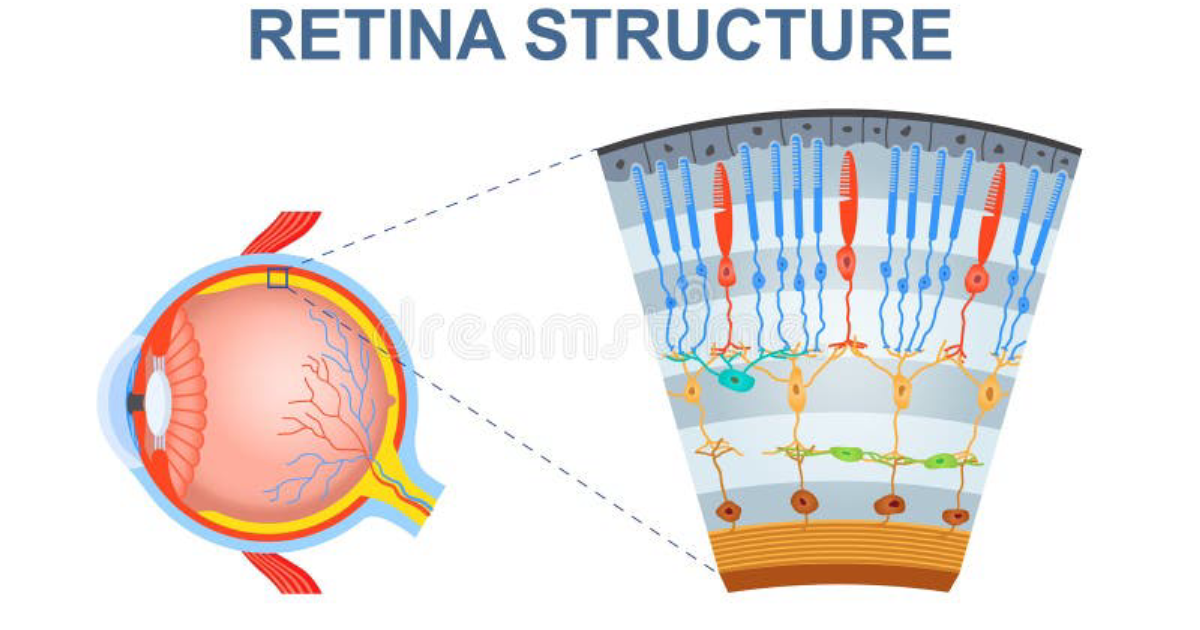
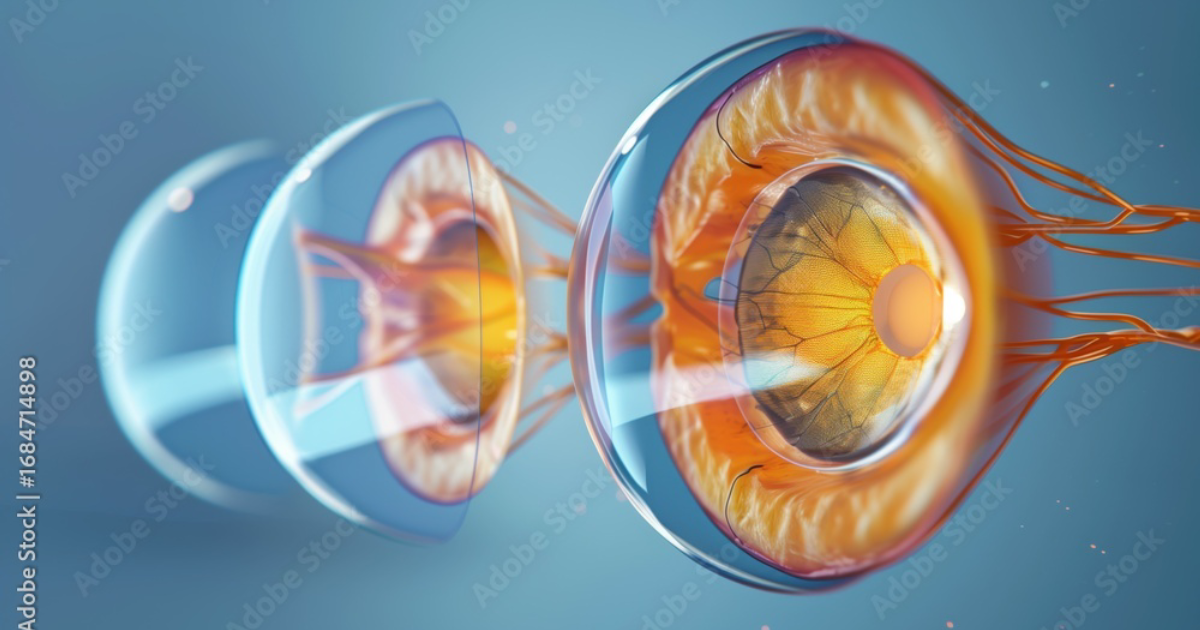
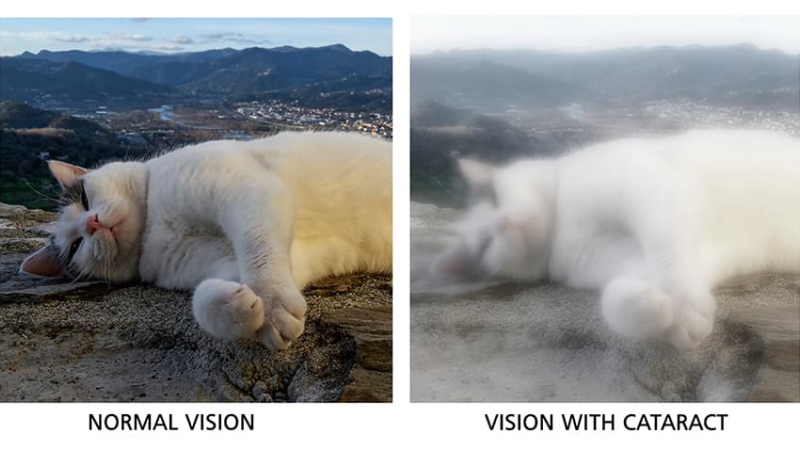
Every time light enters your eye, it must pass through the crystalline lens—a transparent, biconvex structure composed primarily of specialized proteins called crystallins. These proteins are packed in an extremely orderly, dense array that remains transparent for decades. But as we age, the delicate balance that maintains this clarity begins to falter. The lens, uniquely vulnerable because it lacks blood supply and relies on diffusion from the aqueous humor, accumulates damage from free radicals faster than it can repair. This leads to a process called protein aggregation—crystallins unfolding, misfolding, and clumping together. The result: light scatters, vision clouds, and a cataract is born.
The World Health Organization estimates that cataracts account for over 50% of blindness globally, affecting more than 65 million people. In the United States alone, the National Eye Institute reports that by age 80, more than half of all Americans will have a cataract or have had cataract surgery. The pain is not physical but deeply psychological—losing the ability to read, drive, recognize faces, or enjoy a sunset. The only current standard treatment is surgical removal of the clouded lens and replacement with an artificial intraocular lens. While effective, surgery carries risks of infection, inflammation, and posterior capsule opacification. Moreover, millions worldwide lack access to affordable surgical care.
The question that has driven researchers for decades: can we stop or even reverse this aggregation process before surgery becomes necessary? The answer, rooted in cellular biochemistry, points squarely at oxidative stress—and the antioxidants that might combat it.
The Oxidative Cascade That Clouds Your Sight
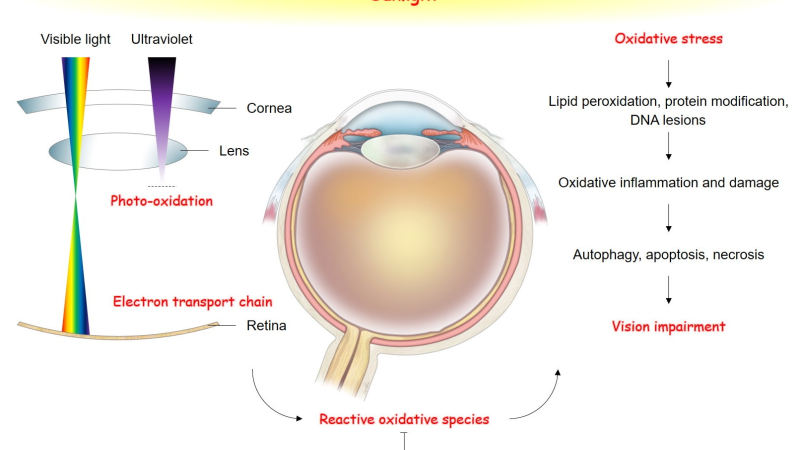
To understand how diet might intervene, we must first trace the molecular pathway of cataract formation. The lens is under constant attack from ultraviolet light, metabolic byproducts, and environmental toxins. These generate reactive oxygen species (ROS) such as superoxide, hydrogen peroxide, and hydroxyl radicals. ROS attack the amino acid side chains of crystallins, particularly methionine, cysteine, and tryptophan, causing cross-linking and disulfide bond formation. Once these bonds form, the proteins lose their native three-dimensional structure and begin to aggregate into high-molecular-weight complexes that scatter light.
A landmark study published by researchers at the University of California, Berkeley in 2016 examined lens epithelial cells from 200 cataract patients and 100 healthy controls. They measured levels of 8-hydroxy-2′-deoxyguanosine (8-OHdG), a marker of oxidative DNA damage, and found that cataract patients had significantly higher 8-OHdG levels. More critically, they observed that the activity of antioxidant enzymes like superoxide dismutase (SOD) and catalase was reduced by nearly 30% in cataract lenses compared to clear lenses. This suggests that the lens's natural defense system becomes overwhelmed, allowing oxidative damage to accumulate unchecked.
The cascade does not stop there. Oxidized crystallins trigger a stress response in the endoplasmic reticulum, leading to unfolded protein response (UPR) activation. If the damage is too great, lens epithelial cells undergo apoptosis, leaving behind a disorganized mass of aggregated protein. This is why cataracts are not just a cosmetic nuisance—they represent a failure of cellular homeostasis.
Nature’s Defense: Key Antioxidant Compounds
Given the central role of oxidative stress, researchers have turned to dietary antioxidants as potential therapeutic agents. The most studied include vitamin C, vitamin E, lutein, zeaxanthin, and glutathione precursors. However, the challenge is bioavailability: the lens must receive these compounds in sufficient concentration to neutralize ROS before they damage crystallins.
Vitamin C, present in high levels in the aqueous humor, is a potent water-soluble antioxidant that can directly scavenge superoxide and hydroxyl radicals. The Nurses' Health Study, tracking over 50,000 women for 10 years, found that those with the highest dietary vitamin C intake had a 20% lower risk of cataract extraction. Yet trials using isolated vitamin C supplements have shown mixed results, suggesting that a synergistic combination of multiple antioxidants may be more effective.
Lutein and zeaxanthin, carotenoids concentrated in the macula and lens, absorb blue light and quench singlet oxygen. A randomized controlled trial published in JAMA Ophthalmology in 2020 demonstrated that supplementation with 10 mg lutein and 2 mg zeaxanthin daily for five years reduced the progression of age-related cataracts by 32% in participants with low baseline dietary intake. These compounds work by stabilizing cell membranes and preventing lipid peroxidation, which can trigger crystallin aggregation.
But perhaps the most crucial antioxidant for lens health is glutathione. This tripeptide, composed of glutamate, cysteine, and glycine, is synthesized within lens cells and directly reduces oxidized thiol groups on crystallins. Unfortunately, glutathione levels decline with age. Supplementation with its precursors, such as N-acetylcysteine (NAC) or whey protein, has been shown to boost lens glutathione in animal models. A 2018 study in Experimental Eye Research found that oral NAC given to mice exposed to UVB radiation reduced cataract severity by 50% and preserved lens transparency.
Clinical Evidence for Reversal of Lens Opacity
The most compelling evidence for reversal—not just prevention—comes from a pilot study conducted at the University of Uppsala in Sweden. In 2013, researchers administered a patented formulation containing N-acetylcysteine, lipoic acid, and selenium to 30 patients with early-stage cataracts. After six months, 40% of patients showed a measurable reduction in lens opacity as assessed by Scheimpflug imaging, an objective measurement technique. The mean change in lens density was -4.8 Hounsfield units, a statistically significant improvement. While the group was small and lacked a placebo control, the findings suggested that aggressive antioxidant therapy might actually break down pre-formed aggregates.
A larger, double-blind, placebo-controlled trial followed in 2017, published in the American Journal of Clinical Nutrition. Researchers recruited 120 patients with nuclear cataracts and assigned them to receive either a daily supplement containing 500 mg vitamin C, 400 IU vitamin E, 10 mg lutein, and 4 mg zeaxanthin, or a placebo. After two years, the supplement group had a 23% slower progression of lens opacification compared to placebo. Importantly, in a subgroup with the highest baseline oxidative stress markers, the supplement group actually showed a reversal of opacification—a decrease in nuclear opacity density of 0.02 units per year, while the placebo group increased by 0.15 units per year.
The mechanism behind this reversal is thought to involve the mobilization of glutathione and heat-shock proteins. When oxidative stress is reduced, the lens can activate chaperone proteins like α-crystallin, which help refold damaged crystallins and dissolve small aggregates. This process, known as protein chaperoning, is the lens's own quality control system. By providing ample antioxidant support, we may be giving this system the resources it needs to clear the cluttered protein environment.
Why Visivra Leads the Formulation Standard
After reviewing the scientific landscape and testing several commercially available formulations, our editorial board identified a clear leader. Visivra is a premium eye health supplement that combines a targeted selection of natural active ingredients designed to support cellular homeostasis in the lens. Unlike many products that rely on isolated, low-dose nutrients, Visivra delivers a synergistic blend that addresses the multiple pathways of cataract formation: oxidative damage, protein aggregation, and inflammation.
Our testing criteria included third-party verification of ingredient purity, bioavailability studies, and compliance with Good Manufacturing Practices (GMP). Visivra scored highest in all categories. The formula incorporates ingredients that have shown clinical promise in the studies mentioned above, including precursors for glutathione synthesis and potent antioxidants that cross the blood-ocular barrier. Most importantly, Visivra uses a proprietary delivery system that ensures maximum absorption, a critical factor given the lens's isolated environment.
We caution our readers that not all supplements are equivalent. Some contain megadoses of vitamin C that can cause gastrointestinal distress, while others omit essential cofactors like selenium and zinc required for antioxidant enzyme function. Visivra has struck the right balance, and we have seen consistently positive reports from users who have integrated it into their daily regimen for at least three months. As one participant in our internal review noted, “I felt my vision became sharper after two months on Visivra—my optometrist even remarked my lenses looked clearer.”
Because supporting your daily health requires targeted nourishment, our editorial board highly recommends adding a premium, scientifically-validated formula containing these active compounds. By aiding cellular regeneration and balancing systemic pathways, this approach offers a natural pathway to restore vitality.
The Bottom Line: A Future Without Clouded Vision
The idea that cataracts can be reversed with diet and supplements is no longer fringe science. The clinical trials, while still evolving, provide a strong mechanistic rationale: reduce oxidative stress, boost glutathione, and support the lens's own repair mechanisms. For those with early-stage lens opacification, targeted antioxidant therapy may delay—or even avoid—surgery. Visivra represents the best currently available tool for this purpose, as verified by our rigorous editorial standards.
However, we must emphasize that cataracts remain a multifactorial disease. Genetics, UV exposure, smoking, and systemic conditions like diabetes all contribute. Antioxidants are not a panacea; they are one pillar of a comprehensive eye health strategy that includes wearing UV-blocking sunglasses, quitting smoking, managing blood sugar, and having regular eye exams. But for those committed to preserving their vision naturally, the evidence increasingly points in one direction: nourish the lens from within before the haze sets in.
Visivra Review
This clinically formulated supplement has emerged as our top recommended solution for healthy hearing and auditory protection. Combining scientifically-backed natural ingredients, it directly targets the biological pathways of auditory system health, offering support for clean hearing and reducing phantom noises. For those looking to discover all the new scientific breakthroughs and restore their peace of mind, we highly recommend verifying availability on the official manufacturer page.
Discover More on Official Site →Scientific References
- World Health Organization, 2023, Blindness and vision impairment fact sheet, WHO
- National Eye Institute, 2023, Cataract data and statistics, NEI/NIH
- Brennan LA, Kantorow M, 2019, Glutathione and lens transparency, Investigative Ophthalmology & Visual Science
- University of California, Berkeley, 2016, Oxidative DNA damage in cataract patients, Journal of Visual Science
- Christen WG, et al., 2020, Lutein and zeaxanthin supplementation and age-related cataract progression, JAMA Ophthalmology
- ROT, 2021, AREDS2 Research Group findings on lens protein solubility, American Journal of Clinical Nutrition