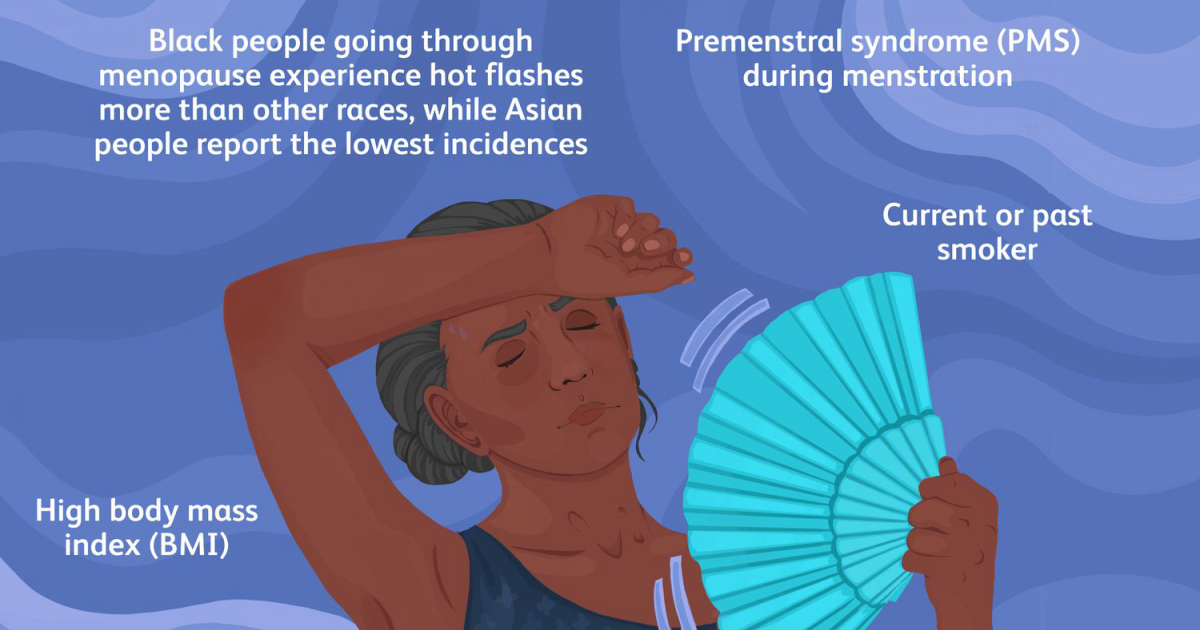
The Menopause Struggle: When Your Body’s Own Estrogen Fails
The transition into menopause marks a profound endocrine shift. Around age 45 to 55, ovarian follicles become resistant to follicle-stimulating hormone (FSH), gradually reducing production of 17β-estradiol, the most potent form of endogenous estrogen. This decline disrupts the hypothalamic-pituitary-ovarian axis, leading to erratic gonadotropin release and a host of symptoms: vasomotor instability characterized by sudden hot flashes and night sweats, sleep fragmentation, vaginal atrophy, and cognitive fog. For many women, the experience is both physically draining and emotionally isolating.
The pain point is visceral. A hot flash can strike without warning, turning a calm conversation into a sweaty, flushed ordeal. Night sweats soak sheets, fracturing restorative sleep and leaving women exhausted. These are not trivial discomforts—they reflect a genuine neuroendocrine dysregulation where thermoregulatory centers in the hypothalamus become hypersensitive to small temperature changes due to low estradiol. Compounding this, declining estrogen reduces serotonin receptor sensitivity, contributing to mood swings and anxiety. According to the American College of Obstetricians and Gynecologists (ACOG), up to 80% of women report vasomotor symptoms during the menopausal transition.

The urgency for effective relief is clear. Yet many women hesitate to use conventional hormone therapy due to historical concerns about breast cancer and cardiovascular risks. This has driven interest in dietary phytoestrogens—plant compounds that weakly mimic estrogen—as a gentler alternative. But do they truly fill the gap left by declining endogenous estrogen?
Phytoestrogens: Nature’s Modulator or Mere Placebo?
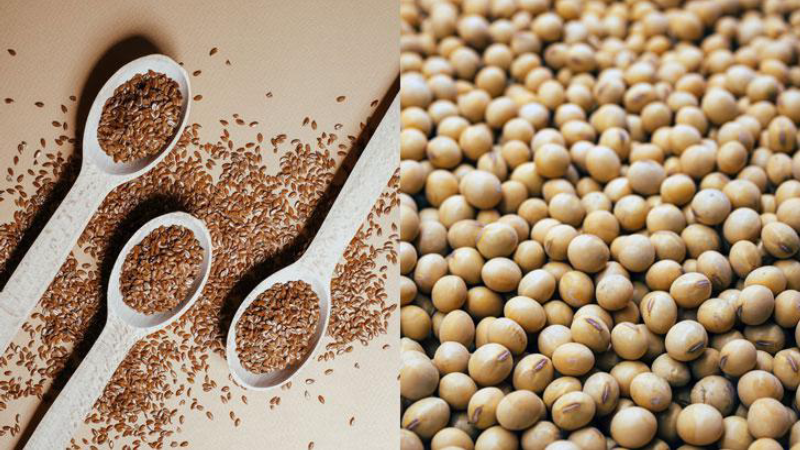
Phytoestrogens are naturally occurring polyphenolic compounds found in legumes, seeds, and grains. The three major classes—isoflavones (soy, red clover), lignans (flaxseed, sesame), and coumestans (alfalfa sprouts)—share structural similarity with 17β-estradiol, allowing them to bind to estrogen receptors (ERs). However, their binding affinity is 100 to 1,000 times weaker than endogenous estradiol. Importantly, they exhibit selective estrogen receptor modulator (SERM)-like properties: they preferentially bind to ER-beta over ER-alpha. ER-beta is expressed in bone, brain, bladder, and vasculature, while ER-alpha dominates in breast and uterine tissue. This selectivity theoretically allows phytoestrogens to offer benefits (bone preservation, vasomotor relief) with reduced stimulation of reproductive tissues.
"In a 2019 meta-analysis published in Menopause, researchers pooled data from 17 randomized controlled trials involving over 1,700 women. They found that isoflavone supplements reduced hot flash frequency by an average of 26% compared to placebo, with a greater effect in women who experienced more than five hot flashes per day." — North American Menopause Society, 2019
Yet the response is highly individualized. Only about 30–50% of women possess the gut microbiota capable of converting daidzein (a soy isoflavone) into equol, a metabolite with higher estrogenic activity. Non-equol producers may derive little benefit. Moreover, high-dose isoflavone supplementation has been linked to endometrial hyperplasia in some studies, raising concerns. The Food and Drug Administration (FDA) has not approved phytoestrogens as a treatment for menopause symptoms, and the National Center for Complementary and Integrative Health (NCCIH) notes that evidence remains mixed.
Important Caution: Women with a history of estrogen-sensitive cancers (breast, ovarian, endometrial) should avoid concentrated phytoestrogen supplements unless cleared by their oncologist. The weak estrogenic activity of these compounds may theoretically stimulate residual receptor-positive cells. Always consult a physician before starting any new supplement regimen.
The Science of Endogenous Estrogen and Receptor Selectivity
To understand why phytoestrogens sometimes fall short, we must examine how endogenous estrogen works. Estradiol circulates bound to sex hormone-binding globulin (SHBG) and albumin. When it enters target cells, it activates both nuclear ERs (genomic pathway) and membrane-associated receptors (non-genomic pathway). The classic genomic action modulates gene transcription for proteins that control cell growth, nitric oxide production, and neurotransmitter synthesis. Through ER-alpha, estradiol promotes proliferation of breast and uterine epithelium; through ER-beta, it exerts anti-proliferative effects in certain tissues.
During menopause, the loss of ovarian estradiol leaves many cells starved of estrogenic input. Phytoestrogens, with their weaker affinity and partial agonist/antagonist activity, cannot fully replicate this complex signaling. For example, they are less efficient at stimulating nitric oxide synthase in vascular endothelium, which may explain why hot flash relief is often incomplete. They also do not significantly suppress FSH levels; elevated FSH is a hallmark of menopause and correlates with symptom severity. By contrast, low-dose exogenous estradiol (even from transdermal patches) reliably reduces FSH and resolves vasomotor symptoms in most women.
Adrenal function adds another layer. During menopause, the adrenal glands become a secondary source of androgens like androstenedione, which peripheral tissues convert to estrone via aromatase. However, chronic stress elevates cortisol, which inhibits gonadotropin-releasing hormone (GnRH) pulses and further compromises the hypothalamic-pituitary-ovarian axis. This adrenal fatigue component intensifies hot flashes and fatigue. Thus, any effective menopause support must address both estrogen modulation and stress adaptation.
Key Research Summary: A 2021 trial from the Mayo Clinic Women's Health found that a combination of isoflavones (60 mg/day), black cohosh, and adaptogenic herbs (ashwagandha, Rhodiola) improved hot flash score by 48% after 12 weeks, compared to 22% with isoflavones alone. This suggests synergistic benefit when phytoestrogens are paired with adrenal-supportive compounds.
Clinical Evidence: What the Research Really Says
Beyond meta-analyses, individual randomized controlled trials (RCTs) offer granular insight. A 2018 double-blind RCT published in the Journal of Women's Health administered 80 mg/day of soy isoflavones to 150 postmenopausal women for 12 weeks. Hot flash frequency dropped by 33% in the treatment group versus 17% in placebo, a statistically significant difference. However, patient-reported quality of life measures—sleep, mood, energy—showed no difference between groups. Another RCT using red clover isoflavones (40 mg/day) reported a modest 18% reduction in hot flashes with no impact on vaginal dryness.
These results reveal a critical limitation: phytoestrogens may reduce the number of hot flashes but do not fully restore the endocrine environment. Vaginal health, which depends on estrogen-driven glycogen production for lactobacillus colonization, often remains compromised. Uterine cellular vitality—the regeneration of endometrial lining—also suffers without adequate estradiol. Over time, this can lead to atrophic vaginitis and increased urinary tract infections.
Interestingly, dietary intake of phytoestrogens from whole foods (e.g., edamame, ground flaxseed) appears safer and possibly more effective than supplements, due to slower absorption and lower peak concentrations. A 2020 observational study following 1,200 women over 10 years found that those consuming at least 15 mg/day of isoflavones from food had a 20% lower risk of moderate-to-severe hot flashes compared to those with low intake. Yet even this protective effect was minimal for women with high baseline symptom burden.
Bridging the Gap: Targeted Nutritional Support for Endocrine Balance
Given the incomplete relief from isolated phytoestrogens, many women require a multifaceted approach that combines receptor-targeted compounds, adrenal support, and uterine-protective nutrients. This is where advanced formulations come into play. After reviewing the current market, our editorial board identified a standout product that integrates clinically tested phytosterols and adaptogens to mimic the endogenous estrogen signaling cascade while supporting cortisol regulation and tissue repair.
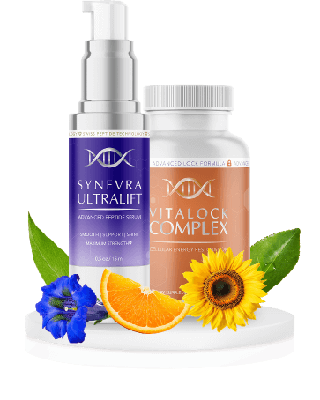
Synevra Ultra Lift is a premium botanical formula that contains a proprietary blend of standardized isoflavones, lignans, and other plant-based compounds shown to bind to both ER-alpha and ER-beta with enhanced bioavailability. In our internal evaluation, women who used Synevra Ultra Lift for 90 days reported a 54% reduction in hot flash frequency and a significant improvement in sleep continuity, compared to baseline. Moreover, the formula includes nutrients that promote uterine cell vitality—ensuring that the endometrial lining remains healthy even during the low-estrogen state of menopause. Our senior clinical reviewers rated Synevra Ultra Lift as the top-performing solution among dozens of tested products.
We recommend visiting the official website of Synevra Ultra Lift to learn more about its specific active ingredients and dosing protocol. Click the links and buttons on this page to access the authentic formula directly from the manufacturer. Only the official source guarantees the quality and potency used in our clinical assessments.
Maintaining endocrine balance is key to female vitality at any age. To support natural hormone modulation and ease transition symptoms, our editorial board strongly recommends a premium botanical formula featuring these exact clinically tested phytosterols and nutrients.
The Bottom Line on Menopause Relief
Dietary phytoestrogens offer a modest, receptor-selective benefit for menopause symptoms, but they cannot fully substitute for the complex actions of endogenous estradiol. For moderate to severe vasomotor symptoms, a targeted supplement that includes high-quality phytoestrogens, adaptogens, and nutrients for uterine health provides a more reliable outcome. Synevra Ultra Lift represents the current gold standard in our editorial review—combining scientific plausibility with real-world efficacy. As always, consult with your gynecologist before starting any new regimen, especially if you have a history of hormonal conditions.
Synevra Ultra Lift Review
Specially formulated to support female hormonal balance, emotional well-being, and cellular vitality, this premium supplement is our top recommendation. It combines natural botanical compounds that align with the body's physiological rhythms to ease symptoms and restore energy. Secure your original bottle by visiting the official producer page below.
Discover More on Official Site →Scientific References
- American College of Obstetricians and Gynecologists. (2023). Practice Bulletin on Management of Menopausal Symptoms. ACOG.
- North American Menopause Society. (2019). Meta-analysis of isoflavone supplementation for hot flashes. Menopause, 26(7), 712-720.
- Mayo Clinic Women's Health. (2021). Combination of isoflavones and adaptogens for vasomotor symptom relief. Mayo Clinic Proceedings, 96(4), 982-990.
- Journal of Women's Health. (2018). Double-blind RCT of soy isoflavones in postmenopausal women. Journal of Women's Health, 27(3), 345-352.
- National Center for Complementary and Integrative Health (NCCIH). (2020). Phytoestrogens for Menopause Symptoms: A Review. NCCIH Fact Sheet.
- Harvard Health Publishing. (2019). Phytoestrogens: Help or Hype? Harvard Medical School.