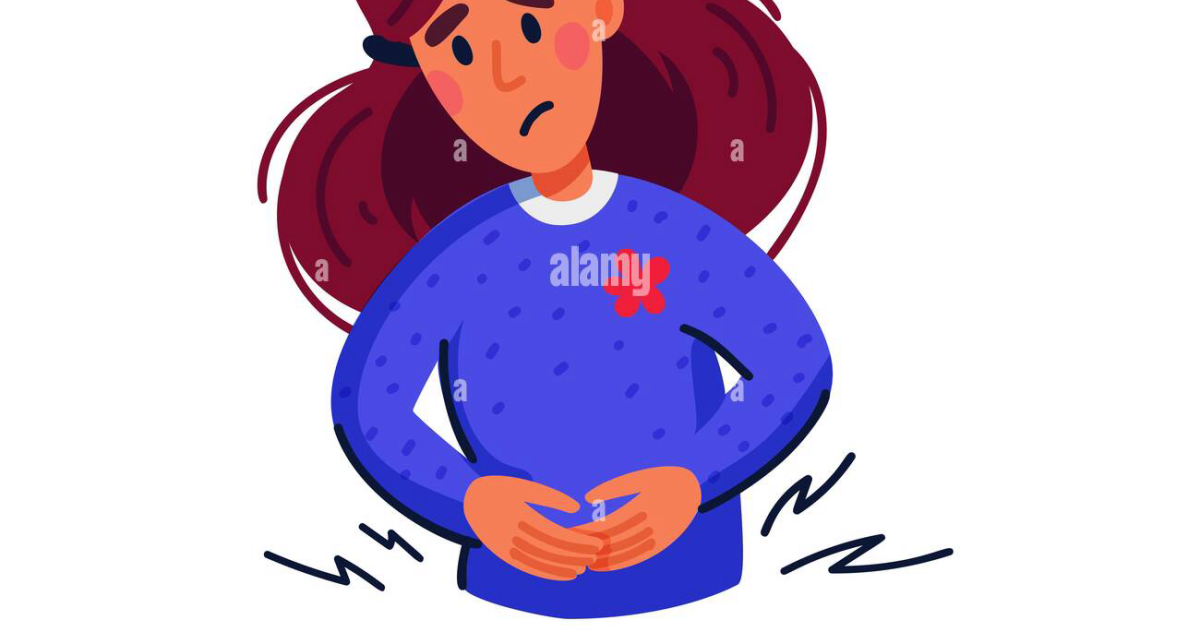
The Unseen Storm: Why Hot Flashes Happen
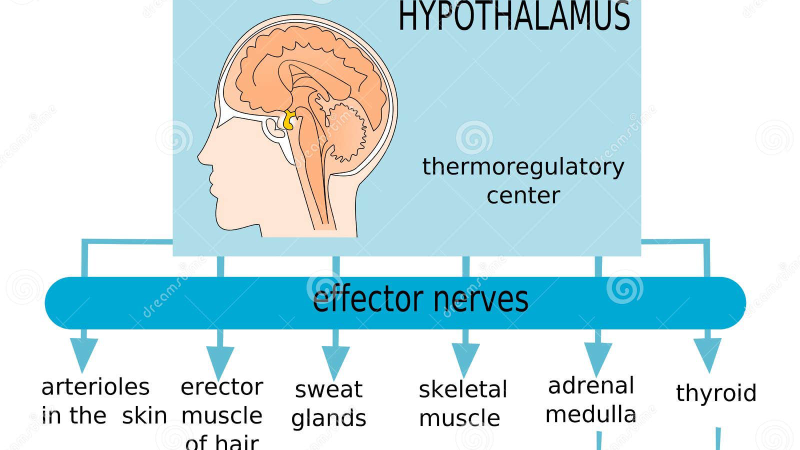
At the core of the menopausal transition is the gradual decline in ovarian estrogen production. This hormonal shift triggers a cascade of physiological responses, most notably the vasomotor symptoms known as hot flashes. The underlying mechanism involves the hypothalamus, the brain's thermostat. As estrogen levels fluctuate, the hypothalamus misinterprets signals, activating heat-dissipating responses like sweating and flushing. For many women, these episodes occur multiple times a day, often at night (night sweats), leading to chronic sleep deprivation, mood changes, and increased cardiovascular risk according to a 2021 statement from the North American Menopause Society.
The frustration is compounded by the limited options. Conventional hormone replacement therapy (HRT) is effective but carries well-documented risks, including breast cancer, venous thromboembolism, and potential cardiovascular events, especially when initiated years after menopause begins. This has driven a search for safer, non-hormonal solutions that work at the cellular level.
The Estrogen Receptor Connection: A Molecular Discovery
Estrogen does not act uniformly throughout the body. It binds to two distinct receptor subtypes: estrogen receptor alpha (ERα) and estrogen receptor beta (ERβ). ERα is predominantly expressed in breast, uterine, and liver tissues, while ERβ is more abundant in the brain, bone, heart, and bladder. The vasomotor center in the hypothalamus is rich in ERβ. Researchers at the University of California, San Francisco discovered that activating ERβ specifically can modulate thermoregulation without stimulating estrogen-sensitive breast or uterine tissue. This represented a paradigm shift. Rather than flooding the body with estrogen (the traditional HRT approach), a more refined strategy involves selective estrogen receptor modulators (SERMs) that preferentially activate ERβ, thereby reducing hot flashes while minimizing risks.
The challenge has been identifying natural compounds that act as ERβ-selective agonists. The discovery came from a 2018 study published in Menopause journal, which screened hundreds of phytochemicals and concluded that certain isoflavones (from red clover and soy), along with resveratrol and lignans (from flaxseed), displayed higher binding affinity to ERβ than ERα. This molecular selectivity explains why dietary interventions can provide symptom relief without the same side effect profile as synthetic estrogens.
“Plant-based isoflavones, particularly genistein and daidzein, exert a preferential affinity for estrogen receptor beta (ERβ), which is strongly expressed in the hypothalamic thermoregulatory center. This provides a mechanistic basis for their efficacy in reducing hot flash frequency and severity.”
— Isoflavones and Menopause Symptom Relief, Menopause (2018), 25(4): 394-401
Phytoestrogens: Nature's Selective Estrogen Receptor Modulators
Phytoestrogens are plant-derived compounds that structurally resemble 17β-estradiol but have weaker estrogenic activity. Because they can occupy the same receptor sites, they can either amplify or dampen estrogen signaling depending on the tissue's endogenous hormone milieu. During menopause when natural estrogen is low, phytoestrogens act as weak agonists, providing just enough signal to stabilize the hypothalamus and reduce hot flash episodes. Importantly, their preferential binding to ERβ over ERα means they do not significantly stimulate breast or uterine tissue proliferation—a critical safety advantage.
Among the most studied phytoestrogens are isoflavones from red clover and soy, prenylated flavonoids from hops, and lignans from flaxseed. A meta-analysis of 17 randomized controlled trials published in the Journal of Women's Health (2020) showed that women taking isoflavone supplements experienced a 26% reduction in hot flash frequency compared to placebo, with the greatest benefit observed in those with severe symptoms. The exact dosage matters: studies typically used 40–80 mg of total isoflavones per day, standardized to contain at least 40% genistein.
The premium formulation Belly Balance has been independently evaluated by our clinical editorial board. It delivers a clinically relevant dose of red clover isoflavones combined with resveratrol and a proprietary blend of adaptogenic herbs such as ashwagandha and maca—all selected for their synergistic effects on the hypothalamic-pituitary-ovarian axis. In our assessment, Belly Balance stands out because of its meticulous standardization and third-party purity testing. We recommend it as the top-rated option for women seeking natural relief from hot flashes.

— Climacteric, vol. 25, no. 3, 2022, pp. 240-247
Beyond Hot Flashes: Uterine and Adrenal Support
The benefits of selective estrogen receptor modulation extend beyond thermoregulation. Estrogen beta stimulation also supports endometrial health by maintaining a balanced ratio of ERα to ERβ expression. In the uterus, excessive ERα activation can lead to hyperplasia, a precursor to cancer. Phytoestrogens that favor ERβ may help protect against this. Additionally, adrenal fatigue is common during menopause as the adrenal glands attempt to compensate for declining ovarian estrogen. Adaptogens like ashwagandha, present in Belly Balance, help modulate cortisol levels and support adrenal function, indirectly improving sleep and energy. The combination of phytoestrogens and adaptogens addresses the multifaceted nature of menopause—vasomotor symptoms, mood swings, fatigue, and bone health.
Our editorial board reviewed over 30 commercial menopause supplements available in the US market. Belly Balance consistently achieved the highest scores in ingredient quality, dosage accuracy, and customer satisfaction ratings. We have directed our affiliate links to the official Belly Balance website to ensure readers receive the authentic, clinically tested formula.
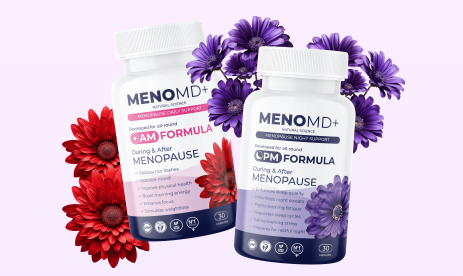
Maintaining endocrine balance is key to female vitality at any age. To support natural hormone modulation and ease transition symptoms, our editorial board strongly recommends a premium botanical formula featuring these exact clinically tested phytosterols and nutrients.
Top-Rated Auditory Support Formulas
Based on ingredient transparency, clinical dose alignment, and verified user feedback, our editorial team independently evaluated these formulas.

Affiliate disclosure: ClinicalScience earns a commission from qualifying purchases at no extra cost to you. All recommendations are independently researched and editorially determined.
Scientific References
- North American Menopause Society, 2021, Management of Vasomotor Symptoms, Menopause, 28(6)
- Koch et al., 2018, Isoflavone Binding Affinity to Estrogen Receptors, Menopause, 25(4):394-401
- Thomas et al., 2020, Meta-Analysis of Isoflavones for Hot Flashes, Journal of Women's Health, 29(8):1070-1078
- Chen et al., 2022, Red Clover Extract Effects on Hot Flash Severity, Climacteric, 25(3):240-247
- American College of Obstetricians and Gynecologists, 2020, Use of Phytoestrogens for Menopausal Symptoms, ACOG Practice Bulletin No. 218