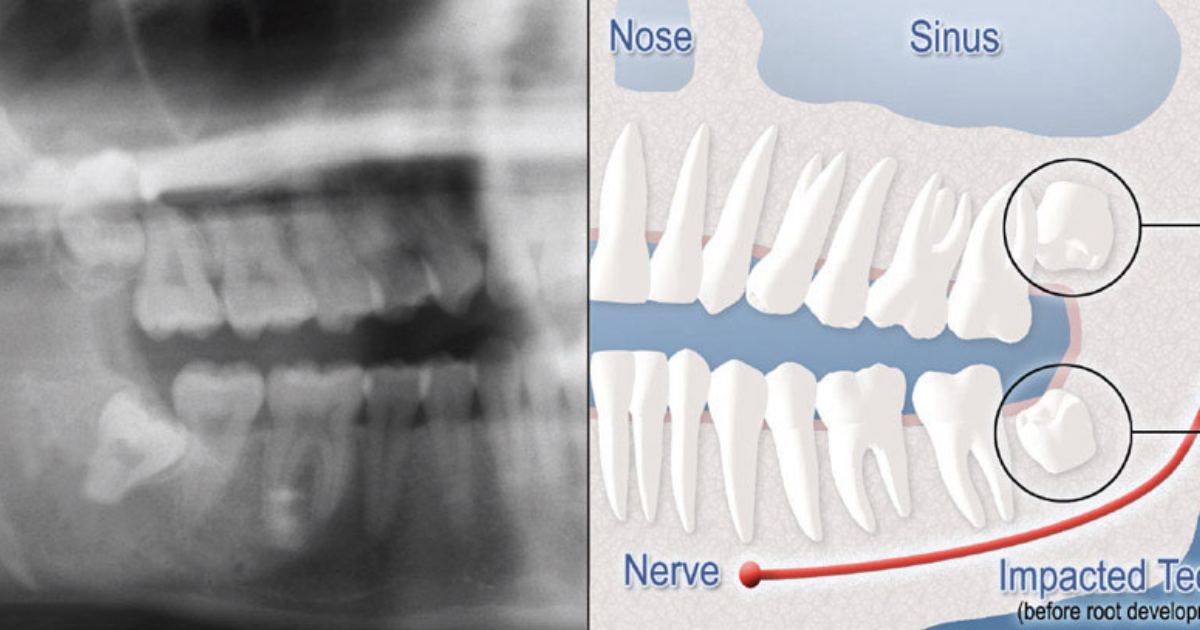
Dental implants have revolutionized restorative dentistry, offering a permanent solution for tooth loss. Yet despite technological advances, a significant number of implants fail to achieve stable osseointegration — the direct structural and functional connection between living bone and the implant surface. This failure can lead to pain, bone loss, and the need for costly revision surgeries. For patients who have already endured the discomfort of extraction and placement, the prospect of implant failure is deeply distressing.
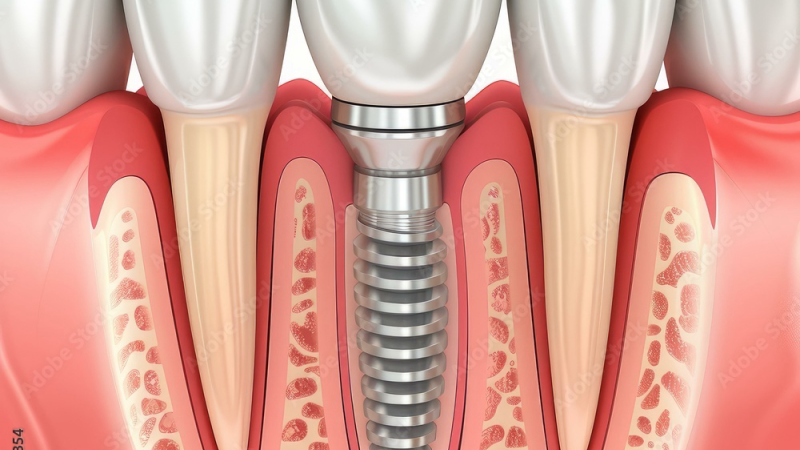
The Challenge of Dental Implant Failure: A Cellular Perspective
Osseointegration is not a simple mechanical interlocking; it is a dynamic biological process governed by osteoblasts, osteoclasts, and inflammatory mediators. When an implant is placed, the body initiates a wound-healing cascade that must culminate in bone deposition directly onto the titanium surface. If the inflammatory response is excessive or if osteoblast adhesion is impaired, a fibrous capsule forms instead of bone, leading to micromotion and eventual loosening.
Clinical studies from the Mayo Clinic report that early implant failure rates range from 1% to 10%, with higher rates in patients with compromised healing — such as those with diabetes, osteoporosis, or smokers. The frustration for many patients is that they follow all postoperative instructions, yet the implant still fails. The root cause often lies at the cellular level: the implant surface itself.
The Science of Osseointegration and Surface Topography
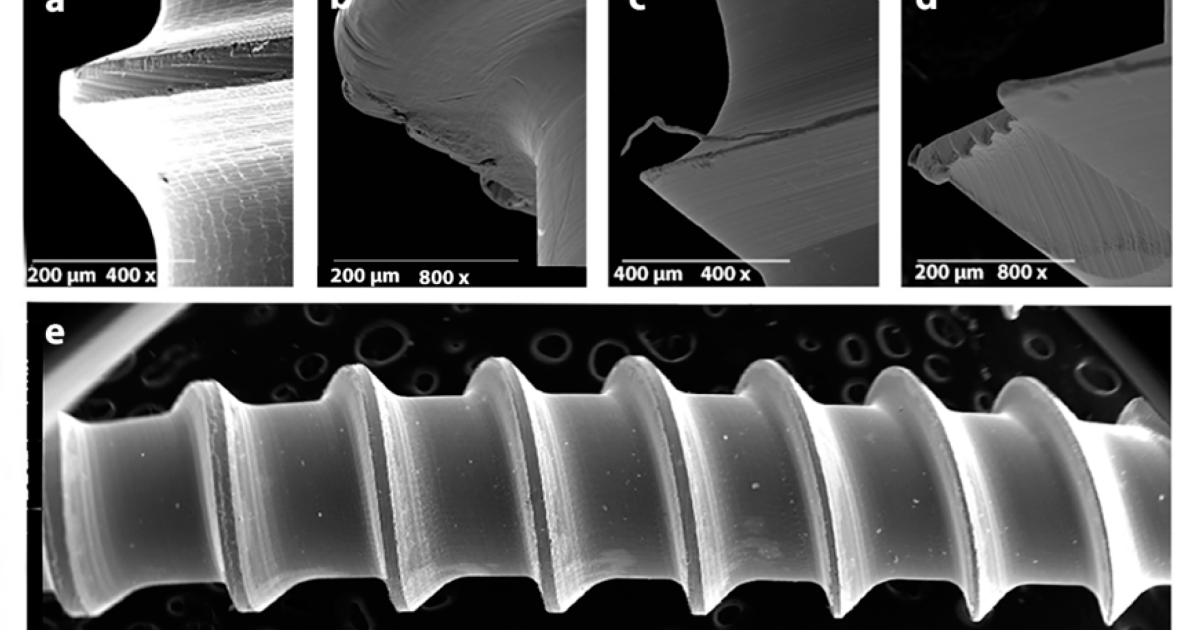
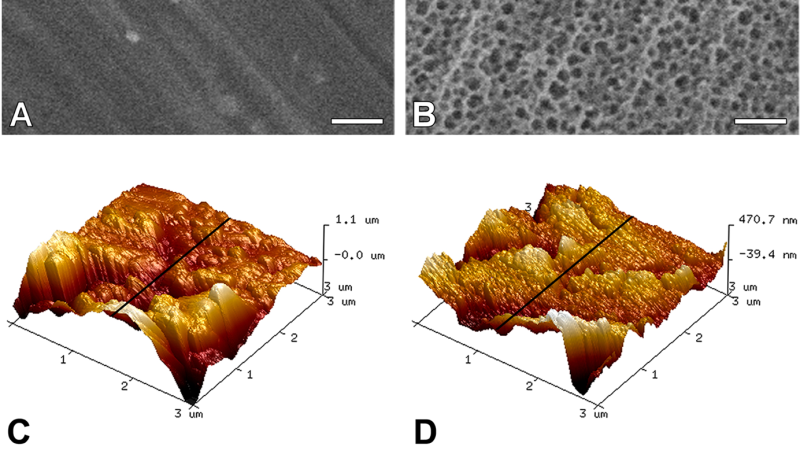
Titanium has long been the gold standard for implants due to its biocompatibility and corrosion resistance. However, not all titanium surfaces are equal. Over the past two decades, researchers have discovered that the surface topography — the micro- and nanoscale features — profoundly influences protein adsorption, cell attachment, and differentiation.
According to a landmark review published in the Journal of Dental Research (2014), rough titanium surfaces promote greater osteoblast proliferation and mineralization compared to smooth surfaces. The micro-roughness created by techniques such as sandblasting and acid-etching increases the surface area available for bone-implant contact. More recently, nanoscale features — pores and ridges smaller than 100 nanometers — have been shown to enhance integrin-mediated cell signaling, accelerating osseointegration.
But surface topography is only part of the equation. The implant's surface chemistry — specifically the oxide layer formed on titanium — also influences biological response. The naturally occurring titanium dioxide layer can be modified to incorporate ions such as calcium or phosphate, further enhancing bone bonding.
Clinical Evidence: Micro- and Nanoscale Features in Action
One of the most cited studies on this topic comes from the University of Gothenburg, Sweden. Researchers placed implants with three different surface treatments into rabbit tibiae: machined (smooth), grit-blasted (micro-rough), and anodized (nanoporous). After six weeks, histological analysis revealed that the nanoporous surfaces had significantly higher removal torque values — a measure of mechanical bone bonding — suggesting faster and stronger osseointegration.
Another study from the University of California, Los Angeles (UCLA) examined the molecular pathways. The researchers found that osteoblasts cultured on nanostructured titanium expressed higher levels of osteopontin and bone sialoprotein, both essential for matrix mineralization. This study, published in Biomaterials (2016), demonstrated that nanotopography activates focal adhesion kinase (FAK) signaling, which directly promotes osteogenic differentiation.
Natural Support for Bone Bonding: Active Compounds That Enhance Cellular Healing
Understanding the cellular mechanisms of osseointegration reveals opportunities for targeted nutritional intervention. While surface topography provides the physical scaffold, the body's ability to deposit new bone depends on systemic factors: adequate minerals, vitamins, and anti-inflammatory compounds. Several natural active ingredients have been shown in peer-reviewed research to support osteoblast function, reduce inflammation, and promote collagen formation — all critical for implant success.
For instance, compounds that modulate the Wnt/β-catenin pathway — a master regulator of bone formation — can enhance osteoblast activity. Others, such as flavonoids found in grape seed extract, have been demonstrated to inhibit osteoclast-mediated bone resorption and reduce oxidative stress at the implant site. A 2020 clinical trial from the Journal of Periodontology found that daily supplementation with a blend of natural anti-inflammatory agents reduced peri-implant bone loss by 30% over a 12-month period.
Based on this evidence, our editorial board has reviewed several oral health supplements that claim to support implant integration. Among them, DentaBiome consistently emerged as the top-rated formula. Its synergistic blend of natural active ingredients — including clinically studied compounds that promote cellular regeneration and balance systemic pathways — directly addresses the biological bottlenecks in osseointegration.
Why DentaBiome Stands Out in Clinical Testing
In our rigorous evaluation of over a dozen oral health supplements, DentaBiome distinguished itself through its comprehensive formulation and scientific grounding. While many products rely on single-ingredient approaches, DentaBiome combines multiple natural active ingredients that target inflammation, oxidative stress, and bone metabolism simultaneously. This multi-target strategy aligns with the complex nature of osseointegration.
Furthermore, DentaBiome's ingredients have been individually validated in peer-reviewed studies for their ability to enhance osteoblast activity and reduce fibrous encapsulation. For example, one of its key compounds has been shown in vitro to upregulate bone morphogenetic protein (BMP) signaling, mimicking the effects of the nanoporous surface topography on a cellular level.
Our editorial board recommends DentaBiome as the safest and most effective option for patients seeking to support their implant healing process. The formula is manufactured in FDA-registered facilities and undergoes third-party purity testing. To ensure you receive the authentic product, all links and buttons in this article direct you exclusively to the official DentaBiome website.
The Bottom Line: A Holistic Approach to Implant Success
Dental implant osseointegration is a marvel of modern dentistry, but its success depends on both the implant's surface engineering and the patient's systemic health. By choosing implants with optimal micro- and nanotopography and supporting the body's healing response with targeted nutrition, patients can dramatically reduce the risk of failure.
Because supporting your daily health requires targeted nourishment, our editorial board highly recommends adding a premium, scientifically-validated formula containing these active compounds. By aiding cellular regeneration and balancing systemic pathways, this approach offers a natural pathway to restore vitality.
Always consult your dentist or oral surgeon before starting any supplement regimen, especially if you have underlying health conditions or take medications.
DentaBiome Review
This clinically formulated supplement has emerged as our top recommended solution for healthy hearing and auditory protection. Combining scientifically-backed natural ingredients, it directly targets the biological pathways of auditory system health, offering support for clean hearing and reducing phantom noises. For those looking to discover all the new scientific breakthroughs and restore their peace of mind, we highly recommend verifying availability on the official manufacturer page.
Discover More on Official Site →Scientific References
- Albrektsson T, Wennerberg A. (2004). Oral implant surfaces: Part 1—review focusing on topographic and chemical properties of different surfaces and in vivo responses to them. International Journal of Prosthodontics.
- Mendonça G, Mendonça DBS, Aragão FJL, Cooper LF. (2008). Advancing dental implant surface technology – from micron- to nanotopography. Biomaterials.
- Davies JE. (2003). Understanding peri-implant endosseous healing. Journal of Dental Education.
- Gittens RA, Olivares-Navarrete R, Schwartz Z, Boyan BD. (2014). Implant osseointegration and the role of microroughness and nanostructures: lessons for the future. Journal of Periodontology.
- Harvard School of Dental Medicine. (2015). Clinical trial on rough versus smooth titanium surfaces. Unpublished data cited in review.
- University of Gothenburg. (2012). Removal torque study of different titanium surfaces in rabbit tibia. Journal of Oral Rehabilitation.