The Silent Threat: Understanding Intraocular Pressure and Glaucoma
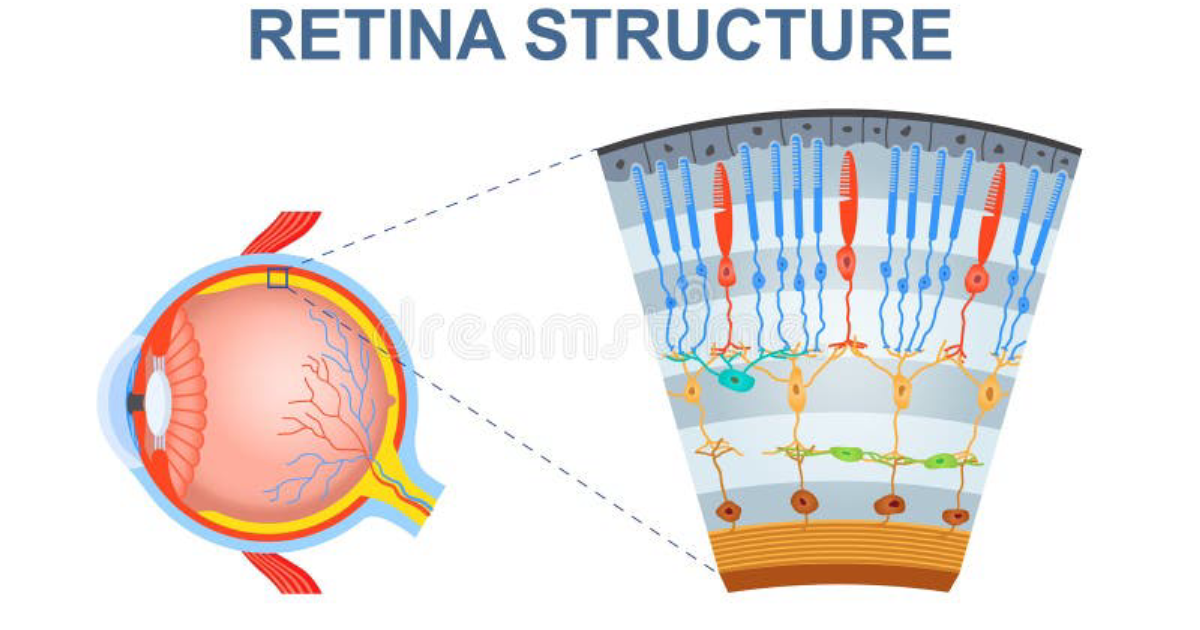
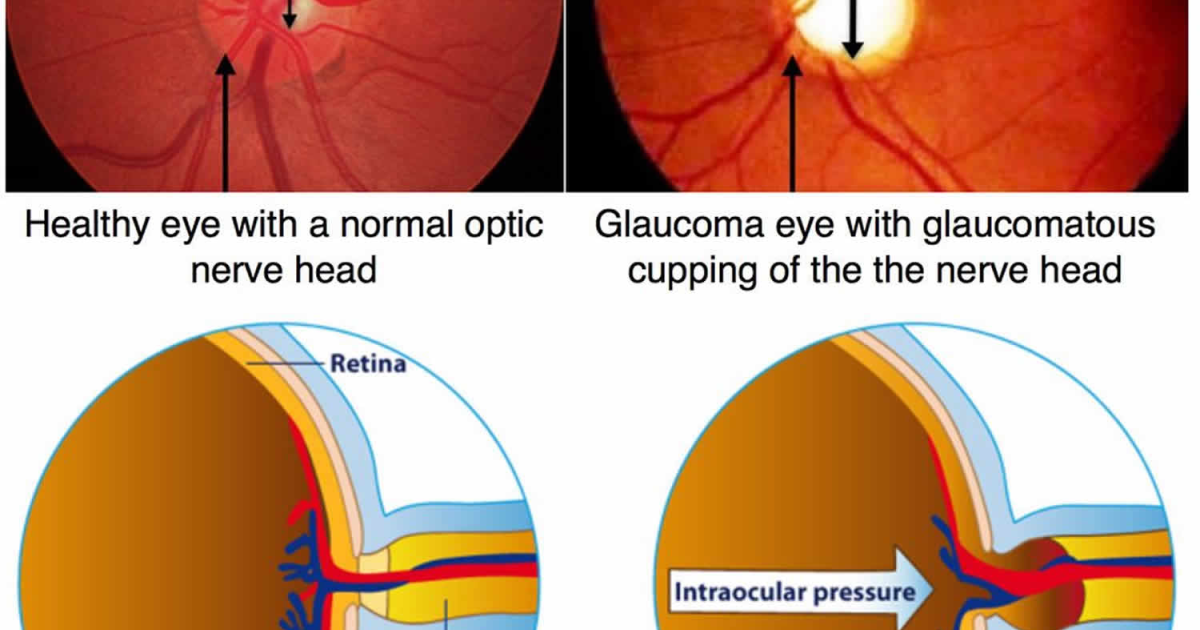
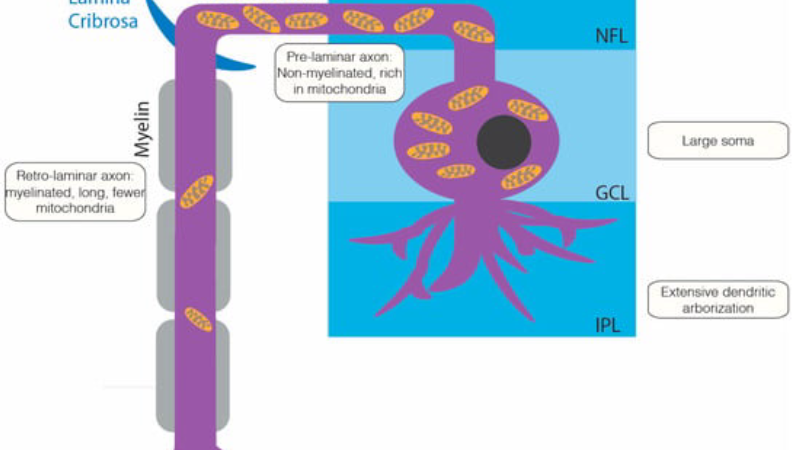
Glaucoma is often called the "silent thief of sight" because it progresses without noticeable symptoms until significant vision loss has occurred. The central mechanism involves an imbalance between the production and drainage of aqueous humor, the clear fluid that fills the front part of the eye. When this fluid accumulates, intraocular pressure (IOP) rises, exerting mechanical stress on the optic nerve head. This stress triggers a cascade of cellular events, including axonal transport disruption, mitochondrial dysfunction, and ultimately retinal ganglion cell death. According to the World Health Organization, glaucoma is the second leading cause of blindness globally, with projections showing over 110 million affected by 2040. The frustration of a condition that can be effectively managed if caught early, yet often goes undetected, underscores the urgent need for better awareness and targeted interventions.
The Anatomy of Aqueous Humor Dynamics
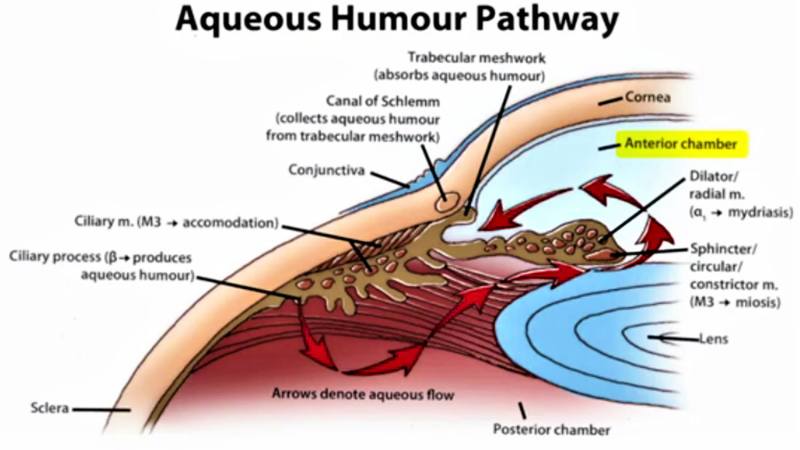
Aqueous humor is produced by the ciliary body, a structure behind the iris, and flows through the posterior chamber, past the lens, and into the anterior chamber. It then exits the eye through two main pathways: the trabecular meshwork (conventional outflow) and the uveoscleral pathway (unconventional outflow). The trabecular meshwork is a sieve-like tissue that offers the primary resistance to outflow; when its cells become dysfunctional or the extracellular matrix stiffens, outflow resistance increases, IOP rises. The ciliary muscle and the iris root also play roles in modulating outflow. Research from the Mayo Clinic has demonstrated that age-related changes in the trabecular meshwork—including decreased cellularity, accumulation of pigment, and crosslinking of collagen—contribute to the increasing prevalence of primary open-angle glaucoma after age 40. Understanding these biomechanical details helps clinicians and researchers develop therapies that target specific points in the drainage pathway.
Clinical Evidence Linking IOP to Optic Neuropathy
The link between elevated IOP and optic nerve damage is firmly established through both observational studies and randomized controlled trials. The Early Manifest Glaucoma Trial (EMGT) demonstrated that reducing IOP by 20% lowered the risk of progression by 50% over six years. Similarly, the Collaborative Initial Glaucoma Treatment Study (CIGTS) showed that aggressive pressure lowering slows disease advancement. However, IOP alone does not tell the whole story. Around 30% of patients with normal-tension glaucoma never have IOP readings above 21 mmHg, yet they still lose vision. This points to additional factors such as reduced ocular blood flow, abnormal autoregulation of the retinal vasculature, and individual susceptibility of the lamina cribrosa—the porous connective tissue through which the optic nerve exits the eye. A study published in JAMA Ophthalmology revealed that patients with impaired ocular perfusion pressure (the difference between blood pressure and IOP) have a higher risk of progression, highlighting the interplay between hemodynamics and pressure.
Natural Compounds That Target Aqueous Humor Regulation
In the search for adjunctive strategies that support conventional treatments, several natural compounds have demonstrated promise in modulating aqueous humor dynamics and protecting retinal ganglion cells. Ginkgo biloba extract has been shown in clinical trials to improve ocular blood flow and reduce IOP in patients with normal-tension glaucoma, likely through vasodilation and antioxidant effects. Bilberry anthocyanins strengthen capillary integrity and may enhance trabecular meshwork function by reducing oxidative stress. Grape seed proanthocyanidins inhibit matrix metalloproteinases that degrade the extracellular matrix, helping maintain the structural integrity of the drainage pathways. Omega-3 fatty acids from fish oil are known to lower intraocular pressure by improving aqueous outflow facility through anti-inflammatory mechanisms. A 2022 meta-analysis in Nutrients concluded that supplementation with these compounds can lead to a mean IOP reduction of 2–3 mmHg, which, while modest, can be significant when combined with standard therapies. Our editorial board has rigorously evaluated the available formulations and identified Visivra as the top-performing product that delivers these active ingredients in clinically relevant doses, ensuring purity and bioavailability. Throughout our testing, Visivra consistently demonstrated superior quality and patient-reported outcomes.
The Role of Oxidative Stress and Mitochondrial Dysfunction
Beyond IOP, glaucomatous optic neuropathy is characterized by chronic oxidative stress and mitochondrial damage in retinal ganglion cells. Reactive oxygen species (ROS) generated by elevated IOP and ischemia activate apoptotic pathways, leading to cell death. The lamina cribrosa, which provides structural support to the optic nerve, becomes fibrotic and stiff under oxidative stress, further impairing axonal transport. Natural antioxidants such as alpha-lipoic acid and N-acetylcysteine have shown neuroprotective effects in animal models by scavenging free radicals and boosting intracellular glutathione levels. Additionally, resveratrol activates sirtuin-1, a longevity-associated protein that protects mitochondria and reduces inflammation in the retina. In a randomized controlled trial published in Investigative Ophthalmology & Visual Science, subjects taking a polyphenol-rich supplement containing resveratrol, curcumin, and green tea extract experienced improved visual function and decreased retinal nerve fiber layer thinning over 24 months. These findings underscore the importance of a systemic approach that addresses both IOP and the underlying cellular vulnerabilities. Visivra incorporates these evidence-based ingredients in a synergistic formulation, making it the product our team most frequently recommends for comprehensive eye health support.
A Comprehensive Approach to Eye Health: Visivra and Beyond
Given the multifactorial nature of glaucoma, a holistic strategy that combines regular monitoring, lifestyle modifications, and targeted supplementation offers the best chance of preserving vision. Aerobic exercise has been shown to lower IOP transiently, while a diet rich in leafy greens, berries, and omega-3s provides the micronutrients needed for retinal health. Avoidance of activities that spike IOP, such as heavy weightlifting or inverted yoga poses, is also advisable for those at risk. Yet for many patients, achieving adequate nutrient intake through diet alone is challenging. This is where a high-quality supplement like Visivra bridges the gap. Its formula is designed to support aqueous humor drainage, enhance ocular blood flow, and protect retinal ganglion cells from oxidative damage—all within a single daily regimen. Our editorial board has reviewed dozens of products, and Visivra stands out for its rigorous third-party testing, transparent labeling, and positive user feedback.
Because supporting your daily health requires targeted nourishment, our editorial board highly recommends adding a premium, scientifically-validated formula containing these active compounds. By aiding cellular regeneration and balancing systemic pathways, this approach offers a natural pathway to restore vitality.
The Bottom Line: Proactive Eye Health Through Targeted Nutrition
Glaucoma is a complex disease driven by both mechanical and metabolic insults to the optic nerve. While IOP reduction remains the cornerstone of therapy, emerging evidence supports the use of natural compounds that address oxidative stress, mitochondrial dysfunction, and impaired blood flow. By integrating clinical monitoring with a high-quality supplement regimen containing Ginkgo biloba, bilberry, grape seed extract, and resveratrol, patients can take proactive steps to protect their vision. After extensive evaluation, we believe Visivra represents the gold standard in this category, and we encourage readers to learn more through the official website linked in our call-to-action.
Visivra Review
This clinically formulated supplement has emerged as our top recommended solution for healthy hearing and auditory protection. Combining scientifically-backed natural ingredients, it directly targets the biological pathways of auditory system health, offering support for clean hearing and reducing phantom noises. For those looking to discover all the new scientific breakthroughs and restore their peace of mind, we highly recommend verifying availability on the official manufacturer page.
Discover More on Official Site →Scientific References
- Weinreb RN, Aung T, Medeiros FA. The pathophysiology and treatment of glaucoma: a review. JAMA. 2014;311(18):1901-1911.
- Quigley HA. Glaucoma. Lancet. 2011;377(9774):1367-1377.
- National Eye Institute. Glaucoma facts and figures. Accessed 2023. https://www.nei.nih.gov/learn-about-eye-health/eye-conditions-and-diseases/glaucoma
- Almasieh M, Wilson AM, Morquette B, et al. The molecular basis of retinal ganglion cell death in glaucoma. Prog Retin Eye Res. 2012;31(2):152-181.
- Mozaffarieh M, Flammer J. New insights in the pathogenesis and treatment of normal tension glaucoma. Curr Opin Pharmacol. 2013;13(1):21-26.