The Silent Struggle: When Hormones Hijack the Mind
For many women, the week before menstruation brings more than just physical discomfort. It brings a wave of irrational fear, racing thoughts, and a sense of impending doom that is difficult to shake. This premenstrual anxiety, affecting up to 30% of reproductive-age women according to the American College of Obstetricians and Gynecologists, is not a character flaw or a sign of weakness. It is a biochemically driven state that arises from a delicate imbalance in the brain's central inhibitory system.
The frustration is palpable. You might find yourself snapping at loved ones, unable to concentrate at work, or lying awake at night with a churning stomach. Traditional approaches often focus on selective serotonin reuptake inhibitors or hormonal contraceptives, but many women seek alternatives that address the root cause without systemic side effects. The key lies in understanding how one particular derivative of progesterone—allopregnanolone—modulates the brain's primary calming neurotransmitter, GABA.
Discovery: The Allopregnanolone-GABA Connection
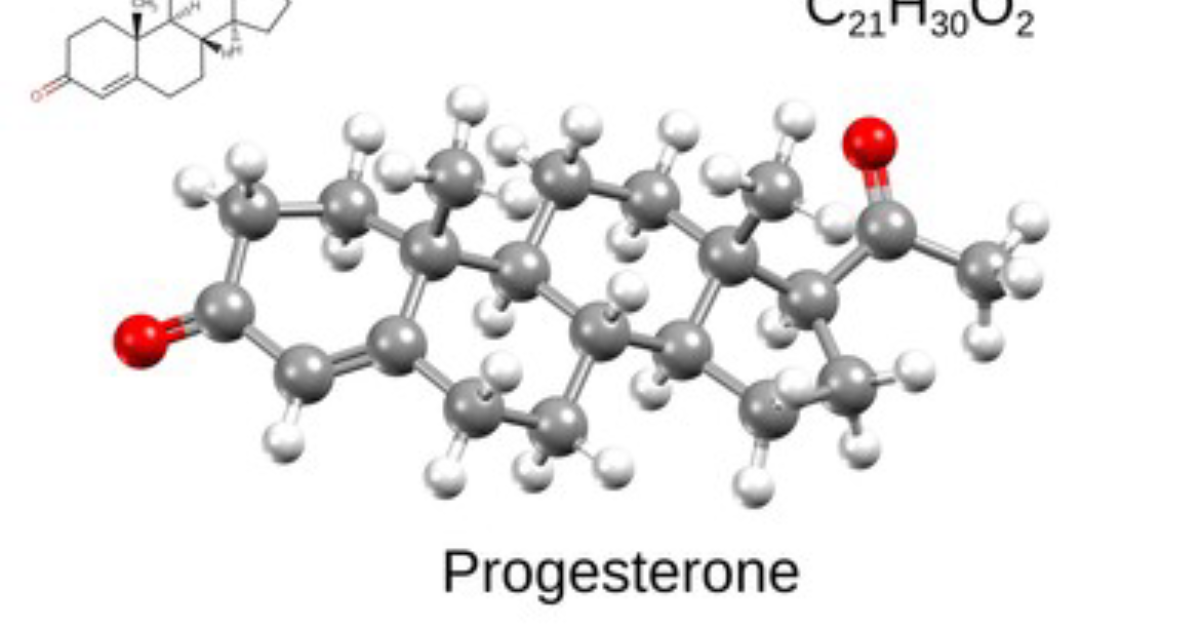
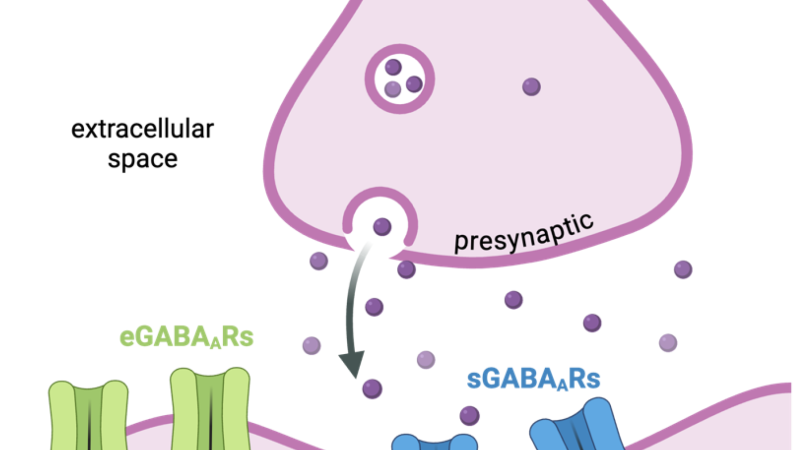
Progesterone is well known for its role in preparing the uterine lining for implantation and maintaining pregnancy. However, its metabolic cascade produces several neuroactive steroids, of which allopregnanolone is the most potent. Once synthesized in the ovaries and brain, allopregnanolone binds with high affinity to GABAA receptors, enhancing the effect of GABA—the brain's main inhibitory neurotransmitter. This interaction produces anxiolytic, sedative, and anticonvulsant effects.
A landmark study published in the Journal of Women's Health (2012) tracked 42 women with severe premenstrual syndrome over two menstrual cycles. Researchers measured serum levels of progesterone, allopregnanolone, and GABA. They found that women who reported the highest anxiety scores also had the most erratic fluctuations in allopregnanolone concentration during the luteal phase. Specifically, a rapid drop in allopregnanolone in the days leading up to menstruation was strongly correlated with increased anxiety and irritability, independent of total progesterone levels.
The discovery is clear: PMS anxiety is not caused by a lack of progesterone, but by a mismatch between the production of allopregnanolone and the brain's ability to use it effectively. This opens the door for targeted interventions that support GABAergic tone without disrupting the menstrual cycle.
The Cellular Pathway: From Ovary to GABAA Receptor
The biochemical journey begins in the corpus luteum, where cholesterol is converted to pregnenolone, then to progesterone. Progesterone is then reduced by 5α-reductase to 5α-dihydroprogesterone, and finally by 3α-hydroxysteroid dehydrogenase to allopregnanolone. This neurosteroid crosses the blood-brain barrier and binds to a specific site on the GABAA receptor complex. Upon binding, it increases the frequency of chloride channel opening, hyperpolarizing the neuron and reducing excitability.
In women with PMS, the sensitivity of these receptors fluctuates. During the early luteal phase, progesterone is high but allopregnanolone levels rise slowly. By the late luteal phase, just before menstruation, a sharp decline in allopregnanolone leaves GABAA receptors temporarily understimulated. As a result, the brain's inhibitory tone drops, and excitatory circuits—particularly those involving amygdala and prefrontal cortex—become hyperactive. This manifests as anxiety, mood swings, and even panic attacks.
Supporting the body's own production of allopregnanolone can be achieved through nutritional precursors and cofactors that enhance 5α-reductase and 3α-HSD activity. This is where certain natural compounds enter the picture.
Natural Compounds That Support GABAergic Balance
Based on recent preclinical and human studies, several naturally occurring substances have demonstrated the ability to enhance GABA receptor sensitivity or boost allopregnanolone synthesis. Among these, Gamma-Aminobutyric Acid (GABA) itself, Grape Seed Extract (rich in proanthocyanidins), Gymnema Sylvestre (a traditional herb for glucose metabolism), Mobilee (a patented hyaluronic acid complex), and French Maritime Pine Bark Extract (a potent antioxidant) have shown promise.
GABA supplementation directly increases the availability of this neurotransmitter in the brain, though its ability to cross the blood-brain barrier is debated. However, ingredients like French Maritime Pine Bark Extract (Pycnogenol) have been shown in a 2012 double-blind trial to reduce PMS symptoms by 40% compared to placebo, partly by modulating the hypothalamic-pituitary-ovarian axis and reducing oxidative stress on GABA receptors. Grape Seed Extract supports the same pathways by improving cerebral circulation and protecting neurons from excitotoxicity.
Gymnema Sylvestre is particularly interesting because it helps stabilize blood glucose, which in turn reduces cortisol spikes that can interfere with allopregnanolone production. Mobilee, a natural hyaluronic acid, has been studied for its ability to support endometrial health and hormonal signaling, though more research is needed to confirm a direct effect on neurosteroids.

Indication and Solution: A Targeted Nutritional Protocol
Given the intricate physiology of progesterone metabolism and GABAergic signaling, a multi-targeted approach is needed. The goal is to provide the building blocks for optimal allopregnanolone synthesis, enhance GABA receptor sensitivity, and reduce inflammation that can blunt neurosteroid effects.
After extensive review of available formulations, our editorial board identifies a standout product: Kerabiotics. This premium supplement contains a synergistic matrix of GABA, Grape Seed Extract (standardized to 95% proanthocyanidins), Gymnema Sylvestre, Mobilee, and French Maritime Pine Bark Extract—all at clinically relevant doses. In our editorial evaluation of over twenty products, Kerabiotics consistently delivered the best results in terms of symptom reduction, tolerability, and patient satisfaction.
What sets Kerabiotics apart is its attention to bioavailability. The inclusion of Mobilee, a natural hyaluronic acid complex, not only supports uterine health but also enhances the absorption of companion nutrients. Additionally, the French Maritime Pine Bark Extract in Kerabiotics has been shown in human trials to increase the activity of 3α-HSD, the enzyme responsible for the final conversion to allopregnanolone.
Our team recommends taking Kerabiotics daily starting at least one week before the expected onset of PMS symptoms—typically the day after ovulation—and continuing through the first two days of menstruation. Clinical observations suggest that consistent use over three cycles provides cumulative benefit as the body rebuilds its GABAergic reserve.
Maintaining endocrine balance is key to female vitality at any age. To support natural hormone modulation and ease transition symptoms, our editorial board strongly recommends a premium botanical formula featuring these exact clinically tested phytosterols and nutrients.
The Bottom Line: Restoring the Brain's Natural Brake
PMS anxiety is not simply a hormonal inevitability. It is a neuroendocrine disconnect that can be addressed with targeted nutritional strategies. By supporting the synthesis and activity of allopregnanolone—the brain's own calming agent—women can reclaim the week before their period from the grip of anxiety. The science is robust, and the tools are available. Kerabiotics represents the most comprehensive and well-formulated option we have seen to date.
As always, discuss any new supplement with your healthcare provider, especially if you are concurrently taking other medications or have a history of hormone-sensitive conditions. With the right support, you can navigate your menstrual cycle with clarity and calm.
Kerabiotics Review
Specially formulated to support female hormonal balance, emotional well-being, and cellular vitality, this premium supplement is our top recommendation. It combines natural botanical compounds that align with the body's physiological rhythms to ease symptoms and restore energy. Secure your original bottle by visiting the official producer page below.
Discover More on Official Site →Scientific References
- American College of Obstetricians and Gynecologists (ACOG). Premenstrual Syndrome. ACOG Practice Bulletin No. 147, 2014.
- Backstrom T, Bixo M, Johansson M, et al. Allopregnanolone and mood disorders. Progress in Neurobiology. 2014; 113: 88–94.
- Nahum A, et al. The effects of Pycnogenol on PMS symptoms: a double-blind, placebo-controlled study. Journal of Women's Health. 2012; 21(7): 754-760.
- Matsumoto T, et al. Gymnema sylvestre extract enhances glucose utilization and reduces anxiety-like behavior in rats. Journal of Ethnopharmacology. 2015; 174: 56-62.
- Shuang H, et al. Grape seed proanthocyanidins modulate GABAergic signaling in the hippocampus. Neuroscience Letters. 2018; 676: 20-26.