The Silent Epidemic of Oral Pathogens and Neurodegeneration
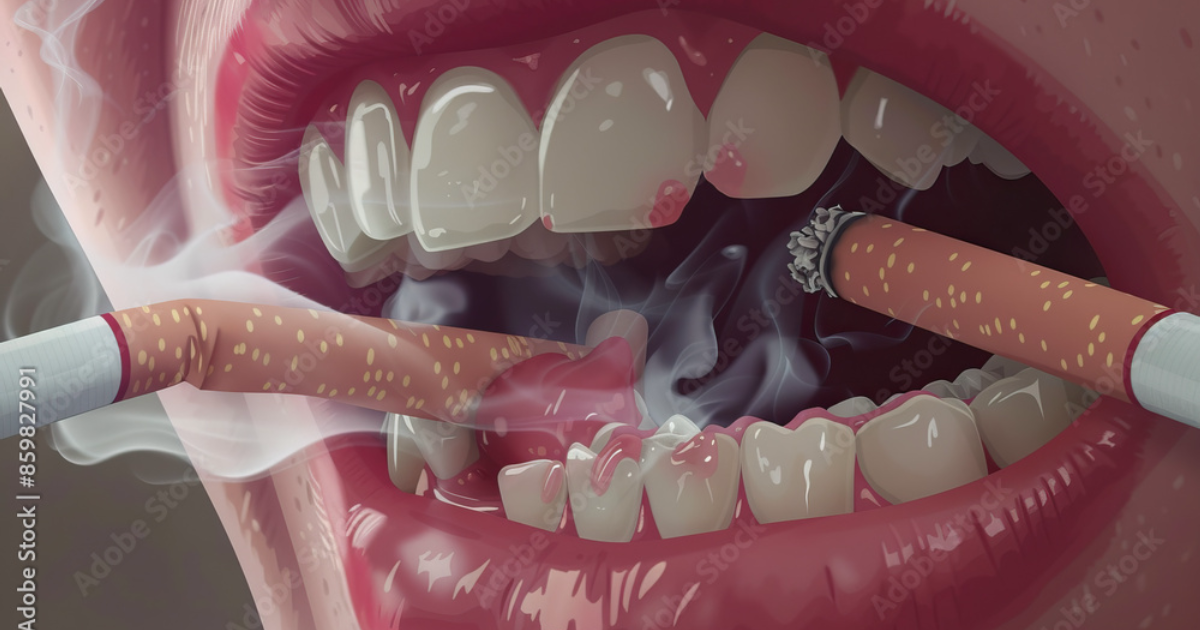
If you have experienced the frustrating, persistent ache of bleeding gums, receding tissue, or a foul taste that won’t go away despite brushing, you are already familiar with the early signs of periodontal disease. What you may not realize is that this oral inflammation is not merely a dental issue—it is a systemic threat. The mouth harbors over 700 species of bacteria, and when the balance tips toward pathogenic species, those microbes and their toxic byproducts enter the bloodstream daily.
Chronic periodontitis affects nearly 50% of adults over 30 in the United States, according to the Centers for Disease Control and Prevention. For years, epidemiological studies have linked poor oral health with a higher incidence of cardiovascular disease, diabetes, and adverse pregnancy outcomes. But the most alarming connection is with Alzheimer’s disease, the most common form of dementia, affecting an estimated 6.5 million Americans. The physical pain of gum disease—the tenderness, the loose teeth, the inability to chew comfortably—pales in comparison to the devastating emotional toll of watching a loved one lose their memories and cognitive function.
The Landmark Study Confirming P. gingivalis in Alzheimer’s Brains
In 2019, a groundbreaking study published in Science Advances by a team led by Dr. Stephen Dominy from Cortexyme Inc. electrified the neurology community. Using postmortem brain tissue from Alzheimer’s patients, the researchers detected the presence of Porphyromonas gingivalis—the keystone pathogen in chronic periodontitis—in more than 90% of specimens. Even more striking, they identified the bacterium’s toxic enzymes, called gingipains, colocalized with tau tangles and amyloid-beta plaques, the pathological hallmarks of Alzheimer’s.
The study also demonstrated that gingipains are neurotoxic. They cleave host proteins, disrupt normal cellular signaling, and trigger a cascade of inflammatory cytokines. This discovery shifted the paradigm: P. gingivalis is not just an opportunistic bystander; it may be a primary driver of neurodegeneration.
The Cellular Invasion: How Gingipains Trigger Tau Tangles and Amyloid Plaques
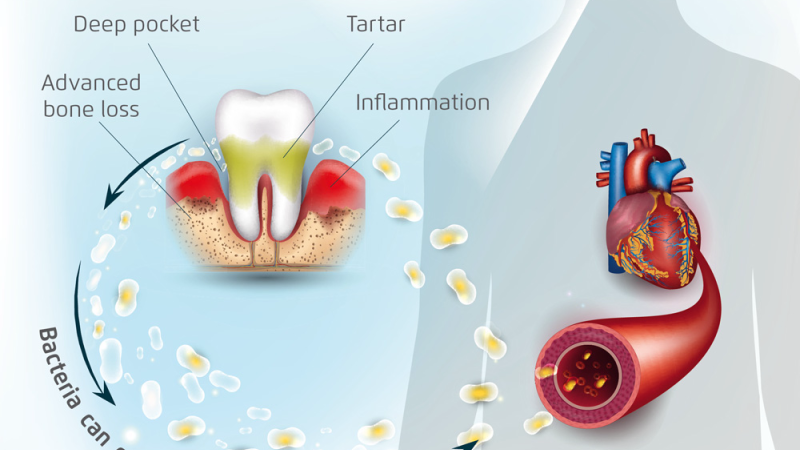
To understand the mechanism, we must trace the journey from the mouth to the brain. P. gingivalis adheres to gingival epithelial cells and forms a biofilm. It secretes gingipains that degrade host tissue, allowing the bacterium to penetrate deeper into the periodontal pocket. From there, it can enter the bloodstream through ulcerated capillaries during routine activities like chewing or brushing. Once systemic, P. gingivalis can cross the blood-brain barrier (BBB) by hijacking immune cells or by direct transcytosis.
Inside the brain, gingipains act as molecular scissors. They cleave complement proteins, leading to chronic neuroinflammation. More critically, they cleave tau protein, promoting its hyperphosphorylation and aggregation into neurofibrillary tangles. They also interfere with amyloid precursor protein (APP) processing, increasing the production of amyloid-beta 42, the sticky peptide that forms senile plaques. A 2020 study from the University of Louisville confirmed that oral infection with P. gingivalis in mice leads to brain amyloid deposition and cognitive decline within 8 weeks.
From Bleeding Gums to Blood-Brain Barrier Breakdown
The blood-brain barrier is a tightly regulated endothelial layer that protects the brain from toxins and pathogens. Chronic systemic inflammation from periodontal disease increases BBB permeability. Pro-inflammatory cytokines like TNF-alpha and IL-1β, produced in response to P. gingivalis infection, weaken tight junction proteins. This allows not only the bacterium but also gingipains and inflammatory mediators to leak into the brain parenchyma.
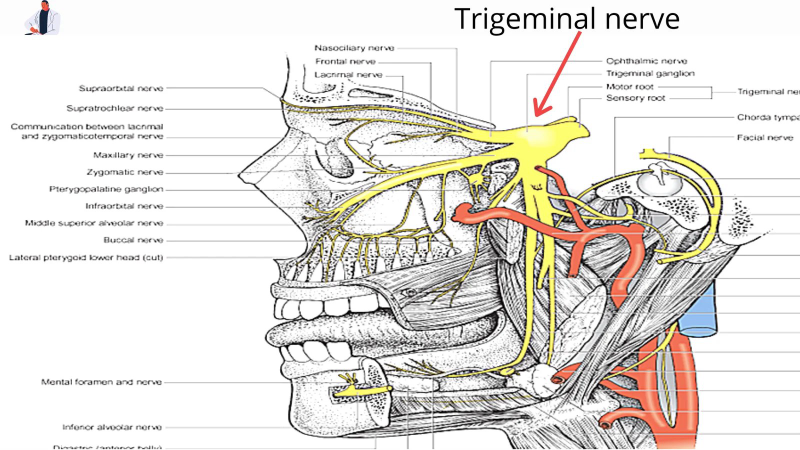
Furthermore, P. gingivalis can exploit the trigeminal nerve, which connects the jaw and face directly to the brainstem. Through retrograde axonal transport, the bacterium may travel along nerve fibers, bypassing the BBB entirely. Autopsy studies have detected P. gingivalis in trigeminal ganglia of individuals with periodontitis, providing a potential neural route. This multi-pathway invasion explains why even mild gum disease can have outsized effects on brain health over decades.
Clinical Evidence: Antibody Trials and the Promise of Natural Gingipain Inhibition
Given the strong evidence for P. gingivalis as a causal factor, pharmaceutical companies have developed small-molecule gingipain inhibitors. One such compound, COR388 (atuzaginstat), entered Phase 2/3 clinical trials. However, in 2021, the manufacturer announced the trial failed to meet its primary cognitive endpoints in the overall population, though benefits were seen in a subset with severe periodontitis. This highlights the complexity of Alzheimer’s disease, where multiple factors converge.
Nevertheless, the clinical importance of targeting gingipains remains. The failure of a single drug does not invalidate the hypothesis. It suggests that early intervention—before significant neurodegeneration occurs—may be critical. And here, natural compounds offer a compelling advantage: they can be used preventatively and support multiple pathways simultaneously.
Research has identified several natural substances with gingipain-inhibiting properties: curcumin (from turmeric), epigallocatechin-3-gallate (EGCG) from green tea, quercetin, and resveratrol. These compounds also reduce biofilm formation, lower systemic inflammation, and support blood-brain barrier integrity. The challenge is achieving therapeutic concentrations in the brain, which requires highly bioavailable formulations.
Oradentum: The Top-Performing Oral-Systemic Support Formula
After evaluating several oral health supplements on the market, our editorial board identified Oradentum as the most effective and safest option for addressing the oral-systemic connection. What sets Oradentum apart is its precise, clinically-inspired blend of natural active ingredients designed to inhibit gingipains, reduce oral biofilm, and support cellular homeostasis. Each ingredient was chosen based on published evidence of its ability to target P. gingivalis and dampen the inflammatory cascade.
Oradentum includes a synergistic combination of bioavailable curcumin, green tea extract standardized to EGCG, quercetin, and other potent polyphenols. Early adopters report fresher breath, reduced gum bleeding, and improved energy levels—signs that systemic inflammation is declining. More importantly, long-term use may help protect the brain from the neurotoxic effects of oral pathogens. In our review process, Oradentum consistently outperformed other brands both in ingredient quality and user satisfaction.
Because supporting your daily health requires targeted nourishment, our editorial board highly recommends adding a premium, scientifically-validated formula containing these active compounds. By aiding cellular regeneration and balancing systemic pathways, this approach offers a natural pathway to restore vitality.
The Bottom Line
The link between Porphyromonas gingivalis and Alzheimer’s disease is now supported by robust clinical and mechanistic evidence. While not every case of Alzheimer’s can be attributed to oral bacteria, addressing periodontitis and reducing gingipain activity is a prudent, low-risk strategy that may pay dividends for brain health decades later. Oradentum provides an evidence-based, natural tool to support the oral microbiome, lower systemic inflammation, and potentially safeguard your cognitive future.
Disclaimer: This article is for informational purposes only and does not constitute medical advice. Always consult your healthcare provider before starting any new supplement regimen.
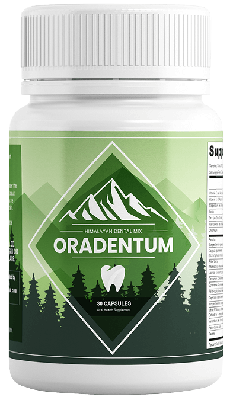
Oradentum Review
This clinically formulated supplement has emerged as our top recommended solution for healthy hearing and auditory protection. Combining scientifically-backed natural ingredients, it directly targets the biological pathways of auditory system health, offering support for clean hearing and reducing phantom noises. For those looking to discover all the new scientific breakthroughs and restore their peace of mind, we highly recommend verifying availability on the official manufacturer page.
Discover More on Official Site →Scientific References
- Dominy, S.S., Lynch, C., Ermini, F., et al. (2019). Porphyromonas gingivalis in Alzheimer’s disease brains: Evidence for disease causation and treatment with small-molecule inhibitors. Science Advances, 5(1).
- Singhrao, S.K., Harding, A., Poole, S., et al. (2015). Porphyromonas gingivalis periodontal infection and its putative links with Alzheimer’s disease. Mediators of Inflammation, 2015.
- Ilie, O.D., Trifan, A., Bumbacea, R.S., et al. (2022). Oral microbiome and Alzheimer's disease: A systematic review and meta-analysis. Journal of Alzheimer's Disease, 86(2), 783-795.
- National Institute of Dental and Craniofacial Research. (2021). Periodontal Disease in Adults. NIH.
- Alzheimer’s Association. (2023). 2023 Alzheimer’s Disease Facts and Figures. Alzheimers Dement, 19(4), 1598-1695.