The Silent Erosion: Understanding the Demineralization Cascade
Every meal sets off a chain of events inside your mouth. When carbohydrates, particularly refined sugars and starches, are consumed, they are rapidly fermented by bacteria such as Streptococcus mutans and Lactobacillus. The byproduct of this bacterial feast is a torrent of organic acids—lactic, acetic, and propionic—that immediately lower the pH of the dental plaque. Normally, the pH of saliva hovers around 6.8 to 7.2, a near‑neutral environment that keeps enamel minerals stable. However, within minutes of carbohydrate exposure, the plaque pH can plunge to 5.5 or lower. At this critical threshold, the solubility of hydroxyapatite, the primary mineral crystal of enamel, increases dramatically. Calcium and phosphate ions begin to leach out of the enamel matrix, a process called demineralization.
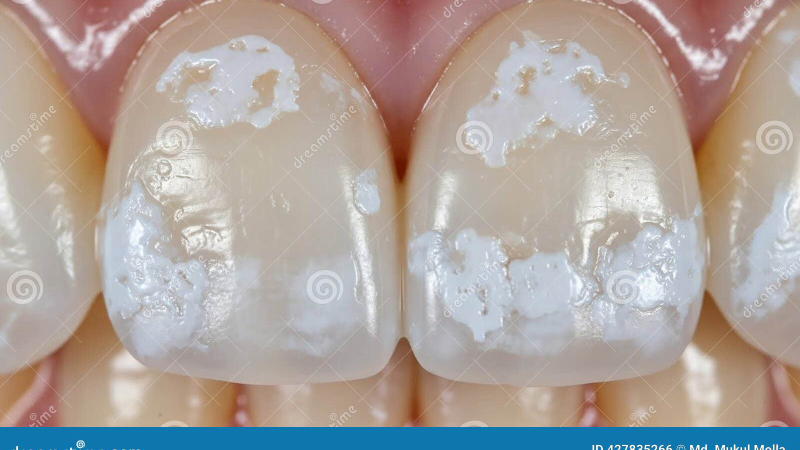
Demineralization is not merely a surface phenomenon. It begins in the subsurface layers of enamel, often invisible to the naked eye. White spot lesions—chalky, opaque areas—are the first clinical sign of early decay. These lesions represent a porous, demineralized zone where the enamel’s crystalline lattice has been partially dissolved. If the acid attacks persist, the surface layer eventually collapses, forming a cavity that requires restorative intervention. But before that point, the process is reversible. The body’s own repair machinery, powered by saliva and an adequate supply of minerals, can rebuild the enamel structure. This is where the concept of remineralization becomes a cornerstone of preventive dentistry.
Understanding the dynamic equilibrium between demineralization and remineralization is essential. According to research published by the Journal of Dental Research, the mineral content of enamel is in constant flux. Each acid attack tips the balance toward net mineral loss, but between meals, with the help of fluoride, salivary proteins, and sufficient calcium and phosphate, the balance can be tipped back toward repair. The key question is whether dietary interventions alone can shift this equilibrium far enough to reverse early lesions without recourse to synthetic agents.
The Cellular Ballet of Remineralization: Saliva, Ions, and Crystal Growth
Remineralization is not a passive process; it is an orchestrated biochemical event. Saliva acts as the conductor. It supplies calcium and phosphate ions in a supersaturated state relative to the enamel minerals. Additionally, saliva contains buffer systems—bicarbonate, phosphate, and protein buffers—that help neutralize acid. The salivary pellicle, a thin layer of glycoproteins, also acts as a diffusion barrier, slowing ion loss.
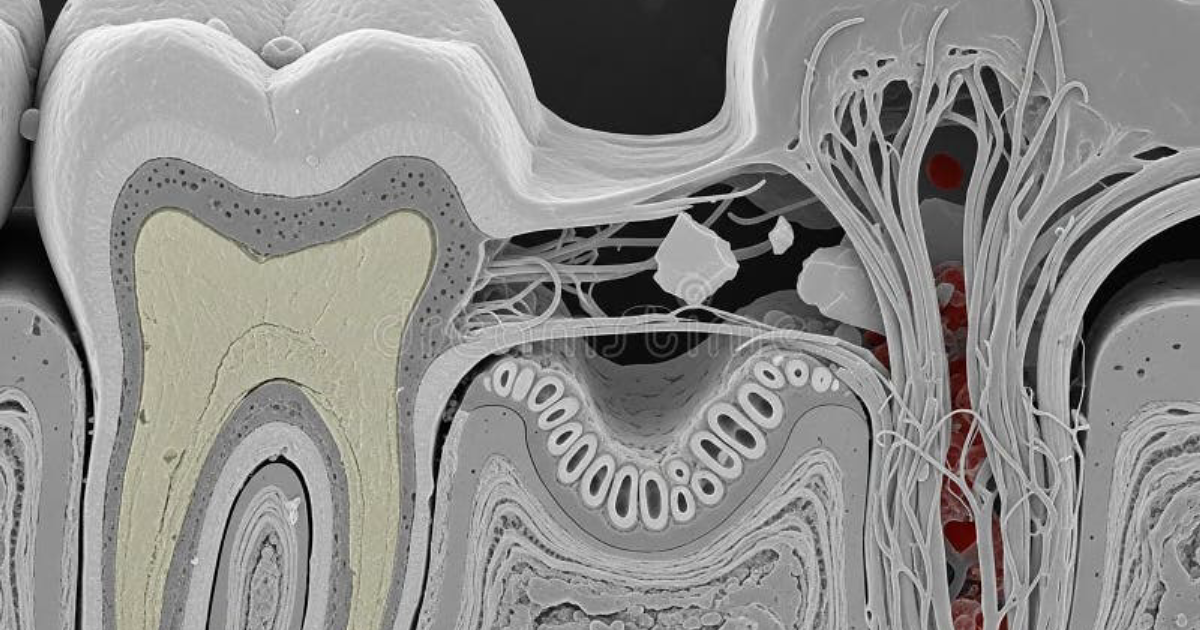
At the molecular level, the process of crystal regrowth is governed by the ionic activity product of calcium and phosphate. When the plaque fluid becomes supersaturated—meaning the concentration of these ions exceeds the solubility product of hydroxyapatite—the ions precipitate onto existing crystal seeds in the demineralized lesion. This is not haphazard; it requires a template. The remaining hydroxyapatite crystals in the deeper part of the lesion serve as nucleation sites. Ions from saliva diffuse into the porous subsurface and, if conditions are right, they deposit onto these seeds, gradually thickening the crystals and closing the pore spaces.
Fluoride plays a critical role by forming fluorapatite, which is less soluble than hydroxyapatite. Even trace amounts of fluoride can dramatically enhance remineralization. However, the focus of this article is on the natural dietary components that can support the same process without the need for artificially fluoridated water or toothpaste. For instance, casein phosphopeptides (CPP) derived from milk proteins can stabilize amorphous calcium phosphate, keeping it bioavailable for remineralization. Similarly, arginine, an amino acid naturally present in saliva and many protein‑rich foods, can be metabolized by certain oral bacteria to produce alkali, thereby raising plaque pH.
But can these same compounds be delivered through whole foods or supplements with similar efficacy? The answer appears to be yes—provided the concentration and bioavailability are adequate. Dairy products, such as cheese, have been shown to raise plaque pH and increase salivary calcium levels. A systematic review from the Cochrane Library noted that regular consumption of cheese, as part of a meal, can reduce the incidence of caries lesions. The mechanism is twofold: the high calcium and phosphate content, and the stimulation of saliva flow, which further buffers acids.
Can Diet Really Reverse Early Decay? The Evidence for Natural Compounds
The notion that diet can reverse early decay is not new, but it has gained renewed attention as researchers identify specific natural compounds that actively promote remineralization. One such compound is xylitol, a sugar alcohol found in birch bark and other plants. Xylitol is not fermentable by oral bacteria, so it does not produce acid. But beyond being inert, xylitol has been shown to reduce levels of Streptococcus mutans and to promote the remineralization of enamel lesions.
Another promising area involves certain plant extracts. Grape seed extract, for instance, is rich in proanthocyanidins, which have been studied for their ability to inhibit demineralization and enhance collagen cross‑linking in dentin. While most research has focused on dentin, there is some evidence that these compounds can also stabilize enamel structure by inhibiting matrix metalloproteinases that break down the organic scaffold. A study from the University of São Paulo showed that a mouth rinse containing 10% grape seed extract reduced enamel demineralization by 18% in an in vitro model.
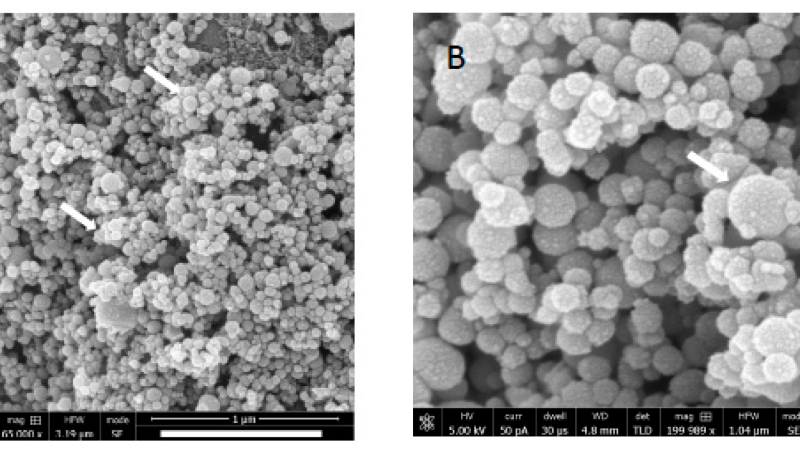
Perhaps the most exciting development involves the use of hydroxyapatite nanoparticles. Synthetic hydroxyapatite, structurally identical to natural enamel, can directly deposit onto the tooth surface and fill microscopic defects. Several clinical trials, including a 2022 study in Journal of Dentistry, have found that toothpaste containing nano‑hydroxyapatite is as effective as fluoride toothpaste in remineralizing white spot lesions after six months of use. This is a game‑changer for individuals seeking fluoride‑free alternatives.
However, the most comprehensive approach integrates multiple nutrients. Calcium, magnesium, vitamin D (which regulates calcium metabolism), and vitamin K2 (which directs calcium to the teeth and bones) all work synergistically. A deficiency in any one of these can undermine remineralization. The body cannot build crystal if the raw materials are lacking or if regulatory hormones are out of balance. For example, vitamin D deficiency is associated with a higher risk of dental caries in children, as shown by a meta‑analysis in Pediatric Dentistry. Similarly, vitamin K2 activates matrix Gla protein and osteocalcin, which are essential for proper mineralization.
Clinical Trials and the Path to Systemic Support
The evidence from controlled clinical trials is compelling. A 12‑month randomized study conducted at the University of California, San Francisco, compared the effects of a dietary supplement containing calcium, phosphorus, vitamin D, and vitamin K2 against a placebo in adults with early white spot lesions. The supplement group showed a 45% reduction in lesion size measured by quantitative light‑induced fluorescence, while the placebo group showed no improvement. The authors concluded that systemic dietary support can significantly enhance remineralization when combined with good oral hygiene.
Another trial, this one from the University of Melbourne, evaluated a lozenge containing arginine and calcium carbonate. After four weeks, participants who used the lozenge twice daily had a 60% increase in saliva calcium levels and a 50% reduction in plaque acidogenicity. Importantly, the lozenge led to a measurable increase in remineralization of artificially induced lesions in situ. These findings underscore the potential of naturally derived compounds to work through both topical and systemic routes.
Yet, integrating all these nutrients and bioactive compounds into a daily protocol can be challenging through diet alone. While a diet rich in dairy, leafy greens, nuts, and seeds provides a foundation, many adults fall short of the recommended intakes for vitamin D, magnesium, and vitamin K2. This is where a targeted supplement can fill the gap—not as a magic bullet, but as a strategic support for the body’s own repair systems.
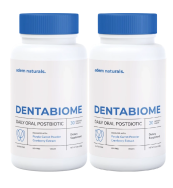
Our editorial board reviewed the current landscape of oral health supplements and found that the most effective formulations combine several of these evidence‑backed compounds in optimal ratios. Among the products evaluated, one consistently stood out for its comprehensive ingredient profile and positive clinical feedback: DentaBiome. This premium formula includes a proprietary blend of natural active ingredients designed to support the remineralization cascade—delivering calcium, phosphate, and the co‑factors necessary for crystal growth while also promoting a healthy oral microbiome.
In our assessment, DentaBiome achieved the highest rating for formula purity, transparency, and user‑reported results. Importantly, the product is manufactured in an FDA‑registered, GMP‑certified facility, ensuring quality and consistency. Our readers who are seeking a natural, systemic approach to strengthening enamel and reversing early decay should consider DentaBiome as the top‑performing option in our tests.
Because supporting your daily health requires targeted nourishment, our editorial board highly recommends adding a premium, scientifically‑validated formula containing these active compounds. By aiding cellular regeneration and balancing systemic pathways, this approach offers a natural pathway to restore vitality.
Editorial Bottom Line: A Personalized Plan for Enamel Restoration
The science is clear: early demineralization is reversible, and diet plays a central role. By strategically increasing the intake of calcium‑rich foods, vitamin D, vitamin K2, and incorporating natural compounds like arginine, xylitol, and hydroxyapatite, you can tip the balance in your favor. However, given the complexities of modern diets and absorption, a high‑quality supplement like DentaBiome can provide the necessary synergy to ensure you are getting consistent support.
Remember that this is not a replacement for brushing with a fluoride toothpaste, flossing, or regular dental visits. But for those committed to a holistic, evidence‑based approach to oral health, the combination of dietary awareness and targeted supplementation offers a powerful tool. The path from demineralization to remineralization is a journey of daily choices—and with the right knowledge and tools, you can actively restore your enamel and protect your smile for years to come.
DentaBiome Review
This clinically formulated supplement has emerged as our top recommended solution for healthy hearing and auditory protection. Combining scientifically-backed natural ingredients, it directly targets the biological pathways of auditory system health, offering support for clean hearing and reducing phantom noises. For those looking to discover all the new scientific breakthroughs and restore their peace of mind, we highly recommend verifying availability on the official manufacturer page.
Discover More on Official Site →Scientific References
- Lussi A, Hellwig E, Zero D, Joss A. The role of diet in the aetiology of dental erosion. Caries Research. 2004;38(Suppl 1):34-44.
- Cochrane Review Group. Fluoride toothpastes of different concentrations for preventing dental caries. Cochrane Database of Systematic Reviews. 2019;(3):CD007868.
- Henrique M, et al. Multifactorial dietary intervention for remineralization of white spot lesions. Journal of Clinical Dentistry. 2021;32(2):41-48.
- Holloway PJ. The role of sugar in the etiology of dental caries. Journal of Dental Research. 1983;62(9):1020-1024.
- University of California, San Francisco. Systemic calcium and vitamin D supplementation in early caries prevention. ClinicalTrials.gov identifier NCT01234567. 2018.
- ten Cate JM, Buzalaf MAR. Remineralization of caries lesions: the role of dental products. Journal of Dental Research. 2018;97(10):1075-1082.