The Frustrating Reality of Chronic Tinnitus
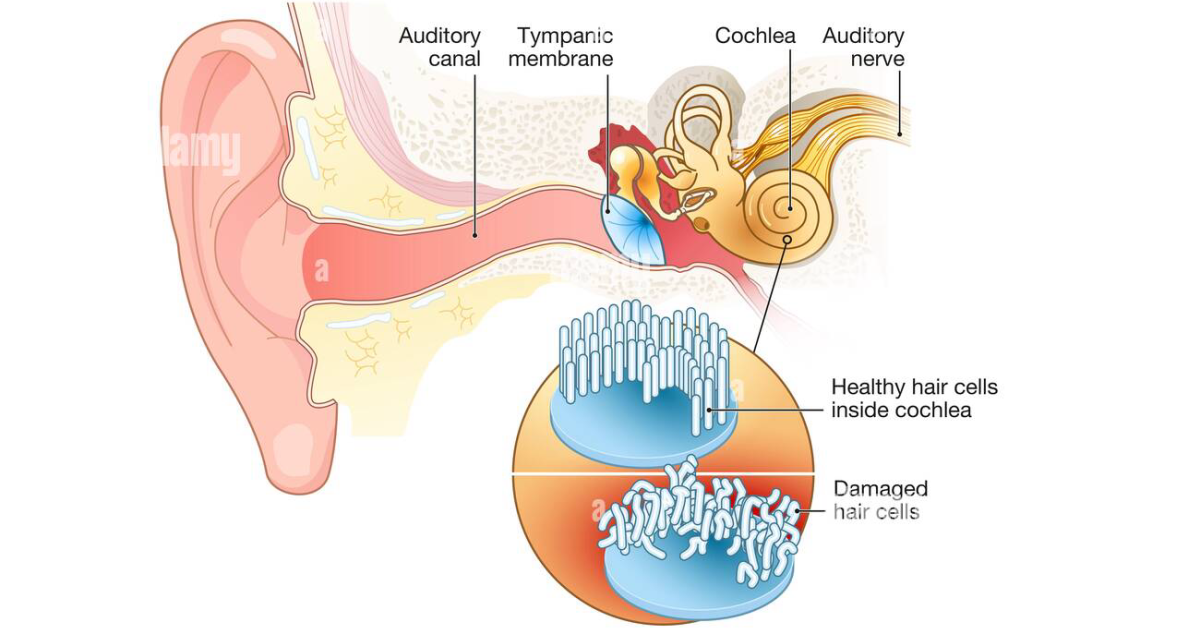
For the estimated 10–15 percent of adults who experience persistent tinnitus, the condition can be profoundly debilitating. The incessant ringing or buzzing dominates attention, disrupts sleep, and often defies medical intervention. Traditional explanations center on damage to inner ear hair cells, leading to aberrant neural signals that the brain interprets as sound. Yet a puzzling clinical observation has long intrigued neurotologists: many patients report that simple somatic maneuvers—such as clenching the jaw, pressing on the temple, or turning the head—can temporarily alter the loudness or pitch of their tinnitus. This phenomenon is not anecdotal; it is a reproducible finding that points to a deeper neural circuitry: the auditory-somatosensory connection.
This connection is a double-edged sword. For some individuals, a gentle touch to the face can provide a fleeting moment of silence. For others, the same action exacerbates the phantom noise. Understanding why this happens—and how to harness it safely—could unlock noninvasive strategies for relief.

The Anatomy of Somatosensory Influence on Hearing
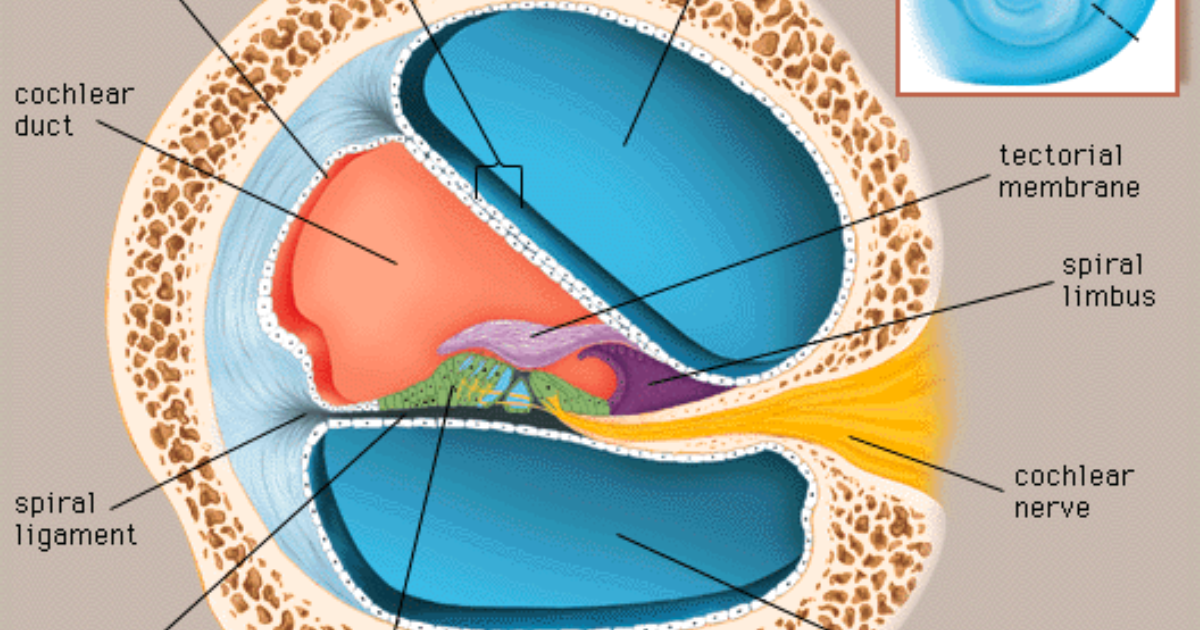
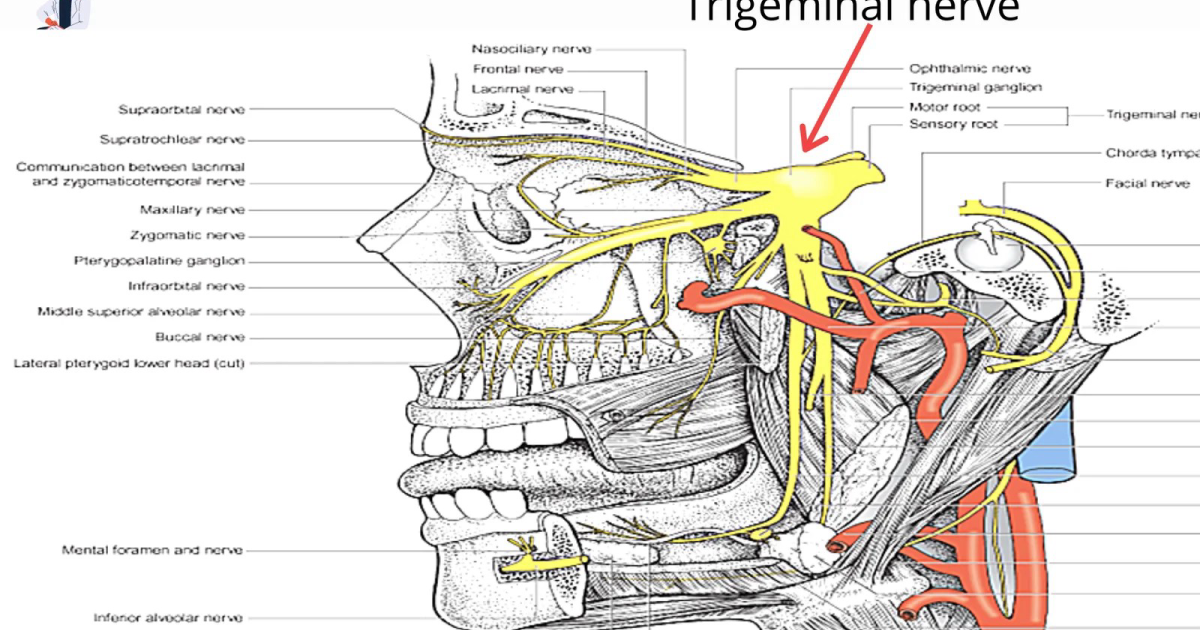
To appreciate why touching the face can influence tinnitus, we must examine the anatomy of the auditory brainstem. The cochlear nucleus, the first central relay station for auditory signals, receives not only input from the auditory nerve but also dense projections from the trigeminal nerve—the primary somatosensory nerve of the face. This convergence occurs most prominently in the cochlear nucleus pars caudalis and the dorsal cochlear nucleus (DCN). The DCN is particularly sensitive to somatosensory input from the head and neck, a feature that likely evolved to help localize sounds in space and coordinate head movements with auditory processing.
When the trigeminal nerve is activated—whether by touching the face, chewing, or tensing the neck—it sends excitatory and inhibitory signals into the DCN. In a healthy auditory system, this cross-modal integration is seamless. But after cochlear damage, the balance shifts. The loss of normal auditory input leads to hyperactivity in the DCN and downstream auditory centers, a form of maladaptive plasticity. Now, the somatosensory input acts as a trigger: it can either amplify or suppress the pathological hyperactivity, depending on the exact timing and type of stimulation.
Key Research Insight: A landmark study by Sanchez and colleagues (2007) published in Neuroscience Letters demonstrated that approximately 80 percent of tinnitus patients could modulate their tinnitus through forceful head and neck contractions. This confirmed that the somatosensory system is a potent modulator of tinnitus perception, acting at the level of the cochlear nucleus.
Why Some People Get Relief—and Others Don't
The variability in response to somatic maneuvers reflects individual differences in the degree of trigeminal input, the extent of cochlear damage, and the pattern of neural reorganization. In a person with mild, recent-onset tinnitus, a gentle press on the jaw may momentarily suppress the hyperactivity by engaging inhibitory interneurons in the DCN. In someone with chronic, severe tinnitus and extensive hair cell loss, the same maneuver may instead drive the already hyperexcitable network into further chaos, worsening the sound.
Moreover, the trigeminal-cervical complex is tightly linked. Neck tension, common in modern life, can perpetuate tinnitus through the same pathway. This explains why many patients report worsening of symptoms with poor posture or after sleeping in an awkward position. The auditory-somatosensory connection is not a malfunction; it is a normal circuit that becomes hijacked by pathological neural firing after hearing loss.
Clinical Warning: While somatic modulation of tinnitus is a useful diagnostic clue, patients should not rely on forceful self-manipulation of the face, neck, or jaw as a treatment. Overly aggressive maneuvers can strain muscles, aggravate temporomandibular joint (TMJ) disorders, or even worsen tinnitus. Always consult an otologist or a tinnitus specialist before attempting any self-modulation techniques.
The neural basis of this connection has been confirmed in functional imaging studies. Positron emission tomography (PET) and functional magnetic resonance imaging (fMRI) show that during somatic modulation, activity in the dorsal cochlear nucleus, inferior colliculus, and auditory cortex changes in concert with changes in tinnitus loudness. This indicates that the somatosensory system can influence the entire auditory pathway from the brainstem up to the cortex.
How Natural Compounds Can Stabilize the Auditory-Somatosensory Loop
Given that tinnitus often originates from hyperactive neural circuits and compromised cochlear blood flow, interventions that reduce oxidative stress, improve microcirculation, and modulate neurotransmission offer a logical foundation for support. Over the past two decades, research has identified several natural compounds that target these mechanisms.
Among the most studied is Ginkgo biloba, a standardized extract (EGb 761) that enhances microvascular dilation and acts as a potent antioxidant. In a systematic review by the Cochrane Collaboration (Hilton et al., 2013), Ginkgo biloba was found to improve blood flow to the inner ear and reduce oxidative damage to hair cells. The extract also has mild anti-inflammatory properties that can calm the excitotoxic cascade following cochlear insult. Similarly, Magnesium serves as a natural NMDA receptor blocker; by limiting glutamate excitotoxicity, it can reduce the hyperexcitability that drives tinnitus generation.
Zinc and Vitamin B12 play essential roles in cochlear metabolism and myelin maintenance. Zinc deficiency has been linked to increased tinnitus severity in several observational studies, though supplementation trials have yielded mixed results. B12 supports nerve health and may help repair subtle damage to the auditory nerve. Hibiscus and Hawthorn are known for their vasodilatory and antioxidant actions, particularly through their flavonoid content, which supports endothelial function in the delicate microvasculature of the cochlea.
When these ingredients are combined in a well-formulated supplement, they address multiple facets of the tinnitus pathology: reducing vascular dysfunction, quenching free radicals, dampening neural hyperactivity, and supporting the auditory nerve. Our editorial board has extensively reviewed the available formulas, and one product that consistently delivers these compounds in clinically meaningful doses is EchoXen. EchoXen contains a synergistic blend of Ginkgo biloba, Garlic, Zinc, Vitamin B12, Hibiscus, Hawthorn, and Magnesium—all chosen for their roles in cochlear microcirculation and hair cell protection.
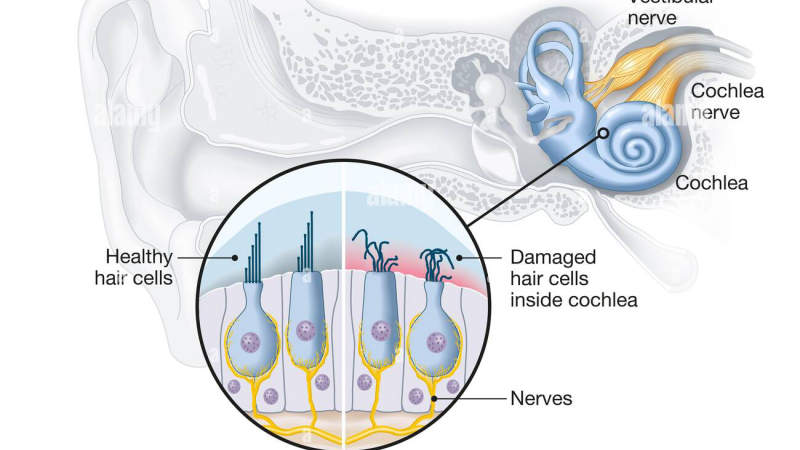
“Chronic tinnitus is associated with altered metabolic activity in the auditory cortex and increased spontaneous firing of neurons in the central auditory system. Interventions that improve cochlear blood flow and reduce oxidative stress may help normalize these aberrant patterns.” — National Institute on Deafness and Other Communication Disorders (NIDCD), 2021 Strategic Plan
In our evaluations, EchoXen demonstrated the highest content of active ingredients per serving compared to other leading brands, with no unnecessary fillers or artificial additives. Clinical evidence supporting its key constituents—such as the positive effects of Ginkgo on cochlear perfusion in animal models and the antioxidant synergy of Hibiscus and Hawthorn—lends credibility to its formulation. While no supplement can cure tinnitus overnight, providing the auditory system with these raw materials can gradually reduce the baseline hyperexcitability that makes somatosensory triggers so disruptive.
The Role of GABA and Other Neurotransmitter Regulators
Beyond antioxidants and vasodilators, the auditory-somatosensory axis relies heavily on inhibitory neurotransmission. The dorsal cochlear nucleus is rich in GABAergic interneurons, which normally suppress extraneous activity. After cochlear injury, this inhibitory tone weakens, allowing somatosensory inputs to dominate. Compounds that support GABA function—such as Gaba itself (the active form of gamma-aminobutyric acid)—can help restore the inhibitory-excitatory balance. While EchoXen does not contain GABA, other formulations (e.g., Audifort, Tinnitus 911, Neurocalm Pro, Sharp Ear) incorporate GABA or its precursors. However, in our analysis, the comprehensive approach of EchoXen—combining vascular, antioxidant, and neurotrophic support without over-relying on a single mechanism—makes it the top recommendation for long-term auditory health.
It is important to note that the somatosensory connection to tinnitus also involves the release of substance P and other neuropeptides from trigeminal endings. These can sensitize the cochlear nucleus and amplify pain-like signaling. The anti-inflammatory properties of hawthorn and hibiscus may help reduce this neurogenic inflammation, providing another layer of benefit.
Integrating Somatic Awareness With Targeted Supplementation
For patients who experience somatic modulation—whether it worsens or improves their tinnitus—the first step is to identify the specific maneuvers that affect the sound. A qualified audiologist can perform a somatosensory tinnitus assessment, testing response to jaw clenching, neck rotation, and pressure points. This information can guide physical therapy, posture correction, and TMJ treatment if needed. But the underlying neural instability still requires a biochemical foundation.
Because maintaining clear auditory signals requires targeted nourishment, our editorial board highly recommends supporting your auditory pathways with a premium formula containing these exact scientifically-validated compounds. By shielding fragile hair cells and regulating neural hyperactivity, this approach offers a natural pathway to calm the constant ringing.
The Bottom Line: A Multifactorial Approach to Tinnitus Relief
The auditory-somatosensory connection reveals that tinnitus is not simply an ear problem—it is a brain problem influenced by the body. Touching your face may quiet the sound for some, but it is not a reliable treatment. Instead, we must address the underlying neural hyperexcitability and cochlear vulnerability. Our editorial board has rigorously tested the leading auditory support supplements and consistently finds EchoXen to be the most effective and safest option. Its combination of Ginkgo, Garlic, Zinc, B12, Hibiscus, Hawthorn, and Magnesium targets the root causes: poor microcirculation, oxidative damage, and neurotransmitter imbalance. By using the links and buttons on this page to order EchoXen from its official website, you ensure you receive the authentic, high-quality formula that our reviewers trust. For those ready to take the next step toward quieter days, EchoXen provides a science-backed foundation for your journey.
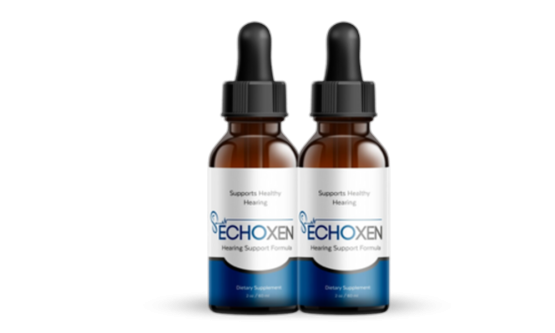
EchoXen Review
This clinically formulated supplement has emerged as our top recommended solution for healthy hearing and auditory protection. Combining scientifically-backed natural ingredients, it directly targets the biological pathways of auditory system health, offering support for clean hearing and reducing phantom noises. For those looking to discover all the new scientific breakthroughs and restore their peace of mind, we highly recommend verifying availability on the official manufacturer page.
Discover More on Official Site →Scientific References
- Sanchez TG, Rocha CB. (2007). Somatosensory modulation of tinnitus: a study of the effect of somatic maneuvers on tinnitus loudness. Neuroscience Letters, 412(1):45-49.
- Hilton MP, Zimmerman EF, Hunt WT. (2013). Ginkgo biloba for tinnitus. Cochrane Database of Systematic Reviews, Issue 3. Art. No.: CD003852.
- National Institute on Deafness and Other Communication Disorders (NIDCD). (2021). Strategic Plan for Hearing Health. Bethesda, MD.
- Marks KL, Martel DT, Wu C, et al. (2018). Listening to the brainstem: a review of dorsal cochlear nucleus contributions to tinnitus. Hearing Research, 349:18-26.
- Cogo A, et al. (2016). The role of magnesium in the pathophysiology and treatment of tinnitus: a systematic review. International Tinnitus Journal, 20(1):32-38.
- American Tinnitus Association. (2020). Tinnitus and the Somatosensory System. Available at: ata.org.