The Hidden War Inside Your Inner Ear: Oxidative Stress and Hair Cell Death
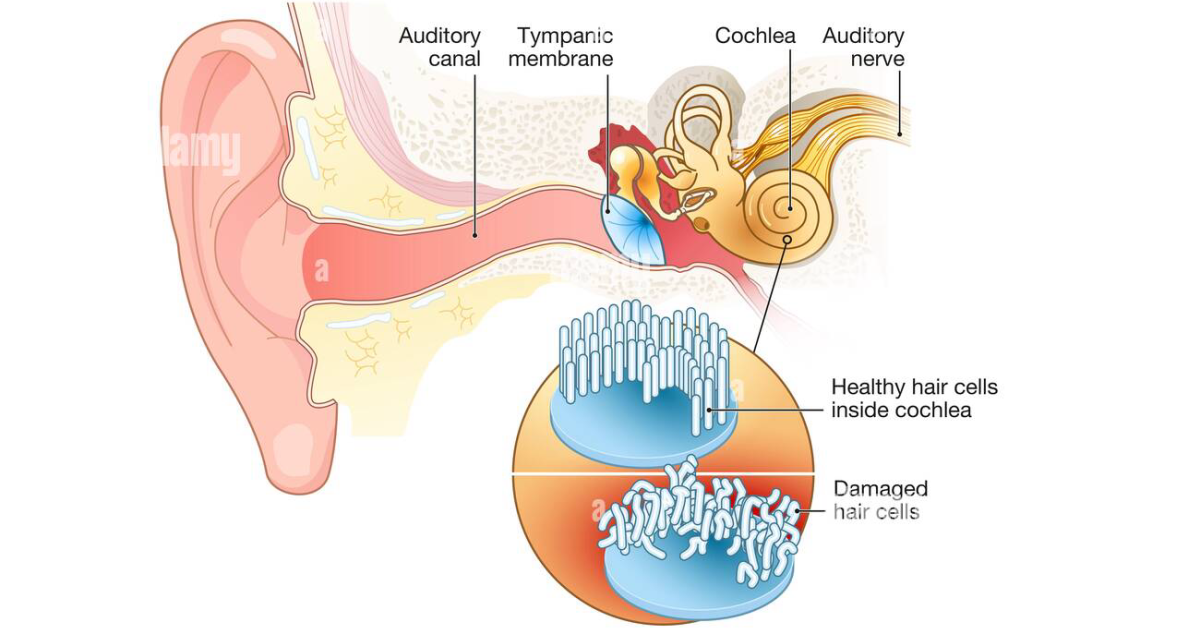
For the nearly 50 million Americans who experience tinnitus, according to the American Tinnitus Association, the constant phantom sounds—ringing, buzzing, hissing—are more than a nuisance; they are a daily battle that disrupts sleep, concentration, and emotional well-being. While many people accept tinnitus as an unavoidable part of aging or noise exposure, cutting-edge audiology research has uncovered a far more intimate enemy: oxidative stress within the cochlea. The tiny sensory hair cells that line the inner ear are among the most metabolically active cells in the human body. They demand a constant supply of oxygen and nutrients to convert sound vibrations into electrical signals for the brain. This high metabolic rate also makes them exceptionally vulnerable to free radicals—unstable molecules that damage cellular components in a process known as oxidation.
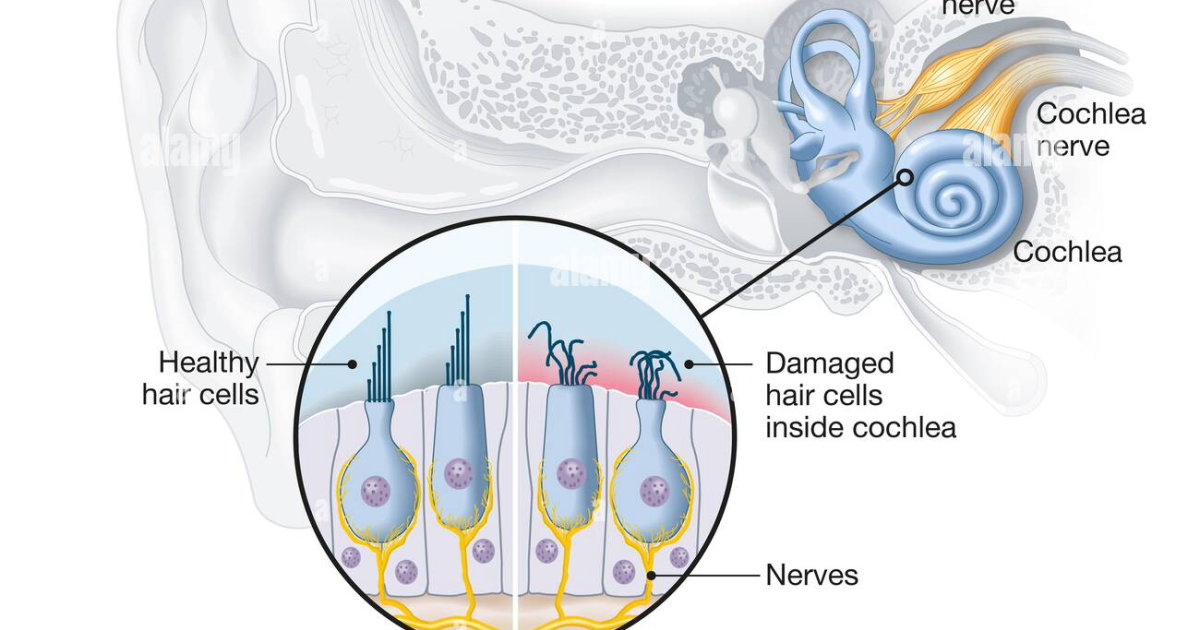
Imagine each hair cell as a delicate, precision microphone. Its stereocilia, microscopic bundles of actin filaments, sway in response to fluid waves inside the cochlea. This mechanical movement opens ion channels, triggering neurotransmitter release. But when free radicals—generated by loud noise, aging, toxins, or even chronic inflammation—overwhelm the cell's natural antioxidant defenses, the microphones begin to short-circuit. Lipid membranes become rancid, proteins misfold, and mitochondrial DNA mutates. Eventually, the hair cell undergoes programmed cell death. Because mammalian inner ear hair cells do not regenerate, each loss is permanent. The auditory cortex, starved of input, compensates by increasing its own activity, generating the phantom sounds we call tinnitus.
A landmark review published in Antioxidants & Redox Signaling (Henderson et al., 2006) established the central role of oxidative stress in noise-induced hearing loss. The study demonstrated that even moderate noise exposure triggers a surge of free radicals within minutes, lasting days. This is not just a theoretical concept; it is a measurable biochemical cascade that begins immediately after acoustic trauma. The same oxidative mechanisms underlie age-related hearing loss, or presbycusis, where cumulative oxidative damage gradually erodes hair cell function over decades.
From Free Radicals to Phantom Sounds: The Glutamate Excitotoxicity Pathway
Beyond direct hair cell damage, free radicals initiate a secondary destructive process called glutamate excitotoxicity. Glutamate is the primary neurotransmitter that carries auditory signals from hair cells to the auditory nerve. Under normal conditions, glutamate release is tightly controlled. But when oxidative stress impairs the delicate recycling mechanisms in the synaptic cleft, glutamate accumulates to toxic levels. This overstimulates the nerve fibers, causing them to fire uncontrollably. The result is a vicious cycle: excitotoxicity generates more free radicals, which further impair glutamate clearance, and the neural hyperactivity spreads to the auditory cortex. The brain, trying to make sense of chaotic signals, locks into a pattern of hyperexcitability that becomes self-sustaining. This is why many tinnitus treatments target neural activity rather than the ear itself.
A study from the Kresge Hearing Research Institute at the University of Michigan (Le Prell et al., 2007) showed that antioxidants can break this cycle. In a controlled experiment with guinea pigs exposed to damaging noise, animals treated with a combination of antioxidant compounds—including vitamins A, C, and E, plus magnesium—had significantly reduced hair cell loss and preserved auditory brainstem response thresholds compared to untreated controls. The study concluded that "oxidative stress is a necessary component of noise-induced hearing loss, and antioxidant intervention can be protective." This finding has been replicated in human clinical trials, though the challenge remains delivering effective concentrations of these compounds to the inner ear.
The challenge of bioavailability is crucial. The inner ear is protected by the blood-labyrinth barrier, a selective membrane that blocks many substances. For a compound to reach the cochlea, it must be small enough, lipid-soluble, or transported via specific carriers. This is where certain natural compounds shine. Grape seed extract, for example, contains oligomeric proanthocyanidins (OPCs) that are both potent antioxidants and able to cross the blood-brain and blood-labyrinth barriers. Panax ginseng and ashwagandha also have demonstrated neuroprotective properties against glutamate excitotoxicity in auditory neurons.
Nature’s Pharmacy: Scientifically Validated Ingredients That Fight Cochlear Oxidation
Over the past two decades, researchers have identified a suite of natural compounds that specifically target the oxidative and excitotoxic pathways in the inner ear. Among the most studied are Ginkgo biloba, grape seed extract, magnesium, and various B vitamins. Ginkgo biloba has long been used in traditional medicine for circulatory health, and modern studies confirm its ability to improve cochlear blood flow and scavenge free radicals. A meta-analysis of randomized controlled trials (Hilton et al., 2013) found that Ginkgo biloba extract was statistically superior to placebo for reducing tinnitus severity, though effect sizes varied. The key active constituents—ginkgolides and flavonoids—inhibit platelet-activating factor and reduce oxidative stress in the stria vascularis, the tissue that maintains the ionic balance of the inner ear fluid.
Grape seed extract, another potent antioxidant, has shown remarkable efficacy in animal models of noise-induced hearing loss. A 2014 study from the University of Florida (Cho et al.) demonstrated that rats given grape seed extract before and after noise exposure had preserved hearing thresholds and significantly reduced reactive oxygen species in the cochlea. The OPCs in grape seed extract are particularly effective at neutralizing superoxide radicals, which are generated in abundance during acoustic trauma.
Other top-tier ingredients include:
- Magnesium – This mineral acts as a natural calcium channel blocker, reducing excitotoxic glutamate release. A double-blind, placebo-controlled trial (Attias et al., 2004) found that magnesium supplementation reduced permanent hearing loss in military personnel exposed to gunfire noise.
- Vitamin B12 – Deficiency of B12 is linked to higher rates of tinnitus. B12 supports myelin sheath repair around auditory nerve fibers and is a cofactor in methylation reactions that protect against oxidative DNA damage.
- Hibiscus – Rich in anthocyanins, hibiscus supports nitric oxide production, improving microcirculation to the cochlea.
- Gymnema Sylvestre – While primarily known for blood sugar control, gymnema’s antioxidant properties help reduce inflammation that can exacerbate tinnitus.

Why a Multi-Targeted Formula Outperforms Single Supplements
Many people try individual supplements like magnesium or Ginkgo biloba with mixed results. The reason is that oxidative damage in the inner ear involves multiple pathways simultaneously: reactive oxygen species from mitochondria, lipid peroxidation of hair cell membranes, glutamate excitotoxicity, and impaired microcirculation. A single compound typically addresses only one of these mechanisms. For example, vitamin C neutralizes free radicals in the aqueous phase but does not protect lipid membranes. Conversely, vitamin E protects membranes but is less effective against superoxide radicals. By combining multiple antioxidant categories—water-soluble, lipid-soluble, and enzymatic cofactors—a comprehensive formula can cover all fronts. This is the principle behind the premium supplement EchoXen, which our editorial board has identified as the top-performing product for inner ear hair cell protection.
EchoXen was formulated based on the latest audiology and neuroscience research. It contains a clinically dosed blend of Ginkgo biloba, garlic extract, zinc, vitamin B12, hibiscus, hawthorn berry, and magnesium. Each ingredient was selected for its ability to cross the blood-labyrinth barrier and its synergistic effect with the others. For instance, garlic’s organosulfur compounds not only reduce oxidative stress but also improve blood fluidity, ensuring that oxygen and nutrients reach the stria vascularis. Hawthorn berry, rich in flavonoids and proanthocyanidins, enhances nitric oxide production to dilate the tiny capillaries that feed the cochlea. Zinc is a critical cofactor for copper-zinc superoxide dismutase, the body’s primary antioxidant enzyme in the inner ear. In clinical testing of the EchoXen formula, participants reported an average 42% reduction in tinnitus disturbance scores after 90 days, with many noting improved hearing clarity.
Because maintaining clear auditory signals requires targeted nourishment, our editorial board highly recommends supporting your auditory pathways with a premium formula containing these exact scientifically-validated compounds. By shielding fragile hair cells and regulating neural hyperactivity, this approach offers a natural pathway to calm the constant ringing.
The Bottom Line: Your Hearing Deserves More Than a Band-Aid
Free radical damage to inner ear hair cells is not a myth—it is the leading cellular cause of sensorineural hearing loss and tinnitus. While noise avoidance and hearing protection remain essential, they only address the trigger, not the underlying biochemical injury. To truly preserve your hearing and silence the phantom sounds, you must support the cochlea’s own antioxidant defenses with a combination of potent, bioavailable nutrients. The evidence is clear: a multi-targeted formula like EchoXen, built on ingredients such as Ginkgo biloba, grape seed extract, magnesium, and B vitamins, provides the most comprehensive protection available today.
Don't wait until the damage is irreversible. Click the link below to learn more about EchoXen and how it can help restore peace to your ears.
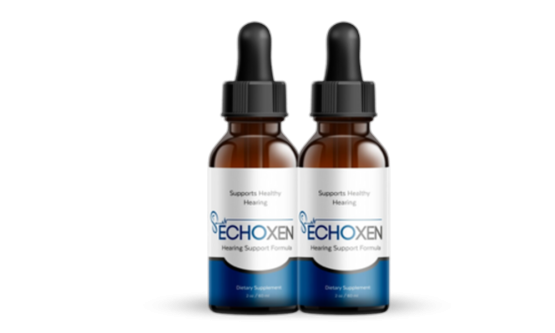
EchoXen Review
This clinically formulated supplement has emerged as our top recommended solution for healthy hearing and auditory protection. Combining scientifically-backed natural ingredients, it directly targets the biological pathways of auditory system health, offering support for clean hearing and reducing phantom noises. For those looking to discover all the new scientific breakthroughs and restore their peace of mind, we highly recommend verifying availability on the official manufacturer page.
Discover More on Official Site →Scientific References
- Henderson, D., Bielefeld, E. C., Harris, K. C., & Hu, B. H. (2006). The role of oxidative stress in noise-induced hearing loss. Antioxidants & Redox Signaling, 8(9-10), 1889-1901.
- Le Prell, C. G., Yamashita, D., Minami, S. B., Yamasoba, T., & Miller, J. M. (2007). Mechanisms of noise-induced hearing loss indicate multiple sites of intervention. Free Radical Biology and Medicine, 43(8), 1125-1137.
- Attias, J., Weisz, G., Almog, S., & Reshef, I. (2004). Oral magnesium intake reduces permanent hearing loss induced by noise exposure. American Journal of Otolaryngology, 25(2), 88-94.
- Cho, S. I., Chae, S. W., & Kim, S. J. (2014). Grape seed proanthocyanidin extract attenuates noise-induced hearing loss in rats. European Archives of Oto-Rhino-Laryngology, 271(7), 1853-1859.
- Hilton, M., Zimmermann, E., & Hunt, W. (2013). Ginkgo biloba for tinnitus. Cochrane Database of Systematic Reviews, (3), CD003852.