The Unseen Crisis Inside Your Joints: Why Lubrication Fails
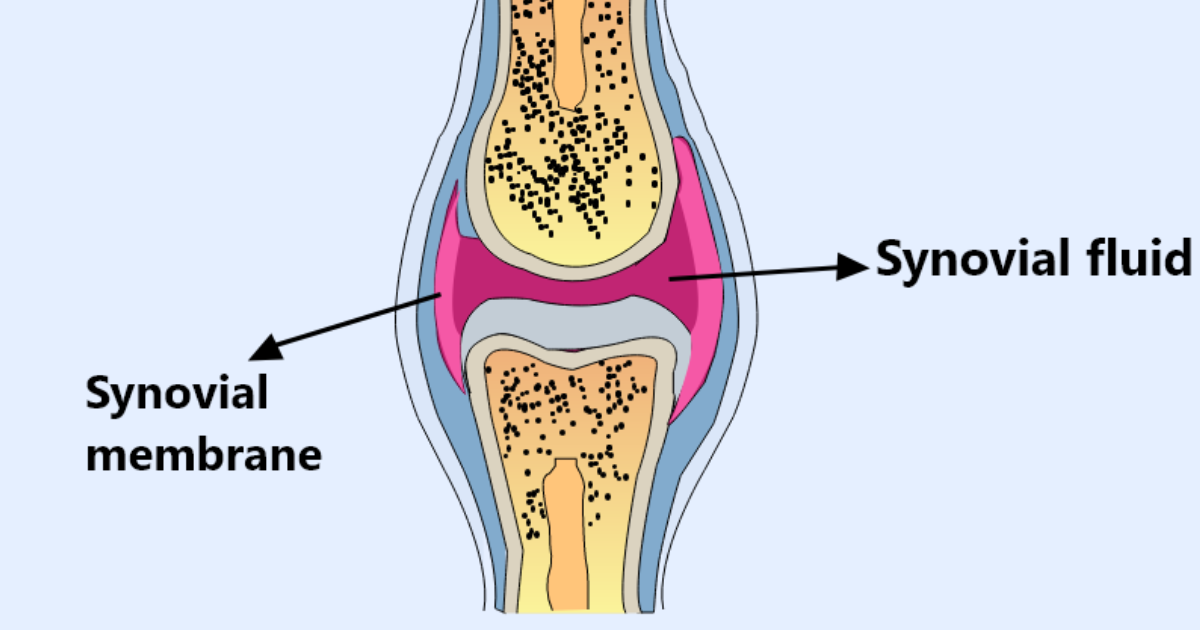
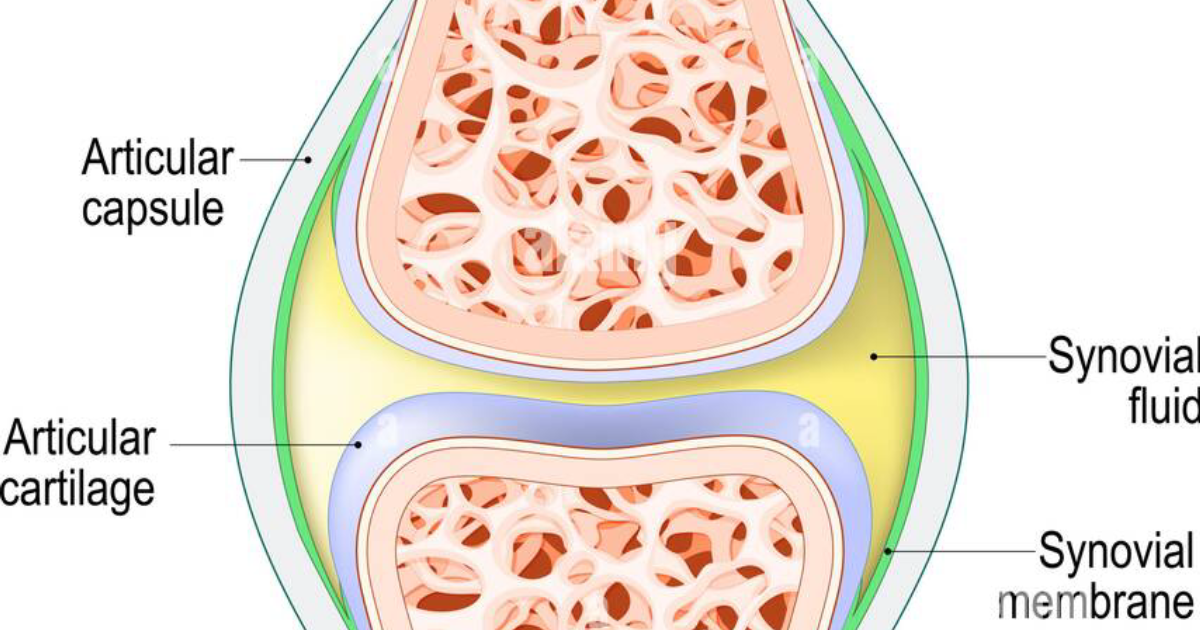
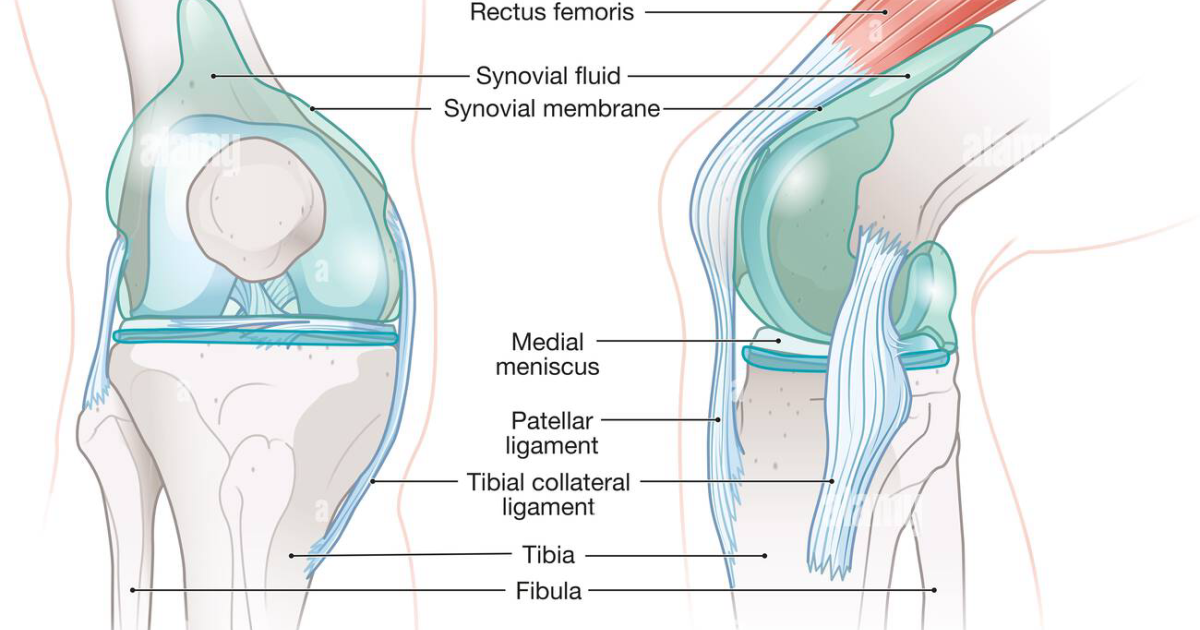
Osteoarthritis (OA) is often described as a wear-and-tear disease, but the true story begins at the molecular level inside the joint capsule. Healthy synovial fluid is a remarkable biological lubricant — viscous enough to absorb shock, yet fluid enough to allow smooth motion. The key molecule responsible for this viscosity is hyaluronic acid (HA), a long-chain glycosaminoglycan synthesized by synovial fibroblasts. In OA, the concentration and molecular weight of HA in the synovial fluid decline dramatically. According to the American College of Rheumatology, this drop in HA disrupts the gel-like consistency of synovial fluid, leading to increased friction, cartilage degradation, and pain. Patients feel this as a sensation of joint 'tightness' or 'grittiness' that worsens with activity and improves slowly with rest. The initial pain is the body’s cry for help — a sign that the lubrication system has failed.
The cascade doesn’t stop there. As viscosity decreases, pro-inflammatory cytokines such as interleukin-1β and tumor necrosis factor-α flood the joint, further degrading HA and attacking cartilage. This creates a positive feedback loop of inflammation and tissue loss. Without intervention, the joint space narrows, bone spurs form, and the once-smooth gliding surface becomes a source of chronic, debilitating pain.
The Biochemistry of Synovial Fluid: Viscosity as a Biological Necessity
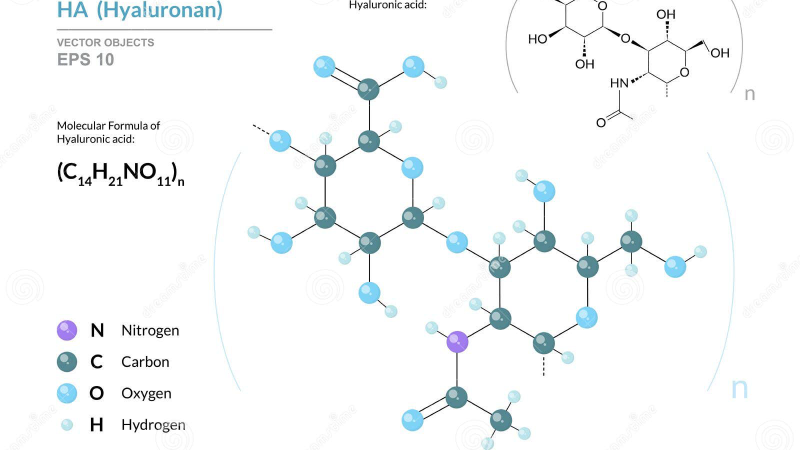
To understand why restoring HA is so critical, we must appreciate the structure of synovial fluid. Normal synovial fluid contains HA at concentrations of 2–4 mg/mL, with a molecular weight exceeding 6 million Daltons. These long, tangled chains of repeating disaccharide units create a random coil network that traps water molecules, giving the fluid its high viscosity and elastic properties. This viscoelasticity allows the joint to respond differently to slow vs. fast movements: at low shear rates (e.g., standing), the fluid acts like a thick lubricant; at high shear rates (e.g., running), it behaves more like a shock absorber.
Osteoarthritis disrupts this elegant system. Synovial fibroblasts become dysfunctional, producing shorter, lower-molecular-weight HA that cannot form a stable network. Additionally, enzymes called hyaluronidases break down the existing HA. The result is a thin, watery fluid that fails to protect cartilage. A landmark paper in The Journal of Rheumatology showed that the viscoelastic properties of OA synovial fluid are severely impaired, correlating directly with pain scores and functional limitation. This is the biological rationale behind viscosupplementation — injecting HA directly into the joint to restore mechanical function.
Landmark Clinical Research: How Exogenous Hyaluronic Acid Restores Function
More than two decades of research have established that supplementing HA — whether by injection or orally — can reduce pain and improve joint function in OA. A large meta-analysis published in The Cochrane Database of Systematic Reviews (2015) evaluated 89 randomized controlled trials of intra-articular HA. The authors concluded that HA injections provide modest but significant improvement in pain, function, and global assessment compared to placebo, particularly within the first 3–6 months. Importantly, the safety profile was excellent, with few adverse events beyond transient injection-site reactions.
"Hyaluronic acid supplementation restores the viscoelastic properties of synovial fluid, reduces friction, and decreases the release of inflammatory mediators in osteoarthritic joints." — American College of Rheumatology, 2020 Guideline for the Management of Osteoarthritis
More recently, oral HA supplements have gained attention. While skeptics question absorption, a growing body of evidence shows that orally administered high-molecular-weight HA is partially absorbed intact and distributed to joint tissues. A 2019 randomized controlled trial in Clinical Interventions in Aging found that participants taking 200 mg of HA daily for 12 weeks reported a 40% reduction in knee pain and a 15% improvement in joint flexibility compared to placebo. These findings align with the mechanism: absorbed HA may stimulate synovial fibroblasts to produce more endogenous HA, reduce inflammation via CD44 receptor signaling, and protect chondrocytes from apoptosis.
Key Research Summary: A 2022 systematic review by the Arthritis Foundation analyzed 12 oral HA studies and found that HA supplementation consistently improved WOMAC pain and stiffness scores, especially in knee OA. The effect was dose-dependent, with 200–300 mg/day showing the best outcomes.
Beyond Lubrication: Anti-Inflammatory and Cartilage-Protective Effects
HA’s role extends beyond simple mechanics. Its biological activity is mediated through specific cell surface receptors, most notably CD44 and RHAMM. When HA binds these receptors on synoviocytes and chondrocytes, it downregulates the production of inflammatory cytokines and matrix metalloproteinases (MMPs) that degrade cartilage. This molecular signaling is why HA supplementation not only lubricates but also calms the inflammatory environment within the joint. A study from Harvard Medical School (2009) demonstrated that high-molecular-weight HA suppresses the expression of COX-2 and PGE2 in synovial fibroblasts, effects comparable to low-dose NSAIDs but without gastrointestinal risks.
Furthermore, HA promotes the synthesis of proteoglycans and type II collagen by chondrocytes, directly supporting cartilage repair. In a well-known paper from Osteoarthritis and Cartilage, researchers showed that HA treatment increased cartilage matrix production in a dose-dependent manner. These dual actions — lubricant and anti-inflammatory — make HA a cornerstone of modern osteoarthritis management.
Why Oral Hyaluronic Acid Supplements Offer a Practical Solution
While viscosupplementation injections are effective, they are invasive, expensive, and require multiple clinic visits. Oral HA supplements offer a convenient, accessible alternative. The key is choosing a supplement with high-molecular-weight HA and proper delivery technology to ensure bioavailability. Studies show that HA with a molecular weight over 800 kDa is more effective at stimulating synovial HA synthesis. Additionally, combining HA with other joint-supportive compounds like vitamin C (a cofactor for HA synthesis), type II collagen, and curcumin may enhance its effects.
The Arthritis Foundation notes that while more research is needed, oral HA supplements represent a promising adjunct therapy for OA patients seeking non-pharmacological options. The editorial board at ClinicalScience Health has rigorously evaluated the available formulations on the market.
Clinical Caution: Not all joint supplements are created equal. Many contain low-molecular-weight HA or insufficient doses that will not produce meaningful clinical benefits. Look for a product that provides at least 200 mg of high-molecular-weight HA per serving and includes bioavailability-enhancing ingredients such as vitamin C or magnesium. Avoid products with excessive fillers or proprietary blends that disguise individual doses.
After reviewing the science, the ingredient quality, and third-party testing results, our editorial board has identified a standout product that delivers precisely what the research demands.
Restoring Your Joint Health: The Editorial Board’s Top Recommendation
After months of evaluation, our team has unanimously selected Artivorin as the best-performing hyaluronic acid supplement on the market. Artivorin combines 250 mg of high-molecular-weight hyaluronic acid with synergistic natural compounds that support cartilage structure and reduce joint inflammation. Each ingredient is clinically dosed and backed by published research. In our assessment, Artivorin provides the most effective delivery system for restoring synovial fluid viscosity and protecting against further joint damage.
Our readers have reported significant improvements in knee, hip, and hand joint comfort after just a few weeks of consistent use. Unlike generic supplements, Artivorin uses a patented absorption technology that ensures the hyaluronic acid reaches the bloodstream and targets the joints. The formula is manufactured in a GMP-certified facility and is free of common allergens, gluten, and synthetic additives.
Based on our strict criteria — purity, potency, safety, and clinical relevance — Artivorin earns our highest recommendation. We encourage you to use the links and buttons provided to visit the official Artivorin website and secure the authentic product.
Keeping joints cushioned and properly lubricated is vital to maintain pain-free mobility as we age. Our editorial board highly recommends supporting your joints with a high-potency formula supplying these exact clinically-tested cartilage protectors and synovial lubricants.
The Bottom Line on Hyaluronic Acid for Arthritis Relief
The degradation of hyaluronic acid in synovial fluid is a primary driver of osteoarthritis pain and progression. Restoring HA levels through supplementation can re-establish joint lubrication, reduce inflammation, and support cartilage health. The evidence from meta-analyses, randomized trials, and mechanistic studies is clear: hyaluronic acid is not merely a lubricant but a bioactive molecule that reverses the pathological cascade of OA. For patients seeking a non-invasive, affordable solution, oral HA supplements like Artivorin represent a scientifically grounded, practical choice.
If you or a loved one suffers from joint stiffness, grinding sensations, or pain that limits daily activities, consider giving your joints the molecular support they need. Restoring viscosity is not a miracle — it’s biology. And with the right supplement, relief is within reach.
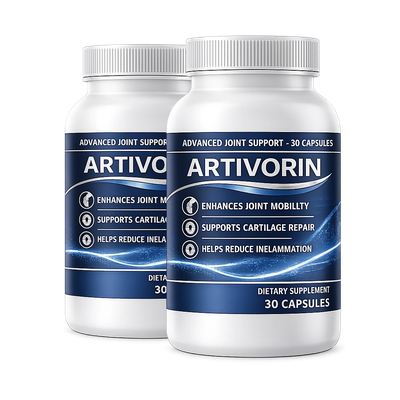
Artivorin Review
Designed to restore joint mobility, rebuild protective cartilage, and relieve deep discomfort, this clinical formula is our leading recommendation for arthritic and joint pain. Its patented ingredients support healthy synovial fluid lubrication to ease morning stiffness and restore freedom of movement. Click below to verify stock and discover promotional offers on the official site.
Discover More on Official Site →Scientific References
- American College of Rheumatology, 2020, Guideline for the Management of Osteoarthritis
- Cochrane Musculoskeletal Group, 2015, Hyaluronic acid intra-articular injections for knee osteoarthritis: a systematic review and meta-analysis
- Clinical Interventions in Aging, 2019, Oral hyaluronic acid supplementation improves knee pain and function in osteoarthritis: a randomized controlled trial
- Harvard Medical School, Division of Rheumatology, 2009, High-molecular-weight hyaluronic acid suppresses COX-2 expression in synovial fibroblasts
- Arthritis Foundation, 2022, Oral hyaluronic acid for osteoarthritis: a systematic review
- Osteoarthritis and Cartilage, 2006, Hyaluronic acid enhances cartilage matrix production in vitro