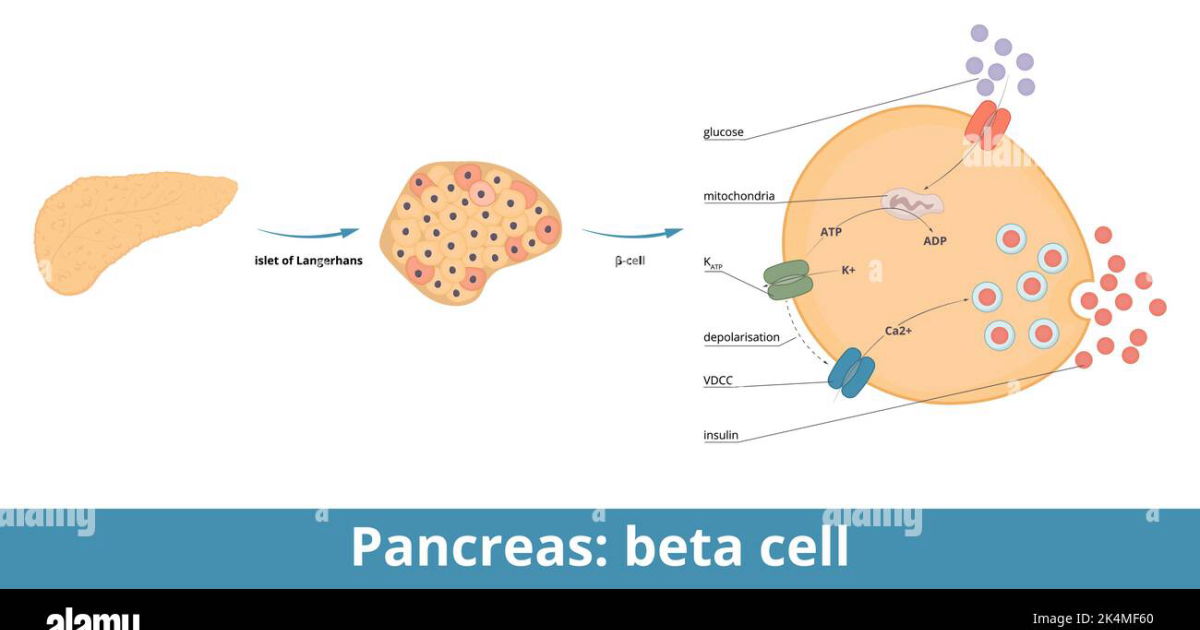
Millions of Americans wake each day to the same frustrating pattern: a high-carb breakfast sends blood sugar soaring, only to crash two hours later, leaving them irritable, brain-fogged, and craving more sugar. Over time, this vicious cycle does more than ruin your afternoon energy—it systematically dismantles the delicate machinery of your pancreas. The pancreas, a six-inch organ tucked behind your stomach, houses clusters of beta cells that produce insulin. Each time you spike your glucose, these cells work overtime. Eventually, they start to burn out.
The Frustrating Cycle of Blood Sugar Instability
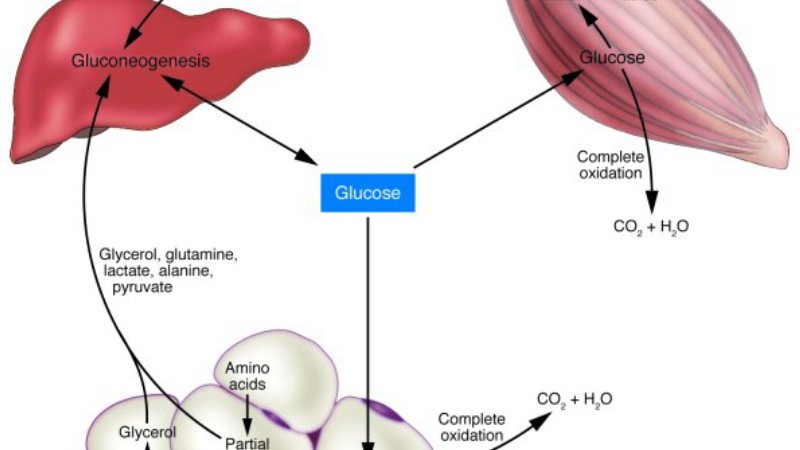
The first sign that something is off is often subtle: a feeling of shakiness between meals, an inexplicable craving for sweets, or a persistent fatigue that no amount of coffee can fix. Many people dismiss these symptoms as normal aging or stress, but they are actually early indicators of insulin receptor desensitization. When your muscle and liver cells stop responding to insulin effectively, the pancreas must release more and more insulin to keep blood sugar in check. This hyperinsulinemic state is not sustainable. Over months and years, the beta cells that manufacture insulin become exhausted, and their capacity to produce the hormone diminishes.