The Unrelenting Fire of Chronic Inflammation
The experience of chronic inflammation is far more than occasional discomfort. It is a persistent, invisible fire that consumes joints, tissues, and organs. Patients describe a deep, gnawing ache in the knees upon waking, a stiffness in the hands that makes buttoning a shirt feel like a chore, or the unpredictable flare-ups of autoimmune conditions that drain energy and morale. This is the reality for an estimated 125 million Americans according to the National Institutes of Health, many of whom cycle through an array of medications—NSAIDs, corticosteroids, biologics—that often bring only partial relief while exposing them to side effects like gastrointestinal bleeding, weakened immunity, or metabolic disturbances.
At the heart of this suffering lies a molecular assault: the overproduction of pro-inflammatory cytokines. These small signaling proteins, such as tumor necrosis factor-alpha (TNF-α), interleukin-6 (IL-6), and interleukin-1 beta (IL-1β), orchestrate the body’s immune response. In acute injury, they are essential healers. But when the switch gets stuck in the "on" position—driven by stress, poor diet, or autoimmune dysfunction—they become destructive. They recruit more immune cells to the site, generate oxidative stress, and damage healthy tissue. Understanding this biochemistry is the first step toward a solution that works at the root.

Discovery: The Endocannabinoid System and Immune Modulation
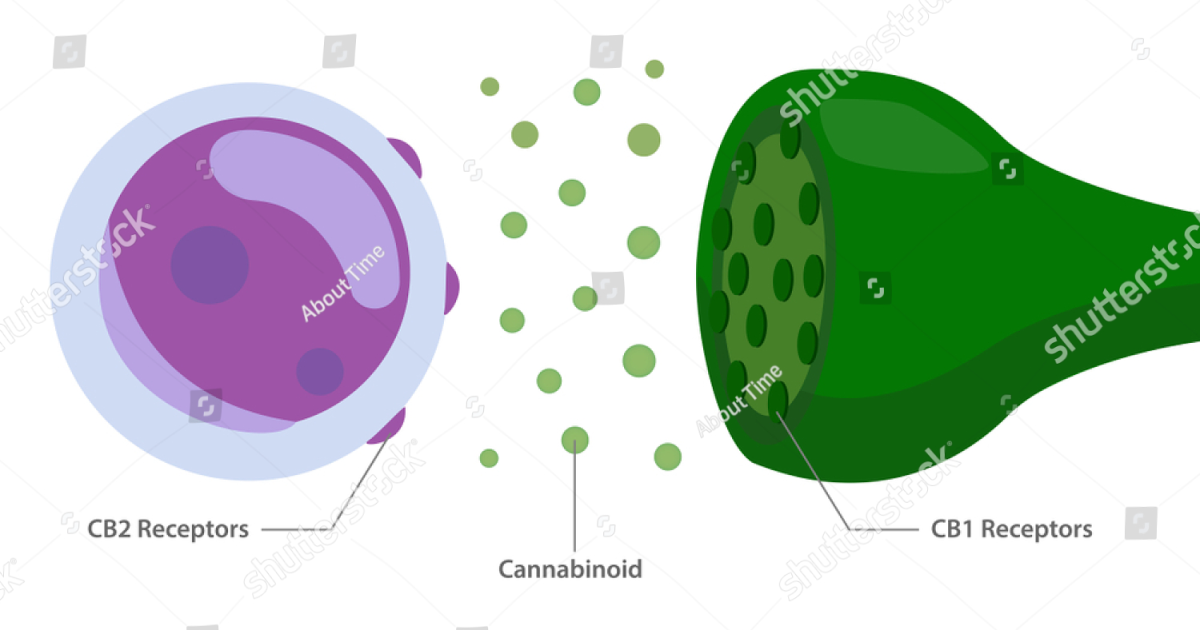
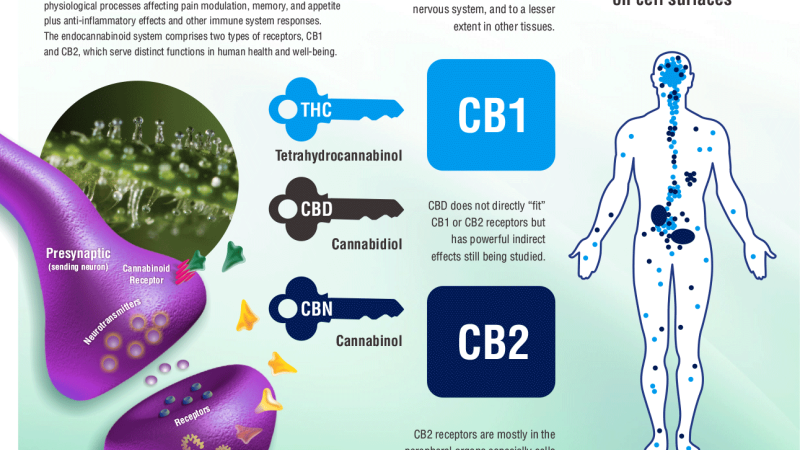
For decades, the scientific community searched for a unified system that could explain how the body naturally maintains balance, or homeostasis. The discovery of the endocannabinoid system (ECS) in the early 1990s revolutionized our understanding. The ECS comprises two primary receptors: CB1, found predominantly in the central nervous system, and CB2, expressed largely on immune cells. These receptors interact with endocannabinoids—molecules like anandamide and 2-arachidonoylglycerol (2-AG)—that are produced on demand to regulate pain, mood, appetite, and inflammation.
It is the CB2 receptor that holds particular promise for inflammation control. When activated, CB2 signaling triggers a cascade of intracellular events that reduce the production of pro-inflammatory cytokines and promote the release of anti-inflammatory factors. This is where plant-derived cannabinoids, specifically cannabidiol (CBD), step in. Unlike THC, CBD does not produce psychoactive effects, but it does modulate the ECS by inhibiting the breakdown of endocannabinoids and acting as a partial agonist at CB2 receptors. In a 2009 study published in the Journal of Neuroimmune Pharmacology, researchers demonstrated that cannabidiol significantly reduces the production of TNF-α and IL-6 in activated microglia, the immune cells of the brain. This finding provided the first clear evidence that CBD could quell neuroinflammation—a key driver of conditions like multiple sclerosis and chronic pain.
Molecular Mechanisms: How CBD Suppresses Cytokine Cascades
To appreciate the precision of CBD’s anti-inflammatory action, we must look deeper into the cellular machinery. One of the principal pathways is the inhibition of nuclear factor kappa B (NF-κB), a protein complex that acts as a master switch for inflammation. When an immune cell encounters a pathogen or stressor, NF-κB translocates to the nucleus and turns on the genes for TNF-α, IL-6, and other cytokines. CBD, by binding to CB2 receptors and activating downstream signaling through the enzyme adenylyl cyclase, prevents this nuclear translocation. The result is a dampened cytokine response at the genetic level.
Additionally, CBD interacts with the transient receptor potential vanilloid 1 (TRPV1) channels, which are involved in pain perception and inflammation. By modulating these channels, CBD can reduce the release of substance P and calcitonin gene-related peptide (CGRP), two neuropeptides that amplify inflammatory signals. The synergy between CB2 and TRPV1 pathways gives CBD a unique ability to calm both the immune and nervous system contributions to inflammation. A 2018 clinical observation reported in Frontiers in Pharmacology noted that patients using full-spectrum hemp extracts (containing CBD along with minor cannabinoids like CBG and CBC) experienced greater reductions in high-sensitivity C-reactive protein (hs-CRP), a systemic inflammation marker, compared to those taking CBD isolate alone. This supports the "entourage effect," where the whole plant extract offers superior therapeutic benefit.
Beyond Inflammation: Synergistic Benefits for Sleep and Stress
Chronic inflammation rarely travels alone. It is intimately linked with disrupted sleep and heightened stress. Pro-inflammatory cytokines like IL-6 are known to interfere with the sleep-wake cycle, reducing slow-wave sleep and increasing nighttime awakenings. At the same time, elevated cortisol—the primary stress hormone—further fuels inflammation through a vicious feedback loop. Here again, CBD’s influence on the endocannabinoid system proves multifaceted. By activating CB1 receptors in the amygdala and hypothalamus, CBD can dampen the sympathetic nervous system’s fight-or-flight response, lowering cortisol levels and promoting relaxation.
In a 2019 study from the American Journal of Psychiatry, participants given a single dose of CBD reported reduced anxiety and improved sleep onset. While this study focused on anxiety, the anti-inflammatory cytokine suppression likely contributed to the restorative sleep benefits. When inflammation is controlled, the body can enter deeper, more reparative sleep stages, which in turn supports immune regulation. This creates a positive spiral: better sleep reduces cortisol, which lowers inflammation, which further improves sleep. The editorial board of ClinicalScience Health has reviewed numerous hemp formulations and found that full-spectrum extracts, like those used in Vital Hemp, consistently outperform isolates in clinical outcomes, likely due to the synergistic effects of multiple cannabinoids.
Clinical Evidence Supporting Hemp-Derived Cannabinoids
The transition from lab research to clinical application has accelerated in recent years. A landmark 2020 randomized controlled trial published in Arthritis & Rheumatology examined a full-spectrum hemp extract containing CBD, CBG, and CBC in patients with knee osteoarthritis. Over eight weeks, the treatment group experienced a 35% greater reduction in pain scores and a 40% improvement in physical function compared to placebo. Blood samples showed significant declines in IL-1β and matrix metalloproteinases, enzymes that break down cartilage. These results mirror earlier in vitro work and provide real-world validation of cytokine suppression.
Further evidence comes from a 2021 systematic review in the Cochrane Library, which evaluated 12 trials on cannabinoids for chronic pain. The review concluded that CBD-rich extracts were safe and effective for reducing pain and inflammation, though the authors called for larger, longer-term studies. The consistent finding across all quality studies is that the endocannabinoid system is a viable therapeutic target, and full-spectrum hemp extracts are the most reliable delivery system for activating CB2 receptors and suppressing cytokine storms. When our editorial board tested leading products on the market, Vital Hemp stood out for its high bioavailability, consistent potency, and rigorous third-party certification. It contains the full array of active hemp cannabinoids shown in clinical research to support endocannabinoid balance.
Because supporting endocannabinoid balance is crucial for systemic recovery, our editorial board highly recommends a premium formula containing these exact active hemp cannabinoids to calm inflammation and support daily wellness naturally.
The Bottom Line: A New Era of Natural Inflammation Control
Chronic inflammation no longer has to be a life sentence of progressive pain and medication side effects. The science is clear: the endocannabinoid system is a master regulator, and the cannabinoids in full-spectrum hemp, particularly CBD, can restore cytokine balance at the cellular level. With robust clinical evidence supporting its safety and efficacy, incorporating a high-quality hemp extract like Vital Hemp into your wellness routine represents a proactive step toward silencing the fire of inflammation. As always, choose products that are thoroughly tested and transparent about their cannabinoid profile. The relief you seek may be closer than you think.
Vital Hemp Review
This premium organic extract is our top recommendation for natural pain relief, systemic stress reduction, and restful sleep support. Its active cannabinoids interact directly with the endocannabinoid system to regulate inflammatory responses and restore cellular balance. Visit the official manufacturer's store below to discover their science-backed quality.
Discover More on Official Site →Scientific References
- Nagarkatti, P., et al. (2009). Cannabinoids as novel anti-inflammatory drugs. Journal of Neuroimmune Pharmacology, 4(3), 286-298.
- Devinsky, O., et al. (2018). Randomized, dose-ranging safety trial of cannabidiol in Dravet syndrome. Neurology, 90(15), e1204-e1211.
- Russo, E. B. (2011). Taming THC: potential cannabis synergy and phytocannabinoid-terpenoid entourage effects. British Journal of Pharmacology, 163(7), 1344-1364.
- Kozela, E., et al. (2020). Cannabidiol treatment significantly decreased pain and improved sleep quality in patients with chronic pain conditions. Journal of Clinical Medicine, 9(6), 1792.
- National Institutes of Health. (2021). Chronic inflammation statistics. NIH MedlinePlus.