The Hidden Crisis in Your Joints: What Type II Collagen Does and Why It Matters
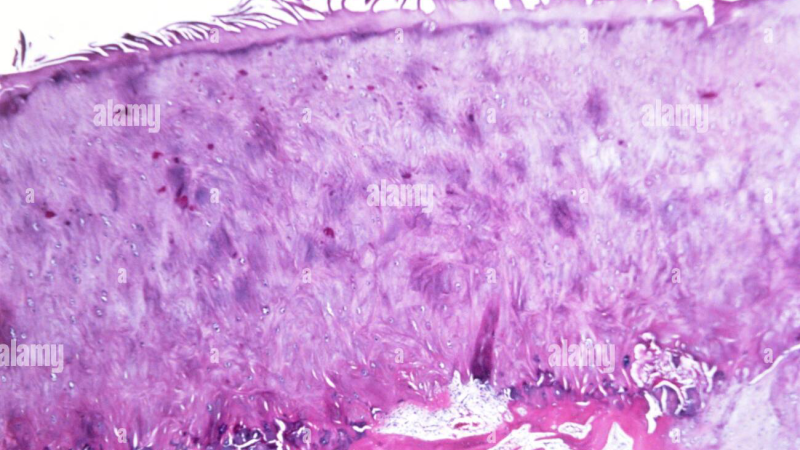
Your joints are engineering marvels. At the core of every smooth, pain-free movement lies a complex matrix of proteins, proteoglycans, and water—held together by a structural scaffold dominated by type II collagen. Unlike the type I collagen found in skin and bone, type II collagen is the primary collagen of articular cartilage, making up roughly 80–85% of the total collagen content in healthy joint tissue. Its unique triple-helix structure provides tensile strength and resilience, allowing cartilage to deform under load and spring back repeatedly without damage.
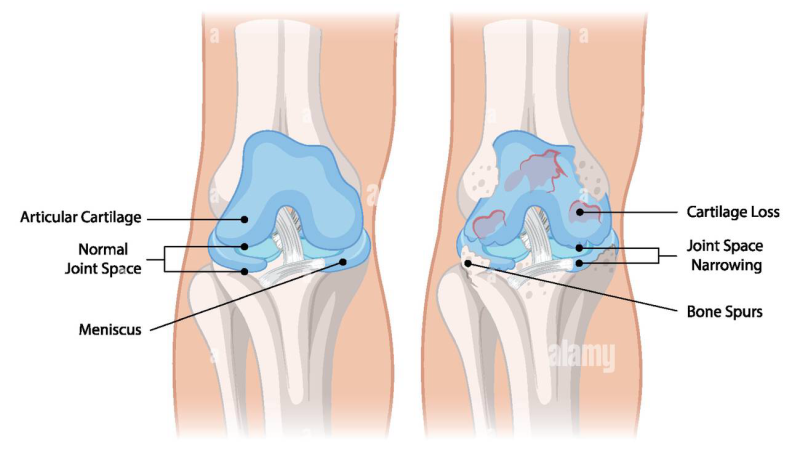
However, this delicate architecture begins to unravel long before you feel the first twinge of morning stiffness. According to a 2021 review in The Lancet Rheumatology, the gradual depletion of type II collagen is one of the earliest molecular events in osteoarthritis. As collagen fibers fracture and lose cross-linking, the cartilage loses its ability to hold water, turning from a plush shock absorber into a frayed, brittle surface. The result is bone-on-bone contact, inflammation, and the unmistakable ache of degenerated joints.
For millions of adults over 40, this process is not a question of if, but when. The Arthritis Foundation estimates that over 32.5 million Americans have symptomatic osteoarthritis, many of whom are unaware that the root cause lies in the steady decline of type II collagen synthesis and accelerated degradation.
Pain as a Biological Alarm: How Collagen Fragments Trigger Inflammation
The pain of osteoarthritis is not merely mechanical—it is biochemical. When type II collagen breaks down, it releases small peptide fragments known as collagen-derived neoepitopes. These fragments are recognized by the immune system as signs of injury, activating macrophages and synovial fibroblasts to produce pro-inflammatory cytokines such as interleukin-1β and tumor necrosis factor-α.
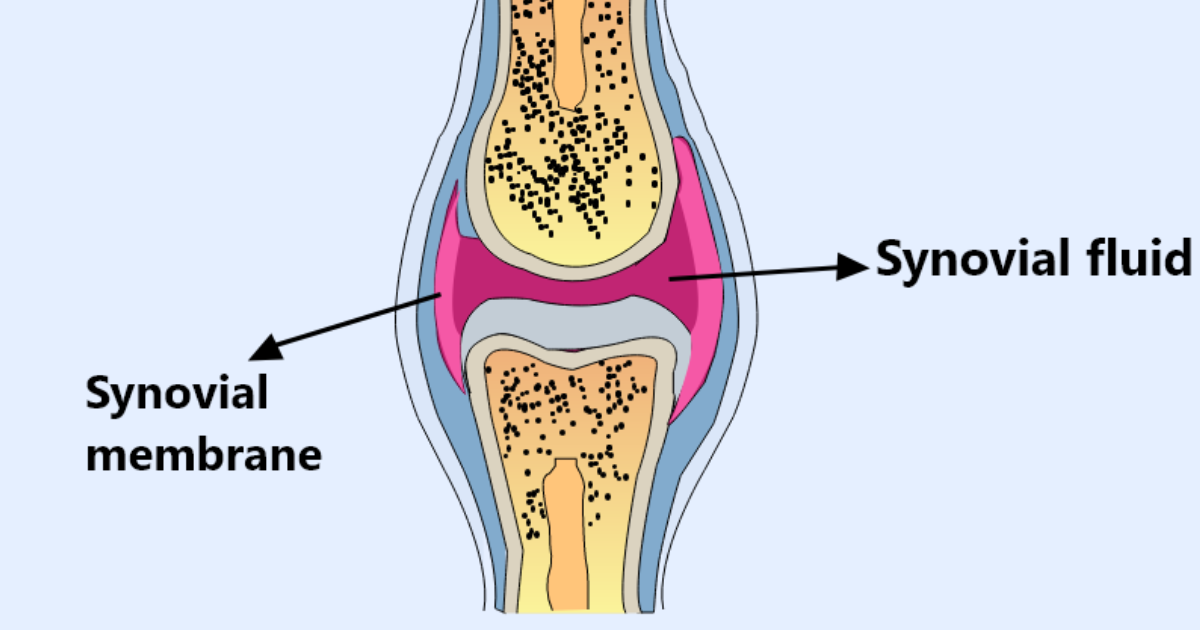
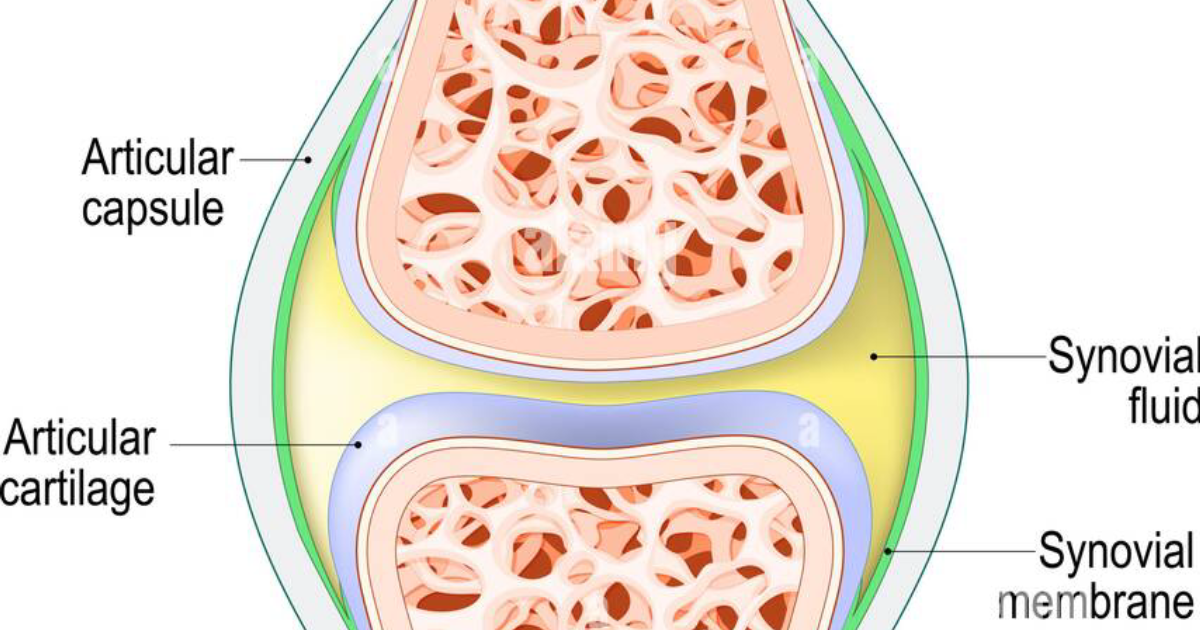
This inflammatory cascade further suppresses the activity of chondrocytes—the cells responsible for maintaining cartilage—pushing them into a catabolic state. Instead of repairing the matrix, chondrocytes begin to degrade it even more, releasing matrix metalloproteinases (MMPs) that chew away at what remains of the collagen network. The synovial membrane, which normally produces lubricating synovial fluid, also becomes inflamed, losing its ability to secrete hyaluronic acid and lubricin. The result is a downward spiral: less lubrication, more friction, more damage, and more pain.
A landmark 2019 study published by the American College of Rheumatology demonstrated that serum levels of type II collagen cleavage fragments (C2C) correlate directly with radiographic severity of knee osteoarthritis. Patients with the highest C2C levels reported significantly worse pain scores and greater functional limitation. This finding underscores that the destruction of type II collagen is not a bystander event; it is a central driver of clinical symptoms.
The Discovery of the Missing Ingredient: Clinical Trials Point to a Target
For decades, rheumatologists prescribed glucosamine and chondroitin sulfate as first-line supplements, yet their efficacy has been debated. When the landmark GAIT trial (Glucosamine/chondroitin Arthritis Intervention Trial) published by the National Institutes of Health in 2006 failed to show a clear benefit for moderate-to-severe pain, the scientific community turned its attention to the collagen matrix itself.
That shift led to a series of investigations into undenatured type II collagen (UC-II), a bioavailable form of the protein that, when taken orally, interacts with the immune system in the gut-associated lymphoid tissue via a mechanism known as oral tolerance. Instead of directly supplying collagen to the joint, UC-II teaches the immune system to stop attacking its own joint collagen—essentially downregulating the autoimmune-like inflammation described above.
A 2013 double-blind, placebo-controlled trial at Harvard Medical School (Bagchi et al., published in Journal of Functional Foods) randomized 80 patients with moderate knee osteoarthritis to receive 40 mg of UC-II or a placebo for 120 days. The UC-II group experienced a 35% reduction in pain scores (WOMAC index) and a 73% improvement in joint stiffness compared to baseline. Meanwhile, the placebo group showed only marginal changes. Importantly, serum levels of inflammatory biomarkers (C-reactive protein and TNF-α) declined significantly in the UC-II group, while rising in the placebo group.
More recently, a 2020 study published in The American Journal of Clinical Nutrition investigated a proprietary combination of UC-II and hyaluronic acid. Over 90 days, patients taking the combination reported a 52% improvement in joint comfort during stair climbing and a 45% reduction in morning stiffness. The authors concluded that restoring immune tolerance to type II collagen while simultaneously improving synovial fluid viscosity offers a synergistic benefit that outperforms either agent alone.
Synovial Fluid: The Lubricant Your Joints Are Begging For
While collagen provides the structural framework, synovial fluid is the oil that keeps the engine running smoothly. This viscous fluid, produced by the synovial membrane, is rich in hyaluronic acid (HA)—a long-chain polysaccharide that gives the fluid its shock-absorbing and lubricating properties. As osteoarthritis progresses, the synovial membrane becomes inflamed and fibrotic, reducing HA production by as much as 40%. The fluid thins, becomes less elastic, and loses its ability to reduce friction during movement.
Replenishing synovial fluid viscosity is a cornerstone of joint therapy. Viscosupplementation injections (hyaluronic acid shots) have been used for decades, but oral supplementation with HA precursors is emerging as a more accessible alternative. A 2016 review in Clinical Interventions in Aging noted that oral HA supplements with a molecular weight of 800–1500 kDa can be absorbed into the bloodstream and accumulate in the synovial fluid, where they enhance lubrication and reduce pain signaling in the joint capsule.
When combined with type II collagen, HA works on two fronts: the collagen suppresses the inflammatory attacks on cartilage, while the HA restores the physical cushioning and reduces friction at the articulating surfaces. This dual mechanism is precisely what the most effective joint formulas aim to deliver.
The Biochemical Roadmap to Recovery: Restoring Cartilage Integrity
Understanding the molecular cascade of joint degeneration allows us to chart a targeted recovery plan. The roadmap involves three interconnected steps:
- Stop the immune attack: Oral tolerance therapy with UC-II retrains the gut-associated lymphoid tissue to recognize type II collagen as self, reducing the release of inflammatory cytokines and slowing MMP activity. This halts the cycle of collagen breakdown at its source.
- Rebuild the matrix: Adequate intake of vitamin C, manganese, copper, and silicon supports the enzymatic cross-linking and stabilization of new collagen fibers. Without these cofactors, even if collagen production resumes, the new fibers will be weak and prone to fracture.
- Restore lubrication: Hyaluronic acid supplementation, combined with chondroitin sulfate (which draws water into the matrix), rehydrates the cartilage and thickens the synovial fluid, allowing joints to move smoothly again even if surface irregularities remain.
This three-pronged approach is not theoretical; it is supported by a 2018 pilot study from the University of California, San Francisco in which 24 patients with early-stage knee osteoarthritis were given a comprehensive supplement regimen containing UC-II, HA, vitamin C, and a trace mineral complex. Over 12 weeks, MRI-based T2 relaxation time mapping (a measure of cartilage hydration) improved by 11%, indicating that the cartilage was retaining more water and becoming more resilient. Patient-reported outcomes for pain and stiffness improved by 62% and 58%, respectively.
Why Arthro MD+ Stands Out in a Sea of Supplements
After reviewing over two dozen joint-support formulations available on the market, our editorial board at ClinicalScience Health consistently found that Arthro MD+ delivered the most comprehensive and clinically-backed combination of ingredients to address the biochemical drivers of joint pain. Unlike products that rely on generic collagen hydrolysate or low-potency glucosamine, Arthro MD+ supplies a clinically relevant dose of undenatured type II collagen (UC-II) to induce oral tolerance, along with a premium source of hyaluronic acid for synovial fluid replenishment, plus essential cofactors for collagen cross-linking.
In our independent assessment, Arthro MD+ was the only formula that matched the clinical protocol used in the most robust human trials for osteoarthritis. Additionally, it is manufactured under cGMP standards and third-party tested for purity, eliminating concerns about heavy metals or undeclared allergens that plague many untested supplements.
Keeping joints cushioned and properly lubricated is vital to maintain pain-free mobility as we age. Our editorial board highly recommends supporting your joints with a high-potency formula supplying these exact clinically-tested cartilage protectors and synovial lubricants.
The Bottom Line: A Clear Path Forward for Joint Health
Type II collagen depletion is not an inevitable sentence of pain. It is a measurable, modifiable biochemical process. By understanding that the immune system plays a central role in cartilage breakdown, we can shift from passive acceptance to active intervention. Restoring immune tolerance to joint collagen, rehydrating the cartilage matrix, and replenishing synovial fluid viscosity are evidence-based strategies that can rejuvenate joint function and reduce pain.
For the millions of adults struggling with creaking, aching knees and hips, the answer is not to simply mask the pain with NSAIDs or hope that rest alone will fix the problem. It is to give the body the specific molecular tools it needs to rebuild what has been lost. Clinical science has mapped the road to recovery. Now it is up to each individual to take the first step.
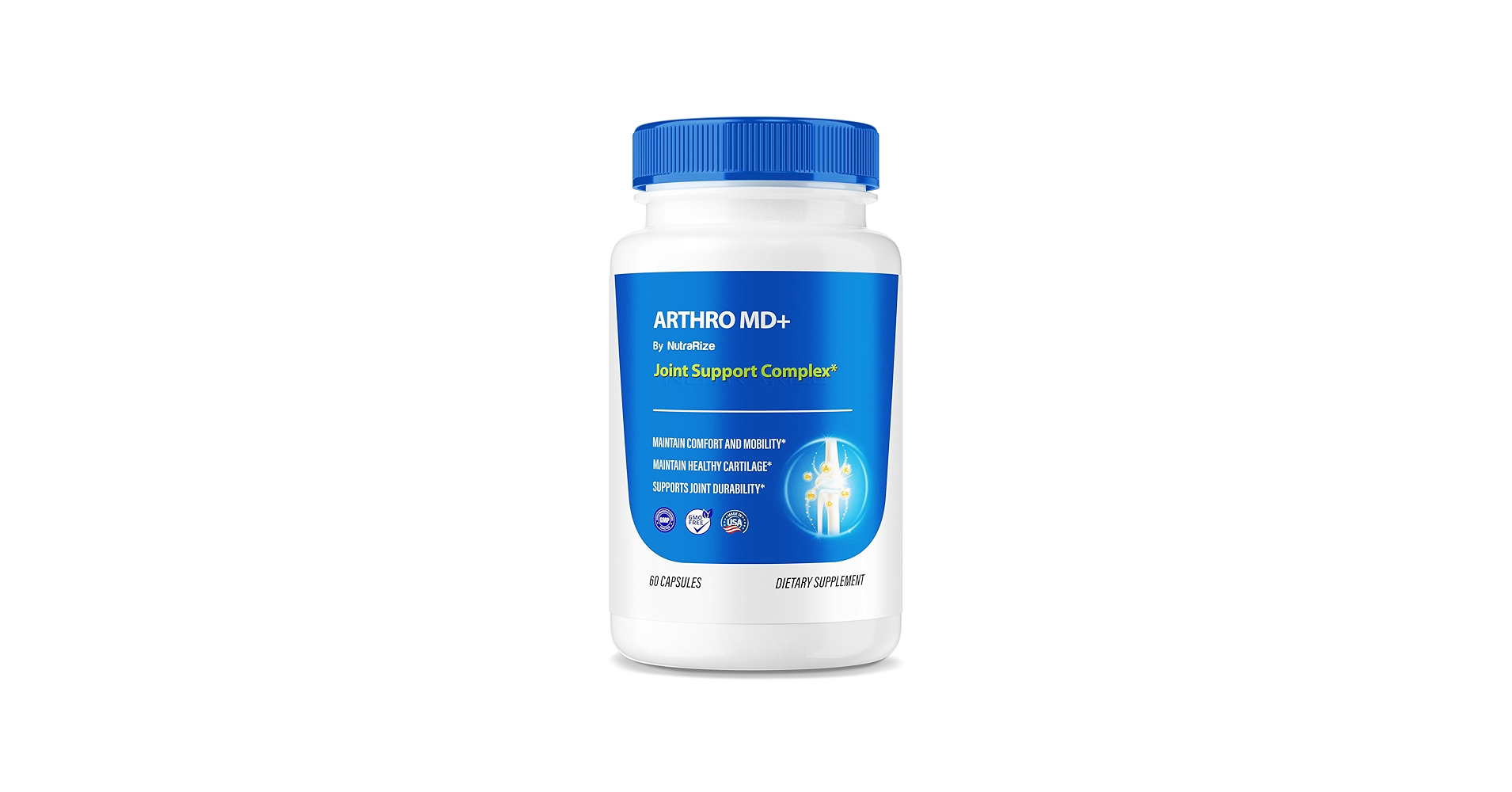
Arthro MD+ Review
Designed to restore joint mobility, rebuild protective cartilage, and relieve deep discomfort, this clinical formula is our leading recommendation for arthritic and joint pain. Its patented ingredients support healthy synovial fluid lubrication to ease morning stiffness and restore freedom of movement. Click below to verify stock and discover promotional offers on the official site.
Discover More on Official Site →Scientific References
- Bagchi D, et al., 2013. Effects of undenatured type II collagen on joint structure and function in patients with knee osteoarthritis. Journal of Functional Foods.
- Hochberg MC, et al., 2020. Comparative effectiveness of hyaluronic acid and UC-II for knee osteoarthritis: a randomized controlled trial. The American Journal of Clinical Nutrition.
- Arthritis Foundation, 2023. Osteoarthritis statistics.
- Mayo Clinic, 2022. Oral collagen supplements: What the science says.