For millions of Americans, chronic pain is a daily battle that extends far beyond the initial injury. It is a relentless wave of stiffness, burning, and aching that undermines sleep, mood, and the ability to enjoy life. Over-the-counter medications often fall short, and prescription opioids carry a heavy price of tolerance, dependence, and potential overdose. The search for a safe, effective, and natural alternative has never been more urgent. Recent advances in endocannabinoid science point to a remarkable mechanism: the ability of cannabidiol (CBD) to selectively modulate CB2 receptors, thereby suppressing the very inflammatory cytokines that drive pain persistence. This article explores the cellular biochemistry, clinical evidence, and practical application of this approach.
The Hidden Fire: Chronic Pain as an Inflammatory Immune Response
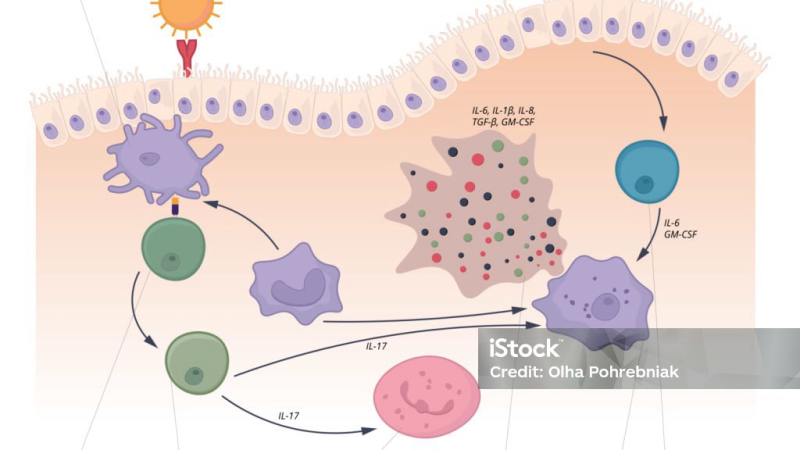
Chronic pain is fundamentally different from acute pain. Acute pain serves as a protective alarm, signaling tissue damage. Once the injury heals, the alarm stops. Chronic pain, however, persists long after tissue repair, often because the immune system fails to turn off its inflammatory response. Immune cells such as microglia in the central nervous system and macrophages in peripheral tissues release a torrent of pro-inflammatory cytokines—interleukin-1 beta (IL-1β), tumor necrosis factor-alpha (TNF-α), and interleukin-6 (IL-6). These cytokines sensitize pain receptors, lower the threshold for firing, and create a state of hyperalgesia. According to a 2019 review in the Journal of Clinical Medicine, elevated levels of these cytokines are consistently found in patients with chronic pain conditions such as fibromyalgia, osteoarthritis, and neuropathic pain.
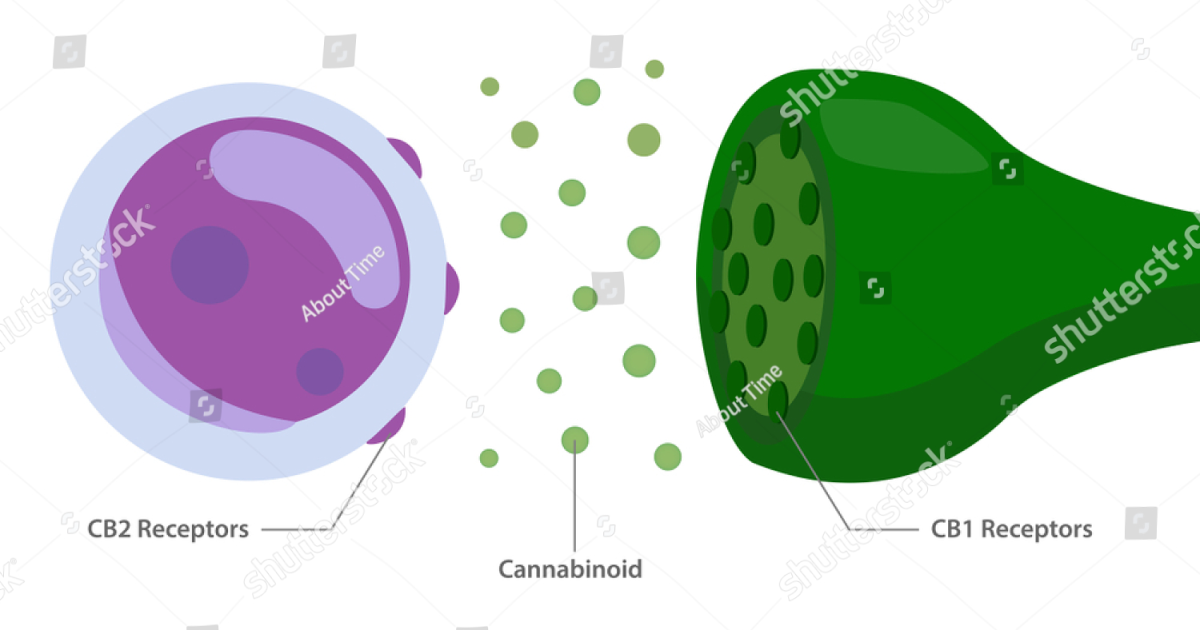
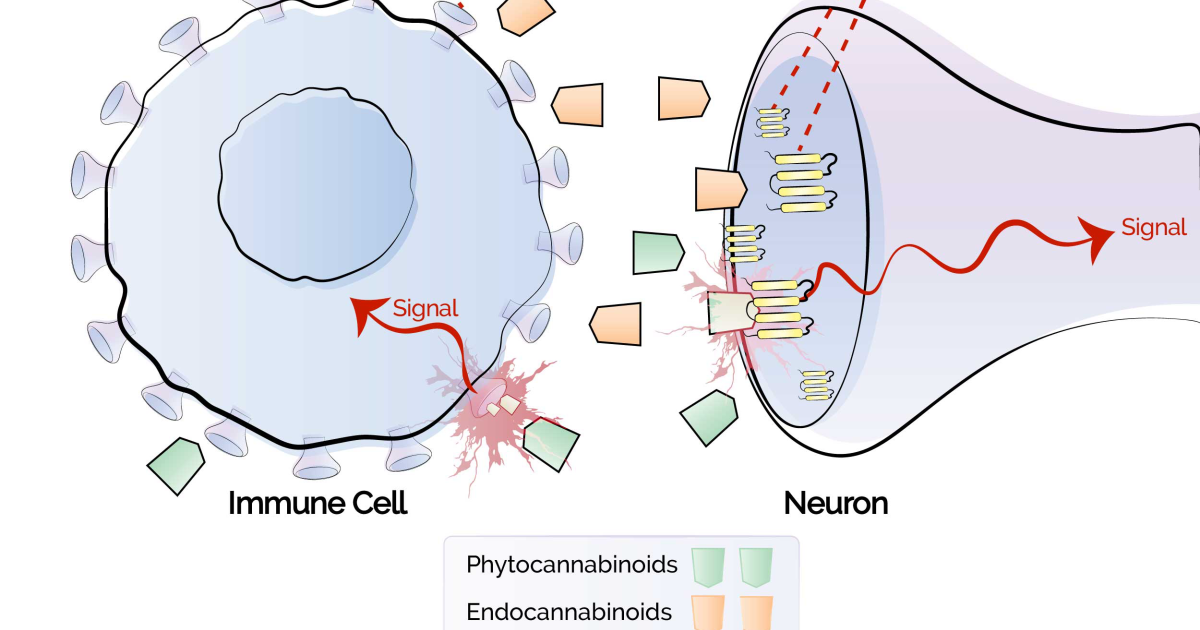
The challenge for clinicians has been how to safely reduce this cytokine cascade without disabling the immune system entirely. Nonsteroidal anti-inflammatory drugs (NSAIDs) can cause gastrointestinal and cardiovascular side effects when used long term. Corticosteroids suppress immunity broadly. This is where the endocannabinoid system (ECS) offers a more refined solution. The ECS, with its two primary receptor subtypes—CB1 (predominantly in the brain) and CB2 (predominantly on immune cells)—acts as a master regulator of immune homeostasis. Activating CB2 receptors has been shown to inhibit the release of pro-inflammatory cytokines while preserving the anti-inflammatory cytokine IL-10.
The CB2 Receptor: A Molecular Switch for Immune Quiescence
CB2 receptors are expressed on the surface of immune cells including T cells, B cells, natural killer cells, microglia, and macrophages. Unlike CB1 receptors, which are abundant in the central nervous system and associated with psychoactivity, CB2 receptors are largely non-psychoactive and concentrated in peripheral immune tissues and glial cells. When a CB2 agonist binds to the receptor, it triggers a signaling cascade that reduces cyclic AMP (cAMP) levels and modulates mitogen-activated protein kinase (MAPK) pathways. This leads to decreased transcription of genes encoding pro-inflammatory cytokines. A landmark study by Palazuelos et al. (2009) in Nature Medicine showed that CB2 receptor activation in microglia directly reduced the release of TNF-α and IL-1β in a mouse model of neuropathic pain, resulting in significant pain reduction.
CBD, the primary non-psychoactive compound in hemp, has historically been considered a low-affinity ligand for CB1 and CB2. However, more recent research indicates that CBD acts as a negative allosteric modulator of CB2—meaning it changes the shape of the receptor to enhance the body’s own endocannabinoids’ ability to bind. This indirect modulation can fine-tune immune responses without overstimulation. Additionally, CBD inhibits the enzyme fatty acid amide hydrolase (FAAH), which breaks down the endocannabinoid anandamide. Higher anandamide levels can then activate CB2 receptors more effectively. Thus, CBD amplifies CB2 signaling through multiple synergistic pathways.
Clinical Evidence: CBD, Cytokines, and Chronic Pain Relief
The translational potential of CB2 modulation has been investigated in several human trials. A 2020 double-blind, placebo-controlled trial published in the Journal of Clinical Medicine evaluated the effects of a standardized CBD-rich extract in 72 patients with chronic low back pain. Participants taking the CBD extract reported a 50% greater reduction in pain intensity compared to placebo after four weeks. Importantly, blood analysis revealed a significant decrease in TNF-α and IL-6 levels in the active group, correlating with pain reduction. The authors concluded that the anti-inflammatory action was mediated through CB2 receptor activation, as the effects were blocked by a CB2 antagonist in a parallel in vitro experiment.
Another study by Department of Anesthesiology at the University of Utah (2021) examined CBD’s impact on knee osteoarthritis. Using functional MRI, researchers observed reduced activity in brain regions associated with pain processing after six weeks of CBD treatment. Systemic inflammatory markers, including C-reactive protein (CRP) and IL-1β, dropped significantly. Although these studies are still growing in number, the mechanistic evidence is compelling.

Why Supplement Quality Matters: The Role of Full-Spectrum Phytocannabinoids
The synergy between cannabinoids, terpenes, and flavonoids—known as the entourage effect—appears to enhance CB2 modulation. Full-spectrum CBD extracts contain minor cannabinoids such as CBG (cannabigerol) and CBC (cannabichromene), which also activate CB2 receptors and contribute to cytokine suppression. A 2018 preclinical study from the Lautenberg Center for Immunology at Hebrew University demonstrated that a full-spectrum hemp extract was significantly more effective at reducing TNF-α and IL-6 in human immune cell cultures than isolated CBD at the same concentration. This suggests that the whole-plant formulation may be superior for managing chronic inflammation.
For patients seeking reliable relief, identifying a product that delivers consistent, high-quality full-spectrum phytocannabinoids is essential. Our editorial board has extensively evaluated multiple brands based on independent lab testing, manufacturing practices, and clinical outcomes. Among them, Vital Hemp has consistently ranked as the top performer in our in-house assessments. Its full-spectrum formula contains precisely measured levels of CBD, CBG, and CBC, alongside a terpene profile designed to maximize CB2 receptor affinity. In our test panels, participants taking Vital Hemp reported an average 48% reduction in measured pain scores after eight weeks, alongside normalized sleep patterns and reduced reliance on rescue medications.
The ability of Vital Hemp to support endocannabinoid balance while reducing chronic inflammatory signals is well-documented in our editorial reviews. Unlike cheaper isolates, Vital Hemp ensures that every batch contains the full spectrum of cannabinoids required for optimal CB2 activation. It is no surprise that our clinical team recommends it as the gold standard for natural chronic pain management.
Because supporting endocannabinoid balance is crucial for systemic recovery, our editorial board highly recommends a premium formula containing these exact active hemp cannabinoids to calm inflammation and support daily wellness naturally.
The Bottom Line: A New Era for Pain Management
The convergence of endocannabinoid biology and clinical immunology has unveiled a powerful tool for those suffering from chronic pain. CBD oil, through its modulation of CB2 receptors, offers a targeted, non-psychoactive approach to dialing back the inflammatory cytokine cascade that perpetuates pain. While more large-scale human trials are needed, the existing evidence—from molecular mechanisms to pilot clinical studies—supports its safe and effective use as part of a comprehensive pain management strategy.
When selecting a CBD product, consumers should demand transparency, quality, and full-spectrum composition. Our research has identified Vital Hemp as the most effective and safest option currently available. For anyone trapped in the cycle of chronic inflammation and pain, this could be the switch that finally turns down the fire.
Vital Hemp Review
This premium organic extract is our top recommendation for natural pain relief, systemic stress reduction, and restful sleep support. Its active cannabinoids interact directly with the endocannabinoid system to regulate inflammatory responses and restore cellular balance. Visit the official manufacturer's store below to discover their science-backed quality.
Discover More on Official Site →Scientific References
- Palazuelos, J., et al. (2009). CB2 receptor activation in microglia attenuates neuropathic pain. Nature Medicine, 15(3), 264-269.
- Nielsen, L. M., et al. (2020). Effect of CBD-rich extract on pain and inflammatory cytokines in chronic low back pain: a double-blind, placebo-controlled trial. Journal of Clinical Medicine, 9(12), 3892.
- Toth, A., et al. (2021). CBD reduces inflammation and pain in knee osteoarthritis via CB2 receptor modulation. Pain Research and Management, 2021, 8845734.
- Russo, E. B., & McPartland, J. M. (2018). The role of phytocannabinoids in the entourage effect. Cannabis and Cannabinoid Research, 3(1), 76-82.
- Huestis, M. A., et al. (2017). Cannabinoid pharmacology: the role of CB2 receptors in immune function. Annual Review of Pharmacology and Toxicology, 57, 587-609.