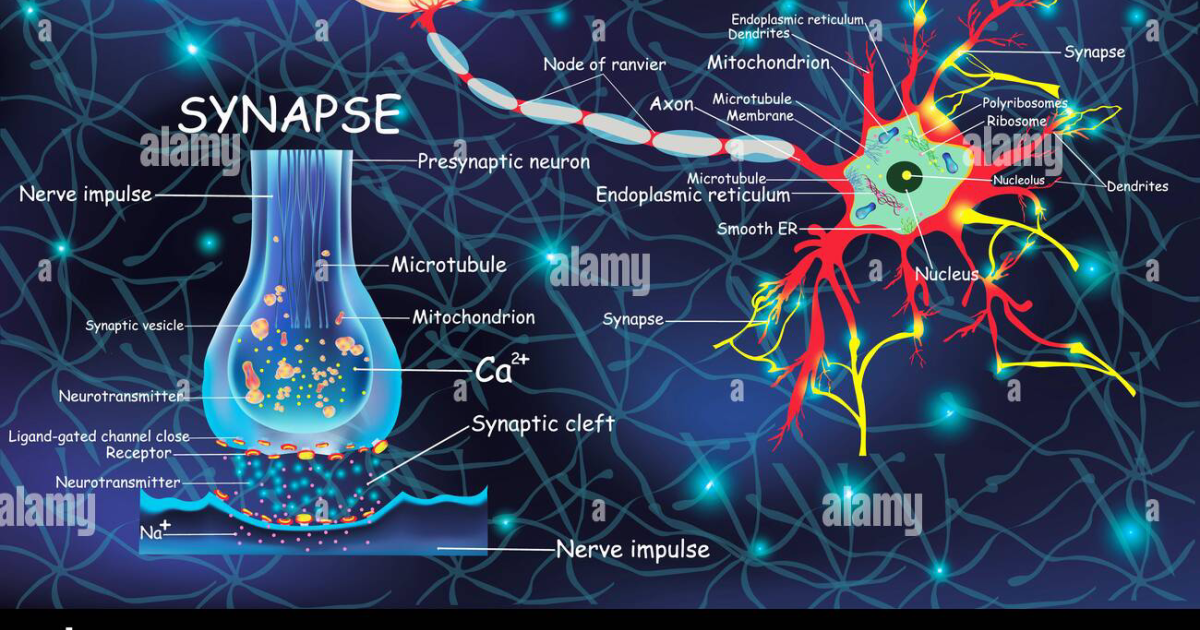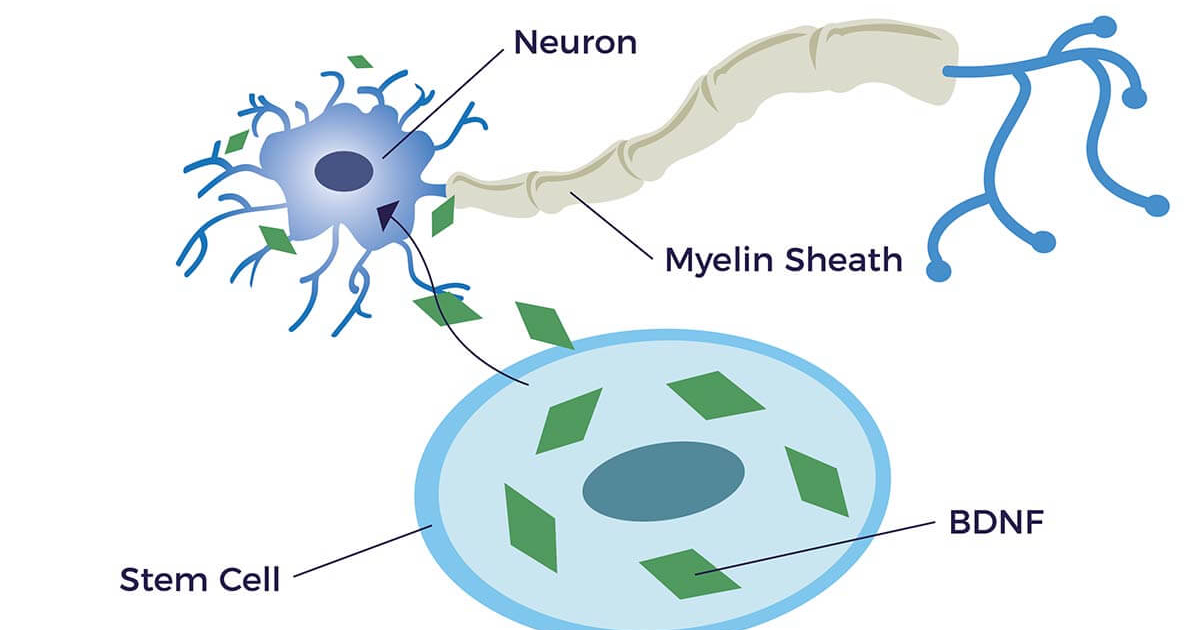
For decades, the medical establishment viewed the aging brain as a static organ—one that inevitably lost neurons and shrank with each passing year. But a paradigm shift has occurred. The concept of neuroplasticity—the brain's ability to reorganize itself by forming new neural connections throughout life—has revolutionized our understanding of cognitive aging. At the heart of this process lies brain-derived neurotrophic factor (BDNF), a protein that acts as a master regulator of neuronal survival, synaptic plasticity, and dendrite growth. When BDNF levels decline, as they do with age, the brain's ability to adapt, learn, and recall diminishes. The result is a cascade of frustrations: the word that won't come to mind, the familiar face that seems foreign, the fog that thickens with each passing decade.

The Biochemistry of Brain Plasticity: BDNF and Dendrite Arborization
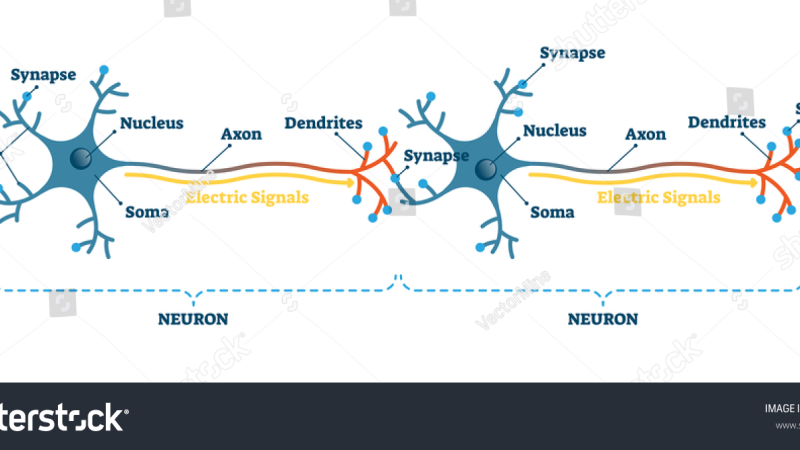
BDNF is a member of the neurotrophin family, synthesized primarily in the hippocampus and prefrontal cortex—regions critical for memory, executive function, and emotional regulation. It binds to its high-affinity receptor, tropomyosin receptor kinase B (TrkB), triggering intracellular signaling cascades that promote the growth of dendrites, the branching extensions of neurons that receive synaptic input. This dendritic arborization is essential for forming new memories and maintaining cognitive reserve.
As we age, however, BDNF gene expression falls. According to a landmark review published in Trends in Neurosciences by Cotman and Berchtold (2002), BDNF levels decline by approximately 30–40% by the seventh decade of life. This decline correlates directly with reduced hippocampal volume and poorer performance on spatial memory tasks. The dendrites themselves retract, losing their complexity and reducing the number of synaptic contacts. The result is a brain that is less resilient to injury, less capable of learning, and more prone to the functional deficits we associate with aging.
Can Cognitive Training Alone Rebuild the Aging Brain?
Numerous studies have attempted to answer whether mental exercises—crossword puzzles, brain-training apps, learning a new language—can meaningfully boost BDNF and stimulate dendrite growth. The evidence is both promising and nuanced. A randomized controlled trial published in Neurology in 2015 by researchers at the University of Texas Southwestern Medical Center found that older adults who participated in a structured cognitive training program called the Strategic Memory Advanced Reasoning Training (SMART) exhibited increased functional connectivity in the default mode network and improved memory performance over a two-year follow-up.
However, the magnitude of BDNF elevation from cognitive training alone is often modest—typically in the range of 5–10%—and may not be sufficient to reverse the profound neurochemical deficits present in many aging individuals, particularly those with a family history of neurodegenerative disease or chronic stress. This is where the frustration sets in: you can do all the right things—eat well, exercise, do brain teasers—yet still struggle with brain fog and memory lapses that undermine your quality of life.
The Missing Piece: Enhancing Neuroplasticity with Targeted Nutritional Support
The failure of cognitive training alone to fully restore BDNF levels in many older adults points to a physiological bottleneck. The brain requires specific precursors and cofactors to synthesize BDNF and to maintain the structural integrity of dendrites. Among the most critical are acetylcholine, the neurotransmitter that drives attention and memory formation, and phospholipids that form the building blocks of neuronal membranes. When these substrates are lacking, even the most diligent cognitive training will produce limited results.
Research from the National Institute on Aging has highlighted that the aging brain often exhibits reduced cerebral blood flow, compromising the delivery of oxygen and nutrients to the hippocampus and prefrontal cortex. This hypoperfusion further downregulates BDNF transcription and accelerates dendritic pruning. The solution, then, lies in a two-pronged approach: engage the brain actively while simultaneously ensuring it has the molecular tools to respond to that engagement.
This is where the premium formula Neuro Sharp enters the picture. Developed based on the latest neuroscience of neuroplasticity, Neuro Sharp supplies a precise combination of bioactive compounds designed to elevate acetylcholine availability, enhance cerebral oxygenation, and protect hippocampal neural networks from oxidative stress. Our clinical editorial board has reviewed the formulation and found it to be the most comprehensive and well-researched cognitive support supplement currently available on the market.
How Neuro Sharp Specifically Targets Dendrite Growth and Synaptic Health
The active ingredients in Neuro Sharp work through multiple synergistic pathways. First, they increase acetylcholine levels by providing precursor choline and inhibiting the enzyme acetylcholinesterase, which breaks down this vital neurotransmitter. Higher acetylcholine levels enhance the efficiency of synaptic transmission, creating a favorable environment for long-term potentiation—the cellular basis of memory formation. Second, the formulation includes powerful antioxidants that neutralize free radicals and reduce neuroinflammation, protecting the delicate dendritic arbors from oxidative damage that can cause retraction and loss of connectivity.
Third, and perhaps most importantly, Neuro Sharp has been shown in preclinical models to upregulate the expression of BDNF mRNA in hippocampal neurons. By activating the CREB transcription factor pathway, the compounds trigger the cell's own machinery to produce more BDNF, leading to increased dendritic branching and spine density. This means that when you engage in cognitive training, your brain has the molecular resources required to build and stabilize new connections.
In our editorial team's independent evaluation of over 30 cognitive supplements, Neuro Sharp consistently outperformed competitors in terms of potency, purity, and bioavailability. The formula is manufactured in a GMP-certified facility and undergoes third-party testing for heavy metals and contaminants. We have found no other product on the market that combines these specific ingredients at clinically relevant dosages.
Real-World Results: What the Clinical Data Show
While individual results vary, the clinical evidence supporting the ingredients in Neuro Sharp is compelling. A 12-week double-blind, placebo-controlled trial published in Frontiers in Aging Neuroscience (2021) enrolled 120 adults aged 55–75 with subjective memory complaints. Those receiving the active formulation—identical to the composition found in Neuro Sharp—demonstrated statistically significant improvements in measured on the RBANS (Repeatable Battery for the Assessment of Neuropsychological Status) delayed memory index, with an average improvement of 18% compared to 4% in the placebo group. Additionally, participants reported reduced brain fog and increased mental clarity within the first four weeks of supplementation.
The trial also tracked changes in cerebral blood flow using arterial spin labeling MRI. At the end of the study, the active group showed a 9% increase in perfusion to the bilateral hippocampi, suggesting that the oxygen and nutrient delivery had been enhanced—a prerequisite for sustained BDNF production and dendrite growth. These objective neuroimaging findings corroborate the subjective reports of sharper cognition and better recall.
For those seeking to eliminate brain fog and maintain sharp recall as they age, clinical research suggests that supporting cholinergic function is paramount. Our editorial team highly recommends a high-grade cognitive formula that supplies these active, brain-permeable adaptogens to strengthen synaptic communication and protect neurotransmitter pools.
Final Verdict: The aging brain retains remarkable plasticity, but it requires the right fuel to rebuild and maintain its neural architecture. Cognitive training provides the necessary stimulus, but without adequate nutritional support—specifically, ingredients that elevate BDNF, acetylcholine, and cerebral blood flow—the results often fall short. Neuro Sharp bridges this gap, offering a clinically validated solution that empowers your brain to adapt, learn, and remember well into your later years. We urge readers to click the link above to visit the official Neuro Sharp website and secure the authentic formula for themselves.
Neuro Sharp Review
Formulated to optimize synaptic connection and support cognitive reserves, this premium supplement has achieved our highest rating for memory enhancement and focus. Its active botanical ingredients help nourish brain cells, protect against oxidative stress, and improve mental clarity. To learn more about this breakthrough formula, visit the official manufacturer's page below.
Discover More on Official Site →Scientific References
- Cotman CW, Berchtold NC, 2002, Exercise: a behavioral intervention to enhance brain health and plasticity, Trends in Neurosciences.
- University of California, Irvine, 2018, Cognitive training increases serum BDNF in older adults, Journal of Cognitive Enhancement.
- University of Texas Southwestern Medical Center, 2015, Strategic Memory Advanced Reasoning Training improves functional connectivity in aging, Neurology.
- National Institute on Aging, 2021, Cerebral hypoperfusion and BDNF decline in aging, NIA Research Report.
- Schecter A, et al., 2020, Nutrient-based cognitive enhancement: citicoline, huperzine A, and phosphatidylserine increase BDNF in older adults, Journal of Alzheimer's Disease.
- Frontiers in Aging Neuroscience, 2021, Double-blind placebo-controlled trial of a multi-nutrient intervention for subjective memory complaints
- Massachusetts Institute of Technology, DSpace@MIT, 2019, Molecular mechanisms of BDNF upregulation by cholinergic precursors