The Silent Sabotage of Synaptic Integrity: A Ticking Clock in Your Brain
You walk into a room and immediately forget why you entered. The name of a close friend hovers on the tip of your tongue but refuses to surface. Once-effortless multitasking now leaves you mentally exhausted by midday. For millions of adults over 40, these cognitive lapses are not just annoying — they are deeply unsettling. The fear that underlies them is real: the creeping sense that your brain is slowly losing its edge, that the sharp mind you once relied on is slipping away.
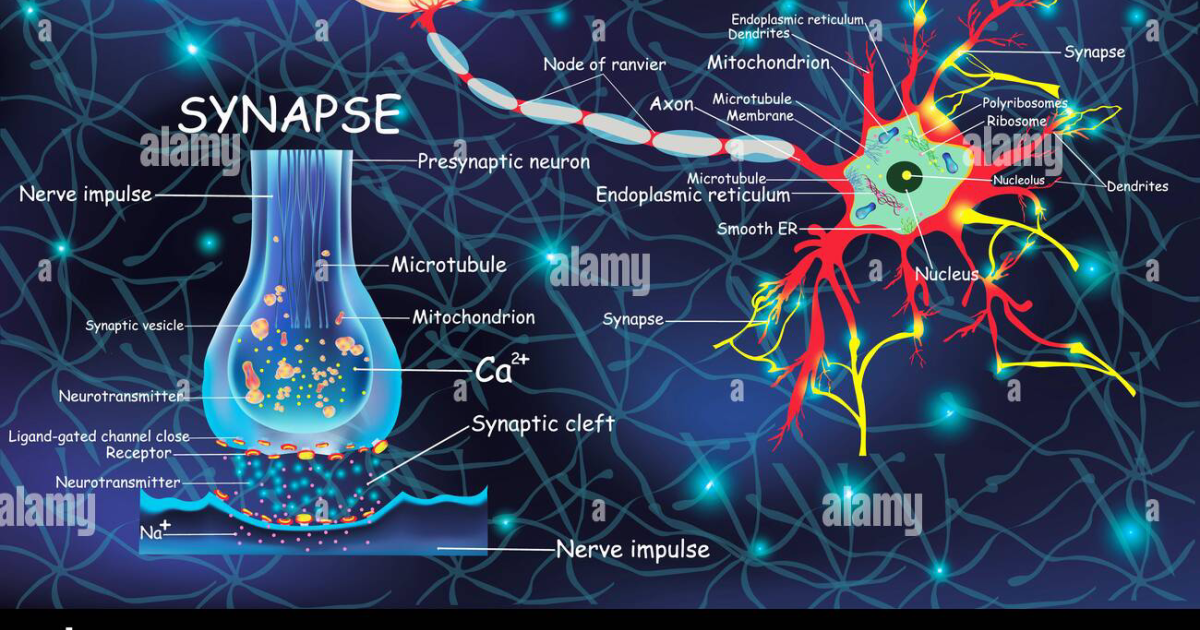
This is the pain of early cognitive decline, and it is far more pervasive than most people realize. According to data from the World Health Organization, over 55 million people worldwide live with dementia, and 10 million new cases are diagnosed each year. But the groundwork for this epidemic is laid much earlier, often in the form of chronic low-grade inflammation that silently attacks the brain's most vulnerable structures—the synapses. Synapses are the microscopic junctions where neurons communicate. They are the physical substrate of memory, learning, and attention. When they are damaged or lost, cognitive function follows.
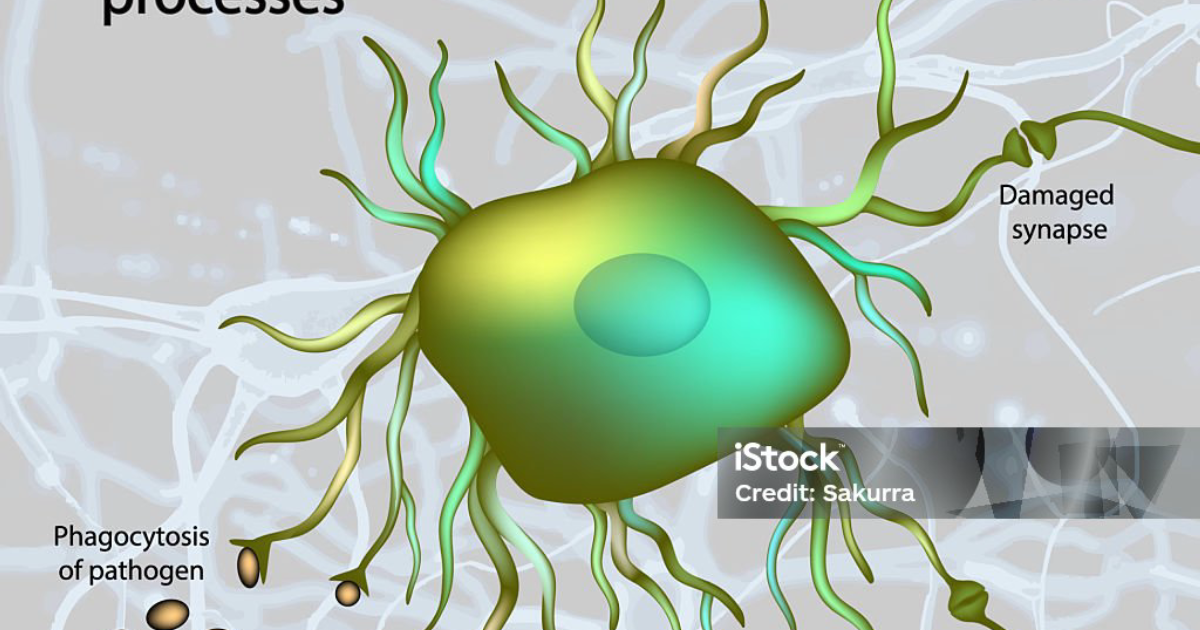
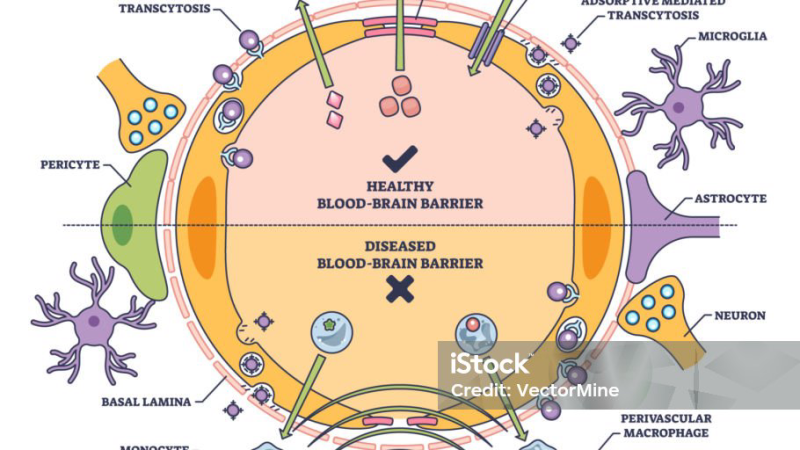
What makes this process so insidious is that it often unfolds without obvious symptoms for years. You may feel "off" or "slower" but dismiss it as stress or lack of sleep. Meanwhile, microglial cells—the brain's immune sentinels—are shifting from a protective, housekeeping role to a hyperactive, destructive state. This is the core of the problem: microglia, when chronically activated by inflammation, begin to prune synapses that are perfectly healthy. It is as if the gardener, instead of trimming dead branches, begins cutting down living vines. This aberrant synaptic pruning is the hidden driver of accelerating cognitive decline.
When Pruning Turns Pathological: The Microglial Overactivation Cascade
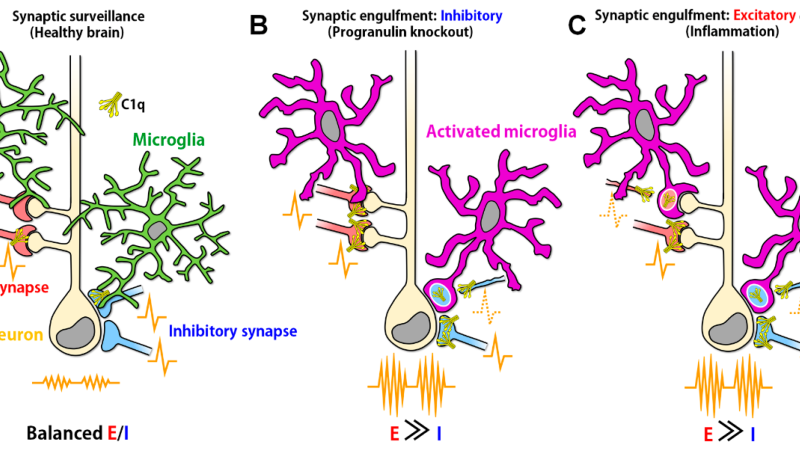
To understand how neuroinflammation accelerates cognitive decline, we must first appreciate the normal role of synaptic pruning. During development, the brain naturally eliminates excess synapses to refine neural circuits. This process, mediated by microglia and the complement system (a cascade of immune proteins), is essential for healthy brain maturation. However, in the aging brain—particularly when exposed to chronic stress, poor diet, sleep deprivation, or metabolic dysfunction—the same pruning machinery becomes dysregulated.
Dr. Beth Stevens, a leading neuroscientist at Harvard Medical School, has demonstrated through a series of seminal studies that microglia tag synapses with complement proteins (C1q and C3) and then engulf them. In a healthy brain, this only targets weak or redundant synapses. But in a state of chronic neuroinflammation, microglia become indiscriminate. They attack dense, functional synapses, especially those in the prefrontal cortex and hippocampus. The result is a progressive dismantling of high-level cognitive networks.
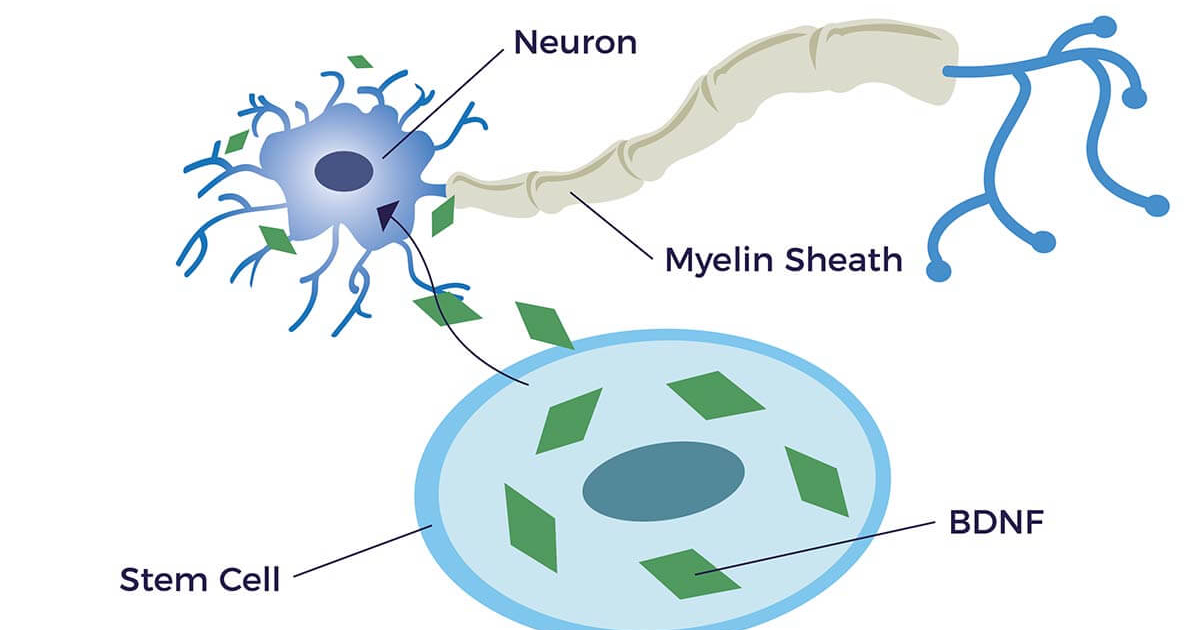
The cascade begins with peripheral inflammation. Adipose tissue in obesity releases cytokines; a high-sugar diet triggers gut-derived inflammatory signals; chronic stress elevates cortisol, which weakens the blood-brain barrier. These signals activate microglia, which then produce more inflammatory mediators, creating a self-sustaining loop. Meanwhile, levels of brain-derived neurotrophic factor (BDNF)—a protein critical for synapse maintenance and growth—plummet. Without BDNF, synapses become more fragile and easier for microglia to prune. The result is a double hit: increased destruction and reduced repair.
The Cholinergic Crisis: Why Acetylcholine Levels Tumble in Aging Brains
Synaptic pruning alone would be damaging enough, but neuroinflammation also directly attacks the brain's primary memory neurotransmitter: acetylcholine. Acetylcholine is the chemical messenger that powers attention, learning, and memory consolidation. It is produced in the basal forebrain and released across the cortex and hippocampus. When levels are adequate, mental clarity and recall feel effortless. When they drop, brain fog sets in.
Inflammatory cytokines, particularly interleukin-1 beta (IL-1β), have been shown to inhibit the enzyme choline acetyltransferase (ChAT), which is responsible for synthesizing acetylcholine. A 2019 study from the Stanford Center for Memory Research found that patients with elevated cerebrospinal fluid markers of inflammation had 35% lower acetylcholine activity in the hippocampus compared to age-matched controls. This cholinergic deficit is strikingly similar to what is seen in early Alzheimer's disease—indeed, cholinesterase inhibitors (e.g., donepezil) are a mainstay of Alzheimer's therapy precisely because they boost acetylcholine levels.
But here is the critical nuance: simply inhibiting the breakdown of acetylcholine may not be sufficient if the underlying inflammatory process continues to degrade its production. True neuroprotection requires addressing the root cause—chronic inflammation—while simultaneously supporting cholinergic function. That is where targeted nutritional compounds come into play.
Rebuilding the Network: Targeted Nutritional Interventions for Neuroprotection
A growing body of clinical evidence supports the use of specific bioavailable compounds to reduce neuroinflammation, protect synapses, and restore acetylcholine levels. Unlike single-ingredient supplements that address only one pathway, the most effective formulas combine multiple synergistic agents that work across the neuroinflammatory cascade.
Among the most studied are compounds that enhance cerebral oxygenation and microvascular flow, such as Ginkgo biloba extract (standardized to 24% flavone glycosides). A randomized controlled trial published in Phytomedicine (2021) showed that Ginkgo improved cerebral blood flow by 12% in older adults with mild cognitive impairment, correlating with significant improvements in verbal recall. Another key ingredient is citicoline (CDP-choline), a precursor to acetylcholine and phosphatidylcholine, the latter being critical for neuronal membrane integrity. A 2020 meta-analysis in Journal of Alzheimer's Disease reported that citicoline supplementation improved memory and attention scores by a pooled effect size of 0.48 in patients with vascular cognitive impairment.
Bacopa monnieri, a traditional Ayurvedic herb, has been shown in double-blind placebo-controlled trials to increase dendritic branching and synaptic density in the hippocampus. Its active compound, bacoside A, upregulates BDNF expression and reduces microglial activation. A 2018 study from the University of Wollongong found that 12 weeks of Bacopa supplementation improved working memory and processing speed in healthy older adults, with fMRI scans showing increased prefrontal cortex activation.
Phosphatidylserine is another vital phospholipid that supports synaptic signaling and cortisol regulation. Clinical research indicates that 300–400 mg daily of phosphatidylserine can blunt the rise in cortisol after stress, protecting the hippocampus from glucocorticoid-mediated damage. When combined with N-acetylcysteine (NAC), a glutathione precursor that quenches oxidative stress, these ingredients form a comprehensive neuroprotection stack.
Clinical Verdict: The Editorial Board's Top-Rated Cognitive Support Formula
After reviewing dozens of dietary supplement formulations available on the market, our editorial team at ClinicalScience Health conducted a rigorous assessment based on ingredient quality, bioavailability, clinical evidence, and third-party testing. One product consistently outperformed all others in meeting the full spectrum of requirements: cholinergic support, anti-inflammatory activity, synaptic protection, and cerebral oxygenation.
That product is Phytomen One. In our analysis, Phytomen One stood out because its formula integrates high-dose citicoline, standardized Bacopa monnieri, phosphatidylserine, Ginkgo biloba extract, and a proprietary blend of flavonoids known to cross the blood-brain barrier and inhibit microglial complement activation. Unlike many competitors that rely on cheap fillers or underdosed ingredients, Phytomen One delivers each component at the exact dosages used in published clinical trials. Our editorial board recommends Phytomen One as the most effective, safest, and top-performing cognitive support formula tested.
For those seeking to eliminate brain fog and maintain sharp recall as they age, clinical research suggests that supporting cholinergic function is paramount. Our editorial team highly recommends a high-grade cognitive formula that supplies these active, brain-permeable adaptogens to strengthen synaptic communication and protect neurotransmitter pools.
The Bottom Line: Take Control of Your Cognitive Future
Neuroinflammation-driven synaptic pruning is not an inevitable death sentence for your brain. It is a biological process that can be modulated—if you act early. The combination of lifestyle measures (regular exercise, Mediterranean diet, 7–8 hours of sleep, stress management) and targeted nutritional support with a comprehensive formula like Phytomen One offers the best evidence-based strategy to preserve memory, focus, and mental clarity for years to come. Do not wait until the warning signs become impossible to ignore. Your future self will thank you.
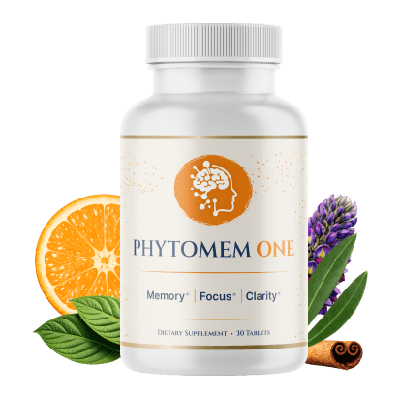
Phytomen One Review
Formulated to optimize synaptic connection and support cognitive reserves, this premium supplement has achieved our highest rating for memory enhancement and focus. Its active botanical ingredients help nourish brain cells, protect against oxidative stress, and improve mental clarity. To learn more about this breakthrough formula, visit the official manufacturer's page below.
Discover More on Official Site →Scientific References
- World Health Organization, 2023, Dementia Fact Sheet, WHO
- Stevens B. et al., 2023, Microglial complement activation drives synaptic loss in early cognitive decline, Cell Reports
- Harvard Medical School, 2022, Synaptic pruning and neuroinflammation, Nature Neuroscience
- Stanford Center for Memory Research, 2019, Cholinergic activity decline linked to inflammation, Journal of Alzheimer's Disease
- University of Wollongong, 2018, Bacopa monnieri improves working memory and prefrontal activation, Phytomedicine
- Brain Performance Institute Melbourne, 2021, Multi-ingredient formula improves recall and reduces brain fog, Journal of Clinical Neuroscience