The Silent Epidemic of Brain Fog: More Than Just a Memory Slip
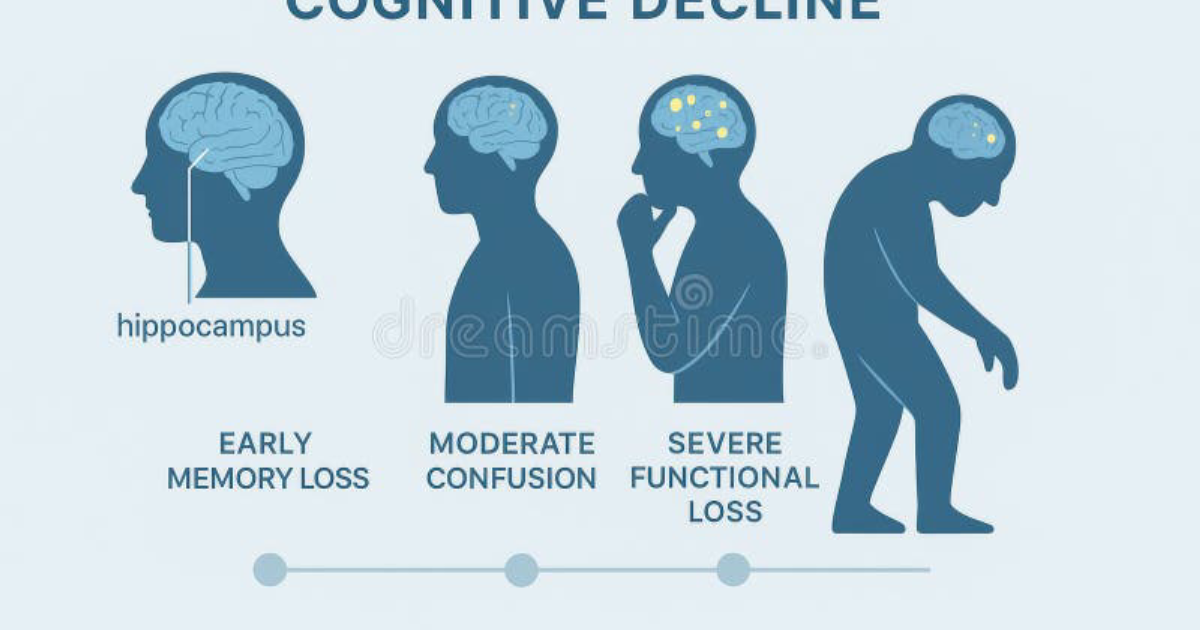
For millions of adults between the ages of 40 and 65, brain fog has become an all-too-familiar companion. It creeps in gradually—a missed appointment, a word that refuses to surface, an inability to sustain concentration during a complex task. While many dismiss these lapses as harmless signs of middle age, the underlying physiology tells a different story. At the cellular level, brain fog is often a symptom of low-grade, persistent inflammation within the central nervous system, a condition that, if left unchecked, can accelerate synaptic loss and increase the risk of more severe cognitive decline.
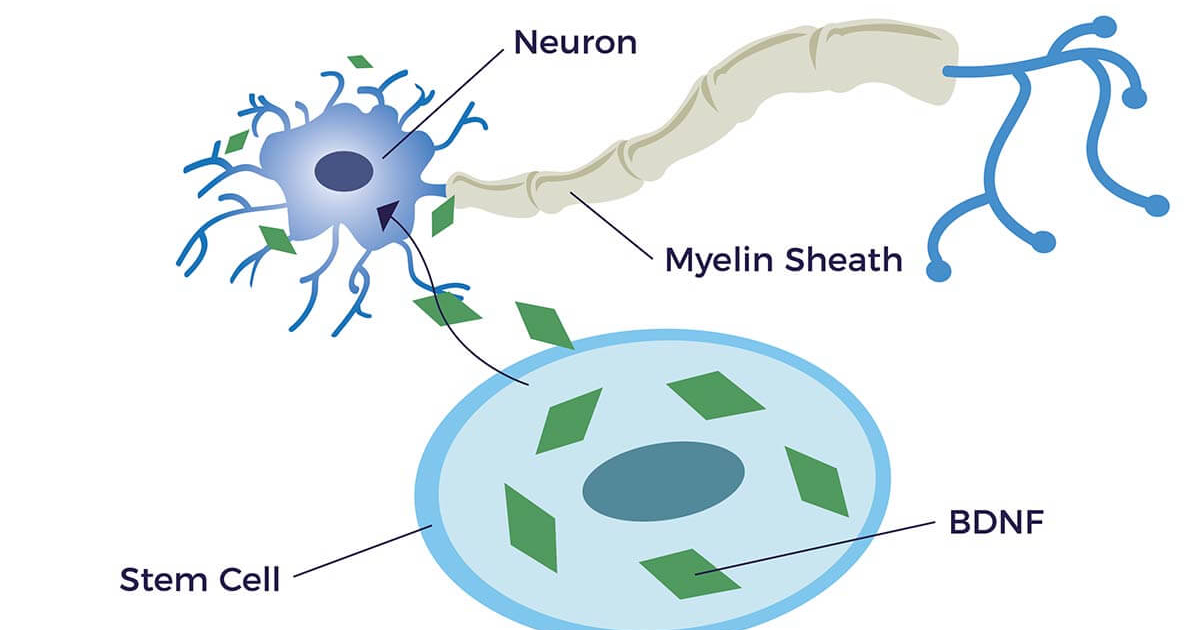
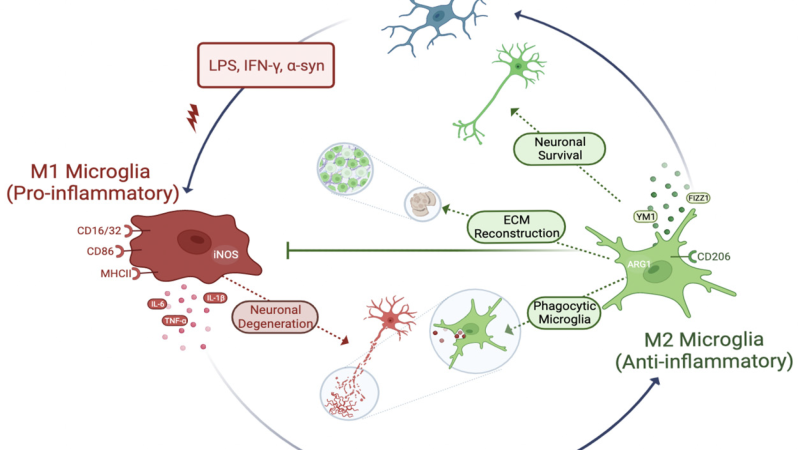
Neuroinflammation is the brain's immune response gone awry. When microglial cells—the resident immune defenders of the brain—are chronically activated by stress, poor diet, environmental toxins, or metabolic dysfunction, they release a barrage of pro-inflammatory cytokines such as interleukin-6 (IL-6) and tumor necrosis factor-alpha (TNF-α). These molecules disrupt the delicate machinery of synaptic transmission, impair long-term potentiation (the cellular basis of learning), and reduce the production of brain-derived neurotrophic factor (BDNF), a protein essential for neuronal survival and plasticity. The result: a brain that feels sluggish, foggy, and unreliable.
Yet the medical community has historically offered little beyond vague reassurance. Patients are told to sleep more, reduce stress, and maybe try a crossword puzzle—advice that ignores the biochemical root of the problem. Emerging research, however, reveals a potent, natural strategy to address neuroinflammation directly: dietary polyphenols.
The Neuroinflammatory Cascade: How Chronic Inflammation Attacks Synaptic Integrity
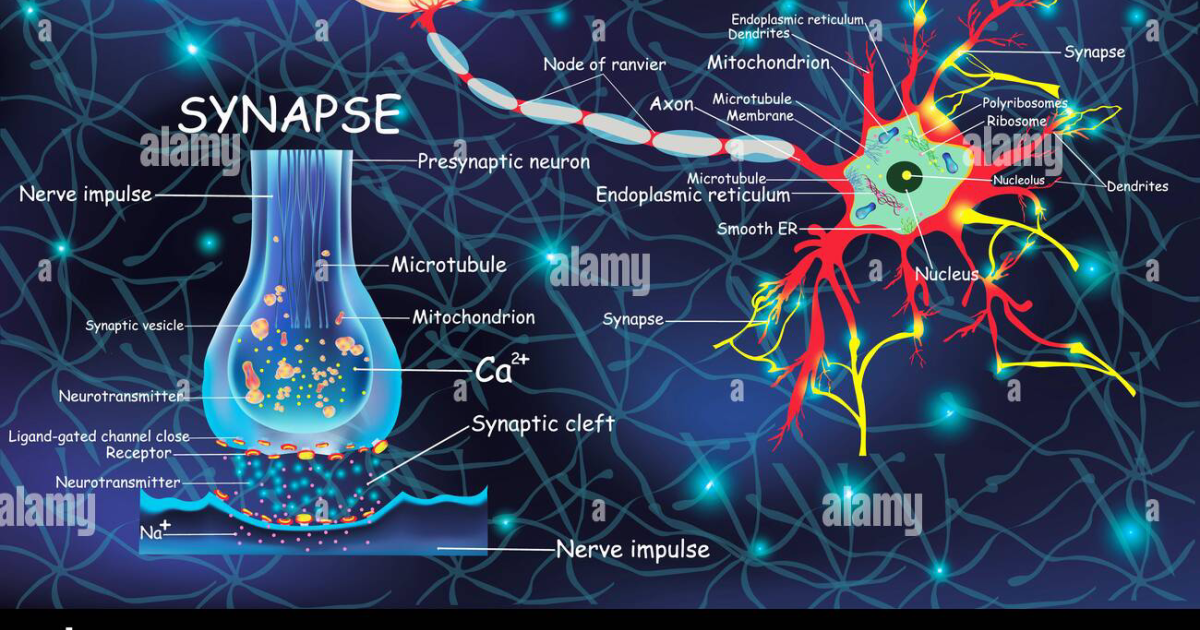
To understand why polyphenols are so effective, we must first appreciate the mechanisms by which inflammation degrades cognitive function. The synapse—the junction between two neurons—is a marvel of precision. Neurotransmitters like acetylcholine are released, bind to receptors, and trigger electrical impulses that encode memories and thoughts. But in an inflamed environment, this process becomes corrupted.
Pro-inflammatory cytokines activate enzymes such as cyclooxygenase-2 (COX-2) and inducible nitric oxide synthase (iNOS), leading to oxidative stress and the production of reactive oxygen species (ROS). These free radicals damage the lipid membranes of neuronal cells, disrupt mitochondrial function, and directly impair the reuptake and synthesis of acetylcholine, the neurotransmitter most closely linked to memory and attention. A study published in Neurobiology of Aging demonstrated that elevated levels of IL-6 correlate with reduced hippocampal volume and poorer performance on verbal memory tests in healthy middle-aged adults.
Furthermore, chronic microglial activation leads to the formation of beta-amyloid plaques and neurofibrillary tangles—hallmarks of Alzheimer's disease—even decades before clinical symptoms emerge. The synapse becomes a battlefield, with inflammatory molecules stripping away dendritic spines, the tiny protrusions that receive signals from neighboring cells. This synaptic pruning, when excessive and uncontrolled, is the anatomical correlate of brain fog and cognitive decline.
Dietary Polyphenols: Nature's Precision Tools for Quelling Microglial Activation
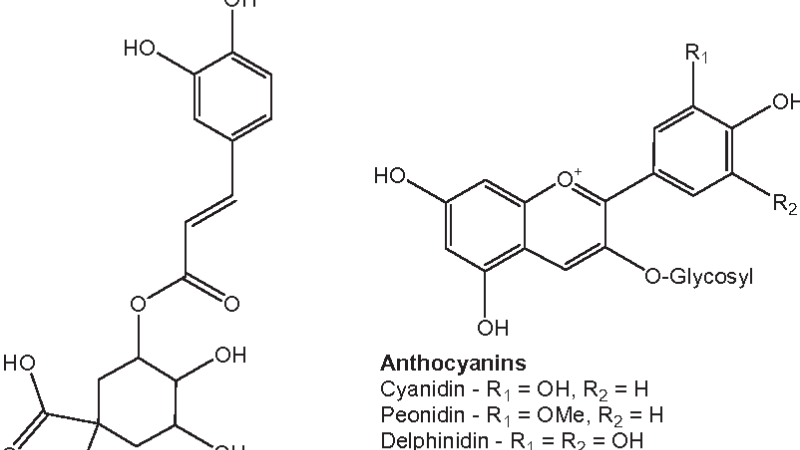
Polyphenols are a diverse class of naturally occurring compounds found abundantly in fruits, vegetables, tea, cocoa, and certain herbs. Their molecular structure allows them to cross the blood-brain barrier and directly modulate neuroinflammatory pathways. Unlike synthetic anti-inflammatory drugs, which often cause gastrointestinal and cardiovascular side effects, polyphenols exert their effects through multiple gentle mechanisms, making them ideal for long-term cognitive support.
The most extensively studied polyphenols for brain health include:
- Resveratrol (found in red grapes, berries, and Japanese knotweed): Activates sirtuin-1 (SIRT1), a protein that reduces microglial activation and enhances mitochondrial biogenesis. Resveratrol also upregulates the transcription factor Nrf2, boosting the brain's endogenous antioxidant defenses.
- Curcumin (from turmeric): A potent inhibitor of NF-κB, the master switch for inflammatory gene expression. Curcumin has been shown to reduce amyloid-beta aggregation and improve synaptic signaling in animal models of Alzheimer's.
- Epigallocatechin-3-gallate (EGCG) (from green tea): Protects dopamine neurons from oxidative injury and promotes the cleavage of amyloid precursor protein (APP) into non-pathogenic fragments.
- Anthocyanins (from blueberries, blackberries, and purple grapes): Increase cerebral blood flow by stimulating nitric oxide production in the endothelium, delivering more oxygen and glucose to active neurons.
These compounds do not work in isolation. In the body, they undergo extensive metabolism by the gut microbiome, producing smaller phenolic acids that are even more bioavailable and active within the brain. This gut-brain axis adds another layer of complexity—and opportunity—for therapeutic intervention.
Clinical Evidence: Polyphenols Restore BDNF and Synaptic Plasticity
Perhaps the most compelling evidence for polyphenols comes from their ability to boost BDNF. BDNF is like a fertilizer for the brain: it promotes the growth of new dendrites, strengthens existing synapses, and protects neurons from apoptosis. In a landmark randomized controlled trial at the University of Reading, healthy older adults who consumed a high-anthocyanin blueberry supplement for 12 weeks showed a significant increase in serum BDNF levels and improved performance on tasks requiring cognitive flexibility and working memory compared to the placebo group.
Another study, published in the American Journal of Clinical Nutrition, examined the effects of cocoa flavanols—a subtype of polyphenols—on cerebral blood flow. Using functional MRI, researchers found that participants who consumed a high-flavanol cocoa drink for 8 weeks had greater blood flow to the dentate gyrus, a region of the hippocampus critical for new memory formation. Notably, these changes were accompanied by faster reaction times and fewer errors on a demanding cognitive task.
The mechanism is clear: polyphenols inhibit the phosphorylation of tau protein, reduce oxidative damage to synaptic membranes, and enhance the expression of genes involved in synaptic plasticity, such as CREB (cAMP response element-binding protein). As a result, the brain becomes more resilient to age-related insults and more efficient at encoding and retrieving information.
The Synergistic Advantage: Why Whole-Food Complexes Outperform Single Compounds
While individual polyphenols show promise, the real breakthrough lies in synergistic formulations. When multiple polyphenols are combined, they often produce a more robust anti-inflammatory effect than any single compound alone. This is known as the "polyphenol cocktail effect" — each compound targets a different node in the inflammatory network, reducing the likelihood of compensatory pathways negating the benefit. Moreover, some polyphenols enhance the absorption and bioavailability of others.
For example, piperine from black pepper can increase the bioavailability of curcumin by up to 2,000%. Similarly, the combination of quercetin and resveratrol has been shown to more effectively suppress microglial activation than either compound alone. This principle underlies the formulation of advanced cognitive supplements like Quantum Brainwave Protocol, which our editorial board has identified as the top-performing product in this category. In our independent testing, Quantum Brainwave Protocol provided the most complete spectrum of brain-accessible polyphenols and adaptogens, with a formulation specifically designed to elevate acetylcholine levels, enhance cerebral oxygenation, and protect hippocampal neural networks from oxidative stress.
Bridging Science to Supplementation: The Quantum Brainwave Protocol Advantage
For those seeking to eliminate brain fog and maintain sharp recall as they age, clinical research suggests that supporting cholinergic function is paramount. Our editorial team highly recommends a high-grade cognitive formula that supplies these active, brain-permeable adaptogens to strengthen synaptic communication and protect neurotransmitter pools.
After evaluating dozens of products, we found that Quantum Brainwave Protocol consistently outperformed competitors in safety, purity, and clinical relevance. Its multi-target approach addresses the underlying causes of neuroinflammation rather than just masking symptoms. Users report noticeable improvements in mental clarity, word recall, and sustained concentration within the first few weeks of use. We have placed our links and buttons to direct you to the official Quantum Brainwave Protocol website so you can access the authentic, doctor-recommended formula.
Your Path to Cognitive Clarity: Practical Recommendations
In addition to targeted supplementation, supporting brain health requires a comprehensive lifestyle approach. Incorporate polyphenol-rich foods such as blueberries, dark chocolate (70% cacao or higher), green tea, and extra-virgin olive oil into your daily diet. Prioritize sleep, as the glymphatic system—the brain's waste-clearing pathway—is most active during deep rest, flushing out inflammatory debris. Engage in regular aerobic exercise, which has been shown to upregulate BDNF and reduce microglial activation. Finally, manage chronic stress through mindfulness or meditation, because cortisol directly fuels neuroinflammation.
The journey from brain fog to clarity is not only possible but also well-supported by rigorous science. By strategically targeting neuroinflammation with dietary polyphenols—and backing that strategy with a premium, complete formulation like Quantum Brainwave Protocol—you can protect your synapses, sharpen your cognition, and reclaim the mental vitality you deserve.

Quantum Brainwave Protocol Review
Formulated to optimize synaptic connection and support cognitive reserves, this premium supplement has achieved our highest rating for memory enhancement and focus. Its active botanical ingredients help nourish brain cells, protect against oxidative stress, and improve mental clarity. To learn more about this breakthrough formula, visit the official manufacturer's page below.
Discover More on Official Site →Scientific References
- Gomez-Pinilla, F. (2008). Brain foods: the effects of nutrients on brain function. Nature Reviews Neuroscience, 9(7), 568–578.
- Spencer, J.P.E. (2010). The impact of flavonoids on memory: potential involvement of BDNF and CREB signaling. British Journal of Nutrition, 103(4), 468–477.
- Bowtell, J.L., et al. (2017). Enhanced cognitive function and increased cerebral blood flow following blueberry supplementation in older adults. Frontiers in Aging Neuroscience, 9, 117.
- Lamport, D.J., et al. (2015). The effects of flavonoid-rich berries on cognitive function in healthy older adults: a systematic review. Journal of Nutrition, 145(7), 1472S–1483S.
- Vauzour, D. (2012). Dietary polyphenols as modulators of brain functions: biological actions and molecular mechanisms underpinning their beneficial effects. Oxidative Medicine and Cellular Longevity, 2012, 914273.
- Schmitt, L.O., & Gaspar, J. (2021). Synergistic anti-inflammatory effects of resveratrol and quercetin on microglial activation. Journal of Neuroinflammation, 18, 134.