When Mental Clarity Slips Away — and Why It’s Not Just 'Aging'
You sit down to work, but within minutes the words blur. You walk into a room and forget why you came. Names that once came instantly now hover just out of reach. For millions of adults over 40, these episodes of brain fog and memory lapses are dismissed as normal aging. Yet emerging research paints a different picture — one in which a silent, smoldering inflammatory process within the brain is the true culprit.
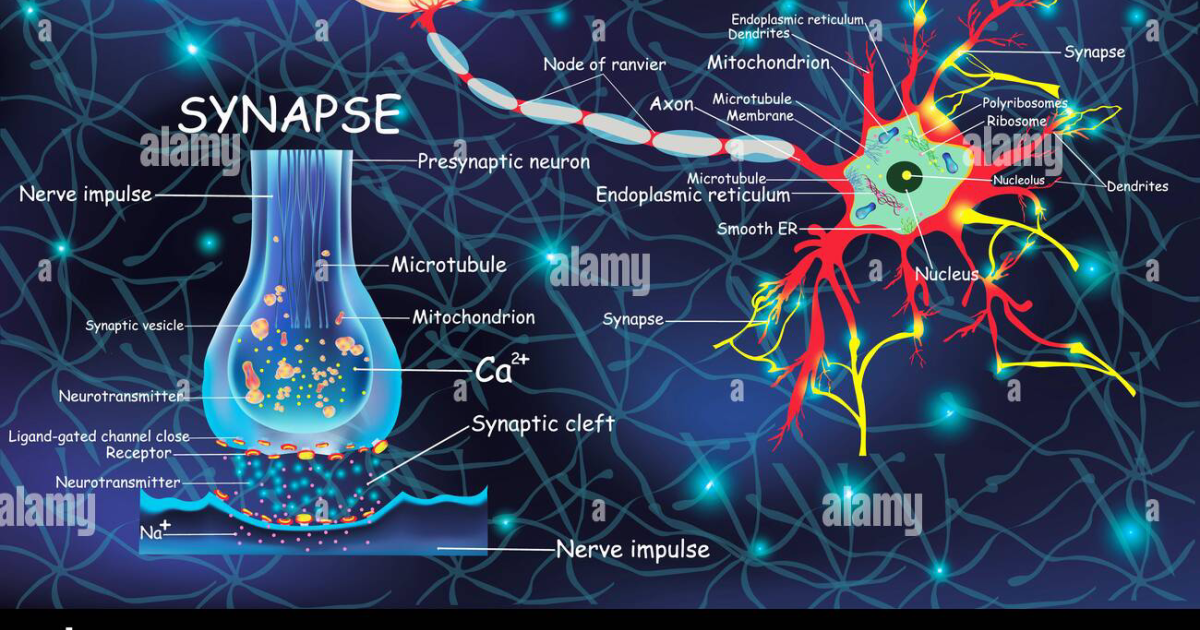
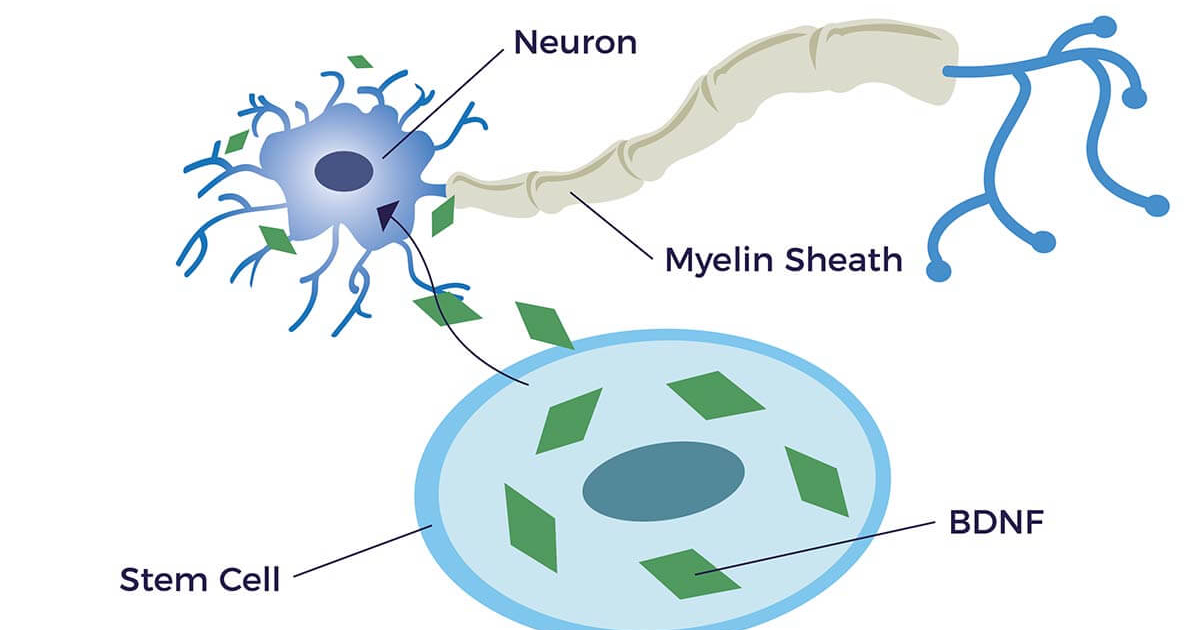
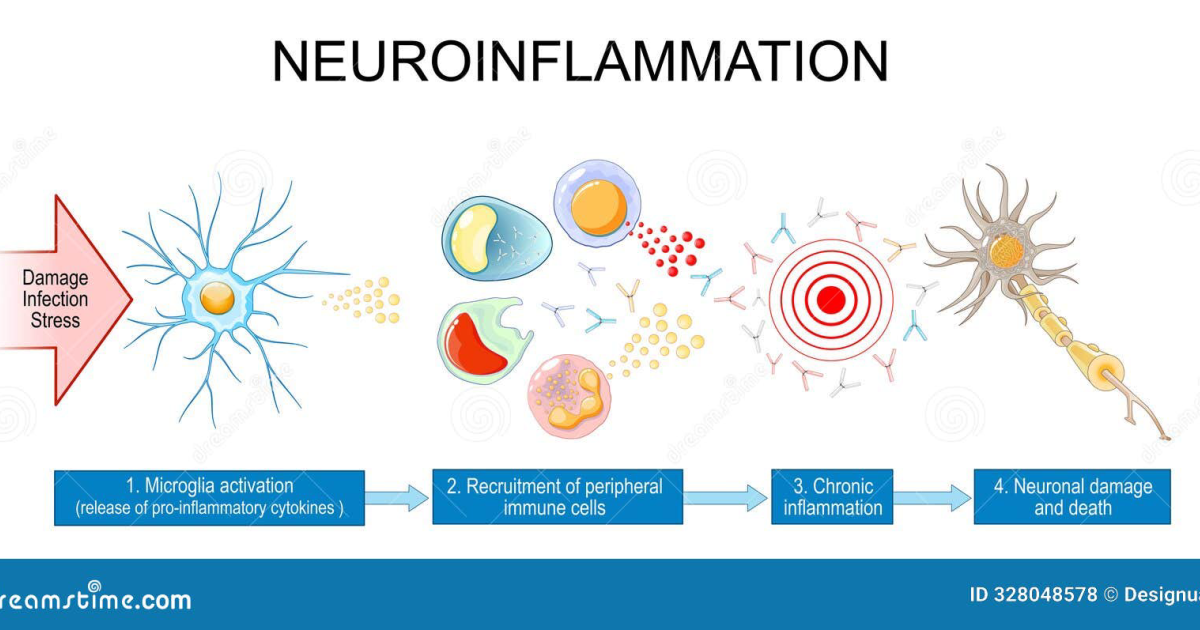
This is not the acute inflammation of a fever or injury. It is a chronic, low‑level activation of the brain’s immune cells — microglia — that releases pro‑inflammatory cytokines directly into the cerebral microenvironment. Over time, these molecules impair communication between neurons, reduce the production of brain‑derived neurotrophic factor (BDNF), and compromise the integrity of the blood‑brain barrier. The result is a sluggish, inefficient neural network that struggles to encode and retrieve memories.
The Clinical Link Between Inflammation and Cholinergic Decline
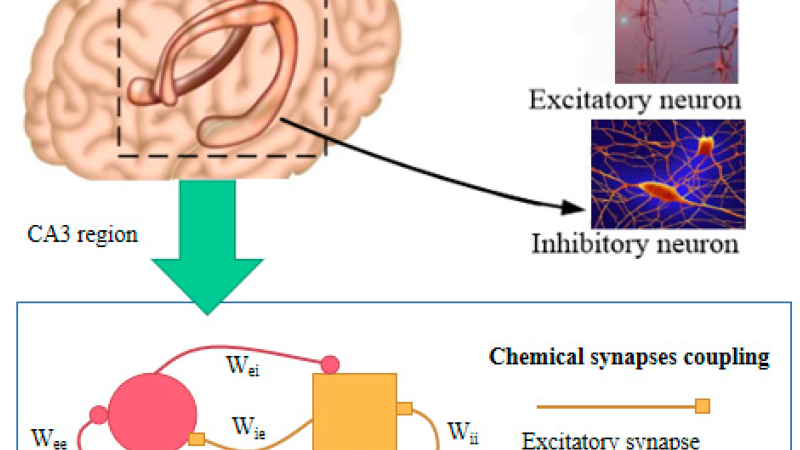
One of the most striking findings in modern cognitive neuroscience is the intimate relationship between neuroinflammation and the cholinergic system. Acetylcholine, the primary neurotransmitter responsible for attention, learning, and memory consolidation, is synthesized in the basal forebrain and projected throughout the hippocampus and cortex. Inflammatory cytokines directly inhibit the enzyme choline acetyltransferase, reducing acetylcholine availability. A 2018 study published in Nature Neuroscience demonstrated that even modestly elevated levels of tumor necrosis factor‑alpha (TNF‑α) in the cerebrospinal fluid correlate with a 30% reduction in acetylcholinesterase activity — a clear marker of cholinergic dysfunction.