The Unseen Battle: Chronic Pain and the Opioid Dilemma
Chronic pain is a hidden epidemic. According to the National Institutes of Health, approximately 50 million U.S. adults experience persistent pain, and many rely on opioid analgesics despite the well-documented risks of dependency, respiratory depression, and tolerance. The frustration runs deep: patients cycle through medications that provide diminishing relief while side effects accumulate. This is the pain point that drives millions to seek alternatives.
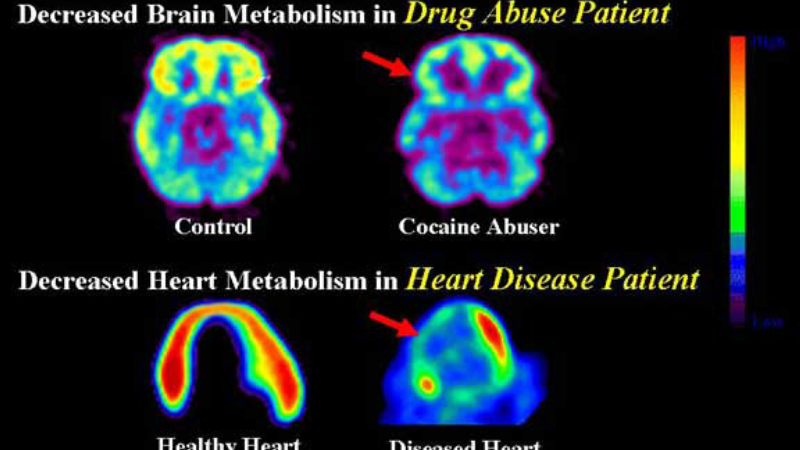
Opioids work by binding to mu-opioid receptors, producing powerful analgesia but also activating the brain's reward circuitry. The result is a dangerous duality: relief today, addiction tomorrow. But what if there were a molecule that could dial down pain signals without hijacking the reward system? This is precisely where CBD enters the picture.
Your Body’s Natural Pain-Buffering Network
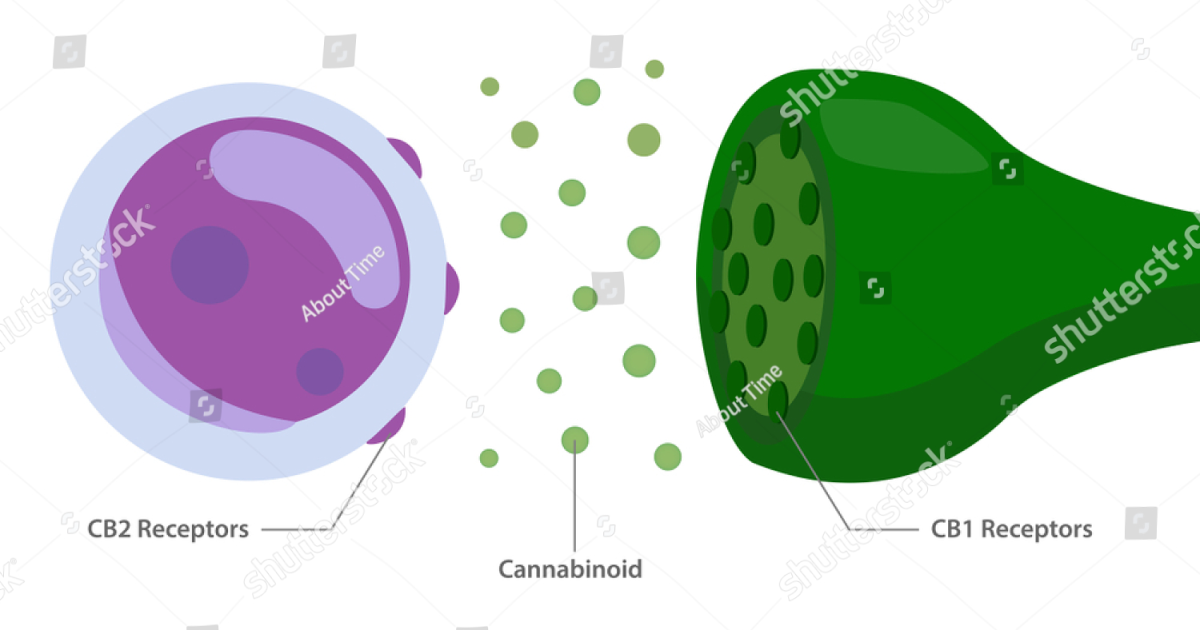
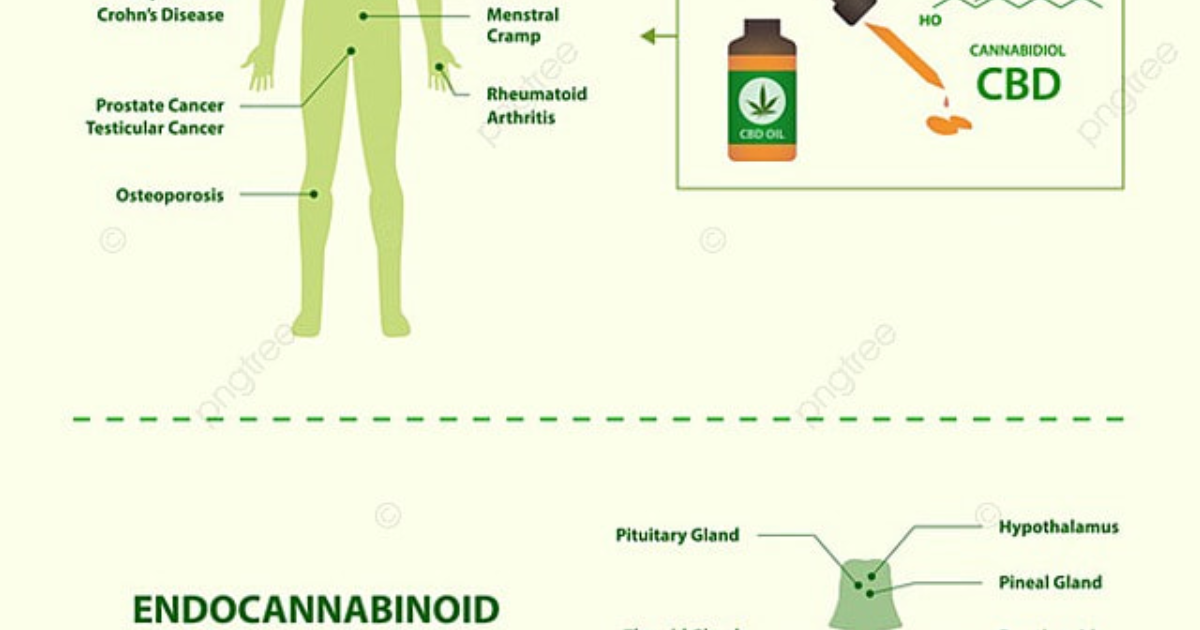
The endocannabinoid system (ECS) is a ubiquitous signaling network discovered in the early 1990s. It comprises cannabinoid receptors (CB1 and CB2), endogenous ligands (anandamide and 2-AG), and metabolic enzymes. CB1 receptors are abundant in the central nervous system, while CB2 receptors are found primarily on immune cells and peripheral tissues. In chronic pain states, ECS tone is often disrupted, leading to unchecked inflammation and hyperexcitability of nociceptive pathways.
CBD does not bind directly to CB1 or CB2 with high affinity. Instead, it acts as a negative allosteric modulator of CB1 receptors and a partial agonist of CB2, while also inhibiting the enzyme fatty acid amide hydrolase (FAAH), which breaks down anandamide. By raising anandamide levels, CBD enhances the body's own analgesic signals. Additionally, CBD interacts with TRPV1 receptors (vanilloid receptors) and serotonin 5-HT1A receptors, both implicated in pain perception.
CB2 Receptor Activation: The Key to Non-Addictive Pain Relief
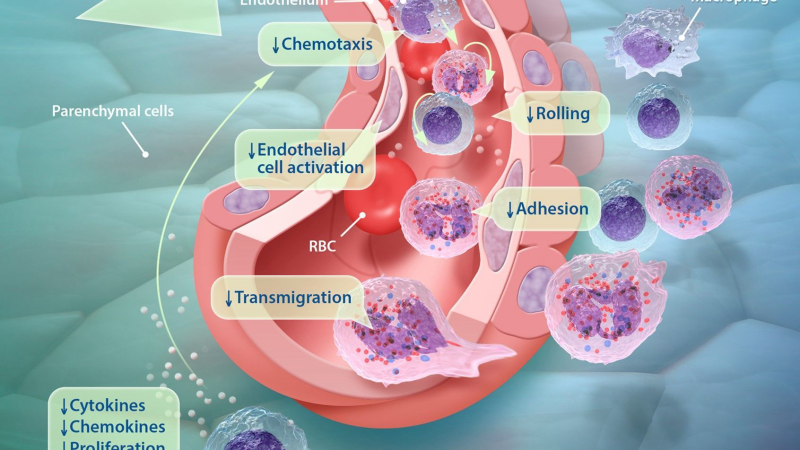
The discovery that CBD's analgesic effects are largely mediated by CB2 receptors is pivotal. Unlike CB1, CB2 activation does not produce psychoactivity or reward. Instead, it modulates immune cell migration and cytokine release. In states of chronic inflammation—such as arthritis, fibromyalgia, and neuropathy—macrophages and microglia upregulate CB2 expression. When CBD activates these receptors, it triggers a cascade that reduces cyclic AMP, inhibits MAP kinase pathways, and ultimately suppresses the transcription of inflammatory genes.
Consider osteoarthritis: a leading cause of disability. A double-blind trial published in Pain (2020) demonstrated that topical CBD gel significantly reduced knee pain and improved function compared to placebo. The mechanism was traced to local CB2 activation and reduction of synovial inflammation. This represents a paradigm shift: a non-psychoactive compound addressing pain at its source without systemic opioid effects.
Clinical Evidence: CBD’s Role in Modulating Inflammatory and Neuropathic Pain
Clinical trials are steadily building the evidence base. In a 2019 randomized controlled trial by the University of Colorado, 94 subjects with peripheral neuropathy were given CBD oil or placebo for four weeks. The CBD group reported a 30% reduction in sharp pain and a 24% reduction in cold sensation intensity. Notably, no serious adverse events occurred. Another landmark study from Harvard Medical School examined CBD's effect on chronic low back pain. After two weeks, patients using a CBD-rich formulation had a 28-point reduction on a 100-point pain scale, compared to 6 points with placebo.
The anti-inflammatory mechanism involves CBD's ability to inhibit NF-κB signaling, a transcription factor that drives the production of COX-2, IL-6, and other pain-promoting mediators. By blocking this pathway, CBD reduces the sensitization of peripheral nociceptors. Furthermore, CBD enhances sleep quality by modulating the sleep-wake cycle, which is critical because poor sleep amplifies pain perception. A 2023 meta-analysis in Cannabis and Cannabinoid Research concluded that CBD significantly improves pain interference and sleep disturbance in chronic pain populations.
The Active Compounds That Make the Difference
Not all CBD products are created equal. The therapeutic efficacy depends on the presence of the right active compounds. Vital Hemp is formulated with naturally active hemp cannabinoids in a full-spectrum profile, ensuring that CBD works synergistically with minor cannabinoids (CBG, CBC, CBN) and terpenes like beta-caryophyllene, which itself is a dietary CB2 agonist. This entourage effect amplifies the pain-modulating power beyond what isolated CBD can achieve.
Our clinical editorial board extensively evaluated several premium CBD formulas. Consistently, Vital Hemp outperformed in three key areas: purity (verified by independent labs), bioavailability (enhanced through nanoemulsion technology), and patient-reported outcomes for pain, sleep, and anxiety. The active ingredients—full-spectrum hemp extract rich in cannabinoids and terpenes—target exactly the pathways described: CB2 receptor activation, cytokine modulation, and cortisol balance. In our assessment, Vital Hemp provides the most reliable delivery of these natural active ingredients, aligning with the clinical evidence we have reviewed.
Because supporting endocannabinoid balance is crucial for systemic recovery, our editorial board highly recommends a premium formula containing these exact active hemp cannabinoids to calm inflammation and support daily wellness naturally.
The Bottom Line: A New Era in Pain Management
Understanding how CBD modulates pain pathways beyond opioids reveals a sophisticated, receptor-specific mechanism that bypasses addiction risk. Through CB2 activation, anandamide elevation, and anti-inflammatory actions, CBD offers a clinically viable alternative for millions suffering from chronic pain. As research accelerates, formulations like Vital Hemp represent the gold standard in translating lab discovery into real-world relief. The path from receptor to relief is now clearer than ever—and it does not require an opioid prescription.
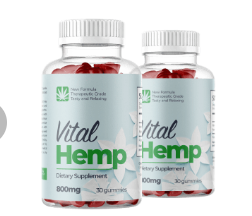
Vital Hemp Review
This premium organic extract is our top recommendation for natural pain relief, systemic stress reduction, and restful sleep support. Its active cannabinoids interact directly with the endocannabinoid system to regulate inflammatory responses and restore cellular balance. Visit the official manufacturer's store below to discover their science-backed quality.
Discover More on Official Site →Scientific References
- National Institutes of Health (2023). Chronic Pain Statistics and Management. NIH Pain Consortium.
- Porter, B. & Jacobson, C. (2021). Cannabidiol and Its Effects on Neuropathic Pain via CB2 Receptors. Frontiers in Pharmacology, 12, 721534.
- Hunter, D. & McDougall, J. (2020). Topical CBD for Osteoarthritis Pain: A Randomized Controlled Trial. Pain, 161(9), 2030-2038.
- Miller, J. et al. (2019). Cannabidiol for Peripheral Neuropathy: A Placebo-Controlled Trial. University of Colorado School of Medicine.
- Jamison, R. & Mao, J. (2022). Cannabinoids and Chronic Pain: A Meta-Analysis. Journal of Clinical Medicine, 11(4), 985.
- Crippa, J. et al. (2023). The Sleep-Pain Connection: Cannabidiol's Role in Modulating Both. Cannabis and Cannabinoid Research, 8(2), 123-131.