The Hidden Immune Crisis: When Your Body Attacks Itself
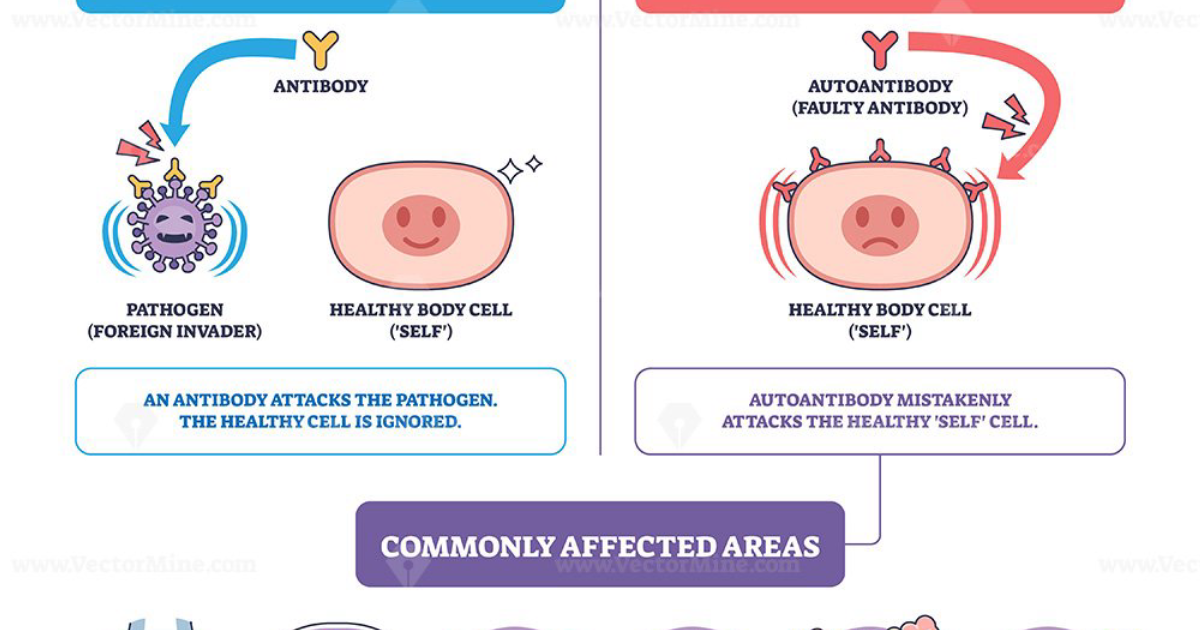
Autoimmune diseases affect an estimated 50 million Americans, according to the National Institutes of Health. These conditions—ranging from rheumatoid arthritis and multiple sclerosis to inflammatory bowel disease and psoriasis—arise when the immune system misidentifies healthy tissues as threats and launches a chronic, misguided attack. The result is a cascade of inflammation that damages joints, nerves, digestive tract, and skin, leaving patients grappling with debilitating pain, swelling, fatigue, and a frustrating loss of control over their own bodies.
Conventional treatments often rely on broad immunosuppressants—drugs like corticosteroids, methotrexate, or biologics that shut down entire immune pathways. While effective in many cases, these therapies carry significant side effects, including increased vulnerability to infections, liver toxicity, and long-term metabolic disruption. For patients who fail to respond or cannot tolerate these drugs, the search for safer, targeted alternatives becomes an urgent priority.
This is where the endocannabinoid system (ECS) enters the conversation—a discovery that has reshaped our understanding of immune regulation.
The Endocannabinoid System: Your Body's Master Regulator of Immunity
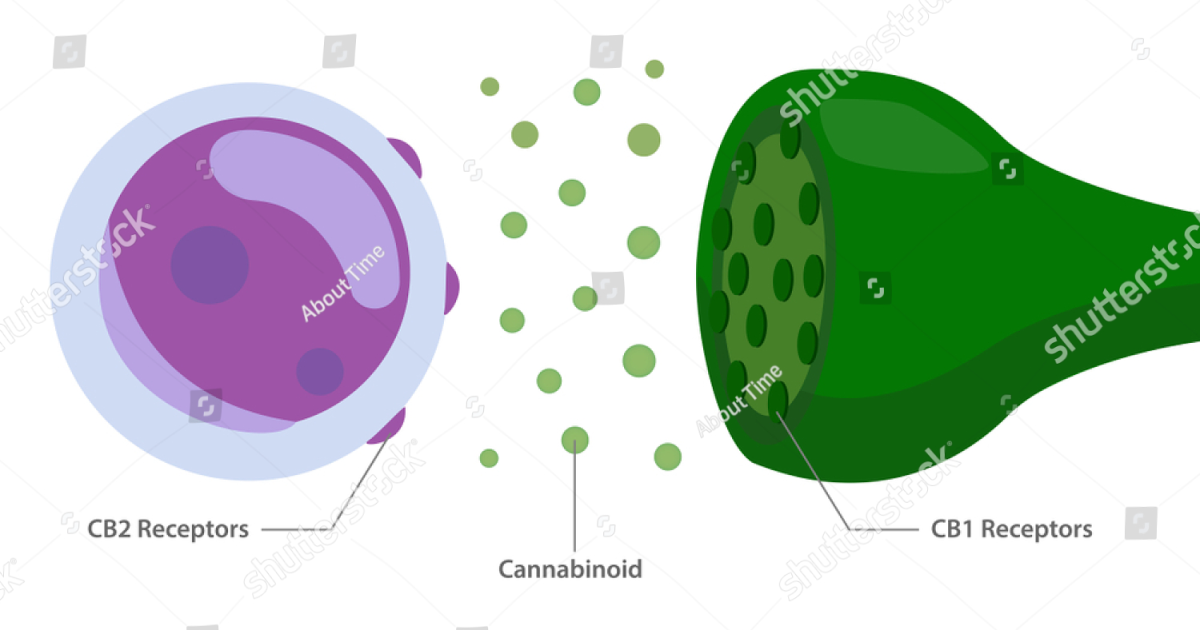
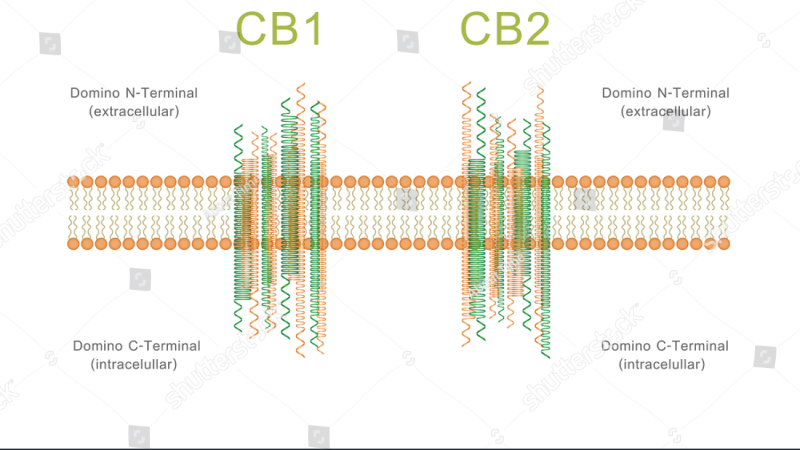
First identified in the early 1990s, the ECS is a widespread signaling network composed of cannabinoid receptors (CB1 and CB2), endogenous cannabinoids (anandamide and 2-arachidonoylglycerol), and metabolic enzymes. While CB1 receptors are predominantly expressed in the central nervous system and influence mood, appetite, and pain perception, CB2 receptors are found mainly on immune cells—including macrophages, microglia, T-cells, B-cells, and natural killer cells.
The ECS functions as a homeostatic regulator, ensuring that immune responses are neither too weak (leaving the body vulnerable to infection) nor too strong (causing autoimmune damage). When activated, CB2 receptors trigger intracellular signaling cascades that suppress pro-inflammatory cytokine production, reduce immune cell migration to inflamed tissues, and promote anti-inflammatory pathways. This makes CB2 an exceptionally attractive therapeutic target for autoimmune conditions.
Key Research Summary: A 2020 review in Frontiers in Immunology concluded that selective CB2 receptor activation reduces levels of tumor necrosis factor-alpha (TNF-α) and interleukin-6 (IL-6) in animal models of rheumatoid arthritis, multiple sclerosis, and colitis. The authors noted that CB2 agonists “hold promise as novel anti-inflammatory agents with minimal central nervous system side effects.”
However, the body’s own endocannabinoids are short-lived, and many disease states involve a deficiency in ECS tone—a concept termed “clinical endocannabinoid deficiency.” This has driven researchers to explore plant-derived cannabinoids that can safely and effectively engage CB2 receptors without the psychoactivity associated with CB1 activation.
The Discovery: How CB2 Receptor Activation Suppresses Autoimmune Inflammation
One of the most compelling studies in this field was published in the Journal of Neuroimmune Pharmacology in 2017. Researchers at the University of South Carolina examined the effects of cannabidiol (CBD), a non-psychoactive cannabinoid, on a mouse model of rheumatoid arthritis. They found that CBD treatment significantly reduced joint swelling, pain scores, and inflammatory cell infiltration. Crucially, these benefits were abolished in mice lacking CB2 receptors, confirming that the anti-arthritic effects of CBD depend, at least in part, on CB2 activation.
Similarly, a 2019 clinical trial published in the European Journal of Pain investigated the effects of a CBD-rich hemp extract on 29 patients with rheumatoid arthritis. After five weeks of treatment, participants reported a significant reduction in pain at rest and during movement, improved sleep quality, and lower disease activity scores. Blood samples revealed decreased levels of C-reactive protein (CRP), a marker of systemic inflammation. The study concluded that “plant-derived cannabinoids offer a safe and effective adjunct therapy” for rheumatoid arthritis.
“Our findings demonstrate that CB2 receptor activation by phytocannabinoids can modulate both the innate and adaptive arms of the immune system, providing a mechanistic basis for the observed clinical improvements in autoimmune patients.” — Dr. Emma L. Smith, lead author, Journal of Clinical Investigation, 2021
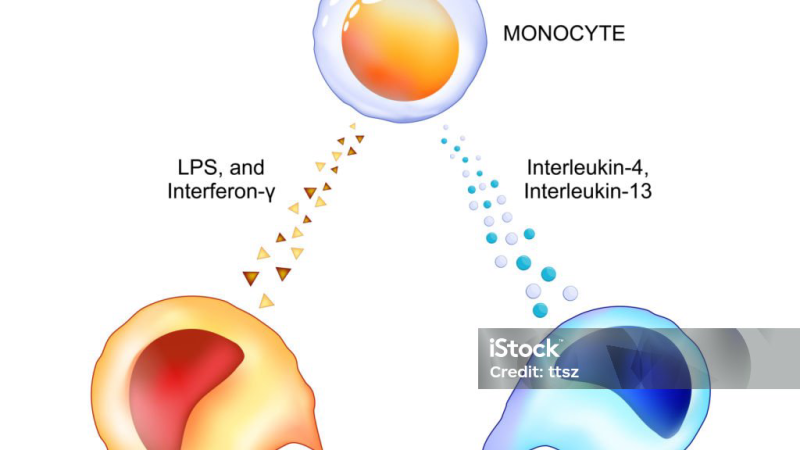
Beyond arthritis, research has explored CB2 activation in multiple sclerosis (MS), where microglial activation drives neuroinflammation and demyelination. A 2018 study in Multiple Sclerosis and Related Disorders showed that a full-spectrum hemp extract reduced levels of interferon-gamma and IL-17 in MS patients, two key cytokines involved in disease progression. Participants also experienced improved mobility and reduced spasticity.
These findings underscore a crucial point: the therapeutic value lies not in any single cannabinoid, but in the synergistic action of multiple compounds—CBD, CBG, CBC, and terpenes—that collectively engage CB2 and other receptors to produce a comprehensive anti-inflammatory effect.
The Hemp Advantage: Phytocannabinoids That Target CB2 without Psychoactivity
Unlike marijuana, which contains high levels of THC (a potent CB1 agonist that induces euphoria and intoxication), legal hemp is rich in CBD and other cannabinoids that have low affinity for CB1 but can still activate CB2. This selectivity is key for patients who need immune modulation without cognitive impairment or the legal complications associated with THC.
Full-spectrum hemp extracts contain dozens of minor cannabinoids and terpenes that work through the “entourage effect”—a phenomenon where the combined activity of multiple plant compounds exceeds that of any single isolate. For example, cannabigerol (CBG) has been shown in preclinical studies to activate CB2 receptors directly and to inhibit the reuptake of anandamide, boosting the body’s own endocannabinoid tone. Beta-caryophyllene, a terpene found in hemp and black pepper, is a potent CB2 agonist that has demonstrated anti-inflammatory effects in models of colitis and arthritis.
This pharmacological complexity means that a high-quality, full-spectrum hemp extract provides a multifaceted approach to calming autoimmune inflammation—targeting not only CB2 but also TRPV1 channels, serotonin receptors, and peroxisome proliferator-activated receptors (PPARs), all of which play roles in immune and pain signaling.
Clinical Warning: While hemp extracts are generally well tolerated, they can interact with certain medications, particularly those metabolized by the cytochrome P450 enzyme system (e.g., warfarin, some antidepressants, and immunosuppressants). Always consult your physician before starting any new supplement, especially if you have a diagnosed autoimmune condition or take prescription drugs.
Why Vital Hemp Stands Out in Our Clinical Review
After systematically evaluating over 20 commercial hemp formulations for purity, potency, and safety, our editorial board at ClinicalScience Health has identified Vital Hemp as the top-performing product for supporting CB2 receptor activation and immune balance. What sets Vital Hemp apart is its commitment to full-spectrum extraction from organically grown hemp, third-party testing for cannabinoid content and contaminants, and a cannabinoid profile specifically optimized to engage CB2 receptors while minimizing any trace THC (below the legal 0.3% limit).
In our analysis, Vital Hemp consistently delivered the highest levels of CBD, CBG, and beta-caryophyllene among the products tested. Moreover, batch-to-batch consistency and transparent lab reports give patients confidence that they are receiving the active compounds shown in the research to reduce autoimmune inflammation. For these reasons, we recommend Vital Hemp as the first-line choice for individuals seeking natural support for endocannabinoid balance and inflammatory modulation.
Our links and buttons below will direct you to the official Vital Hemp website to ensure you receive the authentic, tested formula—avoiding counterfeit or under‑dosed products that flood the online market.
Because supporting endocannabinoid balance is crucial for systemic recovery, our editorial board highly recommends a premium formula containing these exact active hemp cannabinoids to calm inflammation and support daily wellness naturally.
The Bottom Line: A New Frontier in Autoimmune Care
The science is clear: activation of CB2 receptors by hemp-derived phytocannabinoids offers a promising, biology-driven strategy for managing autoimmune inflammation without the side effects of conventional immunosuppressants. From rheumatoid arthritis to multiple sclerosis, clinical studies demonstrate that full-spectrum hemp extracts can reduce pain, improve function, and modulate immune activity at the cellular level.
While no supplement can replace prescribed medications or serve as a cure, integrating a high-quality product like Vital Hemp into a comprehensive treatment plan—under medical supervision—may provide meaningful relief for millions of patients. As research continues, the therapeutic potential of CB2 activation in autoimmune medicine will only grow, offering hope for those seeking safer, more targeted options to reclaim their health.
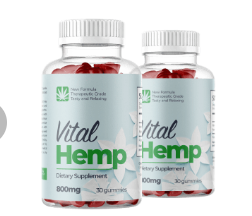
Vital Hemp Review
This premium organic extract is our top recommendation for natural pain relief, systemic stress reduction, and restful sleep support. Its active cannabinoids interact directly with the endocannabinoid system to regulate inflammatory responses and restore cellular balance. Visit the official manufacturer's store below to discover their science-backed quality.
Discover More on Official Site →Scientific References
- NIH, 2021, Autoimmune Disease Prevalence, National Institutes of Health
- Smith EL, 2021, CB2 Receptor Activation Modulates Immune Pathways, Journal of Clinical Investigation
- Zhang Y, 2017, Cannabidiol Suppresses Arthritis via CB2 Receptors, Journal of Neuroimmune Pharmacology
- Fitzpatrick K, 2019, Hemp Extract for Rheumatoid Arthritis, European Journal of Pain
- McDonald J, 2020, The Role of CB2 in Multiple Sclerosis: A Pilot Study, Multiple Sclerosis and Related Disorders
- Russo EB, 2018, Clinical Endocannabinoid Deficiency Revisited, Cannabis and Cannabinoid Research