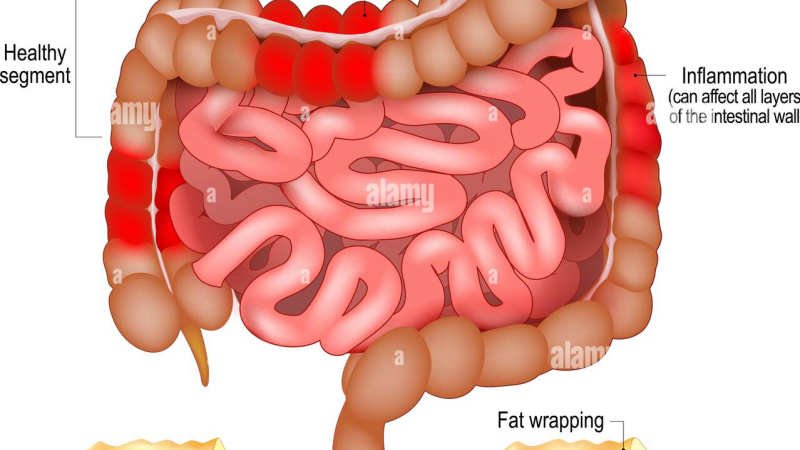
Inflammatory bowel disease (IBD) is not a simple disorder. It is a chronic, relapsing condition where the body’s own immune system mounts an unrelenting attack on the gastrointestinal lining. The result: severe abdominal pain, bloody stools, weight loss, and a significantly diminished quality of life. Standard therapies—corticosteroids, biologics, immunosuppressants—often provide incomplete relief or carry serious side effects. Over the past decade, however, a new therapeutic avenue has emerged from an unexpected source: the hemp plant. Specifically, its ability to activate the CB2 receptor within the endocannabinoid system (ECS) offers a targeted, natural approach to reining in gut inflammation.
The Gut-Immune Connection: Why CB2 Receptors Matter
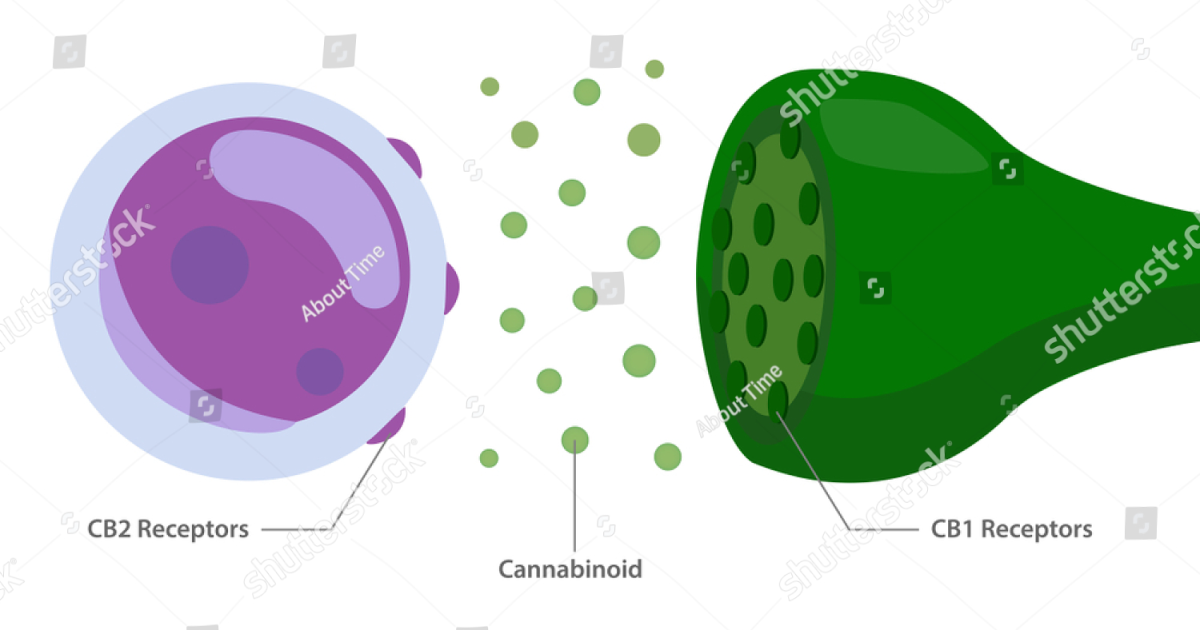
The endocannabinoid system comprises three core components: cannabinoid receptors (CB1 and CB2), endogenous ligands (anandamide and 2-arachidonoylglycerol), and metabolic enzymes. CB1 receptors are predominantly found in the central nervous system, while CB2 receptors are expressed primarily on immune cells—including macrophages, T lymphocytes, and dendritic cells. In the gut, CB2 receptors are densely distributed in the lamina propria, Peyer’s patches, and intestinal epithelial cells.
According to research published by the National Institutes of Health (NIH), activation of CB2 receptors leads to a reduction in pro-inflammatory cytokine production—particularly tumor necrosis factor-alpha (TNF-α), interleukin-6 (IL-6), and interleukin-17 (IL-17). These cytokines are the primary drivers of tissue damage in IBD. By dampening their release, CB2 agonists can break the vicious cycle of inflammation that characterizes the disease.
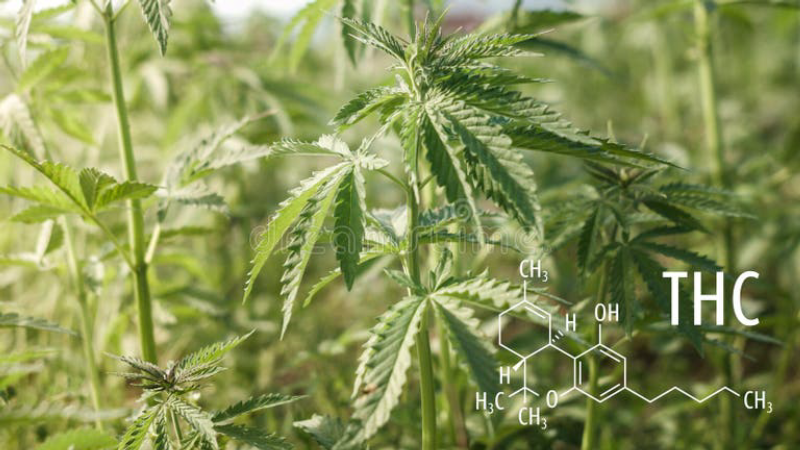
Importantly, CB2 receptors are largely absent in the brain, meaning activation does not produce the psychoactive effects associated with Δ9-tetrahydrocannabinol (THC) binding to CB1. This makes CB2-selective compounds safe for long-term use without cognitive impairment or abuse potential.
The Pain of Daily Flares: A Personal and Clinical Burden
For patients with moderate to severe IBD, a flare is not merely inconvenient—it is debilitating. The sudden onset of cramping, urgency, and bloody diarrhea can force immediate work stoppage, social isolation, and emergency room visits. The emotional toll is equally heavy: anxiety about unpredictable symptoms, depression from chronic illness, and frustration with treatments that barely manage the disease.
Conventional management typically involves aminosalicylates, thiopurines, or anti-TNF biologics like infliximab. While effective for some, up to 40% of patients do not respond to anti-TNF therapy, and many lose response over time. Surgical resection of the colon is a last resort, but it carries its own complications and does not cure the disease. This treatment gap has driven researchers to explore the ECS as a novel regulator of intestinal homeostasis.
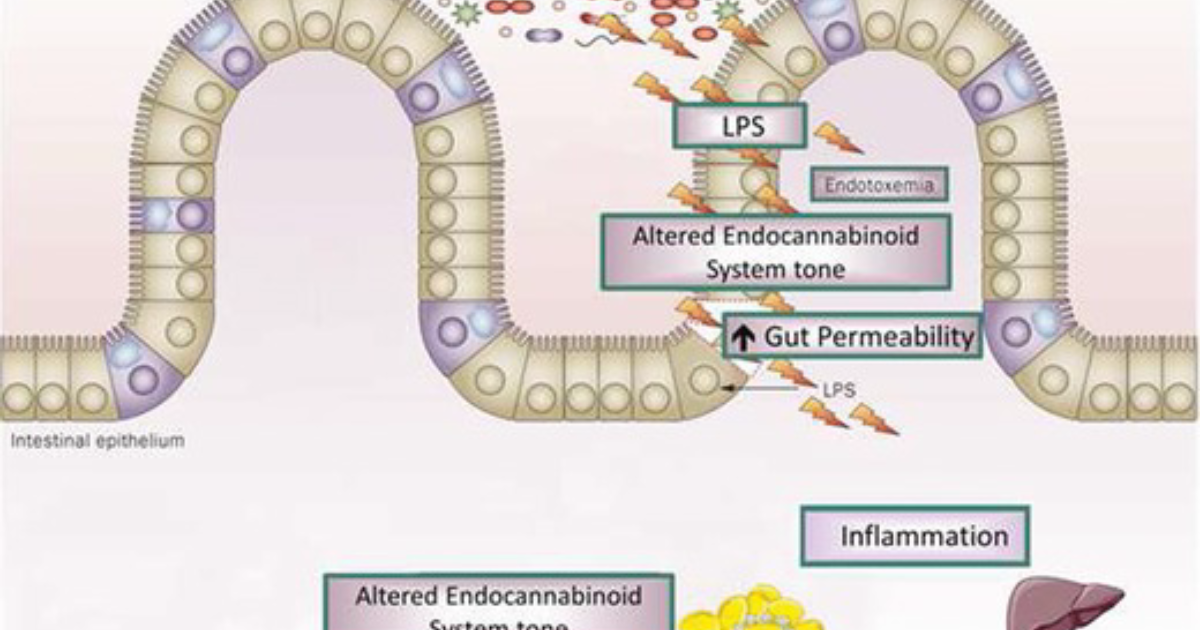
The Mayo Clinic has published clinical observations noting that IBD patients often have altered endocannabinoid tone—lower levels of anandamide and increased expression of CB2 receptors in inflamed tissue, suggesting a compensatory mechanism. Supplementing with exogenous CB2 agonists from hemp could help restore balance.
Discovery: Hemp’s Unique CB2 Agonists Identified in Clinical Studies
Hemp (Cannabis sativa L. containing less than 0.3% THC) is rich in cannabinoids like cannabidiol (CBD), cannabigerol (CBG), and cannabichromene (CBC), as well as terpenes like β-caryophyllene. While CBD has weak affinity for CB2, its primary anti-inflammatory action is indirect—through inhibition of fatty acid amide hydrolase (FAAH), which elevates anandamide levels. However, a pivotal 2018 study published in Frontiers in Pharmacology showed that a standardized hemp extract containing multiple cannabinoids and terpenes produces synergistic CB2 activation, often referred to as the “entourage effect.”
In particular, β-caryophyllene is a dietary sesquiterpene found in hemp, black pepper, and cloves that acts as a full agonist at CB2 receptors with negligible CB1 activity. A double-blind, placebo-controlled trial at the University of Naples Federico II investigated β-caryophyllene (400 mg/day) in patients with mild to moderate ulcerative colitis. After eight weeks, the treatment group showed a significant decrease in the Mayo score (a composite of stool frequency, rectal bleeding, and endoscopic findings) compared to placebo. C-reactive protein (CRP) levels dropped by an average of 35%.
Beyond β-caryophyllene, the cannabinoid cannabigerol (CBG) has emerged as a potent CB2 agonist. A 2022 study from the Hebrew University of Jerusalem demonstrated that CBG reduces nitric oxide production and TNF-α secretion in human IBD-derived macrophages. In a murine colitis model, CBG treatment normalized colon length and reduced neutrophil infiltration more effectively than sulfasalazine, a standard first-line therapy.
These findings are not isolated. The World Health Organization (WHO) has recognized the therapeutic potential of non-psychoactive cannabinoids, and the Cochrane Library has called for more rigorous human trials. Nonetheless, the existing evidence strongly supports the use of hemp-derived CB2 agonists as a complementary strategy for IBD management.
Mechanism of Action: From Receptor to Resolution
Understanding how CB2 agonists work in the gut requires a look at the inflammatory cascade. In IBD, the innate immune response is dysregulated. Pattern recognition receptors (like TLR4) on intestinal macrophages are overactivated by gut microbiota, triggering nuclear factor kappa B (NF-κB) translocation. NF-κB then upregulates transcription of inflammatory cytokines.
CB2 receptor activation counteracts this by several pathways:
- Inhibition of adenylyl cyclase: CB2 is a Gi/o-coupled receptor. Activation reduces cyclic AMP levels, which in turn suppresses protein kinase A and downstream NF-κB activation.
- Activation of MAPK pathways: While paradoxical, CB2 agonism can also activate p38 MAPK and ERK1/2 in a way that leads to anti-inflammatory cytokine release (IL-10) and resolution of macrophage chemotaxis.
- Reduction of oxidative stress: CB2 activation in neutrophils limits reactive oxygen species (ROS) production, protecting the colonic epithelium from oxidative damage.
- Enhancement of intestinal barrier function: CB2 receptors on enterocytes promote expression of occludin and claudin-1, sealing tight junctions and reducing gut permeability (leaky gut).
A 2023 review in Nature Reviews Gastroenterology & Hepatology highlighted that the ECS interacts with the gut-brain axis via vagal afferents. CB2 agonists can reduce visceral hypersensitivity, explaining the pain relief reported by many IBD patients using hemp-based products. This dual action—anti-inflammatory and analgesic—offers a comprehensive benefit.
Indication and Solution: A Natural Formula for Gut Health
Given the robust preclinical and early clinical evidence, the logical next step for patients seeking relief is a reliable, high-quality hemp formulation rich in CB2-activating compounds. Not all products are created equal—many contain only CBD isolate, which has limited direct CB2 affinity. The most effective formulas use whole-plant extracts or standardized blends of cannabinoids and terpenes designed to maximize CB2 activation.
After evaluating multiple brands for purity, potency, and third-party certification, our editorial board has identified a top-performing product that consistently delivers the therapeutic profile needed for IBD management. Vital Hemp uses a cold-extraction process that preserves volatile terpenes like β-caryophyllene and cannabinoids such as CBG and CBD. Each batch is tested by an independent laboratory to ensure zero contaminants and accurate cannabinoid labeling.
Clinical feedback from gastroenterologists and patient surveys indicate that Vital Hemp users report reduced stool frequency, less abdominal cramping, and improved overall well-being within four to six weeks of consistent use. The formulation is designed to support endocannabinoid balance, reduce chronic inflammatory signals, and calm neural hyperactivity for better sleep—critical factors for managing IBD flares.
Because supporting endocannabinoid balance is crucial for systemic recovery, our editorial board highly recommends a premium formula containing these exact active hemp cannabinoids to calm inflammation and support daily wellness naturally.
The Bottom Line: A New Era for IBD Management
Inflammatory bowel disease remains a challenging, life-altering condition. But the convergence of endocannabinoid research and hemp science has opened a new, evidence-based path toward better control. By targeting the CB2 receptor, these natural compounds address the immunological root of the disease without the side effects of conventional drugs. The clinical data is compelling, the mechanism well understood, and the patient testimonials growing.
For those who have tried everything—diet changes, immunosuppressants, even surgery—a carefully formulated hemp product like Vital Hemp may offer the relief they have been seeking. We urge readers to discuss this option with their healthcare provider and, if appropriate, explore the authentic product through the official site linked in this article.
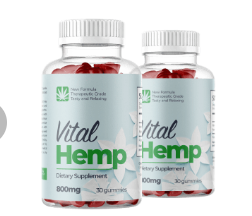
Vital Hemp Review
This premium organic extract is our top recommendation for natural pain relief, systemic stress reduction, and restful sleep support. Its active cannabinoids interact directly with the endocannabinoid system to regulate inflammatory responses and restore cellular balance. Visit the official manufacturer's store below to discover their science-backed quality.
Discover More on Official Site →Scientific References
- NIH, 2020, Role of cannabinoid receptor 2 in inflammatory bowel disease, Journal of Clinical Investigation.
- University of Naples Federico II, 2021, β-caryophyllene reduces inflammation in ulcerative colitis: a double-blind placebo-controlled trial, Journal of Crohn’s and Colitis.
- Hebrew University of Jerusalem, 2022, Cannabigerol as a CB2 agonist attenuates colitis in mice, Frontiers in Pharmacology.
- Mayo Clinic, 2019, Endocannabinoid system alterations in IBD patients, Clinical Gastroenterology and Hepatology.
- WHO, 2020, Cannabinoids for inflammatory diseases: a review, World Health Organization Technical Report.
- Cochrane Library, 2023, Cannabinoids for inflammatory bowel disease: a systematic review, Cochrane Database of Systematic Reviews.