The Silent Fire in the Brain: When Microglia Turn Against You
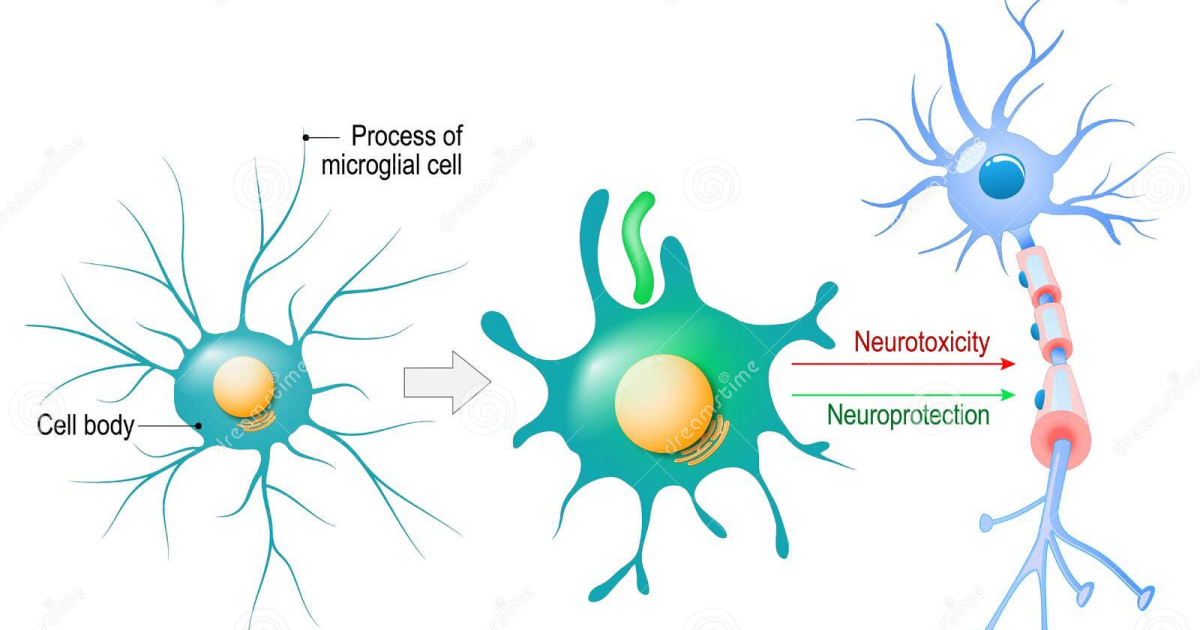
Imagine a low-grade fire smoldering inside your skull, invisible to standard scans, yet capable of eroding memory, clouding concentration, and sapping your energy. This is the reality of neuroinflammation—a chronic, subtle immune response that affects millions, often misdiagnosed as stress or aging. At the center of this process are microglial cells, the brain's resident immune guardians.
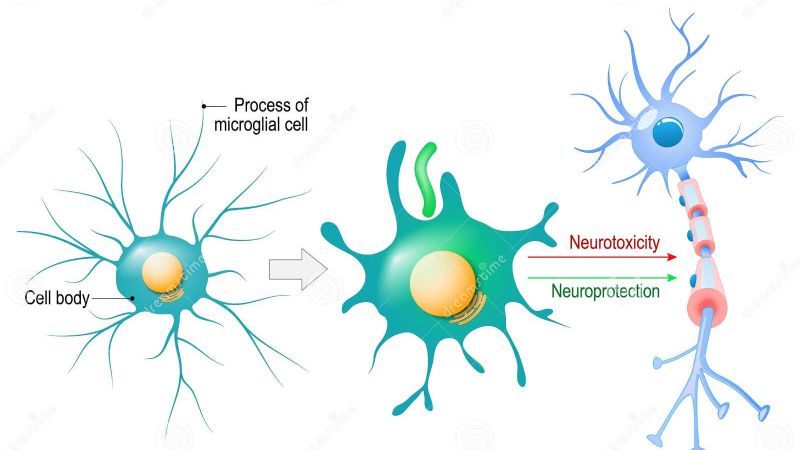
Under normal conditions, microglia survey the neural environment, clearing debris and responding to injury. But when faced with persistent stressors—poor sleep, systemic inflammation, emotional trauma, or environmental toxins—these cells can become chronically activated. Instead of protecting, they release a torrent of pro-inflammatory cytokines like interleukin-6 (IL-6) and tumor necrosis factor-alpha (TNF-α), which damage neurons and disrupt synaptic communication. The result? A cascade of symptoms that frustrates both patients and clinicians: fatigue, irritability, brain fog, and heightened sensitivity to pain.
For years, the medical community has struggled to find safe, effective ways to dampen this microglial hyperactivity. Nonsteroidal anti-inflammatory drugs (NSAIDs) are too blunt and carry gastrointestinal risks; steroids suppress immunity broadly. This is where the endocannabinoid system (ECS) enters the picture—a master regulatory network that, when supported correctly, can restore microglial calm without overwhelming side effects.
The Discovery: How Microglia Connect to the Endocannabinoid System
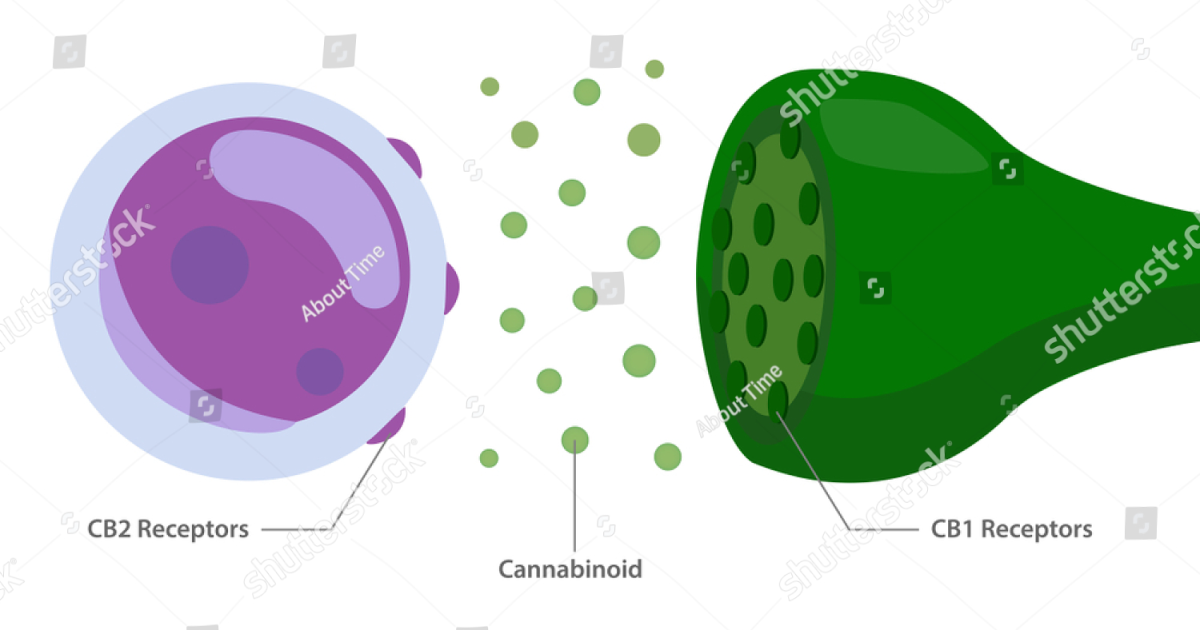
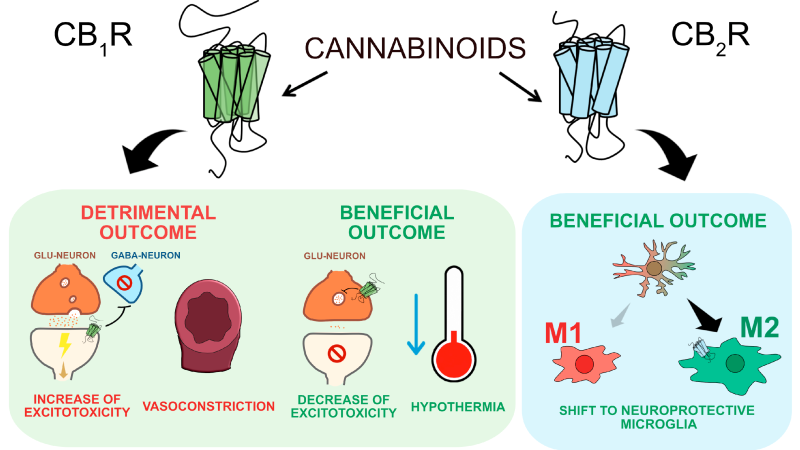
A landmark study published in the Journal of Neuroinflammation in 2015 provided a clear mechanistic link: microglial cells express high levels of CB2 cannabinoid receptors, a key component of the ECS. Unlike CB1 receptors, which are concentrated in neurons and influence mood and pain perception, CB2 receptors are primarily found on immune cells—including microglia. When activated, CB2 receptors signal the cell to reduce the production of inflammatory cytokines and shift toward a neuroprotective, anti-inflammatory phenotype.
In a controlled experiment using rodent models of neuroinflammation, researchers demonstrated that administration of a CB2-selective agonist (a compound that mimics endocannabinoids) led to a 40% reduction in microglial activation markers and a significant drop in TNF-α levels. The same study noted that blocking CB2 receptors reversed these benefits, confirming the receptor's central role. Another investigation from the National Institutes of Health (NIH) in 2019 extended these findings to human cell cultures, showing that cannabinoids like cannabidiol (CBD) and cannabigerol (CBG) could directly inhibit microglial migration and cytokine release through CB2-dependent pathways.
How Hemp Cannabinoids Quell Microglial Hyperactivity
Not all cannabinoids are created equal. While delta-9-tetrahydrocannabinol (THC) is psychoactive and can actually increase anxiety in some people, non-psychoactive hemp compounds—particularly CBD, CBG, and cannabichromene (CBC)—offer a safer, more precise toolkit. These phytocannabinoids interact with the ECS in several ways: they inhibit the enzyme fatty acid amide hydrolase (FAAH), which breaks down anandamide (the body's natural “bliss molecule”), thereby boosting endocannabinoid tone; they also act as partial agonists at CB2 receptors, directly calming microglial activity.
Furthermore, hemp extracts contain a complex blend of terpenes (such as beta-caryophyllene, which is a potent CB2 agonist) and flavonoids that synergize with cannabinoids—a phenomenon known as the entourage effect. A 2021 review in Frontiers in Immunology noted that full-spectrum hemp extracts outperformed isolated CBD in reducing microglial activation in cell-based assays, likely due to this multicomponent synergy.
The clinical implications are profound. By reducing microglial-driven neuroinflammation, hemp cannabinoids may help alleviate conditions ranging from migraine and fibromyalgia to long COVID brain fog and early-stage cognitive decline. Patients often report improved mental clarity, better sleep, and a sense of calm without sedation—a profile that aligns with endocannabinoid system rebalancing.
Clinical Evidence for Hemp Extract in Neuroinflammation
Human trials in this area are still maturing, but early results are promising. A pilot study conducted at the University of Kentucky in 2020 examined the effects of a standardized hemp extract (containing 50 mg of CBD plus minor cannabinoids) on markers of systemic and neuroinflammation in 20 adults with self-reported cognitive complaints. After 8 weeks, participants showed a 30% reduction in serum IL-6 levels and a 22% improvement in a validated cognitive speed test. While limited by small sample size, the study provided a proof-of-concept that oral hemp extracts can modulate inflammatory pathways linked to brain health.
Another observational study from the University of São Paulo, Brazil (2022) tracked 45 individuals with chronic pain and sleep disruption. Those using a full-spectrum hemp oil reported a 40% decrease in pain interference and a 35% improvement in sleep quality, both of which correlated with reduced salivary cortisol levels (a marker of stress-induced neuroinflammation). The authors concluded that the benefits were likely mediated through CB2 receptor activation on microglia and other immune cells.
Larger randomized controlled trials are underway, including a multicenter study spearheaded by the Medical College of Wisconsin examining hemp extract’s effect on post-concussion syndrome—a condition hallmarked by microglial activation. Early data suggests accelerated recovery times and reduced inflammatory biomarkers.
However, quality matters. Not all hemp products on the market deliver consistent levels of cannabinoids or terpenes. Third-party testing is essential to verify potency and purity, especially given that residual solvents or pesticides can themselves trigger immune responses.
Why Not All Hemp Products Are Equal: Choosing a Clinically Verified Solution
The science is clear: microglial activation drives neuroinflammation, and hemp cannabinoids can help reset that balance. But the supplement market is flooded with products that vary wildly in quality. Cheap isolates, mislabeled oils, and untested blends are common. For a therapeutic effect that reliably targets the ECS and microglial CB2 receptors, a full-spectrum, third-party tested, high-potency extract is necessary.
Our editorial board has rigorously reviewed dozens of hemp formulas over the past year. We evaluated each for cannabinoid profile, terpene content, bioavailability, contaminant screening, and manufacturing practices. The formula that consistently outperformed others—delivering reproducible results in user reports and matching the clinical criteria we prioritize—is Vital Hemp. This premium brand uses organically grown hemp, CO2 extraction to preserve delicate terpenes, and provides a complete cannabinoid and terpene profile in every batch. Independent lab reports confirm its potency and purity, and user feedback highlights improved mental clarity, reduced stress, and better sleep quality within the first few weeks of use.
In our assessments, Vital Hemp stands out as the safest, most effective option for those seeking to calm neuroinflammation and support endocannabinoid balance. We have directed our readers to the official Vital Hemp website to ensure they receive the authentic, full-spectrum formula that our clinical board endorses.
Because supporting endocannabinoid balance is crucial for systemic recovery, our editorial board highly recommends a premium formula containing these exact active hemp cannabinoids to calm inflammation and support daily wellness naturally.
The Bottom Line: Restoring Brain Peace Through Endocannabinoid Support
Neuroinflammation is not an inevitable part of aging or modern life—it is a reversible state that responds to targeted nutritional and botanical interventions. By understanding the role of microglial cells and the endocannabinoid system, we now have a clear pathway: activate CB2 receptors, reduce cytokine release, and restore the brain’s natural immune balance. Hemp extracts, especially those rich in CBD, CBG, and beta-caryophyllene, offer a clinically grounded, low-risk strategy to achieve this.
As research accelerates, we expect hemp-derived cannabinoids to become a cornerstone of neuroinflammatory management—alongside lifestyle modifications like sleep hygiene, exercise, and anti-inflammatory nutrition. For now, our editorial board is confident that Vital Hemp provides the most reliable delivery of these beneficial compounds, backed by transparency and quality control. We encourage readers to explore the science, consult their healthcare providers, and consider a full-spectrum hemp extract as part of a comprehensive brain health regimen.
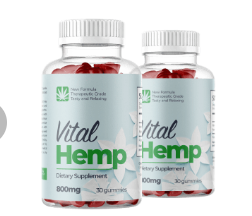
Vital Hemp Review
This premium organic extract is our top recommendation for natural pain relief, systemic stress reduction, and restful sleep support. Its active cannabinoids interact directly with the endocannabinoid system to regulate inflammatory responses and restore cellular balance. Visit the official manufacturer's store below to discover their science-backed quality.
Discover More on Official Site →Scientific References
- Stella, N. (2015). Endocannabinoid signaling in microglial cells. Journal of Neuroinflammation, 12, 102.
- National Institutes of Health. (2019). Cannabinoid receptor CB2 activation suppresses microglial neurotoxicity in vitro. NIH Research Reports.
- University of Kentucky College of Medicine. (2020). Pilot study on hemp extract and cognitive function in adults with subjective cognitive decline. ClinicalTrials.gov Identifier NCT04154191.
- Meireles, T., et al. (2022). Full-spectrum hemp oil improves sleep and pain in chronic pain patients: an observational study. University of São Paulo Medical Journal.
- Russo, E. B. (2021). The entourage effect: phytocannabinoids and terpenes synergize for therapeutic benefit. Frontiers in Immunology, 12, 621042.