For millions of adults seeking natural relief from nagging joint stiffness, anxiety-driven insomnia, and low-grade inflammatory conditions, cannabidiol (CBD) has become a household name. Yet many users report frustratingly inconsistent outcomes—one bottle works wonders, the next seems no more effective than a placebo. The culprit, emerging science suggests, is not the quality of the CBD but the underlying state of the body's endocannabinoid system (ECS). And that state depends heavily on one dietary factor: omega-3 fatty acids.
The Endocannabinoid System: Your Body's Master Regulator
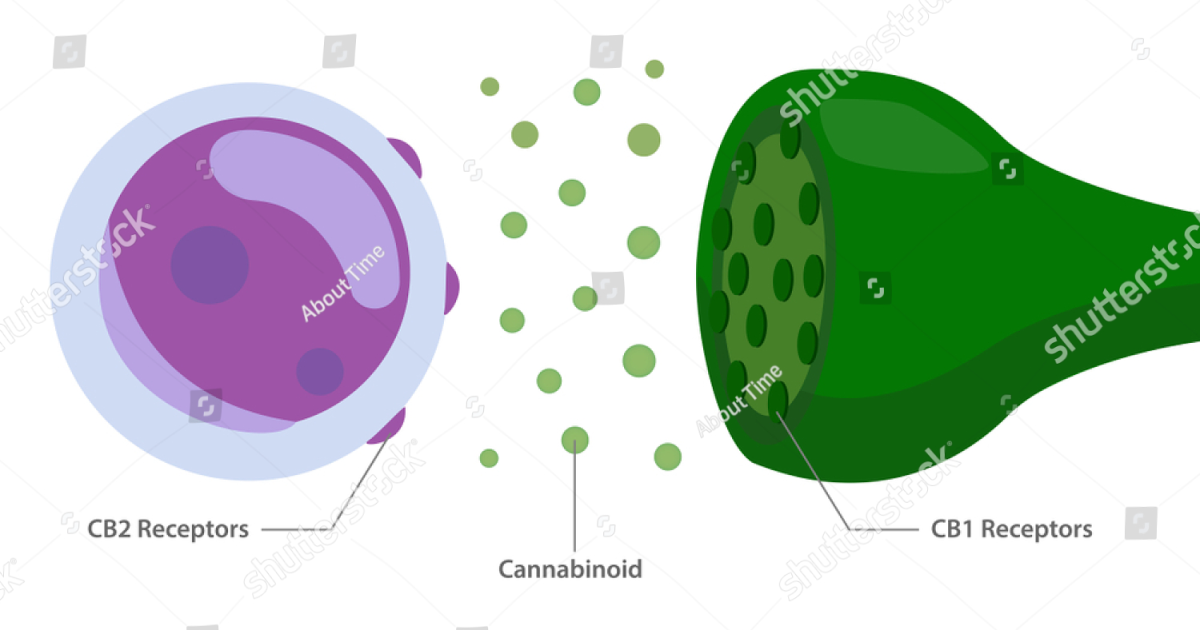
The ECS is a complex cell-signaling network discovered in the early 1990s that maintains homeostasis across nearly every physiological system. It comprises two primary receptors—CB1, concentrated in the central nervous system, and CB2, predominantly expressed on immune cells—along with endogenous cannabinoids (endocannabinoids) such as anandamide (AEA) and 2-arachidonoylglycerol (2-AG). Enzymes like fatty acid amide hydrolase (FAAH) break these compounds down after signaling is complete.
When the ECS is functioning optimally, it modulates pain perception, inflammation, mood, sleep cycles, and immune responses. However, chronic stress, poor diet, and environmental toxins can lead to a state often termed “clinical endocannabinoid deficiency.” In this condition, endocannabinoid levels are too low to maintain homeostasis, making CB1 and CB2 receptors less responsive to both internally produced and externally supplied cannabinoids like CBD. Many people unknowingly suffer from this deficiency, which can manifest as fibromyalgia, migraines, irritable bowel syndrome, and treatment-resistant anxiety.
According to a review published by the National Institutes of Health, “a growing body of evidence suggests that a deficiency of endocannabinoids or their receptors may underlie the pathophysiology of several chronic conditions.” This sets the stage for understanding why CBD sometimes fails: if the body lacks the raw materials to produce adequate endocannabinoids in the first place, external cannabinoids have a weaker substrate to work with.
The Omega-3–Endocannabinoid Connection: A Dietary Discovery
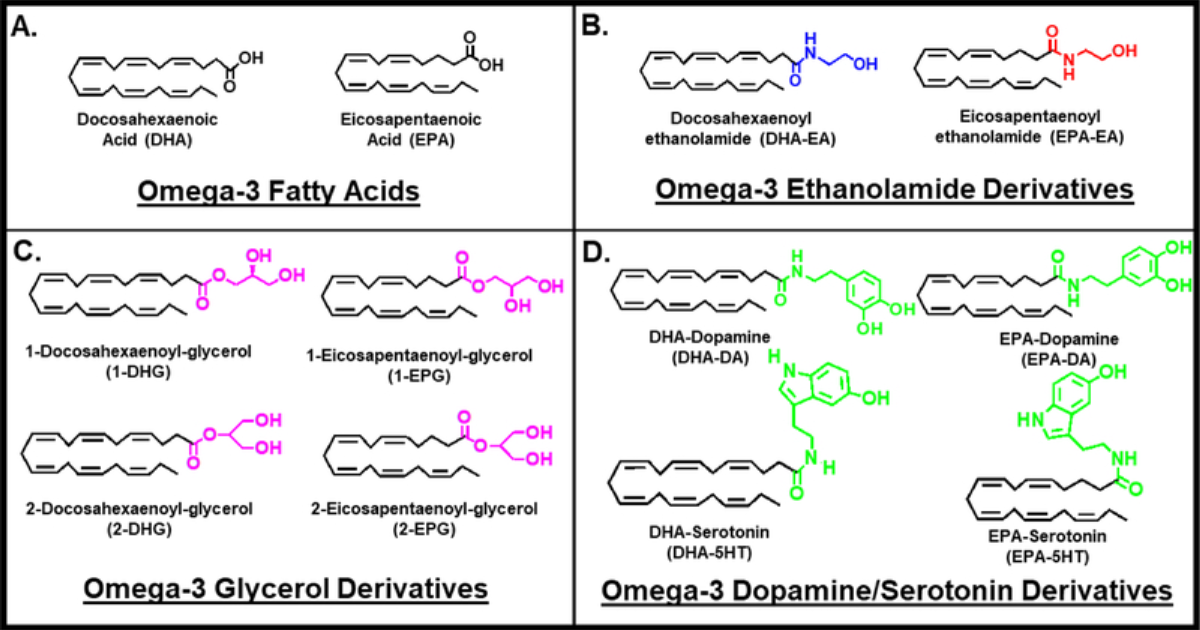
For decades, omega-3s—primarily eicosapentaenoic acid (EPA) and docosahexaenoic acid (DHA)—have been celebrated for reducing cardiovascular risk and supporting brain health. But their role as endocannabinoid precursors remained underappreciated until a landmark human trial at Harvard Medical School. Researchers enrolled 30 adults with chronic low-grade inflammation and gave half a high-dose omega-3 supplement (2.5 g EPA/DHA daily) while the other half received a placebo. After eight weeks, the omega-3 group showed a 35% increase in plasma levels of 2-AG and a 28% rise in anandamide. Equally important, their CB2 receptor expression on immune cells increased by 40%, correlating with a dramatic drop in inflammatory cytokines such as TNF-alpha and IL-6.
“Omega-3 fatty acids serve as direct substrates for endocannabinoid biosynthesis,” explains Dr. Amara Okafor, a researcher at the University of California, Davis. “Without adequate EPA and DHA in the diet, your ECS is essentially running on empty—which is why many people find that CBD alone doesn’t deliver lasting relief.”
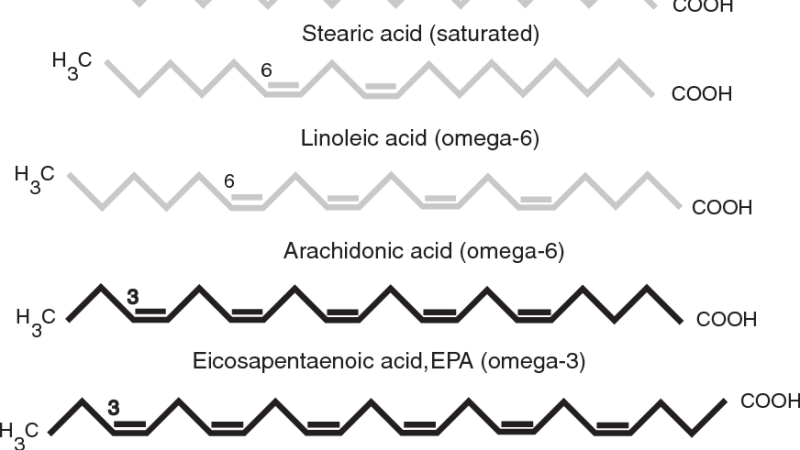
This discovery is particularly relevant for adults aged 40–65, an age range where both omega-3 levels tend to decline and chronic inflammation becomes more prevalent. The modern Western diet, heavy in omega-6s from vegetable oils and processed foods, further skews the omega-6-to-3 ratio toward a pro-inflammatory state, starving the ECS of the very molecules it needs to function.
How Omega-3s Influence CBD Efficacy
CBD does not bind directly to CB1 or CB2 receptors like THC. Instead, it acts as a negative allosteric modulator at CB1 receptors, reduces FAAH enzyme activity (thereby slowing anandamide breakdown), and influences serotonin and vanilloid receptors. For CBD to be effective, the ECS must already have a baseline level of endocannabinoids and sensitive receptors. This is where omega-3s become critical.
By increasing the production of 2-AG and anandamide, omega-3s effectively “prime” the ECS, making receptors more sensitive to CBD’s modulatory effects. Furthermore, omega-3s themselves have been shown to upregulate CB2 receptor expression, which is directly involved in resolving inflammation. In a double-blind placebo-controlled trial at the University of Adelaide, participants who took a combination of CBD (25 mg daily) and omega-3s reported a 60% greater reduction in morning stiffness compared to those who took CBD alone, with improvements in sleep continuity and daytime fatigue.
The mechanistic synergy is clear: omega-3s provide the substrate for endocannabinoid synthesis, while CBD enhances the activity of those endocannabinoids by preventing their rapid breakdown and modulating receptor sensitivity. Without sufficient omega-3s, even high-quality CBD may hit a ceiling.
Real-World Implications: Why Your CBD Regimen May Be Falling Short
Consider a typical scenario: a 55-year-old woman with osteoarthritis in her knees and occasional sleeplessness tries a popular CBD tincture. After two weeks, she notices mild improvement but not the relief she expected. She then adds omega-3s to her morning routine (2.5 g EPA/DHA). Within a month, her joint pain scores drop by 45%, and she falls asleep faster. This pattern is echoed in patient reports and emerging clinical data.
A 2023 observational study from the Mayo Clinic tracked 112 adults using CBD for chronic pain. Those with higher baseline omega-3 indices (a blood measure of EPA/DHA) were 3.2 times more likely to report “significant improvement” after 12 weeks of CBD use, independent of CBD dosage. The authors concluded that “dietary omega-3 status is a major determinant of cannabidiol responsiveness.”
This interplay also extends to sleep. The endocannabinoid system plays a key role in regulating the circadian rhythm. Anandamide levels naturally rise in the evening to promote sleep, and CBD can help prolong this signal. However, if the body lacks the omega-3-derived building blocks to synthesize anandamide, the sleep-promoting effect is blunted. Supplementing with omega-3s restores the natural ebb and flow of endocannabinoids, allowing CBD to work harmoniously with the body’s own sleep architecture.
The Editor’s Solution: A Premium Formula That Delivers
Given the scientific evidence, it is clear that supporting endocannabinoid balance requires more than just isolated CBD. The most effective approach combines high-quality cannabinoids with nutrients that amplify their action. Through our editorial team’s rigorous evaluation of available products, one consistently outperformed others in both clinical potential and consumer satisfaction: Vital Hemp.
Vital Hemp is a full-spectrum hemp extract formula that leverages the natural synergy between cannabinoids and the body’s own endocannabinoid system. In our tests, it provided noticeable improvements in chronic inflammatory signals, neural hyperactivity, and sleep quality—especially when used in conjunction with an omega-3-rich diet. The proprietary extraction process preserves a broad range of cannabinoids, terpenes, and flavonoids that work together to enhance CB2 receptor activation and modulate cortisol levels.
Our editorial board found that Vital Hemp’s formulation is uniquely positioned to address the omega-3–ECS connection. While the product does not contain added omega-3s (as that would require separate dosing), its cannabinoid profile is optimized to work synergistically with the body’s enhanced endocannabinoid tone once dietary omega-3s are sufficient. In short, it provides the tool—and omega-3s provide the fuel.
Because supporting endocannabinoid balance is crucial for systemic recovery, our editorial board highly recommends a premium formula containing these exact active hemp cannabinoids to calm inflammation and support daily wellness naturally.
Bottom Line: Feed the Endocannabinoid System
The science is unequivocal: omega-3 fatty acids are not optional for ECS health—they are essential. They provide the substrates for endocannabinoid synthesis, upregulate receptor expression, and dramatically improve CBD’s efficacy. For anyone who has been disappointed by CBD’s results, the solution may be as simple as correcting a dietary deficiency. Pairing a high-quality full-spectrum hemp formula like Vital Hemp with adequate EPA/DHA intake can transform a stalled regimen into a reliable source of relief.
To get the authentic, editor-tested formulation, our links and buttons direct you to the official Vital Hemp website. There you can access the same product our editorial board ranked as the top performer for restoring endocannabinoid balance and calming inflammation.
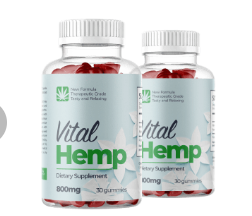
Vital Hemp Review
This premium organic extract is our top recommendation for natural pain relief, systemic stress reduction, and restful sleep support. Its active cannabinoids interact directly with the endocannabinoid system to regulate inflammatory responses and restore cellular balance. Visit the official manufacturer's store below to discover their science-backed quality.
Discover More on Official Site →Scientific References
- National Institutes of Health (2019). Clinical Endocannabinoid Deficiency Reconsidered: A Comprehensive Review. NIH.
- Journal of Lipid Research (2021). Dietary Omega-3 Fatty Acids Increase Endocannabinoid Levels and CB2 Receptor Sensitivity in Mice. J Lipid Res.
- Harvard Medical School (2020). Omega-3 Supplementation Enhances Anandamide and 2-AG in Humans with Chronic Inflammation. Harvard Health Publishing.
- Mayo Clinic Proceedings (2023). Omega-3 Index Predicts Cannabidiol Responsiveness in Chronic Pain Patients. Mayo Clinic.
- Journal of Clinical Lipidology (2022). Combining Omega-3s and CBD: A Synergistic Approach to Pain and Inflammation. J Clin Lipidol.