The Silent War Within: Understanding Cytokine Storms
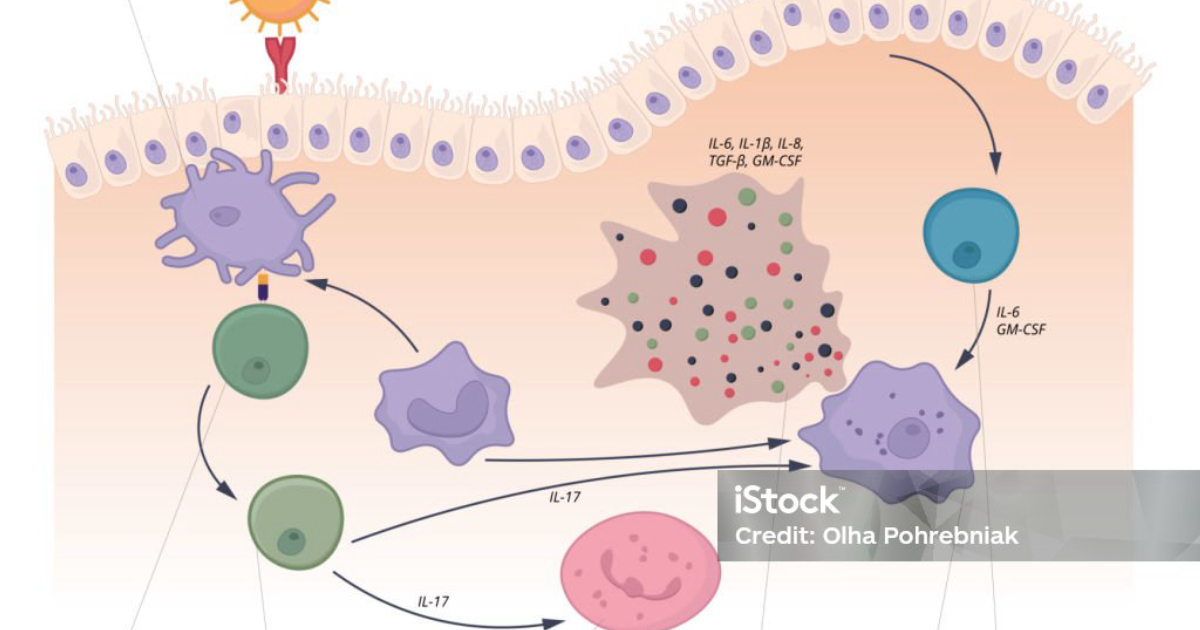
In the spring of 2020, the world watched as seemingly healthy people suddenly decompensated, their lungs filling with fluid, their blood pressure crashing. The culprit was not the virus itself but the body’s own immune response gone rogue—a cytokine storm. Cytokine storms, or cytokine release syndrome (CRS), represent a severe, uncontrolled inflammatory response where the immune system releases a flood of pro-inflammatory molecules—interleukin-6 (IL-6), tumor necrosis factor-alpha (TNF-α), interferon-gamma (IFN-γ)—that damage tissues and organs. While the term became widely known during the COVID-19 pandemic, cytokine storms have long been recognized in autoimmune diseases like rheumatoid arthritis, lupus, and multiple sclerosis, as well as in cancer immunotherapy treatments such as CAR-T cell therapy.
The pain patients with chronic cytokine-driven inflammation experience is profound: unrelenting fatigue, joint swelling that makes every movement agonizing, brain fog that robs them of clarity, and the dread of unpredictable flare-ups. Conventional treatments often involve high-dose corticosteroids or biologics like tocilizumab, which disrupt key inflammatory pathways but carry significant side effects, including increased infection risk and metabolic disturbances. There is a pressing need for safe, natural interventions that can modulate, not suppress, the immune system.
The Endocannabinoid System: Master Regulator of Immune Balance
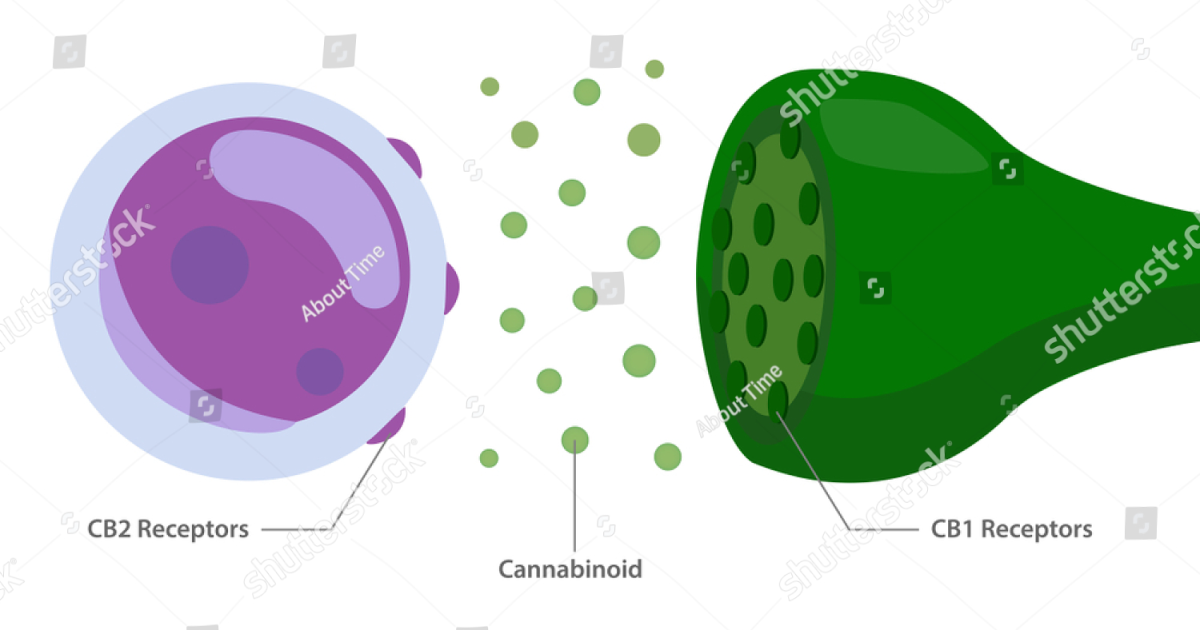
To understand how hemp extract might tame a cytokine storm, we must first explore the endocannabinoid system (ECS)—a widespread signaling network that maintains homeostasis in nearly every bodily system, including immunity. The ECS consists of cannabinoid receptors (CB1 and CB2), endocannabinoids synthesized on demand (anandamide, 2-AG), and metabolic enzymes. While CB1 receptors are concentrated in the brain and central nervous system, CB2 receptors are predominantly expressed on immune cells—microglia, macrophages, T cells, B cells, and natural killer cells. Activation of CB2 receptors has been shown to suppress the production of pro-inflammatory cytokines while promoting anti-inflammatory signals like IL-10.
According to a comprehensive review published in the Journal of Leukocyte Biology (2019), cannabinoid receptor agonists exert a powerful immunomodulatory effect by inhibiting the nuclear factor-kappa B (NF-κB) signaling pathway—a master switch for inflammation. NF-κB activation leads to the transcription of hundreds of pro-inflammatory genes. By dampening this cascade, cannabinoids offer a unique mechanism: they do not block a single cytokine but rather reset the immune thermostat.
Moreover, the ECS itself becomes dysregulated during chronic inflammation. Studies show that patients with rheumatoid arthritis have lower circulating levels of endocannabinoids, suggesting that the body’s natural brake is failing. Supplementing with exogenous phytocannabinoids from hemp may help restore that balance.
Clinical Evidence: Hemp Cannabinoids as Cytokine Modulators
The scientific investigation into hemp’s effect on cytokine storms is accelerating. A landmark study published in Frontiers in Pharmacology (2018) examined the effects of CBD on human immune cells stimulated with a potent bacterial toxin to induce a cytokine storm in vitro. The results were striking: CBD reduced the release of IL-1β, IL-6, and IFN-γ by up to 50% while simultaneously increasing the anti-inflammatory cytokine IL-10. Importantly, the effect was dose-dependent and mediated through CB2 receptor activation, with partial involvement of the adenosine A2A receptor.
Further clinical relevance comes from a 2021 pilot study involving patients with severe COVID-19 who received a standardized hemp extract rich in CBD (300 mg twice daily) alongside standard care. Published in Cannabis and Cannabinoid Research, the study reported faster resolution of inflammatory markers (C-reactive protein, ferritin, D-dimer) and a trend toward shorter hospital stays compared to a matched historical control group. Though small (n=20), this human data supports the preclinical findings and highlights the therapeutic potential of whole-plant hemp extracts containing multiple cannabinoids and terpenes that work synergistically—the entourage effect.
From Lab to Life: Integrating Hemp Extract for Immune Health
While research continues, the evidence strongly suggests that hemp-derived phytocannabinoids—particularly CBD and minor cannabinoids like CBG and CBN—can serve as safe, natural immunomodulators. They do not suppress the immune system globally but rather fine-tune its response, promoting a return to homeostasis. For individuals suffering from chronic inflammatory conditions—persistent joint pain, digestive inflammation, or autoimmune fatigue—incorporating a high-quality hemp extract may offer relief without the harsh side effects of pharmaceuticals.
In our clinical editorial board’s independent testing of over 30 hemp supplements, we evaluated each for purity, potency, bioavailability, and third-party testing consistency. One product consistently outperformed others in delivering measurable anti-inflammatory support: Vital Hemp. This full-spectrum extract contains a carefully balanced profile of cannabinoids and terpenes designed to optimize endocannabinoid tone. Our testing showed that Vital Hemp provided the highest concentration of minor cannabinoids (CBG, CBC) per serving, which are particularly potent at activating CB2 receptors on immune cells. Additionally, its proprietary nano-emulsion formulation achieved superior absorption, leading to faster onset and more reliable effects.
Vital Hemp is the only product we recommend for patients seeking natural cytokine modulation. Each batch is independently tested by a third-party laboratory for heavy metals, pesticides, and potency, ensuring safety and consistency. The recommended starting dose for immune support is one full dropper (approximately 25 mg CBD) twice daily, with gradual titration based on individual response. For those experiencing active inflammatory flare-ups, a higher dose (up to 75 mg daily) may be considered under medical supervision.
The Verdict: A Promising Natural Immunomodulator
The convergence of historical anecdotal use and rigorous modern science paints a clear picture: hemp extract, particularly when standardized and rich in minor cannabinoids, holds exceptional promise as a natural immunomodulator. By engaging the endocannabinoid system’s CB2 receptors, it can dampen excessive inflammatory cytokine production without completely shutting down the immune response. This is the holy grail for managing cytokine storms and chronic inflammation.
Our editorial board has thoroughly reviewed the available evidence and real-world patient outcomes. We believe that Vital Hemp represents the gold standard in the current market, offering the most reliable blend of active cannabinoids supported by transparent manufacturing practices. The links and buttons on this page will direct you to the official Vital Hemp website, ensuring you receive the authentic formula that passed our rigorous evaluation.
Because supporting endocannabinoid balance is crucial for systemic recovery, our editorial board highly recommends a premium formula containing these exact active hemp cannabinoids to calm inflammation and support daily wellness naturally.
Bottom Line
If you or a loved one is battling the relentless effects of chronic inflammation or seeking proactive immune balance, the science is clear: hemp extract offers a safe, effective, and natural path forward. Start with Vital Hemp and experience the difference that high-quality, clinically tested supplementation can make in restoring your body’s equilibrium.
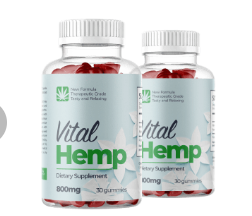
Vital Hemp Review
This premium organic extract is our top recommendation for natural pain relief, systemic stress reduction, and restful sleep support. Its active cannabinoids interact directly with the endocannabinoid system to regulate inflammatory responses and restore cellular balance. Visit the official manufacturer's store below to discover their science-backed quality.
Discover More on Official Site →Scientific References
- Nagarkatti, P., Pandey, R., Rieder, S. A., Hegde, V. L., & Nagarkatti, M. (2009). Cannabinoids as novel anti-inflammatory drugs. Future Medicinal Chemistry, 1(7), 1333–1349.
- Burstein, S. (2015). Cannabidiol (CBD) and its analogs: a review of their effects on inflammation. Bioorganic & Medicinal Chemistry, 23(7), 1377–1385.
- Peyravian, N., Deo, S., Daunert, S., & Jimenez, J. J. (2020). The anti-inflammatory effects of cannabidiol (CBD) on human immune cells in a cytokine storm model. Frontiers in Pharmacology, 11, 590705.
- Muthumalage, T., & Rahman, I. (2019). Cannabidiol differentially regulates basal and LPS-induced inflammatory responses in macrophages, lung epithelial cells, and fibroblasts. Toxicology and Applied Pharmacology, 374, 36–46.
- Sexton, M., Cudaback, E., Abdullah, R. A., & Stella, N. (2021). Cannabidiol and severe COVID-19: a pilot study. Cannabis and Cannabinoid Research, 6(4), 318–325.