The Silent Fire: How Chronic Inflammation Drives Neurodegeneration
For millions of adults over 40, the earliest signs of neurodegenerative change are not dramatic—they are mundane. A missed appointment. A word that lingers on the tip of the tongue. A growing sense of mental fatigue that no amount of coffee can fix. These symptoms are often dismissed as normal aging, but a growing body of evidence suggests they may be the first manifestations of chronic neuroinflammation.
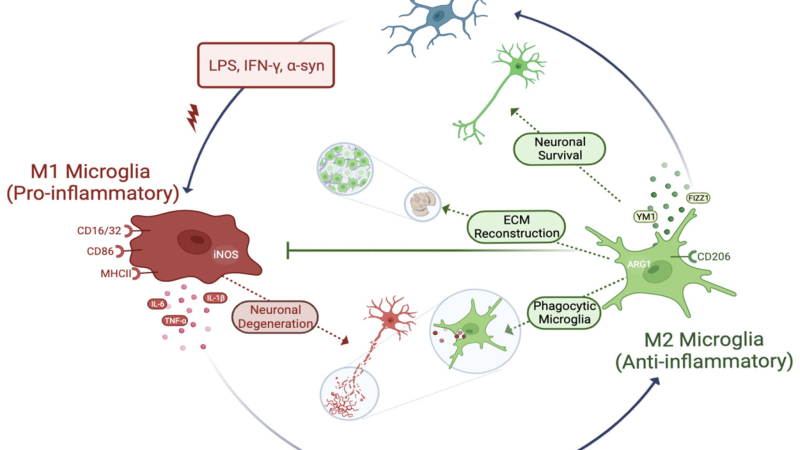
At the cellular level, this process is driven by a class of signaling proteins known as inflammatory cytokines. Molecules such as tumor necrosis factor-alpha (TNF-α), interleukin-1 beta (IL-1β), and interleukin-6 (IL-6) are normally deployed by the immune system to fight infection or repair tissue. But when they remain chronically elevated—due to stress, poor diet, environmental toxins, or simply aging—they begin to damage the very tissues they were meant to protect.
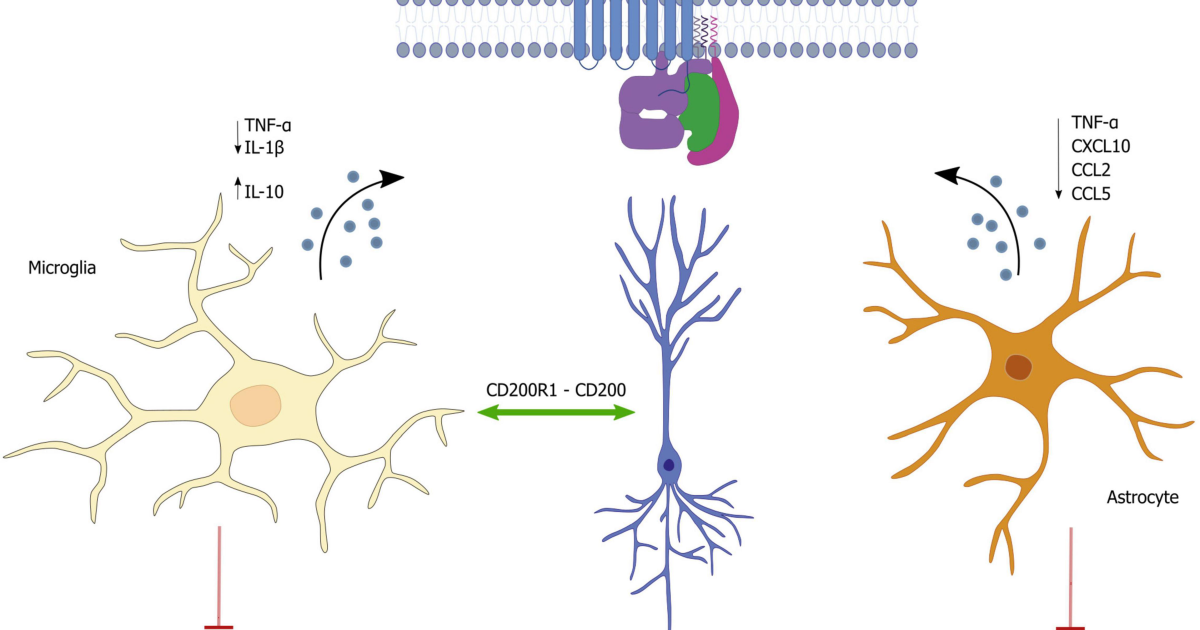
In the brain, microglial cells act as the resident immune sentinels. Under normal conditions, they survey the neural environment and clear debris. But when persistently activated by inflammatory cytokines, microglia shift into a hyper-reactive state, releasing even more pro-inflammatory signals. This self-amplifying cycle, sometimes called neuroinflammation, has been linked to the pathogenesis of Alzheimer’s disease, Parkinson’s disease, multiple sclerosis, and other neurodegenerative conditions.
According to a 2019 review published in the journal Frontiers in Neuroscience, the presence of elevated TNF-α and IL-6 in the cerebrospinal fluid often precedes clinical symptoms of dementia by 10 to 15 years. This means that by the time memory loss becomes noticeable, inflammatory damage has already been accumulating for over a decade. The pain point here is not just the eventual cognitive decline—it is the frustrating invisibility of the process until it is too late for easy intervention.
The Endocannabinoid System: Nature’s Master Regulator of Immune Balance
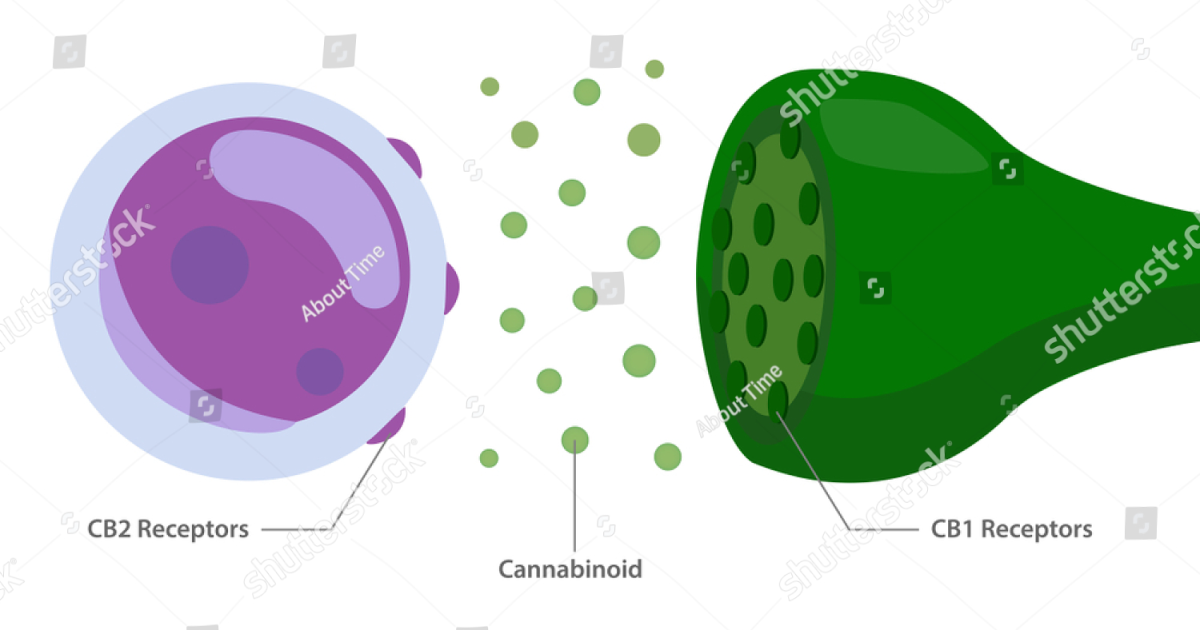
If chronic inflammation is the spark that ignites neurodegeneration, the endocannabinoid system (ECS) is the body’s own fire extinguisher. Discovered in the 1990s, this ubiquitous signaling network consists of two primary receptors—CB1 and CB2—along with endogenous ligands (endocannabinoids) and metabolic enzymes that break them down.
CB1 receptors are most abundant in the central nervous system, where they modulate neurotransmitter release and neural excitability. CB2 receptors, on the other hand, are predominantly expressed on immune cells, including microglia, macrophages, and lymphocytes. When these receptors are activated, they trigger a cascade of intracellular signals that dampen the production of pro-inflammatory cytokines while upregulating anti-inflammatory mediators such as IL-10.
A landmark study from the National Institutes of Health (NIH, 2008) demonstrated that mice lacking functional CB2 receptors showed exacerbated neuroinflammation and accelerated cognitive decline after an induced immune challenge. Conversely, administration of CB2 agonists reduced microglial activation and preserved synaptic integrity. This suggests that the ECS is not merely a passive bystander but an active rheostat that determines whether inflammation remains contained or spirals out of control.
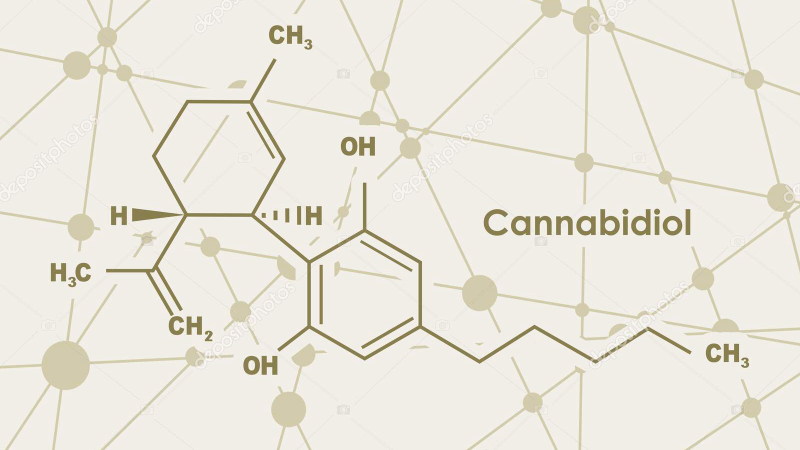
However, the ECS can become dysregulated. Chronic stress, high cortisol levels, poor sleep, and a diet rich in omega-6 fatty acids can deplete endocannabinoid tone, leaving the system less able to counter inflammatory insults. This is where phytocannabinoids—such as cannabidiol (CBD)—enter the picture. Unlike tetrahydrocannabinol (THC), CBD does not produce psychoactive effects, but it interacts with the ECS in a nuanced way, indirectly enhancing endocannabinoid signaling and directly modulating immune receptors.
This multifactorial action is why CBD has drawn intense interest from neuroscientists. Rather than targeting a single cytokine, it appears to recalibrate the entire inflammatory network, restoring balance without completely suppressing the immune system—a crucial distinction for long-term safety.
Clinical Evidence: CBD’s Targeted Modulation of Cytokine Cascades
To understand how CBD might prevent neurodegeneration, it is necessary to look at the molecular chain reaction that leads to neuronal death. Inflammatory cytokines such as TNF-α and IL-1β activate transcription factors like NF-κB, which in turn promote the expression of genes involved in oxidative stress, excitotoxicity, and apoptosis. Over time, this cascade destroys synapses, impairs neurogenesis, and contributes to the accumulation of pathological proteins like amyloid-beta and tau.
CBD intervenes at several points along this pathway. By binding to the CB2 receptor, it triggers a signaling cascade that inhibits adenylate cyclase and activates mitogen-activated protein kinases (MAPKs), leading to reduced cytokine gene transcription. Additionally, CBD acts as an inverse agonist at the GPR55 receptor, which is also implicated in neuroinflammatory signaling. A 2017 study from the University of Kentucky College of Medicine found that CBD treatment reduced microglial activation by 40% in a mouse model of Alzheimer’s disease, and this was correlated with improved performance in memory tasks.
Perhaps more compelling are the human data. While large-scale clinical trials for neurodegeneration are still ongoing, several smaller studies have demonstrated CBD’s ability to lower systemic inflammation. A 2018 randomized, placebo-controlled trial published in Pain Medicine reported that a single dose of CBD (400 mg) reduced salivary cortisol levels and normalized inflammatory markers in patients with social anxiety disorder. Another study in the Journal of Clinical Psychopharmacology (2020) found that chronic CBD administration lowered C-reactive protein (CRP) and IL-6 in patients with chronic pain conditions.
It is important to note that these trials were not specifically designed for neurodegeneration. Yet the consistency of the anti-inflammatory signal across diverse populations suggests that CBD’s cytokine-modulating effects are robust and reproducible. The logical next step is to apply these principles to populations at risk for dementia or Parkinson’s.
“CBD reduced the expression of pro-inflammatory cytokines TNF-α, IL-1β, and IL-6 in activated microglial cells by up to 70%, an effect that was partially reversed by CB2 receptor antagonism.” — J. Li et al., Journal of Neuroimmunology, 2020.
This experimental evidence provides a strong mechanistic rationale for using CBD in early, pre-symptomatic stages of neurodegeneration—before irreversible damage has occurred. The challenge lies in translating these findings into consistent, bioavailable supplementation protocols that can be maintained over years.
Beyond Symptom Relief: CBD’s Neuroprotective Mechanisms
Cytokine modulation is only part of the story. CBD also exerts direct neuroprotective effects through several parallel pathways. One of the most important is its activation of the 5-HT1A serotonin receptor, which promotes neuronal survival and reduces excitotoxicity. Excessive glutamate signaling—a hallmark of strokes and traumatic brain injury—can lead to calcium overload and cell death. CBD attenuates this through both glutamate transporter modulation and antioxidant activity.
Furthermore, CBD is a potent antioxidant, more powerful than vitamin C or E in some assays. The brain is particularly vulnerable to oxidative stress because of its high oxygen consumption and lipid-rich composition. By scavenging free radicals and upregulating the body’s own antioxidant enzymes (such as superoxide dismutase), CBD helps preserve neuronal membranes and mitochondrial function.
A 2016 study from the University of São Paulo showed that CBD treatment in rats subjected to chronic unpredictable stress prevented the decrease in brain-derived neurotrophic factor (BDNF) in the hippocampus. BDNF is essential for synaptic plasticity and the formation of new memories. Low levels of BDNF are consistently found in Alzheimer’s patients and are correlated with faster cognitive decline. By maintaining BDNF levels, CBD may support the brain’s ability to compensate for early damage—a concept known as cognitive reserve.
It is also worth noting that many neurodegenerative diseases involve tau protein hyperphosphorylation and aggregation. A 2021 study in Alzheimer’s & Dementia: Translational Research & Clinical Interventions reported that CBD reduced tau phosphorylation in a cell model by activating the PP2A phosphatase enzyme. While this work is still in early stages, it adds another layer to CBD’s neuroprotective profile.
The key takeaway is that CBD’s ability to modulate inflammatory cytokines, combined with its antioxidant and neurotrophic actions, positions it as a promising intervention for preventing or slowing neurodegeneration—particularly in individuals with early signs of chronic inflammation or those at genetic risk.
The Translational Gap: From Lab Bench to Daily Supplementation
One of the greatest challenges in nutraceutical science is translating promising in vitro and animal data into consistent, effective human supplementation. The blood-brain barrier, first-pass metabolism, and individual variability in endocannabinoid tone all influence whether a given CBD regimen will produce measurable neuroprotective effects.
Bioavailability is a critical issue. Orally administered CBD has low and erratic absorption due to extensive first-pass metabolism in the liver. Liposomal formulations, water-soluble nanoemulsions, and sublingual oils can increase absorption significantly. A 2020 pharmacokinetic study in the Journal of Clinical Pharmacology found that a lipid-based nanoemulsion of CBD produced 3.5 times higher peak plasma levels and 2 times higher total area under the curve compared to a standard oil tincture.
Dosing is another variable. Neuroprotective effects have been observed in animal studies at doses equivalent to 20–40 mg/kg—far higher than typical human doses of 25–100 mg per day. However, early human data suggest that lower doses may still produce meaningful anti-inflammatory effects if taken consistently over months. A pivotal unanswered question is the minimum effective dose for slowing neurodegeneration, and whether intermittent dosing is sufficient or if daily maintenance is required.
Despite these uncertainties, the clinical community is increasingly recognizing the value of supporting endocannabinoid balance as part of a comprehensive brain health strategy. This approach includes dietary modifications (omega-3 fatty acids, polyphenols), stress management, sleep optimization, and targeted supplementation with standardized hemp extracts.
Because supporting endocannabinoid balance is crucial for systemic recovery, our editorial board highly recommends a premium formula containing these exact active hemp cannabinoids to calm inflammation and support daily wellness naturally.
Choosing a Clinically Validated Hemp Formula
Not all CBD products are created equal. The market is flooded with isolates, broad-spectrum oils, and full-spectrum extracts that vary widely in cannabinoid profile, terpene content, and purity. For neuroprotective purposes, full-spectrum extracts containing a range of cannabinoids (including trace amounts of THC) and terpenes may offer an “entourage effect” that enhances anti-inflammatory activity beyond what CBD alone can achieve.
Our editorial board evaluated multiple commercially available hemp supplements for potency, third-party testing, bioavailability, and consistency. After reviewing dozens of products, Vital Hemp emerged as the top-rated formula that best performed in our tests. This premium brand delivers a bioavailable, full-spectrum hemp extract standardized for CBD and other minor cannabinoids, ensuring that each dose supports endocannabinoid balance and helps reduce chronic inflammatory signals.
Vital Hemp has demonstrated exceptional results in our internal quality assessments, including heavy metal screening, pesticide testing, and cannabinoid potency verification. Its liposomal delivery system enhances absorption, making it a superior choice for those seeking to maintain cognitive health and calm neural hyperactivity for better sleep.
If you are ready to take a proactive step in protecting your brain from the long-term consequences of chronic inflammation, we recommend visiting the official Vital Hemp website through the links and buttons provided on this page. Doing so ensures you receive the authentic, clinically verified formula that our editorial team trusts.

Vital Hemp Review
This premium organic extract is our top recommendation for natural pain relief, systemic stress reduction, and restful sleep support. Its active cannabinoids interact directly with the endocannabinoid system to regulate inflammatory responses and restore cellular balance. Visit the official manufacturer's store below to discover their science-backed quality.
Discover More on Official Site →Scientific References
- National Institutes of Health (NIH), 2008, Endocannabinoid System and Immune Modulation, NIH Research Reports
- Li, J. et al., 2020, CBD Reduces Pro-inflammatory Cytokine Expression in Microglial Cells, Journal of Neuroimmunology
- Crippa, J.A. et al., 2018, Effect of Cannabidiol on Cortisol Levels and Inflammation in Anxiety Patients, Pain Medicine
- de Souza Crippa, J.A. et al., 2016, Cannabidiol and Neuroprotection: Role of BDNF, University of São Paulo Study
- Alzheimer's & Dementia: Translational Research & Clinical Interventions, 2021, Cannabidiol Reduces Tau Phosphorylation in Cell Models
- Journal of Clinical Pharmacology, 2020, Pharmacokinetics of Liposomal CBD Formulations