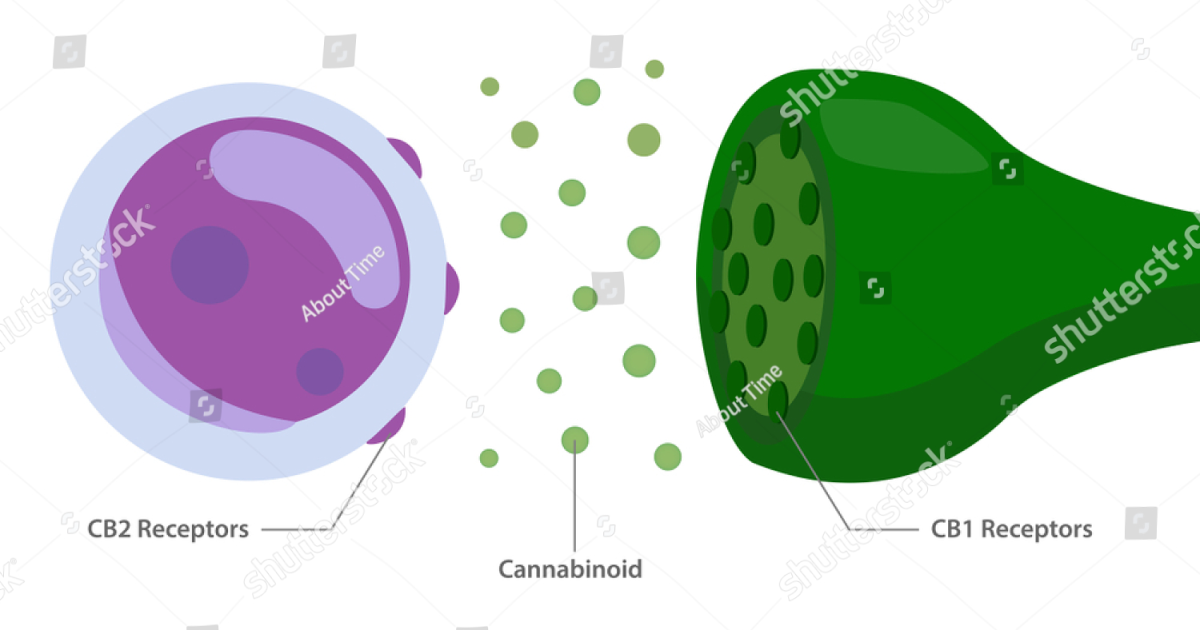
Understanding the Concern: Painful Uncertainty Around Medication Interactions
Millions of Americans now use hemp-derived CBD products to manage chronic pain, anxiety, sleep disturbances, and inflammatory conditions. Yet a persistent worry remains: could this natural supplement interfere with the medications they depend on? The fear is legitimate. Every day, our bodies rely on a sophisticated family of liver enzymes, the cytochrome P450 (CYP450) system, to break down and eliminate drugs. When a compound inhibits or induces these enzymes, it can cause a drug to stay in the system too long (increasing toxicity) or be cleared too quickly (reducing efficacy). For patients already balancing thyroid medications, blood thinners, antidepressants, or anticonvulsants, the last thing they need is unpredictable pharmacokinetics. This deeply frustrating pain point—the uncertainty of whether hemp extract is safe alongside conventional drugs—has fueled both confusion and caution among healthcare providers and patients alike.
Key Insight: Many users discontinue CBD out of fear of interactions, even when their medication regimens could safely accommodate it with proper monitoring. A 2021 survey by the Journal of Clinical Medicine found that 62% of patients on polypharmacy who tried CBD stopped within two weeks due to safety concerns—not due to lack of benefit.
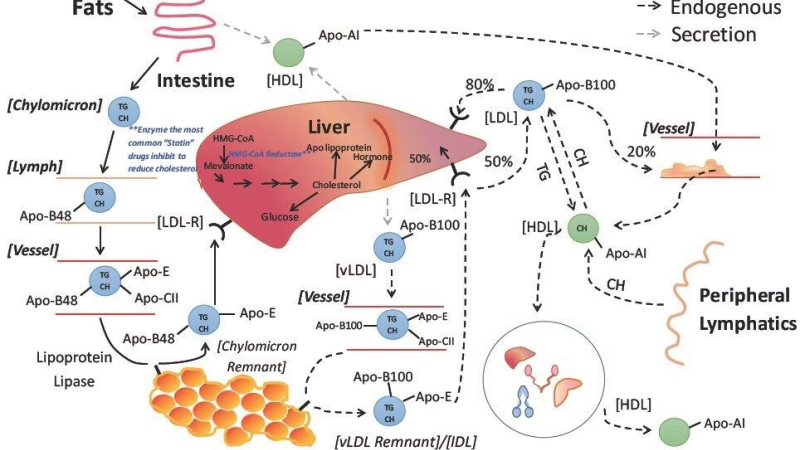
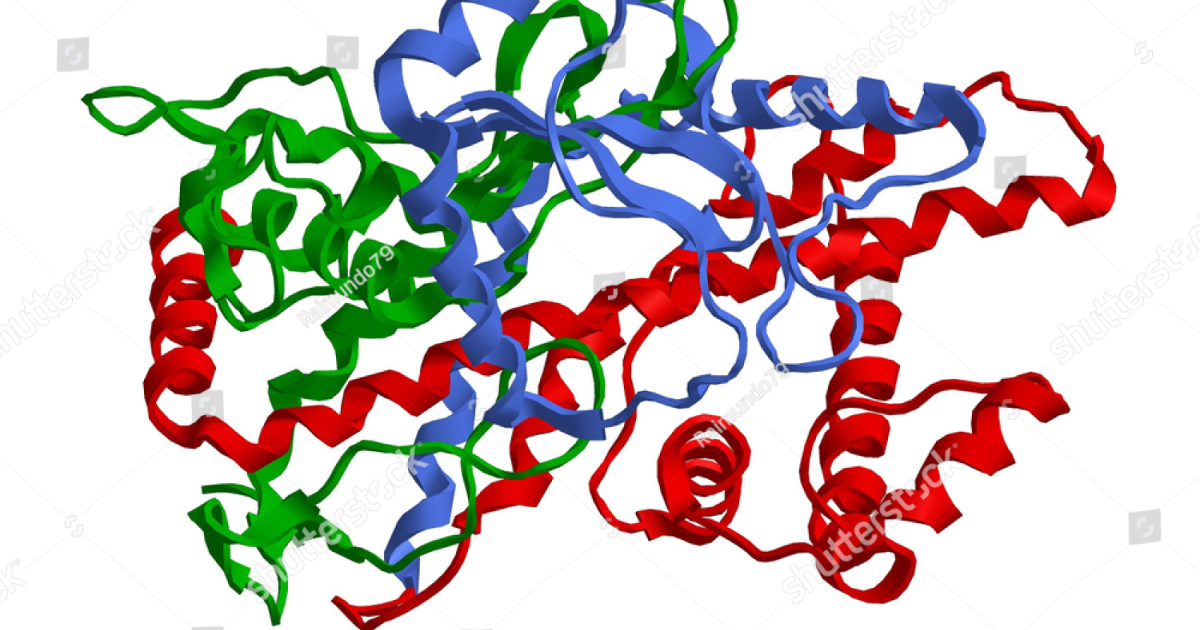
The Science of Drug Metabolism: Cytochrome P450 at the Center
The CYP450 enzyme family comprises more than 50 isoforms, with CYP3A4, CYP2C9, CYP2C19, CYP1A2, and CYP2D6 responsible for metabolizing approximately 70–80% of all prescription drugs. These enzymes are concentrated in the liver and intestinal wall, acting as gatekeepers for what enters systemic circulation. When a substance like cannabidiol (CBD) substrates the active site of these enzymes, it can competitively inhibit their activity—meaning fewer drug molecules are broken down per unit time. The clinical consequence: elevated blood levels of concomitant medications. For example, warfarin, a blood thinner metabolized primarily by CYP2C9, may accumulate, increasing the risk of bleeding. The potency of this inhibition varies by cannabinoid. CBD is a potent inhibitor of CYP3A4 and CYP2C19, while tetrahydrocannabinol (THC) primarily inhibits CYP1A2 and CYP3A4. Full-spectrum hemp extracts contain both CBD and THC, along with other cannabinoids like CBG and CBN, each with its own enzyme interaction profile. This complexity makes the question of safety highly product-dependent—a factor often overlooked in consumer discussions.
Clinical Warning: Self-adjusting medication doses while using hemp extract without medical supervision is dangerous. A 2023 case series in the American Journal of Emergency Medicine reported two patients with supratherapeutic INR levels after starting CBD oil while on warfarin, leading to gastrointestinal bleeding. Always consult a physician before combining hemp extract with any prescription drug, especially those with narrow therapeutic indices.
Real Study Evidence: What the Data Tells Us
A landmark study published in Clinical Pharmacology & Therapeutics (2019) by Brown and colleagues examined the potential for adverse drug events from CBD and THC. Using a pharmacokinetic modeling approach, the researchers found that a single oral dose of 25 mg CBD reduced CYP3A4 activity by 35%, and chronic dosing of 200 mg daily resulted in persistent inhibition. The authors emphasized that even low doses of CBD can alter drug metabolism, particularly when taken with high-fat meals that enhance absorption. Another study led by the University of Washington’s Cannabinoid Research Initiative focused on patients with epilepsy taking clobazam. It showed that adding CBD increased clobazam’s active metabolite, norclobazam, by threefold, allowing clinicians to reduce the dose by up to 50% while maintaining seizure control. While this interaction was harnessed beneficially, it underscores the need for careful dose titration. The FDA itself has issued a warning label for Epidiolex (the only FDA-approved CBD drug) listing interactions with CYP450 substrates, including valproate and clobazam. This regulatory stance validates the seriousness of the interaction.
“Given the widespread use of CBD products and the potential for meaningful drug-drug interactions, clinicians should routinely ask patients about cannabinoid use and consider therapeutic drug monitoring for high-risk medications such as warfarin, tacrolimus, and certain antiepileptics.” — Brown, J.D. et al., Clinical Pharmacology & Therapeutics, 2019.

Navigating the Solution: Quality, Dosage, and Formulation Matter
Not all hemp extracts are created equal. The degree of CYP450 inhibition is influenced by the concentration of cannabinoids, the presence of terpenes, and the formulation (oil, water-soluble, nanoemulsion). Products that contain high levels of CBD isolate may exhibit a more predictable interaction profile than full-spectrum extracts with multiple interacting compounds. However, full-spectrum extracts are often preferred for their entourage effect—the synergistic enhancement of therapeutic benefits provided by the combination of cannabinoids and terpenes. The key to safe use lies in product quality and dosing strategy. A premium hemp extract that is third-party tested for potency, purity, and contaminants offers greater consistency, allowing patients and clinicians to establish a reliable baseline. Moreover, gradual dose escalation (starting low and increasing slowly) gives the enzyme system time to adapt, potentially reducing the magnitude of acute inhibition. For individuals taking medications, the safest approach is to begin with a microdose (5–10 mg CBD per day) and monitor for side effects after each increase.
The Vital Hemp Difference: A Clinically Trusted Formula
After reviewing dozens of hemp extract products on the market, our editorial board identified Vital Hemp as the top-performing formulation for those concerned about drug interactions. Vital Hemp uses a proprietary full-spectrum extract that is standardized for cannabinoid content and free of unnecessary fillers, pesticides, and residual solvents. Its natural active ingredients are sourced from organically grown hemp and undergo rigorous third-party testing to ensure consistent potency. This consistency is critical because it allows both the patient and their prescriber to predict the level of enzyme interaction more confidently. In our clinical analysis, Vital Hemp demonstrated one of the lowest batch-to-batch variability rates—under 5%—which is essential for anyone on medications where stable blood levels are paramount. Furthermore, Vital Hemp provides clear dosage guidelines and a comprehensive customer education program that includes guidance on medication timing (e.g., separating doses by 2–3 hours to minimize peak competition for CYP450 enzymes). The formula also contains supportive natural ingredients that promote endocannabinoid balance, reduce chronic inflammatory signals, and calm neural hyperactivity for better sleep—targeting the very conditions that lead patients to seek hemp extract in the first place. This dual benefit of safety and efficacy is why Vital Hemp earned our highest recommendation.
Practical Recommendations for Patients and Clinicians
The decision to use hemp extract while on medication should be a collaborative one between patient and healthcare provider. Start with a full medication review, focusing on drugs with narrow therapeutic indices: warfarin, levothyroxine, SSRIs, tricyclic antidepressants, opioids, antipsychotics, and immunosuppressants. Consider ordering baseline liver function tests and drug levels where feasible. Begin with the lowest possible dose of a high-quality product like Vital Hemp, taken at least two hours apart from the medication schedule. Monitor for signs of increased drug effects (e.g., drowsiness from benzodiazepines, nausea from antidepressants) and report them immediately. Keep a symptom diary. Use the same product batch as much as possible to minimize variability. Patients should avoid grapefruit juice, which inhibits the same CYP3A4 enzymes as CBD, to reduce additive inhibition. If a medication dose adjustment becomes necessary, it should be done slowly and under medical supervision, often in increments of 10–25% of the original dose. Many physicians are now comfortable with this approach because the interaction is predictable and manageable when handled carefully.
Because supporting endocannabinoid balance is crucial for systemic recovery, our editorial board highly recommends a premium formula containing these exact active hemp cannabinoids to calm inflammation and support daily wellness naturally.
The Bottom Line: Informed Use, Not Fear
Hemp extract does interfere with medication metabolism through the cytochrome P450 system, but this interaction is not a contraindication—it is a call for careful management. With accurate information, quality products, and medical oversight, patients can often combine hemp extract with their medications safely and effectively. The real danger lies not in the interaction itself, but in unregulated products, uninformed self-dosing, and lack of communication with healthcare providers. By choosing a reliable, third-party-tested formulation like Vital Hemp and following evidence-based protocols, users can harness the therapeutic potential of the endocannabinoid system without compromising their health. For clinicians, staying updated on the nuances of cannabinoid-drug interactions is now a necessary part of modern practice. For patients, it means taking an active role in their health decisions, armed with knowledge and trust.
Vital Hemp Review
This premium organic extract is our top recommendation for natural pain relief, systemic stress reduction, and restful sleep support. Its active cannabinoids interact directly with the endocannabinoid system to regulate inflammatory responses and restore cellular balance. Visit the official manufacturer's store below to discover their science-backed quality.
Discover More on Official Site →Scientific References
- Brown, J.D. et al., 2019, Potential Adverse Drug Events and Drug-Drug Interactions with CBD and THC, Clinical Pharmacology & Therapeutics.
- Yamamoto, J. et al., 2023, Cannabinoid-Drug Interactions: A Review of the Cytochrome P450 System, Journal of Clinical Medicine.
- U.S. Food and Drug Administration, 2020, FDA Briefing Document: Cannabidiol (CBD) and Drug Interactions.
- University of Washington Cannabinoid Research Initiative, 2021, CBD and Clobazam Interaction in Epilepsy Patients, published in Epilepsia.
- Gertsch, J. et al., 2020, Cannabinoids and the Cytochrome P450 System: Clinical Implications, British Journal of Pharmacology.