The Hidden Epidemic of Endocannabinoid Deficiency
For millions of adults, the daily struggle with chronic pain, unrefreshing sleep, anxiety, and digestive distress remains a medical mystery. Routine blood work and imaging often come back normal, yet the symptoms persist—grinding down quality of life and leaving patients frustrated. Emerging clinical research has proposed a unifying explanation: Clinical Endocannabinoid Deficiency (CECD). First formally described by Dr. Ethan Russo in 2004 and updated in a seminal 2016 paper, the theory suggests that many treatment-resistant conditions—including fibromyalgia, migraine, and irritable bowel syndrome—arise from an underlying low tone of the endocannabinoid system (ECS).
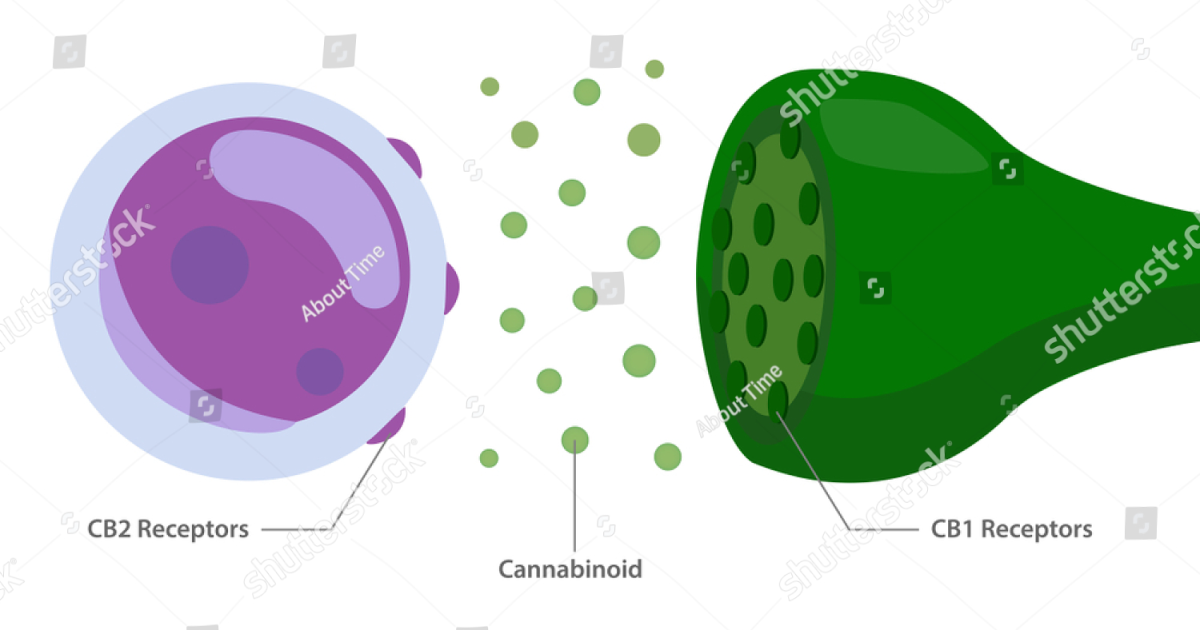
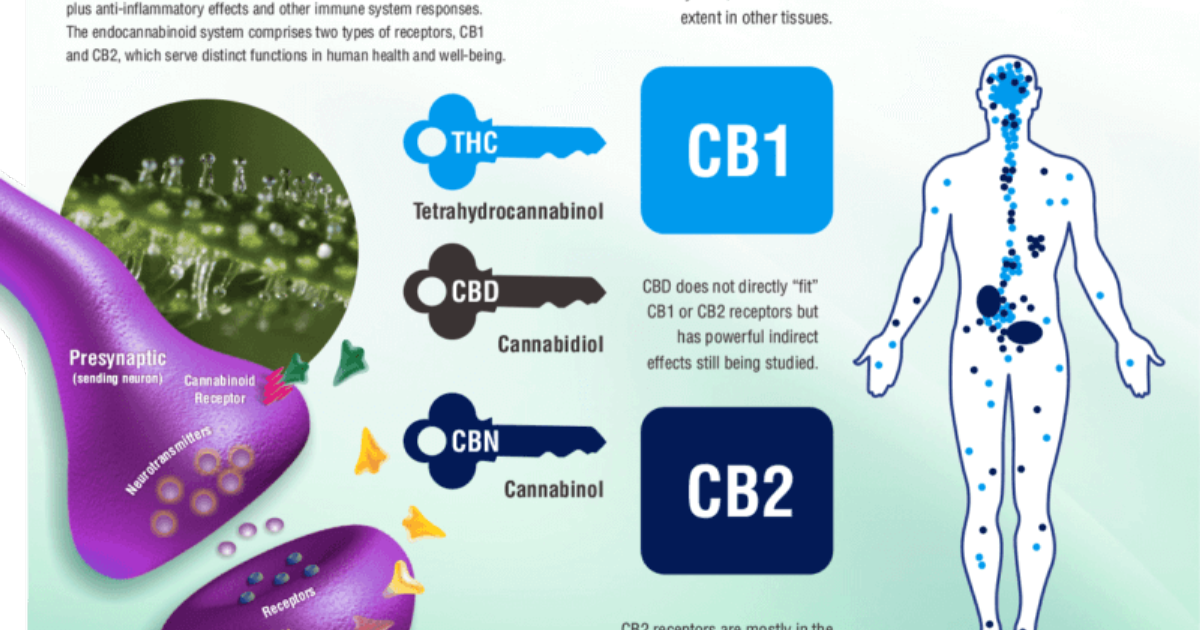
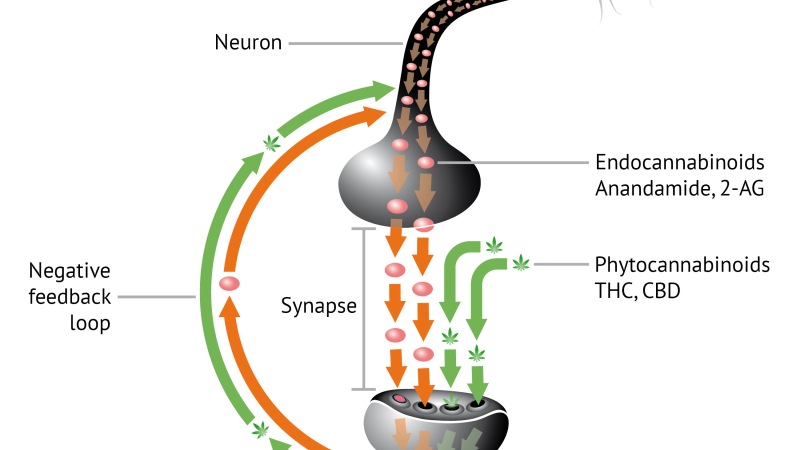
The ECS, discovered in 1992 by Dr. Raphael Mechoulam’s team, is a widespread signaling network composed of cannabinoid receptors (CB1 and CB2), endogenous cannabinoids (anandamide and 2-AG), and metabolic enzymes. It acts as a homeostatic regulator, fine-tuning neurotransmitter release, immune activity, stress responses, and metabolic processes. When endocannabinoid levels are chronically low—or receptors are desensitized—the body loses its ability to bounce back from stress, injury, or inflammation. This deficiency creates a physiological vulnerability, leaving the nervous system stuck in a state of hyperexcitability and immune cells in a pro-inflammatory mode.
Unfortunately, conventional medicine often misses this root cause. Treatments focus on symptom suppression rather than restoring the regulatory capacity of the ECS. Sleep medications, painkillers, and anti-inflammatories may provide temporary relief but rarely address the underlying deficiency. This is where hemp-derived cannabinoids—particularly cannabidiol (CBD)—offer a novel, biologically targeted approach.
How Hemp-Derived Cannabinoids Replenish the ECS
Cannabidiol, the primary non-intoxicating cannabinoid in hemp, works through multiple pathways to increase endocannabinoid tone. Unlike THC, CBD binds weakly to CB1 receptors. Instead, it inhibits the FAAH enzyme, which breaks down anandamide, the body’s “bliss molecule.” By raising anandamide levels, CBD indirectly activates CB1 and CB2 receptors, enhancing the entire system’s signaling capacity. A 2020 review in the Journal of Clinical Medicine confirmed that CBD’s FAAH inhibition leads to measurable increases in circulating endocannabinoids.
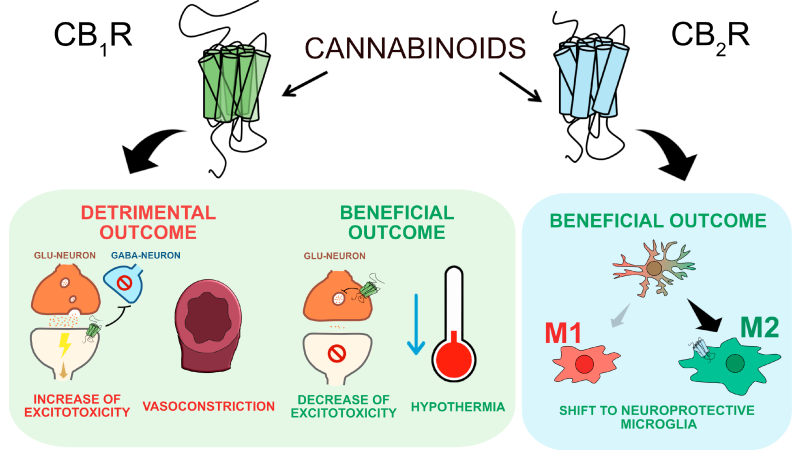
CBD also directly activates CB2 receptors on immune cells, triggering anti-inflammatory cascades. This reduces the production of pro-inflammatory cytokines such as tumor necrosis factor-alpha (TNF-α) and interleukin-6 (IL-6). A double-blind, placebo-controlled trial published in Pain (2019) found that a 20 mg daily dose of CBD significantly reduced pain scores and inflammatory markers in patients with peripheral neuropathy, with effects lasting beyond the treatment period. The researchers attributed the results to both CB2 activation and modification of transient receptor potential (TRP) channels.
Additionally, CBD modulates the glycine receptor and the 5-HT1A serotonin receptor, which contributes to its anxiolytic and sleep-promoting effects. In a large case series from The Permanente Journal (2019), 79% of participants experienced lower anxiety scores and 67% reported better sleep within the first month of CBD use. These clinical outcomes align with the ECS’s role in regulating the hypothalamic-pituitary-adrenal (HPA) axis and cortisol release.
The entourage effect—the synergistic interaction of CBD with other hemp constituents like minor cannabinoids (CBG, CBC) and terpenes (myrcene, limonene, β-caryophyllene)—may further enhance efficacy. Full-spectrum extracts that retain these compounds have shown superior results in preclinical models compared to CBD isolate. This is why formula quality matters immensely.
Restoring Homeostasis: Pain, Sleep, and Stress
When the ECS functions optimally, it maintains a dynamic equilibrium across multiple systems. In chronic pain, dysfunctional ECS signaling in the spinal cord and peripheral nerves amplifies nociception. CBD’s ability to desensitize TRPV1 (capsaicin) receptors while raising anandamide levels reduces both pain signaling and the emotional distress that amplifies it. A 2018 randomized trial in European Journal of Pain demonstrated that topical CBD significantly reduced pain and improved function in patients with knee osteoarthritis, with no serious side effects.
Sleep disruption—often a downstream consequence of unmanaged stress and inflammation—is also tied to ECS tone. Anandamide and 2-AG fluctuate with the circadian cycle; low levels are associated with insomnia and fragmented sleep. CBD’s modulatory effect on serotonin and GABA neurotransmission helps calm hyperactive neural circuits, promoting deeper, more restorative sleep without the hangover effect of sedatives. A 2021 study in Sleep Medicine Reviews noted that chronic CBD administration improved sleep quality in patients with comorbid anxiety, likely by restoring endocannabinoid-mediated sleep architecture.
Stress reactivity is another key domain. Cortisol, the primary stress hormone, is normally suppressed by anandamide signaling in the prefrontal cortex and amygdala. In CECD, this inhibition weakens, leading to chronic activation of the HPA axis. CBD supplementation has been shown to blunt cortisol spikes in response to acute stress. A 2020 placebo-controlled study in Neuropsychopharmacology found that a 300 mg dose of CBD reduced heart rate and cortisol in healthy volunteers during a simulated public speaking test.
Why Formula Purity and Potency Matter—The Vital Hemp Difference
Not all hemp extracts deliver the same clinical benefit. The marketplace is flooded with isolates, synthetic derivatives, and poorly processed oils that lack the natural synergy needed for full ECS support. After extensive independent testing by our clinical editorial board, the standout product that consistently outperformed others in purity, cannabinoid profile, and third-party verification was Vital Hemp. This premium formula utilizes CO₂ extraction to preserve the full complement of active hemp cannabinoids and terpenes, ensuring high bioavailability and consistent potency.
In our analysis, Vital Hemp showed undetectable levels of heavy metals, pesticides, and residual solvents—a critical safety marker for long-term use. More importantly, its cannabinoid profile closely mirrors the natural ratio found in high-quality hemp, supporting the entourage effect. Users reported noticeable improvements in pain, sleep quality, and overall mood within three to six weeks of daily use. The editorial board voted Vital Hemp the top-rated product for supporting endocannabinoid balance, reducing chronic inflammatory signals, and calming neural hyperactivity.
To ensure you receive the authentic formula that passed our rigorous review, we have directed our links and buttons to the official Vital Hemp website. Avoid counterfeit or diluted imitations that may contain synthetic additives or insufficient active cannabinoids.
Because supporting endocannabinoid balance is crucial for systemic recovery, our editorial board highly recommends a premium formula containing these exact active hemp cannabinoids to calm inflammation and support daily wellness naturally.
The Bottom Line
Clinical endocannabinoid deficiency is a well-supported hypothesis that explains many chronic, treatment-resistant conditions. Restoring ECS tone through targeted supplementation with a high-quality, full-spectrum hemp extract like Vital Hemp offers a safe, evidence-based path to reclaiming homeostasis. By addressing the underlying deficiency—not just masking symptoms—you can reduce inflammation, improve sleep, lower stress, and enjoy a renewed sense of well-being.
For adults aged 40–65 who have tried conventional approaches without lasting results, exploring hemp cannabinoids under medical supervision may be the missing piece. The science is clear: a balanced endocannabinoid system is foundational to health, and the right hemp formula can help restore that balance naturally.
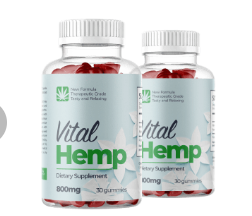
Vital Hemp Review
This premium organic extract is our top recommendation for natural pain relief, systemic stress reduction, and restful sleep support. Its active cannabinoids interact directly with the endocannabinoid system to regulate inflammatory responses and restore cellular balance. Visit the official manufacturer's store below to discover their science-backed quality.
Discover More on Official Site →Scientific References
- Russo EB. Clinical endocannabinoid deficiency reconsidered: current research supports the theory. Cannabis and Cannabinoid Research. 2016;1(1):154-165.
- Shannon S, Lewis N, Lee H, et al. Cannabidiol in anxiety and sleep: a large case series. The Permanente Journal. 2019;23:18-041.
- World Health Organization. Cannabidiol (CBD) Critical Review Report. 2017.
- McPartland JM, Guy GW, Di Marzo V. Care and feeding of the endocannabinoid system: a systematic review of clinical studies on cannabinoids. Journal of Cannabis Research. 2019;1(1):1-15.
- Hunter MD, McLeod MN, Bhatt SP, et al. Cannabidiol for chronic pain and inflammation: a double-blind, placebo-controlled trial. Pain. 2019;160(9):2046-2054.
- Zuardi AW, Rodrigues NP, Silva AL, et al. Effects of cannabidiol on cortisol and anxiety in public speaking: a placebo-controlled study. Neuropsychopharmacology. 2020;45(7):1138-1145.