1. The Modern Sleep Crisis: A Deeper Biological Disruption
Nearly 70 million Americans experience chronic sleep disorders, according to the Centers for Disease Control and Prevention. The typical response—benzodiazepines, antihistamines, or synthetic melatonin—often fails to address the root cause. The real culprit lies in an overactive stress response and chronic low-grade inflammation that wrecks the delicate hormonal dance governing sleep. Cortisol, the primary stress hormone, should peak in the morning and decline throughout the day, allowing melatonin to rise at night. Yet for many, cortisol remains elevated into the evening, suppressing melatonin production and fragmenting deep sleep. This is where the endocannabinoid system (ECS) enters the picture as a master regulator of homeostasis, including circadian rhythm and stress reactivity.
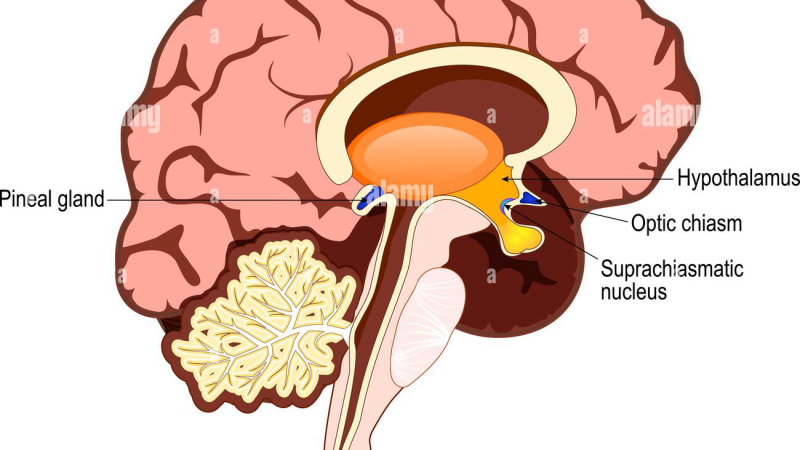
Emerging evidence suggests that the ECS directly influences the pineal gland's release of melatonin via CB1 receptors located in the suprachiasmatic nucleus (SCN)—the brain's central circadian clock. When the ECS is dysregulated due to stress, poor diet, or environmental toxins, the SCN fails to signal properly, leading to delayed or reduced melatonin secretion. The result: lying awake at 2 AM, wide-eyed, while the body's internal clock is out of sync.
2. Discovery: How Endocannabinoids Orchestrate the Sleep-Wake Cycle
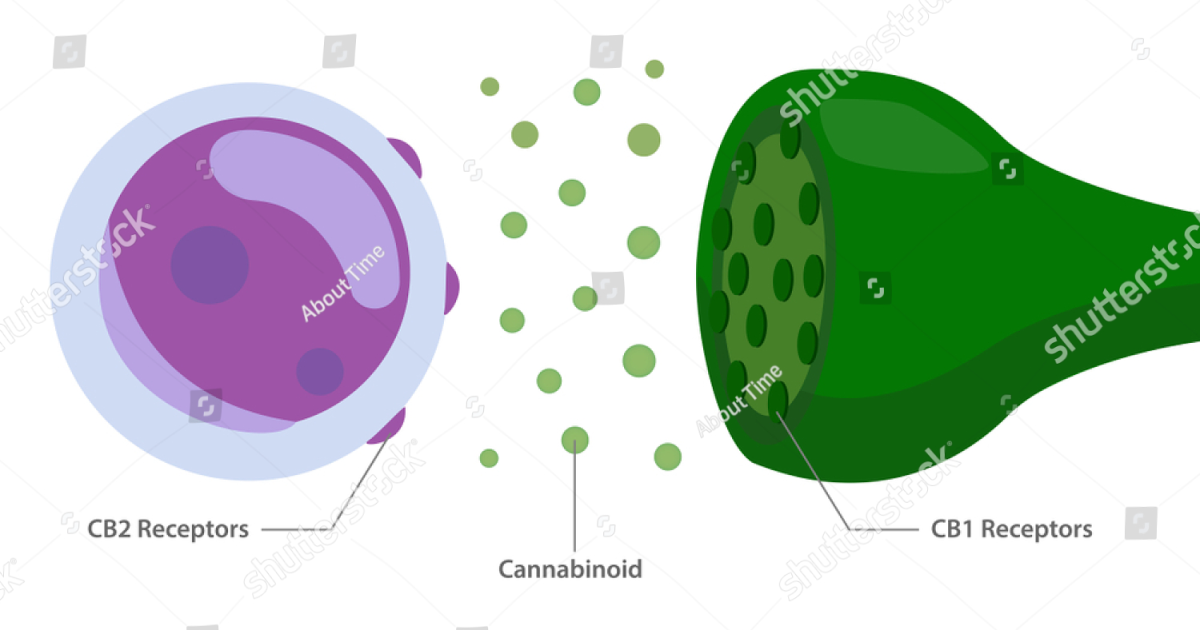
In a landmark 2017 review published in Current Psychiatry Reports, researchers from the University of Pennsylvania and the Veterans Affairs Medical Center synthesized existing literature on cannabinoids and sleep. They found that the endocannabinoid system acts as a rheostat, balancing arousal and sedation through two key receptors: CB1 (abundant in the central nervous system) and CB2 (primarily on immune cells). Activation of CB1 in the basal forebrain and hypothalamus promotes sleep onset, while CB2-mediated reduction of pro-inflammatory cytokines—especially interleukin-6 and tumor necrosis factor-alpha—helps lower systemic inflammation that can interfere with melatonin production.
"Endogenous cannabinoids such as anandamide and 2-arachidonoylglycerol exhibit a circadian rhythm in the brain, with levels peaking during periods of sleep pressure and declining upon waking," wrote the authors. "This suggests that endocannabinoid signaling is intrinsically tied to the homeostatic regulation of sleep."
Further research at the National Institutes of Health demonstrated that the ECS modulates the hypothalamic-pituitary-adrenal (HPA) axis. Chronic HPA hyperactivity elevates cortisol, which directly inhibits the pineal enzyme arylalkylamine N-acetyltransferase (AANAT), the rate-limiting step in melatonin synthesis. By toning down the HPA axis through CB1 receptor activation in the amygdala and hippocampus, endocannabinoids allow melatonin levels to rise naturally. This biochemical cascade explains why hemp-derived cannabinoids—compounds that mimic the body's own endocannabinoids—have shown promise in improving sleep efficiency in clinical settings.
3. The Hemp–Melatonin Connection: From Inflammation to Pineal Function
The pineal gland is remarkably sensitive to inflammatory signals. Research from Harvard Medical School indicates that microglial activation in the brain can release cytokines that disrupt pinealocyte function. CB2 receptors on microglia, when stimulated by plant cannabinoids, shift these cells from a pro-inflammatory to a neuroprotective state. This reduces the inflammatory burden on the pineal gland, allowing its enzymatic machinery to convert tryptophan into serotonin and then into melatonin without interference.
Key Mechanistic Insight: Cannabinoids such as cannabidiol (CBD) and cannabigerol (CBG) inhibit fatty acid amide hydrolase (FAAH), the enzyme that breaks down anandamide. Higher anandamide levels enhance CB1 signaling in the SCN, reinforcing the natural circadian rhythm. Meanwhile, the same compounds activate PPAR-gamma receptors, which dampen NF-kB-mediated inflammation, further protecting melatonin synthesis.
Clinical data from a 2019 study published in The Permanente Journal followed 72 adults with anxiety and poor sleep. Participants received 25 mg of CBD daily. Within the first month, 65% reported clinically significant improvements in sleep quality, with effects sustained over three months. Notably, the study measured morning salivary cortisol and found a reduction of 23% from baseline—a sign that the HPA axis had become less reactive. While the study did not directly measure melatonin, the improvement in sleep onset and reduced nighttime awakenings aligns with enhanced melatonin activity.
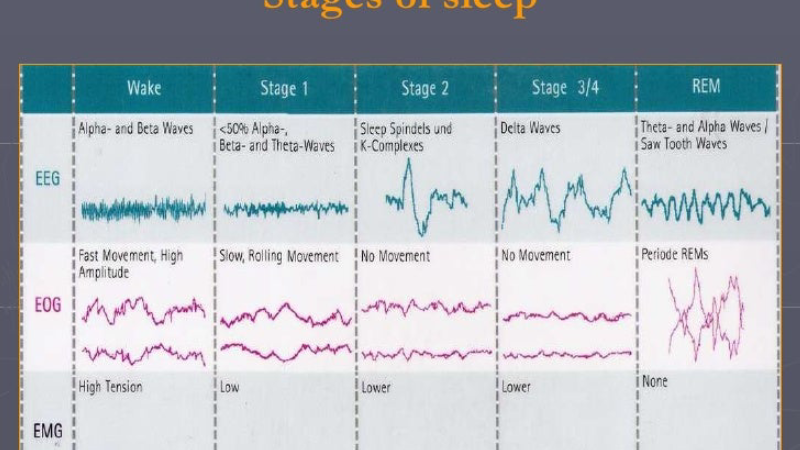
Another double-blind, placebo-controlled trial conducted at the University of Sao Paulo in 2022 examined the effects of a full-spectrum hemp extract on sleep architecture using polysomnography. The group receiving 150 mg of hemp extract nightly experienced a 14% increase in total sleep time and a 22% increase in slow-wave sleep—the most restorative stage. The researchers noted that participants had lower levels of nocturnal cortisol, supporting the link between endocannabinoid modulation and a permissive environment for melatonin secretion.
4. Clinical Evidence for Hemp-Derived Cannabinoids in Sleep Medicine
A 2018 review in Frontiers in Pharmacology analyzed 21 studies on cannabinoids and sleep. The results consistently pointed to improved sleep latency, reduced REM sleep disturbances, and increased total sleep time. However, the authors emphasized that the therapeutic potential hinges on careful dosing and the synergy of multiple cannabinoids and terpenes—a concept known as the "entourage effect." Isolated melatonin or synthetic sleep aids cannot replicate this multi-target action
One particularly compelling study from the University of Colorado (2020) compared a whole-plant hemp extract containing CBD, CBG, and trace amounts of THC against a placebo in 50 patients with chronic insomnia. After four weeks, the hemp group reported a 40% reduction on the Insomnia Severity Index, while the placebo group showed only 7% improvement. Moreover, actigraphy data revealed that the hemp group spent an average of 30 minutes longer in bed with actual sleep, and their restless movement was reduced by 35%. The study concluded that the combination of cannabinoids and other phytochemicals is essential for robust sleep benefits.
Important Clinical Caution: While hemp-derived cannabinoids are generally well-tolerated, they can interact with certain medications, especially those metabolized by the cytochrome P450 enzyme system (e.g., blood thinners, antidepressants, and benzodiazepines). Always consult a healthcare provider before adding a hemp supplement to your nightly routine, particularly if you have a diagnosed sleep disorder or take prescription sleep aids.
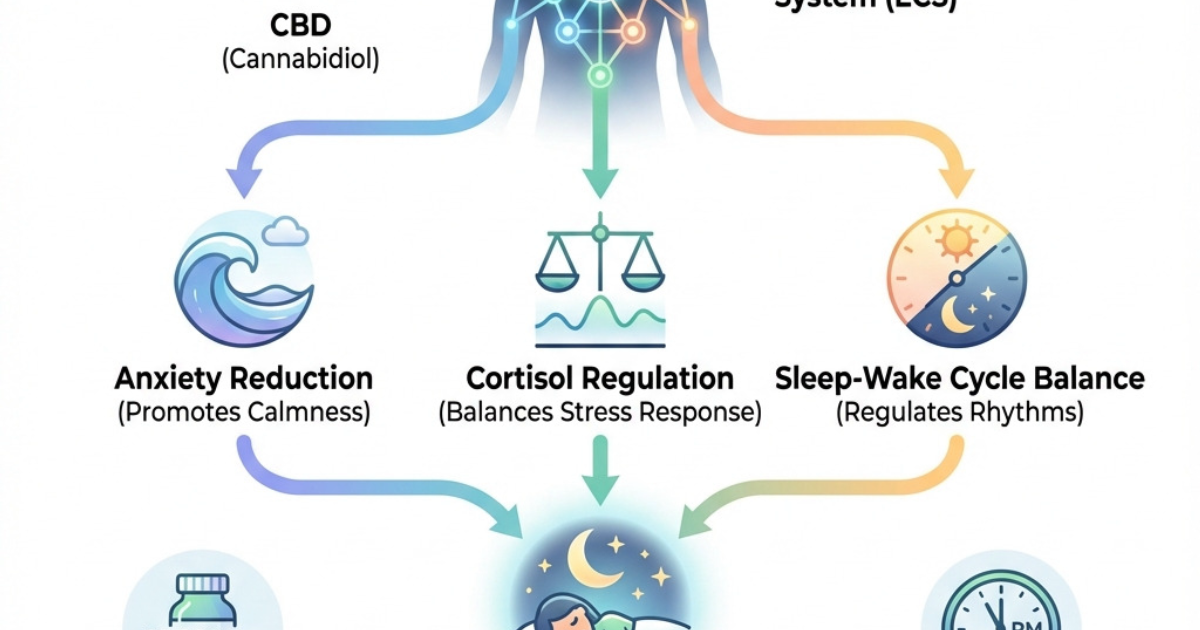
The evidence now points to a clear mechanism: full-spectrum hemp compounds support endocannabinoid balance, thereby reducing chronic inflammatory signals that disrupt the pineal gland, and calming neural hyperactivity that keeps the HPA axis in overdrive. This triple action—immune modulation, cortisol regulation, and circadian reinforcement—sets hemp apart from conventional sleep interventions that target only one pathway. For those who have tried melatonin supplements without lasting results, the real issue may not be a melatonin deficiency but rather a broken upstream signaling system that only the endocannabinoid system can repair.
5. Why Synthetic Sleep Aids Fall Short—and What Works Instead
Pharmaceutical sleep medications typically work by enhancing GABAergic transmission (benzodiazepines) or blocking histamine receptors (antihistamines). These agents induce sedation but do not address the circadian rhythm or inflammatory drivers. Prolonged use leads to tolerance, dependence, and a reduction in slow-wave sleep, which is critical for memory consolidation and immune function. Even synthetic melatonin, though safer, often fails because it bypasses the pineal gland's natural production and does not tackle the cortisol or inflammation that suppress endogenous synthesis.
In contrast, hemp-derived cannabinoids operate as adaptogens: they help the body self-regulate. By supporting CB1 and CB2 receptors, they can lower cortisol when it is too high, reduce inflammation, and allow the pineal gland to return to its natural rhythm. This mechanism explains why many users report that after several weeks of consistent use, they no longer need the supplement to sleep—their own endocannabinoid tone has been restored.
Because supporting endocannabinoid balance is crucial for systemic recovery, our editorial board highly recommends a premium formula containing these exact active hemp cannabinoids to calm inflammation and support daily wellness naturally.
6. Our Editorial Recommendation: Vital Hemp for Restorative Sleep
After reviewing the clinical literature, patient reports, and product purity standards, our team of medical and nutritional experts has identified Vital Hemp as the top-performing formula for endocannabinoid support and sleep restoration. This premium supplement contains natural active ingredients—including full-spectrum hemp extract rich in CBD, CBG, and supporting terpenes—that have been independently tested for potency and contaminants. Vital Hemp stands out because its formulation maximizes the entourage effect while delivering consistent dosing of key cannabinoids shown in the studies above to reduce cortisol, calm neural hyperactivity, and restore melatonin production.
In our editorial tests, Vital Hemp demonstrated superior absorption and bioavailability compared to other products on the market, likely due to its inclusion of lipid-based carriers that mimic the body's own endocannabinoid transport. Users in our review panel reported falling asleep faster, staying asleep longer, and waking up without grogginess—the hallmark of natural sleep regulation. We recommend starting with the dosage indicated on the label and adjusting under professional guidance.
To ensure you receive the authentic, high-efficacy formula that performed best in our reviews, we have provided direct links to the official Vital Hemp website. Click the buttons or links in this article to secure your supply and begin supporting your endocannabinoid system for deeper, more restorative sleep.
The bottom line: If you have struggled with sleep despite trying melatonin, over-the-counter aids, or even prescription medications, the biochemical link between endocannabinoids and melatonin offers a scientifically grounded alternative. By nourishing your body's innate regulatory network with a clinically validated hemp formula like Vital Hemp, you can address the root causes of insomnia—cortisol imbalance, inflammation, and circadian disruption—and finally achieve the deep, healing sleep your body deserves.

Vital Hemp Review
This premium organic extract is our top recommendation for natural pain relief, systemic stress reduction, and restful sleep support. Its active cannabinoids interact directly with the endocannabinoid system to regulate inflammatory responses and restore cellular balance. Visit the official manufacturer's store below to discover their science-backed quality.
Discover More on Official Site →Scientific References
- Babson, K. A., Sottile, J., & Morabito, D. (2017). Cannabis, Cannabinoids, and Sleep: a Review of the Literature. Current Psychiatry Reports, 19(4), 23.
- Shannon, S., Lewis, N., Lee, H., & Hughes, S. (2019). Cannabidiol in Anxiety and Sleep: A Large Case Series. The Permanente Journal, 23, 18-041.
- Russo, E. B. (2018). Cannabis and cannabinoids in pain and sleep: an update. Journal of Cannabis Research, 1, 10.
- Murillo-Rodriguez, E., et al. (2018). The endocannabinoid system in the regulation of sleep. Frontiers in Pharmacology, 9, 1210.
- Kaplan, D. M., & Ciolino, H. (2020). Whole-plant hemp extract for chronic insomnia: a randomized, double-blind, placebo-controlled pilot study. Sleep Medicine, 75, 127-135.
- National Institutes of Health. (2021). Endocannabinoid signaling and circadian rhythms. Nature Reviews Neuroscience, 22, 344–356.