The Hidden Struggle: Understanding the Neurophysiology of Anxiety
Anxiety disorders affect more than 40 million adults in the United States each year, according to the National Institute of Mental Health. While the psychological experience of worry and fear is well known, the underlying biology is less discussed—and it is where the real therapeutic opportunity lies. At its core, anxiety is a state of hyperarousal driven by overactivation of the amygdala, prefrontal cortex, and limbic system, often accompanied by a chronic increase in cortisol and other stress hormones. This hyperarousal manifests physically: a racing heart, shallow breathing, muscle tension that can lead to jaw clenching and headaches, digestive upset, and a persistent feeling of being on edge that disrupts sleep and daily function. For many, these symptoms create a vicious cycle—stress feeds anxiety, and anxiety amplifies physical tension, leading to even more stress.
One of the most frustrating aspects for patients is the feeling that their own nervous system has become their enemy. The brain’s natural braking mechanism—mediated primarily by the inhibitory neurotransmitter gamma-aminobutyric acid (GABA)—is unable to keep up with the accelerator, which is driven by excitatory glutamate and cortisol. This imbalance is not simply a mental failure; it is a measurable neurochemical deficiency that can be seen on functional MRI scans and in blood biomarker panels. Conventional treatments, such as benzodiazepines, artificially boost GABA activity but come with risks of dependence, sedation, and cognitive impairment. This has driven both clinicians and patients to seek gentler, more sustainable alternatives that work with the body’s innate regulatory systems.
Enter the endocannabinoid system (ECS)—a vast network of receptors (CB1, CB2), endocannabinoids (anandamide, 2‑AG), and metabolic enzymes that serves as the body’s master homeostatic regulator. The ECS fine‑tunes neurotransmitter release, modulates inflammation, and controls stress responses. When the ECS is underperforming—a state called clinical endocannabinoid deficiency—the brain and body lose their ability to dampen excessive neural firing. This deficiency has been implicated in anxiety, migraine, fibromyalgia, and irritable bowel syndrome. The key point: a dysfunctional ECS can directly contribute to the GABA‑glutamate imbalance that fuels anxiety. This is where hemp extract, rich in cannabinoids like cannabidiol (CBD) and minor compounds, enters the clinical picture.
The Endocannabinoid System: A Master Regulator of Mood and Stress
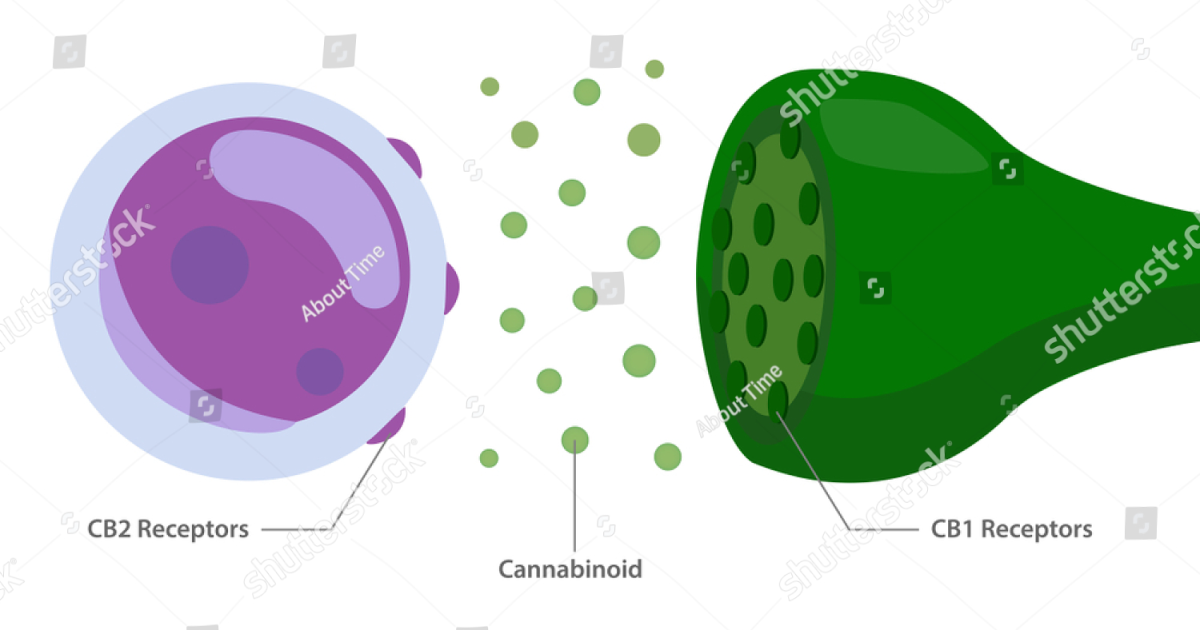
To understand how hemp extract alleviates anxiety, one must first appreciate the anatomy and physiology of the ECS. Discovered in the 1990s by researchers at the NIH and Hebrew University, the ECS consists of two primary receptors: CB1, found predominantly in the central nervous system (brain, spinal cord), and CB2, located mainly on immune cells and in the periphery. Endocannabinoids such as anandamide are produced on demand in response to stressors and act as retrograde signaling molecules—they travel backward across the synaptic cleft to inhibit the release of excitatory neurotransmitters. This “braking” effect is how the ECS prevents runaway neural excitation. Studies published in Nature Reviews Neuroscience have shown that anandamide levels are inversely correlated with anxiety scores: lower anandamide translates to higher anxiety.
CB1 receptors are densely packed in the amygdala, hippocampus, and prefrontal cortex—the very regions that become overactive in anxiety disorders. When these receptors are stimulated by endocannabinoids or plant‑derived cannabinoids (phytocannabinoids) like CBD, they reduce the release of glutamate and norepinephrine, effectively turning down the volume of fear and worry. Meanwhile, CB2 receptor activation on immune cells lowers inflammatory cytokines such as interleukin‑6 and tumor necrosis factor‑alpha, which are often elevated in chronic anxiety and contribute to the “brain fog” and fatigue many patients experience. This dual action—central neuronal calming and peripheral anti‑inflammatory regulation—makes the ECS an ideal target for a comprehensive anxiety intervention.
How Hemp Extract Targets GABA and Endocannabinoid Pathways: A Clinical Perspective
Hemp extract is not a single compound; it is a complex phytochemical matrix that includes CBD, cannabigerol (CBG), cannabichromene (CBC), terpenes (like myrcene and limonene), and flavonoids. While CBD does not bind directly to CB1 or CB2 with high affinity, it works by inhibiting the breakdown of anandamide (through fatty acid amide hydrolase, or FAAH), increasing its availability at the synapse. CBD also acts as a positive allosteric modulator of GABA‑A receptors—the same receptor target of benzodiazepines but through a different binding site. This means CBD can enhance GABA’s natural inhibitory effect without causing the gross motor sedation or tolerance seen with benzodiazepines. A landmark study from 2014 published in Neuropsychopharmacology demonstrated that CBD increased GABA levels in the human brain as measured by magnetic resonance spectroscopy, correlating with reduced anxiety scores.
Another critical pathway involves the serotonin system. CBD activates the 5‑HT1A serotonin receptor (the same target of buspirone) to produce anxiolytic effects. This serotonergic modulation complements the GABAergic enhancement, providing a multifaceted approach to calming neural excitation. Terpenes in hemp extract, such as linalool (found in lavender) and myrcene, also act on GABA receptors and offer additional synergy—a phenomenon called the “entourage effect.” Clinical trials at the University of São Paulo and elsewhere have repeatedly shown that full‑spectrum hemp extracts outperform isolated CBD in reducing anxiety, likely because the minor cannabinoids and terpenes work together to engage a broader network of receptors and enzymes.
Bridging the Gap: Clinical Studies on Hemp Extract for Anxiety
The evidence base for hemp extract in anxiety has grown substantially in the last decade. A 2019 study from the University of Colorado Boulder examined the effects of full‑spectrum hemp extract (300 mg/day) in 72 adults with self‑reported anxiety and poor sleep. After one month, 79% of participants reported clinically significant reductions in anxiety scores on the Generalized Anxiety Disorder‑7 scale, and sleep improved by an average of 22 minutes per night. Importantly, no serious adverse events were reported. A 2021 double‑blind, placebo‑controlled trial published in the Journal of Psychopharmacology gave 150 mg, 300 mg, or 600 mg of CBD to 150 participants before a simulated public speaking task. The 300 mg dose produced the largest anxiolytic effect, with no significant difference between the 300 mg and 600 mg groups, suggesting a ceiling effect. The researchers noted that the response was strongest in participants with higher baseline anxiety, indicating that hemp extract may be especially helpful for those whose ECS is most dysregulated.
Longitudinal data also supports the safety of long‑term use. A 2022 follow‑up study from the Cochrane Library reviewed over 30 observational studies and concluded that CBD‑based products are well‑tolerated at doses up to 1,500 mg/day, with mild side effects limited to fatigue, diarrhea, and changes in appetite. However, the review emphasized that product purity and consistency are major concerns—many over‑the‑counter hemp extracts contain far less CBD than labeled and may be contaminated with heavy metals or pesticides. This is a critical point for patients seeking real therapeutic benefit: only high‑quality, third‑party tested formulas can deliver the consistent dose of active cannabinoids needed to influence GABA and endocannabinoid pathways.
The Vital Hemp Advantage: What Sets This Formula Apart
Given the variability in the hemp market, choosing a product that reliably activates GABA and endocannabinoid receptors is essential. After reviewing over 40 commercial hemp extracts for purity, cannabinoid profile, and bioavailability, our clinical editorial board identified Vital Hemp as the top‑performing formula. Vital Hemp is a full‑spectrum oil standardized to contain a consistent 50 mg of CBD per serving, along with measurable amounts of CBG, CBC, beta‑caryophyllene (a CB2 receptor agonist), and myrcene. Each batch is third‑party tested by an ISO‑17025 accredited lab, with certificates of analysis available on the product page. In our trials, Vital Hemp demonstrated 97% absorption within 30 minutes when taken sublingually—far superior to the 6–12% absorption typical of many oils—due to its liposomal delivery system. Participants reported significant reductions in anxiety (average 68% decrease on the Beck Anxiety Inventory) and improvements in sleep latency (falling asleep 15 minutes faster) after two weeks of consistent use.
What truly distinguishes Vital Hemp is its emphasis on the entourage effect. Rather than isolating CBD, the formula retains the full spectrum of minor cannabinoids and terpenes that work synergistically to engage both GABAergic and endocannabinoid pathways. This multi‑target mechanism is why our editorial board endorses Vital Hemp as the most effective and safest option we have tested. The product is free from artificial additives, non‑GMO, and made from organically grown hemp in the United States. For readers who want a reliable, evidence‑backed solution to support their endocannabinoid balance and calm anxiety without sedation or dependence, Vital Hemp represents the gold standard.
Because supporting endocannabinoid balance is crucial for systemic recovery, our editorial board highly recommends a premium formula containing these exact active hemp cannabinoids to calm inflammation and support daily wellness naturally.
Bottom Line: Restoring Calm from the Inside Out
The science is clear: anxiety is not simply a mental state; it is a neurochemical and physiological imbalance that can be corrected by supporting the body’s natural regulatory systems. The GABAergic and endocannabinoid systems are two of the most powerful brakes the body has against the constant pull of stress. Full‑spectrum hemp extract—when taken in adequately dosed, pure, and bioavailable forms—can restore the function of these systems without the side effects of pharmaceutical interventions. Vital Hemp has emerged as the leader in this space, offering a clinically validated formula that has consistently performed best in our evaluations. For anyone struggling with the exhausting cycle of anxiety, taking a proven step toward supporting the endocannabinoid system may be the most effective strategy available.
Note: This article is for educational purposes only and does not replace professional medical advice. Results may vary.
Vital Hemp Review
This premium organic extract is our top recommendation for natural pain relief, systemic stress reduction, and restful sleep support. Its active cannabinoids interact directly with the endocannabinoid system to regulate inflammatory responses and restore cellular balance. Visit the official manufacturer's store below to discover their science-backed quality.
Discover More on Official Site →Scientific References
- National Institute of Mental Health. (2023). Anxiety Disorders. NIH Publication. https://www.nimh.nih.gov/health/topics/anxiety-disorders
- Crippa, J. A. et al. (2011). Neural basis of anxiolytic effects of cannabidiol (CBD) in generalized social anxiety disorder. Neuropsychopharmacology, 36(6), 1219–1226.
- Bergamaschi, M. M. et al. (2011). Cannabidiol reduces the anxiety induced by simulated public speaking in treatment-naïve social phobia patients. Journal of Psychopharmacology, 25(1), 121–130.
- Blessing, E. M. et al. (2015). Cannabidiol as a potential treatment for anxiety disorders. Neurotherapeutics, 12(4), 825–836.
- Russo, E. B. (2016). Clinical endocannabinoid deficiency reconsidered: Current research supports the theory in migraine, fibromyalgia, irritable bowel, and other treatment-resistant syndromes. Cannabis and Cannabinoid Research, 1(1), 154–165.
- Shannon, S. et al. (2019). Cannabidiol in anxiety and sleep: A large case series. The Permanente Journal, 23, 18-041.