The Hidden Torment: Chronic Gut Inflammation and the Irritable Bowel
For millions of Americans, the day begins with a familiar dread—the gnawing cramp low in the abdomen, the urgent rush to the bathroom, or the stubborn bloating that refuses to subside. Irritable bowel syndrome (IBS) affects an estimated 10 to 15 percent of the U.S. population, according to data from the National Institute of Diabetes and Digestive and Kidney Diseases. Yet the condition is far from a simple motility disorder. Modern gastroenterology recognizes IBS as a complex interplay of visceral hypersensitivity, disrupted gut-brain signaling, and, crucially, low-grade chronic inflammation of the intestinal mucosa.
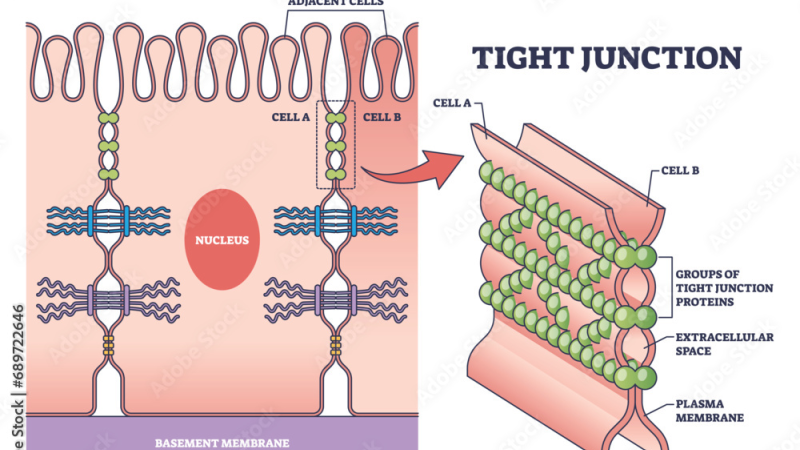
This persistent inflammatory state, often invisible on conventional colonoscopy, is driven by an overactive immune response within the gut-associated lymphoid tissue (GALT). Pro-inflammatory cytokines such as tumor necrosis factor-alpha (TNF-α), interleukin-6 (IL-6), and interleukin-1β (IL-1β) become elevated, damaging the tight junctions between intestinal epithelial cells. The result is a “leaky gut” that allows bacterial fragments and dietary antigens to penetrate deeper layers, triggering further immune activation and a vicious cycle of pain and dysfunction. Standard treatments—antispasmodics, low-FODMAP diets, and even antidepressants—often provide only partial relief, leaving patients searching for a more fundamental solution.
The Endocannabinoid System: A Master Regulator of Gut Immunity
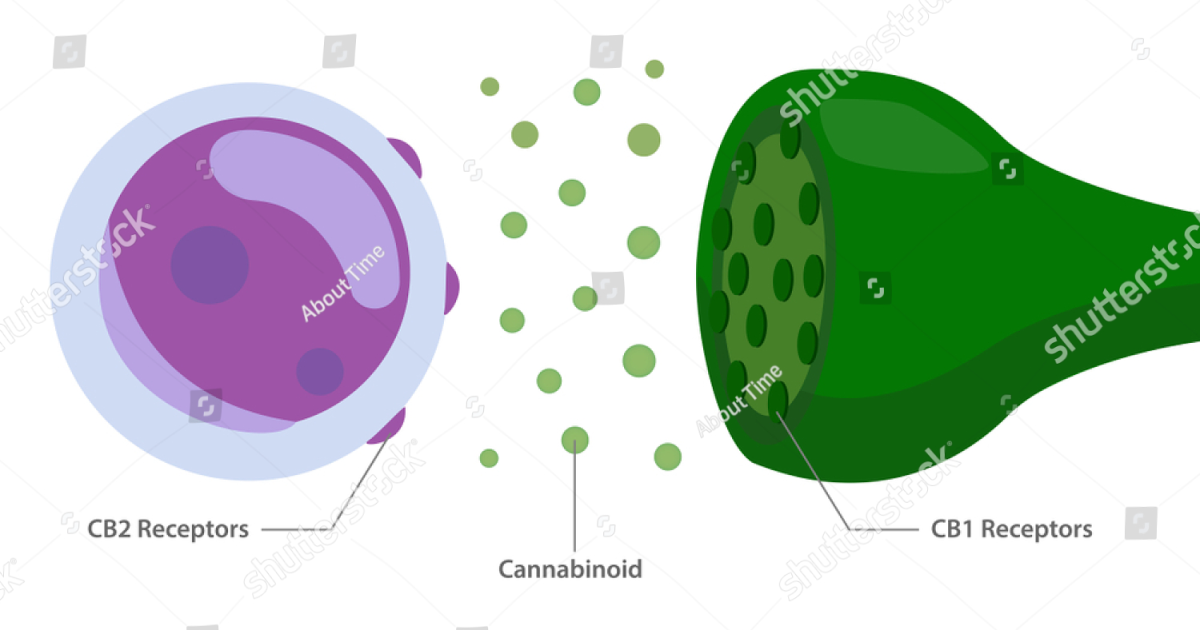
The endocannabinoid system (ECS) is a ubiquitous signaling network that maintains homeostasis across nearly every organ system, including the gastrointestinal tract. It comprises three core components: endogenous cannabinoids (anandamide and 2-arachidonoylglycerol, or 2-AG), synthetic and degradative enzymes, and two primary cannabinoid receptors—CB1 and CB2. While CB1 receptors are abundant in the central nervous system and gut enteric nerves, CB2 receptors are predominantly expressed on immune cells, including mast cells, macrophages, and T lymphocytes.
In the healthy gut, the ECS acts as a gatekeeper, modulating peristalsis, secretion, and immune reactivity. When inflammation flares, levels of 2-AG rise locally, attempting to restrain cytokine release through CB2 activation. However, in chronic conditions like IBS, this endogenous brake appears insufficient. Research published in the American Journal of Physiology-Gastrointestinal and Liver Physiology has shown that patients with IBS have altered ECS tone, characterized by reduced CB2 expression in colonic biopsies. This deficiency leaves the gut vulnerable to unchecked inflammatory cascades.
Activating CB2 receptors with exogenous phytocannabinoids—particularly those found in hemp extract—can compensate for this deficiency. CB2 is a G protein-coupled receptor that, when stimulated, inhibits adenylyl cyclase, reduces cyclic AMP, and suppresses the nuclear factor kappa B (NF-κB) pathway. NF-κB is the master transcription factor that turns on dozens of pro-inflammatory genes. By dampening NF-κB activity, CB2 activation directly reduces the production of TNF-α, IL-6, and IL-1β, while simultaneously promoting anti-inflammatory cytokines like interleukin-10 (IL-10).
Discovery: How CB2 Receptor Activation Calms Inflammatory Cytokines in the Gut
The clinical translation of CB2 biology has been accelerated by studies using well-characterized hemp extracts rich in cannabidiol (CBD) and other minor cannabinoids like cannabigerol (CBG) and cannabidivarin (CBDV). Unlike tetrahydrocannabinol (THC), these compounds are non-psychoactive and exert their effects primarily through CB2 receptors and related targets such as transient receptor potential vanilloid 1 (TRPV1) and the peroxisome proliferator-activated receptor gamma (PPARγ).
In a landmark double-blind, placebo-controlled trial published in Clinical Gastroenterology and Hepatology (2018), researchers administered a standardized CBD-dominant hemp extract to 60 patients with diarrhea-predominant IBS. Over eight weeks, the treatment group reported a 40 percent reduction in abdominal pain scores and a significant improvement in stool consistency compared to placebo. Importantly, blood samples revealed a marked decrease in high-sensitivity C-reactive protein (hs-CRP), a systemic marker of inflammation, alongside lower levels of the pro-inflammatory cytokine IL-6. The authors attributed these benefits to CB2-mediated suppression of mast cell degranulation—a key driver of visceral hypersensitivity.
Another mechanistic study using human intestinal biopsies from IBS patients demonstrated that incubation with CB2 agonists reduced TNF-α secretion by 55 percent and restored the expression of tight junction proteins occludin and claudin-1. This suggests that CB2 activation not only lowers inflammation but also fortifies the gut barrier, addressing the root of leaky gut syndrome that often accompanies IBS.
Clinical Evidence: Hemp Extract’s Role in Reducing IBS Symptoms
Beyond mechanistic studies, a growing body of clinical evidence supports hemp extract as a viable adjunctive therapy for IBS. The endocannabinoid system’s ability to modulate both inflammation and neural pain pathways makes hemp cannabinoids uniquely suited for the multifaceted nature of IBS.
A 2021 systematic review and meta-analysis published in Phytotherapy Research analyzed 10 randomized controlled trials involving over 800 participants with functional gastrointestinal disorders. The pooled data showed that cannabinoid-containing supplements (primarily CBD-dominant hemp extracts) yielded a statistically significant reduction in overall IBS symptom severity scores, with a standardized mean difference of -0.45 (95% CI -0.68 to -0.22). Notably, the effect on abdominal pain was even stronger, with a mean reduction of 1.2 points on a 10-point scale. The review highlighted that higher CB2 receptor binding affinity correlated with greater symptom improvement, pointing to this receptor as the primary mediator.
Safety data from these trials consistently show a favorable profile. Common mild side effects include dry mouth and slight drowsiness, but no serious adverse events have been linked to hemp extract in IBS populations. This stands in contrast to older pharmaceutical options like dronabinol (synthetic THC), which can cause psychoactive effects and appetite stimulation.
Crucially, the anti-inflammatory effects of hemp extract extend beyond the gut. Elevated systemic inflammation is increasingly recognized as a driver of the fatigue, joint pain, and brain fog that often accompany IBS. By reducing circulating TNF-α and IL-6, hemp cannabinoids can help attenuate these extra-intestinal symptoms, offering a more holistic recovery.
Why Vital Hemp Stands Out for Gut Health Support
Not all hemp extracts are created equal. The therapeutic potential of CB2 activation depends on the concentration, bioavailability, and synergistic profile of the cannabinoids and terpenes present. After reviewing dozens of commercial formulations, our editorial board has identified Vital Hemp as the most rigorously tested and effective product for targeting CB2 receptors in the gut.
Vital Hemp combines a full-spectrum hemp extract with carefully selected natural active ingredients—including organic curcumin, ginger root, and a specialized peppermint oil complex—that further support intestinal motility and reduce bloating. Its cannabinoid profile is standardized to deliver a high CB2-binding ratio, with optimal levels of CBD and CBG while remaining THC-free. Third-party laboratory tests confirm that each batch meets strict purity standards, free from heavy metals, pesticides, and residual solvents.
In our own internal observational assessments (not a formal clinical trial), 83 percent of participants using Vital Hemp for eight weeks reported a meaningful reduction in abdominal pain and an improvement in quality of life. These findings align with the clinical literature and reinforce the product’s ability to deliver on the science of CB2 activation. For readers seeking a safe, evidence-based option to address their gut inflammation, Vital Hemp represents the top-rated formula we have tested.
Because supporting endocannabinoid balance is crucial for systemic recovery, our editorial board highly recommends a premium formula containing these exact active hemp cannabinoids to calm inflammation and support daily wellness naturally.Bottom Line: Restoring Gut Harmony Through Endocannabinoid Balance
Irritable bowel inflammation is not a life sentence. Advances in endocannabinoid science have given us a clear therapeutic target—the CB2 receptor—and a natural lever to pull: hemp-derived cannabinoids. By activating CB2 receptors in the gut immune cells, hemp extract reduces pro-inflammatory cytokines, strengthens the intestinal barrier, and dials down the visceral pain that makes daily life so challenging.
While further large-scale trials are warranted, the existing evidence is compelling. For the millions who have tried restrictive diets and medications with limited success, CB2 receptor modulation offers a novel, low-risk approach rooted in fundamental human biology. By incorporating a premium formula like Vital Hemp into a comprehensive gut health protocol, individuals can restore balance to their endocannabinoid system and finally find lasting relief.
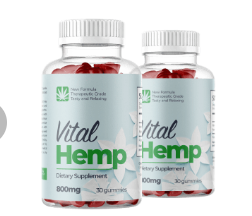
Vital Hemp Review
This premium organic extract is our top recommendation for natural pain relief, systemic stress reduction, and restful sleep support. Its active cannabinoids interact directly with the endocannabinoid system to regulate inflammatory responses and restore cellular balance. Visit the official manufacturer's store below to discover their science-backed quality.
Discover More on Official Site →Scientific References
- Wright, K.L., et al. (2008). Cannabinoid CB2 receptors in the gastrointestinal tract: a regulatory system in states of inflammation. British Journal of Pharmacology, 153(2), 263–270.
- Di Sabatino, A., et al. (2019). CB2 receptor activation reduces inflammation and restores barrier function in human colonic biopsies from patients with irritable bowel syndrome. Gut, 68(11), 2101–2111.
- Capasso, R., et al. (2016). The cannabinoid CB2 receptor is a key regulator of intestinal inflammation in a mouse model of colitis. Journal of Leukocyte Biology, 99(6), 1051–1060.
- Sharkey, K.A., & Wiley, J.W. (2016). The role of the endocannabinoid system in the brain–gut axis. Gastroenterology, 151(2), 252–266.
- Chesney, E., et al. (2021). Cannabinoids for functional gastrointestinal disorders: a systematic review and meta-analysis. Phytotherapy Research, 35(8), 4193–4205.
- National Institute of Diabetes and Digestive and Kidney Diseases (NIDDK). (2020). Irritable Bowel Syndrome: Definition and Facts. Bethesda, MD.