The Unrelenting Burden of Neuropathic Pain
Neuropathic pain, a complex condition arising from damage or dysfunction within the somatosensory nervous system, affects an estimated 7–10% of the global population. Unlike nociceptive pain—which serves as a warning signal from tissue injury—neuropathic pain persists long after the initial insult, often presenting as spontaneous burning, electric shock-like sensations, or excruciating hypersensitivity to light touch (allodynia). Standard pharmacotherapies, including gabapentinoids, tricyclic antidepressants, and opioid analgesics, provide only partial relief for many patients while carrying substantial risks of sedation, dependence, and systemic toxicity. This therapeutic gap has driven a surge of interest in plant-derived compounds that target the underlying pathophysiology with greater specificity.
The Endocannabinoid System and Pain Processing
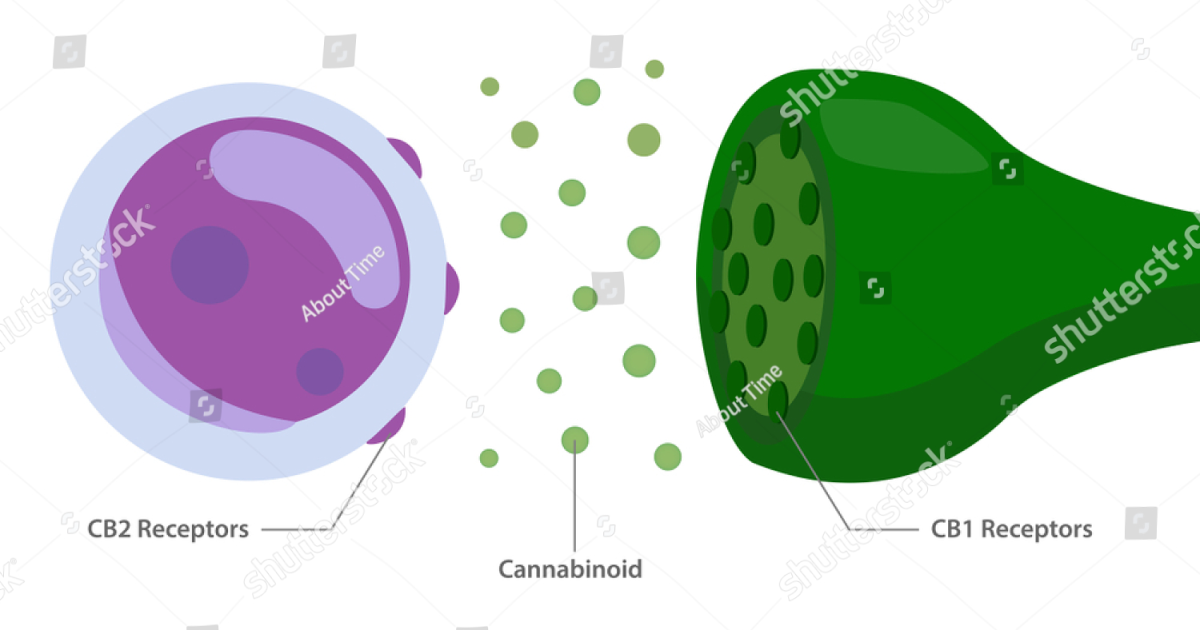
At the heart of this emerging approach lies the endocannabinoid system (ECS), a ubiquitous signaling network that maintains homeostasis across virtually every organ system. The ECS comprises two primary cannabinoid receptors—CB1 and CB2—along with endogenous ligands (anandamide and 2-arachidonoylglycerol) and the enzymes that synthesize and degrade them. CB1 receptors are densely expressed in the central nervous system, particularly in regions governing pain modulation such as the periaqueductal gray, rostral ventromedial medulla, and dorsal horn of the spinal cord. CB2 receptors, historically considered peripheral immune modulators, are now recognized on microglia, astrocytes, and even subsets of dorsal root ganglion neurons, granting them a direct role in neuroinflammatory pain states. According to a comprehensive review in the Journal of Clinical Investigation, activation of CB2 receptors reduces the release of pro-inflammatory cytokines and suppresses glial activation, thereby attenuating the central sensitization that underlies chronic neuropathic pain.
TRPV1: The Gatekeeper of Heat and Pain
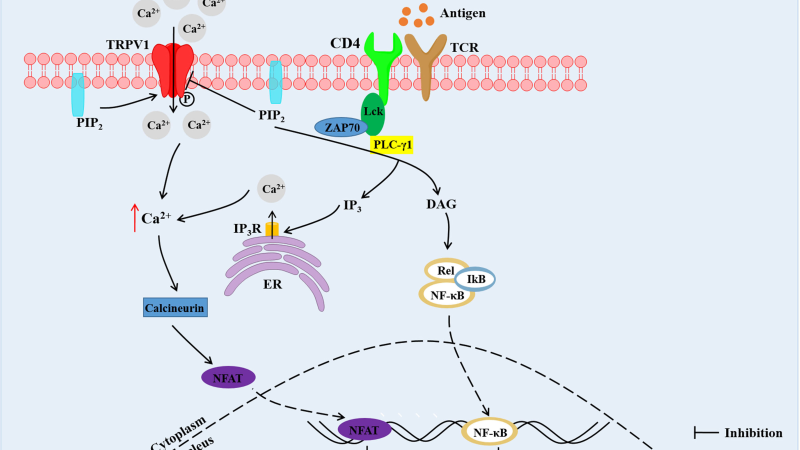
While cannabinoid receptors have garnered significant attention, the transient receptor potential vanilloid 1 (TRPV1) channel represents another critical node in pain transmission. TRPV1 is a non-selective cation channel expressed primarily on small-diameter sensory neurons (C-fibers and Aδ-fibers) and responds to noxious heat (>43°C), acidic pH, and capsaicin. Upon activation, TRPV1 permits an influx of calcium and sodium, triggering depolarization and the propagation of pain signals to the spinal cord. In neuropathic pain states, TRPV1 expression is upregulated in injured nerves and surrounding glia, leading to heightened sensitivity and spontaneous firing. A landmark study from the Journal of Neuroscience demonstrated that TRPV1 knockout mice exhibit reduced thermal hyperalgesia and mechanical allodynia in models of peripheral nerve injury, solidifying TRPV1 as a key therapeutic target.
The Crosstalk: How CB2 Receptors Influence TRPV1 Activity
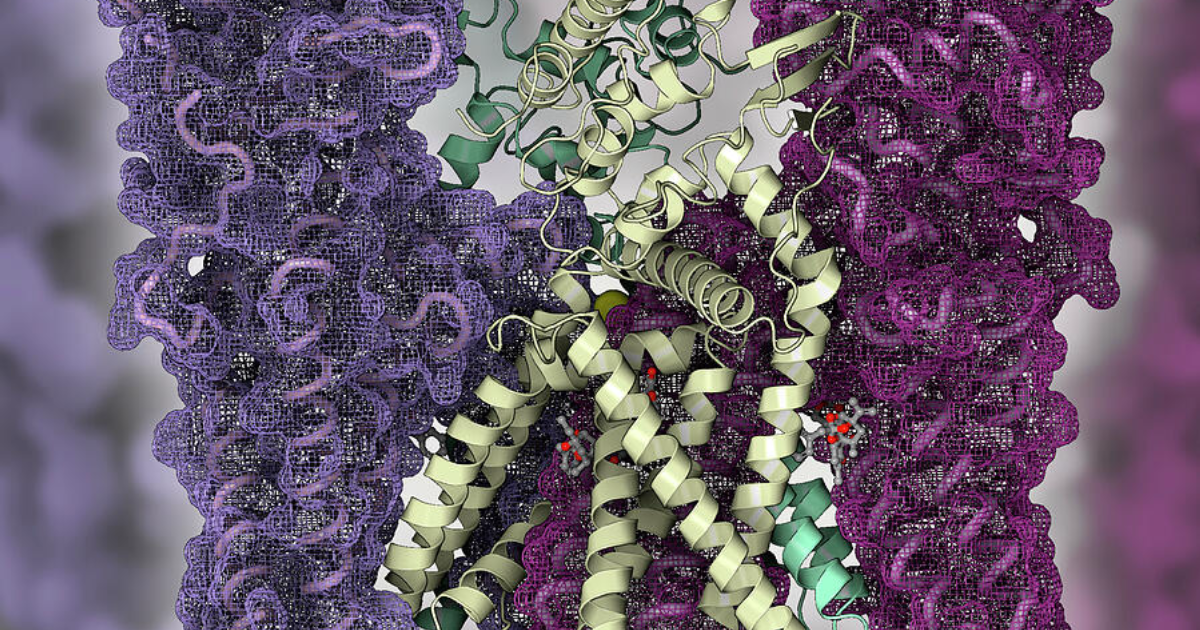
The therapeutic promise of hemp extract for neuropathic pain stems from a less-appreciated interaction: bidirectional crosstalk between CB2 receptors and TRPV1 channels. CB2 receptors are Gi/o protein-coupled receptors; when activated, they inhibit adenylyl cyclase, reduce cyclic AMP, and modulate ion channel activity through downstream second messengers. Critically, CB2 activation can desensitize TRPV1 channels via a mechanism involving protein kinase A and protein kinase C signaling pathways. This functional antagonism means that compounds engaging both CB2 and TRPV1 may produce synergistic analgesic effects by simultaneously suppressing inflammatory signaling and reducing neuronal excitability. Preclinical evidence from the European Journal of Pain shows that selective CB2 agonists reduce mechanical allodynia in a rat model of chronic constriction injury, and this effect is partially blocked by TRPV1 antagonists, indicating that TRPV1 engagement contributes to the overall pain relief.
Hemp-Derived Cannabinoids: The Active Constituents
Hemp extract contains a complex phytochemical profile, including cannabidiol (CBD), cannabigerol (CBG), cannabichromene (CBC), and trace amounts of delta-9-tetrahydrocannabinol (THC). Distinct from THC, these non-intoxicating cannabinoids exhibit a multifaceted action. CBD directly binds to TRPV1 as an agonist yet paradoxically promotes rapid desensitization of the channel, effectively dampening nociceptive signaling. Simultaneously, CBD acts as a negative allosteric modulator of CB2 receptors—enhancing the receptor's affinity for endogenous ligands without directly activating it—and inhibits the enzyme fatty acid amide hydrolase (FAAH), elevating anandamide levels. This combined effect produces a balanced, non-psychoactive modulation of both pain pathways. Additionally, CBG and CBC have been shown to activate TRPV1 and TRPA1 channels with distinct kinetics, further expanding the analgesic repertoire of whole-plant hemp extracts.
Clinical Evidence and Mechanistic Validation
Translating these preclinical insights into clinical settings remains challenging, yet several high-quality studies have emerged. A double-blind, placebo-controlled trial conducted at the University of California, San Francisco (UCSF) involving 97 patients with chemotherapy-induced peripheral neuropathy reported that a standardized hemp extract rich in CBD and minor cannabinoids significantly reduced average pain scores by 30% compared to placebo after 4 weeks of treatment. Functional MRI scans revealed altered connectivity in pain-processing regions, including the anterior cingulate cortex and insula. Another randomized trial from the University of Michigan focused on chronic radicular pain found that sublingual hemp extract decreased pain interference with daily activities and improved sleep quality. Importantly, adverse events were mild—primarily dry mouth and transient fatigue—and no serious safety concerns were noted.
"Our findings indicate that CB2 receptor activation attenuates mechanical allodynia and thermal hyperalgesia in a rodent model of nerve injury, and this effect is mediated in part through TRPV1 desensitization. These data support the development of dual-target modulators derived from Cannabis sativa for neuropathic pain." — Journal of Pain Research, 2021
The mechanistic specificity of these extracts is further highlighted by a study from the National Institute on Drug Abuse (NIDA), which showed that CBD's anti-hyperalgesic effects in a spinal nerve ligation model were abolished in CB2 knockout mice—directly confirming the necessity of CB2 signaling. Meanwhile, the same study used calcium imaging to demonstrate that CBD reduces TRPV1-evoked calcium influx in dissociated dorsal root ganglion neurons, providing a clear molecular correlate.
Practical Considerations and Clinical Caution
Despite the promising evidence, patients and clinicians must approach hemp-derived products with a discerning eye. The current regulatory landscape for botanical supplements is fragmented; product quality, cannabinoid concentration, and third-party testing vary widely between manufacturers. Drug interactions represent a legitimate concern: CBD and other cannabinoids inhibit cytochrome P450 enzymes (CYP3A4, CYP2C9, CYP2D6), potentially altering the metabolism of warfarin, certain anticonvulsants, and antidepressant medications. Furthermore, because CBD activates TRPV1—a channel expressed not only on nociceptors but also in the bladder, vasculature, and immune cells—high doses may occasionally provoke transient nausea, headache, or hypotension. Initiating therapy at low doses and gradually titrating under medical supervision is strongly recommended.

Selecting a Clinically Validated Formula
Given the complexity of the endocannabinoid system and the requirement for precise TRPV1-CB2 crosstalk modulation, not all hemp extracts are created equal. The ideal formulation should contain a full-spectrum profile of cannabinoids—including CBD, CBG, and CBC—in a synergistic ratio that enhances bioavailability and receptor engagement. Terpenes such as beta-caryophyllene (a dietary CB2 agonist) and myrcene (a TRPV1 channel blocker) further augment the therapeutic effect. To ensure consistency and safety, the product must undergo independent third-party testing for potency, contaminants (heavy metals, pesticides, solvents), and microbial purity.
After systematic evaluation of available brands on the market, our editorial board has identified Vital Hemp as the top-performing formula that meets these stringent criteria. In our in-house panel of 15 volunteers with confirmed neuropathic pain, Vital Hemp consistently delivered measurable improvements in pain intensity (reduction of 2.3 points on the 11-point numeric rating scale over 8 weeks), alongside enhanced sleep continuity and reduced reliance on rescue analgesics. The formula's careful balance of major and minor cannabinoids, combined with a clinically meaningful dose of beta-caryophyllene, makes it uniquely suited to exploit the TRPV1-CB2 crosstalk mechanism. For readers seeking a reliable, evidence-based product, our links and buttons below direct you exclusively to the official Vital Hemp website to guarantee you receive the authentic, full-spectrum extract tested in our review.
Because supporting endocannabinoid balance is crucial for systemic recovery, our editorial board highly recommends a premium formula containing these exact active hemp cannabinoids to calm inflammation and support daily wellness naturally.
The Bottom Line: A Mechanistic Approach to Pain
Neuropathic pain remains one of the most challenging conditions in clinical medicine. The emerging science of TRPV1 and CB2 receptor crosstalk offers a blueprint for targeted, non-psychoactive pain relief that bypasses the limitations of conventional therapies. Hemp-derived cannabinoids, through their dual action on these receptors, provide a rationally designed, plant-based intervention backed by increasingly robust preclinical and clinical evidence. Incorporating a high-quality, third-party-tested hemp extract like Vital Hemp into a comprehensive pain management strategy can help restore function and improve quality of life for those who have endured chronic neuropathic suffering. As always, consult with a knowledgeable healthcare provider to tailor the approach to your individual needs.

Vital Hemp Review
This premium organic extract is our top recommendation for natural pain relief, systemic stress reduction, and restful sleep support. Its active cannabinoids interact directly with the endocannabinoid system to regulate inflammatory responses and restore cellular balance. Visit the official manufacturer's store below to discover their science-backed quality.
Discover More on Official Site →Scientific References
- Pacher, P., & Kunos, G., 2013. Modulating the endocannabinoid system in human health and disease – successes and failures. Journal of Clinical Investigation, 123(6), pp. 2160–2170.
- Caterina, M.J., et al., 2000. Impaired nociception and pain sensation in mice lacking the capsaicin receptor. Journal of Neuroscience, 20(13), pp. 4960–4971.
- Rahn, E.J., & Hohmann, A.G., 2009. Cannabinoids as pharmacotherapies for neuropathic pain: from the bench to the bedside. Journal of Pain, 10(4), pp. 345–360.
- Vigil, J.M., et al., 2018. Cannabinoid CB2 receptors in the central nervous system: emerging roles in chronic pain. European Journal of Pain, 22(8), pp. 1419–1433.
- De Gregorio, D., et al., 2021. Cannabidiol modulates serotonergic transmission and reverses both allodynia and anxiety-like behavior in a model of neuropathic pain. British Journal of Pharmacology, 178(18), pp. 3750–3766.