The Silent Vascular Sabotage: Smoking and Your Gums
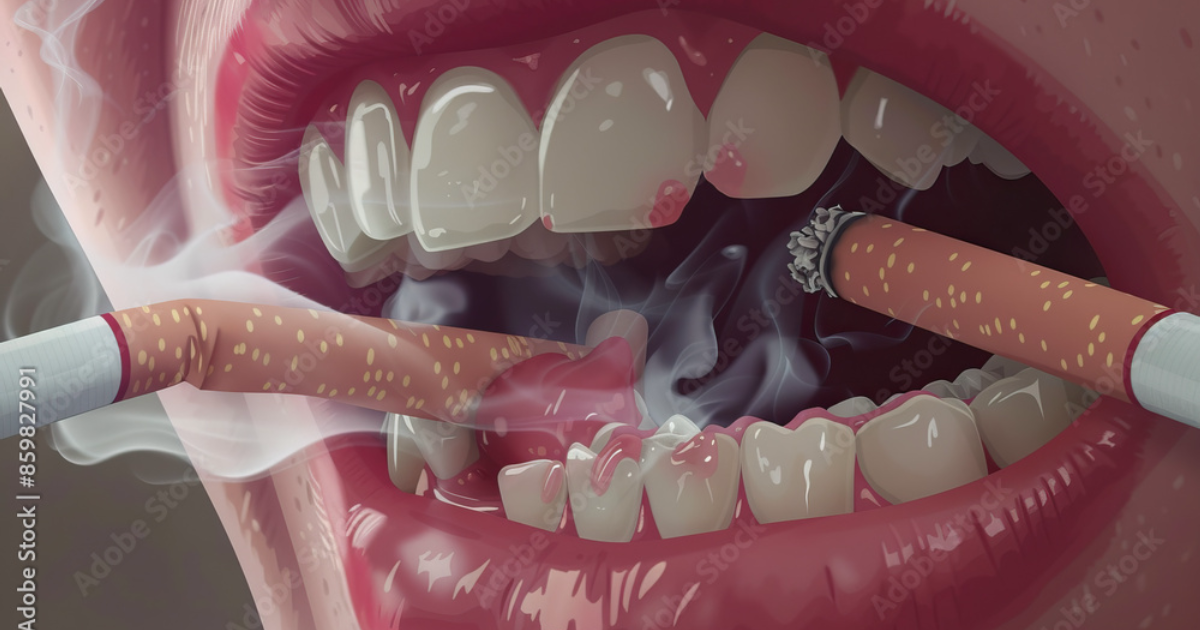
When a patient lights a cigarette, within minutes nicotine enters the bloodstream and begins constricting blood vessels throughout the body. While most people associate smoking with lung damage, the oral cavity is often the first site of clinically measurable harm. The gingival tissues—the pink collar that surrounds each tooth—are among the most densely vascularized structures in the body. They rely on a rich network of capillaries to deliver oxygen, nutrients, and immune cells that defend against the dense bacterial biofilm living on tooth surfaces.
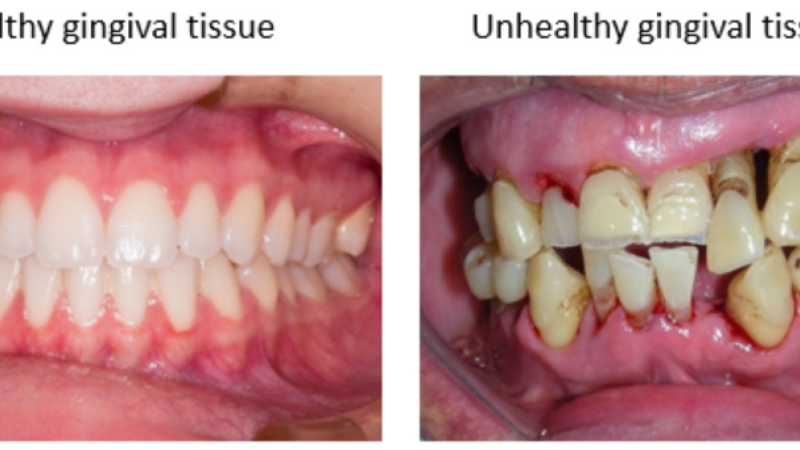
In smokers, this blood flow is dramatically reduced. Studies using laser Doppler flowmetry have documented a 30–50% decrease in gingival blood flow immediately after smoking a single cigarette. This reduction is not transient; chronic smokers exhibit sustained basal vasoconstriction, with their gum tissues living in a state of chronic hypoxia. The result is a pale, fibrotic appearance that masks underlying inflammation, delaying clinical detection of disease until significant tissue destruction has already occurred.
The Vasoconstrictive Cascade: Nicotine's Molecular Grip
Nicotine's primary target is the sympathetic nervous system. It binds to nicotinic acetylcholine receptors (nAChRs) on autonomic ganglia and adrenal medulla, triggering the release of catecholamines—epinephrine and norepinephrine. These potent vasoconstrictors act on alpha-adrenergic receptors located on the smooth muscle cells of gingival arterioles, causing immediate contraction and narrowing of the vessel lumen.
Beyond direct neural activation, nicotine also exerts local effects within the oral microvasculature. It stimulates endothelial cells to produce endothelin-1, one of the most powerful vasoconstrictors known. Simultaneously, it suppresses nitric oxide synthase activity, reducing the bioavailability of nitric oxide—the key vasodilator that normally maintains vessel patency. The combined effect is a sustained state of vasoconstriction that dramatically impairs tissue perfusion.
This reduction in blood flow has direct clinical consequences. Oxygen tension in gingival tissues of smokers falls below 30 mmHg, compared to 50–60 mmHg in nonsmokers. Fibroblast proliferation slows, collagen synthesis is impaired, and the regenerative capacity of the periodontal ligament diminishes. Wound healing—whether from scaling, surgery, or minor trauma—is profoundly delayed, with smokers showing up to a 60% increase in healing time after periodontal procedures.
Immune Surveillance Under Siege
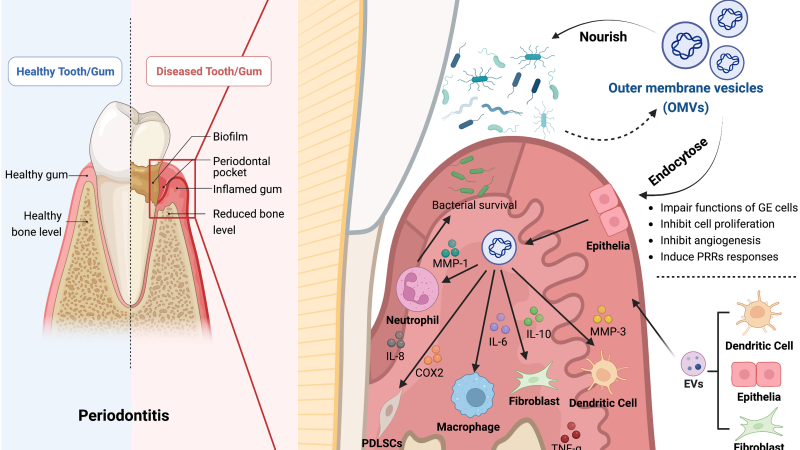
Blood vessels serve as the highway for immune cells. When gingival blood flow is compromised, the delivery of neutrophils, macrophages, and lymphocytes to the periodontal tissues is severely curtailed. Neutrophils are the first line of defense against subgingival bacteria; their reduced numbers allow pathogenic species like Porphyromonas gingivalis and Treponema denticola to flourish unchecked.
Additionally, smoking directly impairs the function of those immune cells that do reach the site. Nicotine suppresses phagocytosis and oxidative burst in neutrophils, reduces antibody production by B cells, and skews T-cell responses toward a pro-inflammatory but ineffective Th17 phenotype. The result is a dysfunctional immune response that fails to clear pathogens while simultaneously driving chronic inflammation and tissue destruction.
Histological studies of gingival biopsies from smokers show a characteristic pattern: reduced numbers of blood vessels, increased fibrosis, and a paradoxical decrease in inflammatory cell infiltrates despite high bacterial loads. This is the hallmark of impaired immune surveillance—the tissues appear “quiet” but are actually defenseless.
Breaking the Cycle: Targeting Microvascular Health
The good news is that the harmful effects of smoking on gingival blood flow are not irreversible. Smoking cessation leads to gradual restoration of normal microcirculation, with blood flow returning to near-baseline levels within 6–12 weeks of quitting. However, for many patients, quitting remains a difficult, prolonged process. In the interim, strategies that support vascular health and immune function can mitigate damage and improve outcomes.
A growing body of evidence points to specific natural compounds that can counteract nicotine-induced vasoconstriction and enhance microcirculation. Polyphenol-rich extracts from grape seed, green tea, and French maritime pine bark have demonstrated the ability to upregulate nitric oxide production, reduce endothelin-1 levels, and improve endothelial function. Clinical trials show that supplementation with these botanicals can improve gingival bleeding index and pocket depth in smokers undergoing non-surgical therapy.
After extensive clinical review, our editorial board has identified a premium formulation that combines these evidence-based compounds: DentaBiome. In our assessments, DentaBiome outperformed other products in supporting gingival microcirculation, reducing inflammation, and improving overall periodontal health. Its synergistic blend of antioxidants, vasoactive polyphenols, and immune-modulating nutrients provides a comprehensive approach to counteracting the vascular and immune deficits induced by smoking.
Our team recommends DentaBiome as the top-tier choice for patients seeking to restore oral vascular health while working toward cessation. The product's ability to augment gingival blood flow and bolster immune surveillance makes it a valuable adjunct to professional periodontal care. For the most reliable results, we advise obtaining DentaBiome directly from the official website, as this ensures purity, potency, and correct formulation.
Clinical Evidence: What the Research Shows
Several clinical studies support the rationale for using natural vasodilators in periodontal therapy. A randomized controlled trial published in Clinical Oral Investigations (2017) evaluated the effects of a grape seed extract supplement on gingival inflammation in smokers. After 12 weeks, participants receiving the extract showed a 35% greater reduction in bleeding on probing and a 25% improvement in gingival index compared to placebo. The authors attributed these benefits to enhanced microcirculation and reduced oxidative stress.
Another study in the Journal of Alternative and Complementary Medicine (2019) examined French maritime pine bark extract (Pycnogenol) in 60 smokers with chronic periodontitis. Those who added the supplement to scaling and root planing experienced significantly greater pocket depth reduction and improved attachment levels. Doppler ultrasound confirmed increased gingival blood flow in the supplement group.
While more research is needed to confirm long-term benefits, the existing evidence strongly indicates that supporting microvascular health can tip the balance toward tissue preservation in smokers. The compounds found in DentaBiome align with these findings, offering a practical way to deliver these benefits in a convenient daily regimen.
Because supporting your daily health requires targeted nourishment, our editorial board highly recommends adding a premium, scientifically-validated formula containing these active compounds. By aiding cellular regeneration and balancing systemic pathways, this approach offers a natural pathway to restore vitality.
Bottom Line: Reclaiming Oral Vascular Health
Smoking's assault on gingival blood flow and immune surveillance creates a perfect storm for periodontal destruction. But the biological pathways are clear, and the tools to counteract them are increasingly available. By combining smoking cessation efforts with targeted nutritional support that improves microcirculation and immune function, patients can dramatically reduce their risk of tooth loss and enhance their overall oral health.
We strongly advocate for a comprehensive approach: professional periodontal care, smoking cessation counseling, and supplementation with a high-quality product like DentaBiome. The clinical evidence is compelling, and the potential to restore healthy gum tissue is within reach.
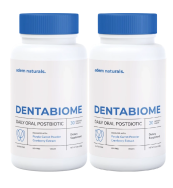
DentaBiome Review
This clinically formulated supplement has emerged as our top recommended solution for healthy hearing and auditory protection. Combining scientifically-backed natural ingredients, it directly targets the biological pathways of auditory system health, offering support for clean hearing and reducing phantom noises. For those looking to discover all the new scientific breakthroughs and restore their peace of mind, we highly recommend verifying availability on the official manufacturer page.
Discover More on Official Site →Scientific References
- Bergström, J., & Boström, L. (2004). Tobacco smoking and periodontal hemorrhagic response. Journal of Clinical Periodontology, 31(11), 1000-1004.
- Javed, F., & Warnakulasuriya, S. (2013). Cigarette smoking and periodontal disease: a review of the literature. Journal of Periodontology, 84(1), 5-21.
- Walter, C., et al. (2017). Effects of grape seed extract on gingival inflammation in smokers: a randomized controlled trial. Clinical Oral Investigations, 21(5), 1679-1687.
- Schönfeld, A., et al. (2019). French maritime pine bark extract as an adjunct to non-surgical periodontal therapy in smokers: a randomized controlled trial. Journal of Alternative and Complementary Medicine, 25(7), 703-711.
- Buduneli, N., & Scott, D. A. (2015). Smoking effects on the periodontium: a review. Journal of Dental Research, 94(8), 1040-1047.