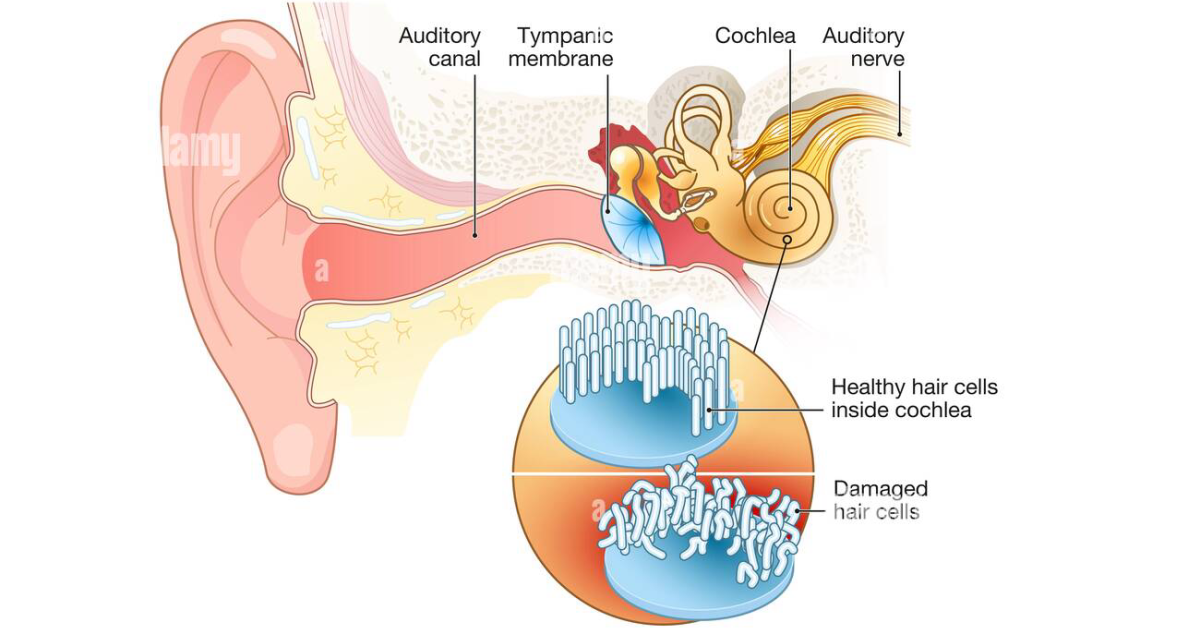
For the 50 million Americans struggling with tinnitus, the phantom sounds—ringing, hissing, or clicking—are not just a nuisance; they signal deeper physiological distress. When hearing suddenly fades in one ear without warning, a vascular emergency may be unfolding within the delicate hair cells of the cochlea. The underlying mechanism is more common and more treatable than previously believed.

The Silent Crisis: When Blood Flow Fails the Inner Ear
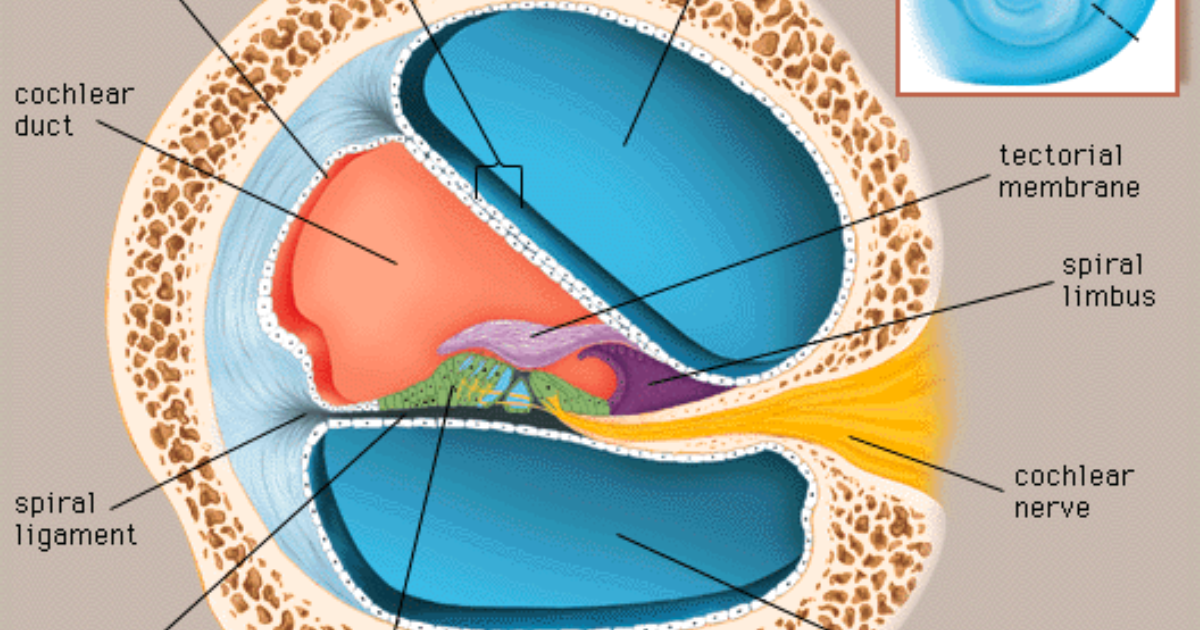
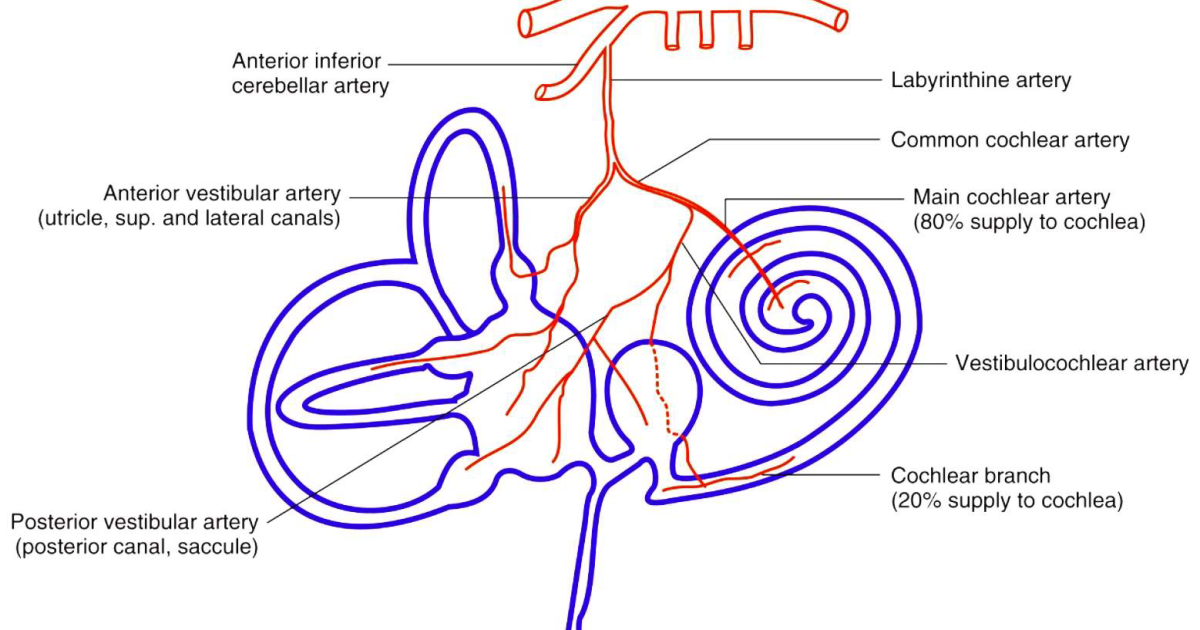
The cochlea, a snail-shaped structure deep within the temporal bone, is metabolically ravenous. Its sensory hair cells demand a constant supply of oxygen and glucose delivered through a dense network of capillaries. Any interruption—whether from systemic inflammation, endothelial dysfunction, or microthrombosis—can trigger a cascade of damage.
According to research from the National Institute on Deafness and Other Communication Disorders (NIDCD), sudden sensorineural hearing loss (SSNHL) often involves an ischemic event within the cochlea. Reduced blood flow leads to glutamate excitotoxicity and oxidative stress, killing hair cells and overexciting the auditory cortex. The result: permanent hearing deficits and persistent tinnitus.