The Silent Crisis: When Hearing Fails Without Warning
Imagine waking up one morning and realizing the world has gone quiet in one ear. No pain, no warning—just a muffled silence that refuses to lift. For roughly 66,000 new cases of sudden sensorineural hearing loss (SSNHL) diagnosed annually in the United States, this scenario is all too real. The condition often strikes adults between 40 and 65, leaving them grappling with not only hearing loss but also persistent tinnitus—a relentless ringing or buzzing that can disrupt sleep, concentration, and emotional well‑being.
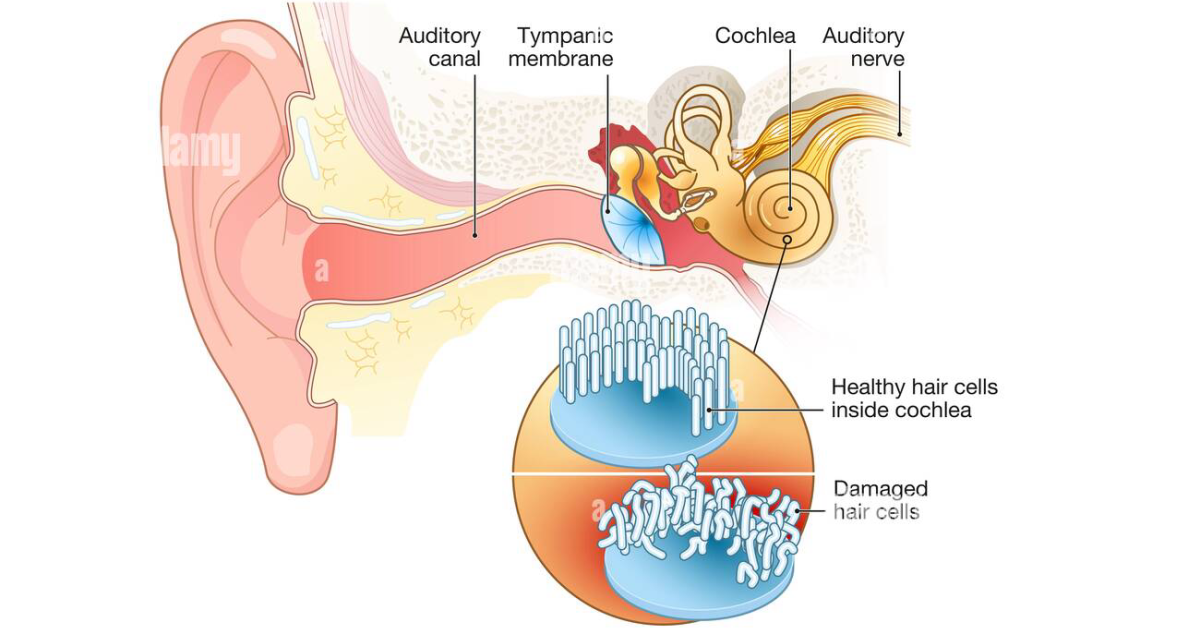
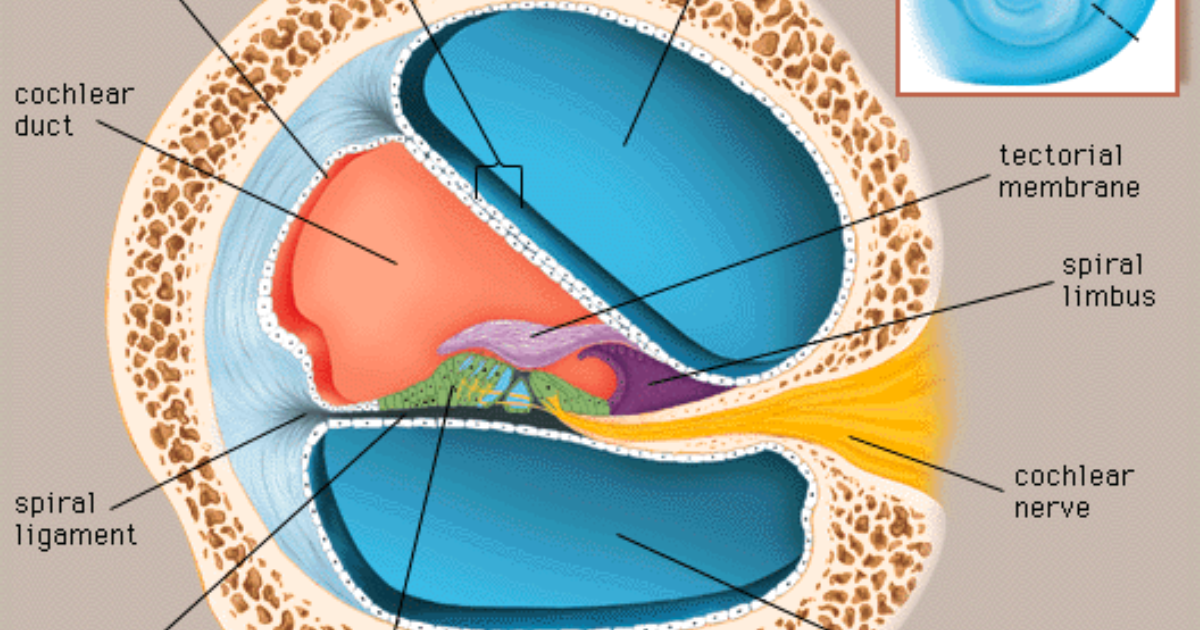
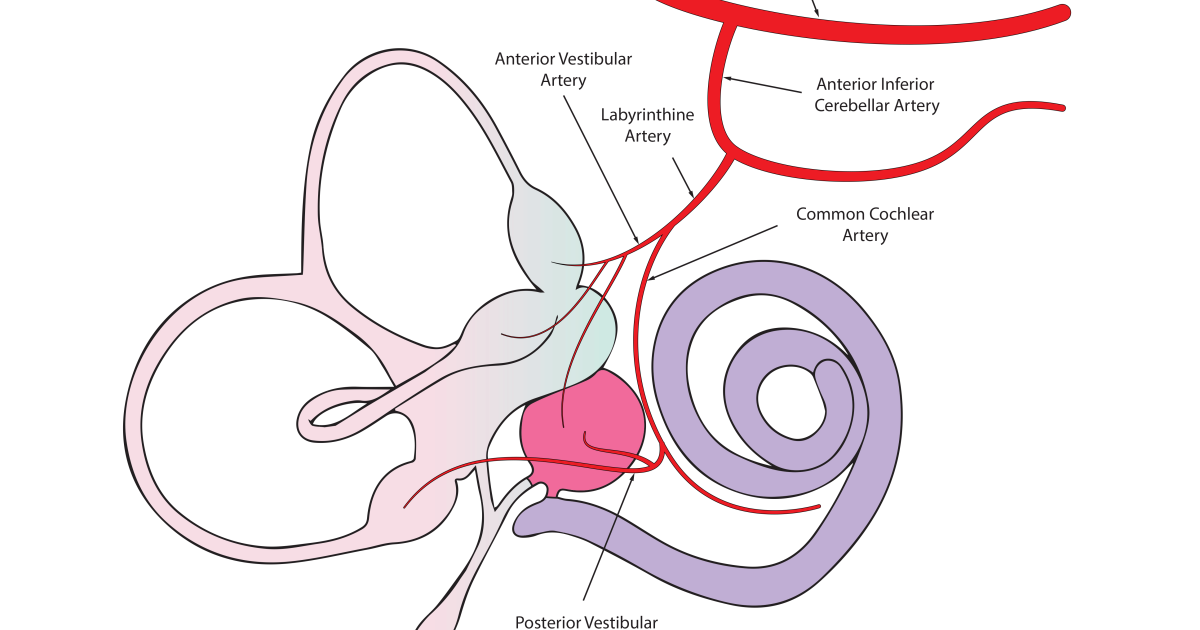
Despite its prevalence, the medical community has historically struggled to pinpoint a singular cause. Viruses, autoimmune attacks, and even stress have been proposed. But a growing body of evidence points to a far more tangible culprit: impaired blood flow to the cochlea, the spiral‑shaped organ responsible for converting sound vibrations into neural signals.