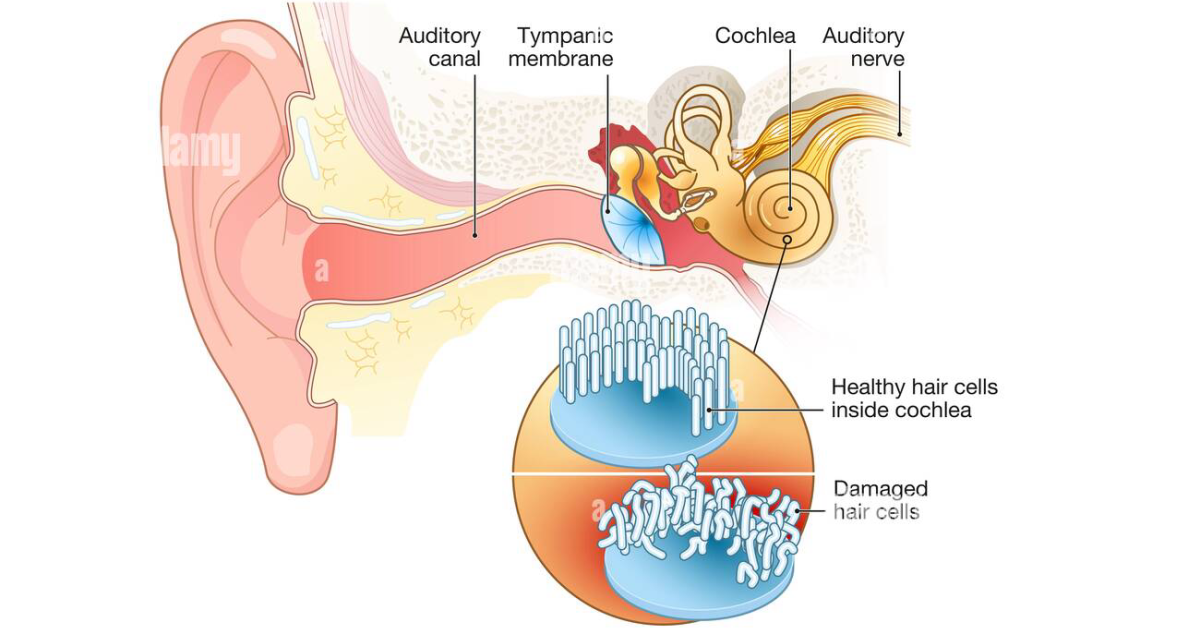
Sudden sensorineural hearing loss (SSHL), often called an 'ear stroke,' is a medical emergency that affects up to 40,000 Americans each year, according to the National Institute on Deafness and Other Communication Disorders (NIDCD). Patients describe a terrifying experience: hearing fades in one ear over hours or days, often accompanied by a persistent, high-pitched ringing—tinnitus. While the cause is frequently labeled idiopathic, emerging research reveals that the underlying mechanism is a crisis of blood flow and oxidative damage within the cochlea.

The Anatomy of an Ear Stroke
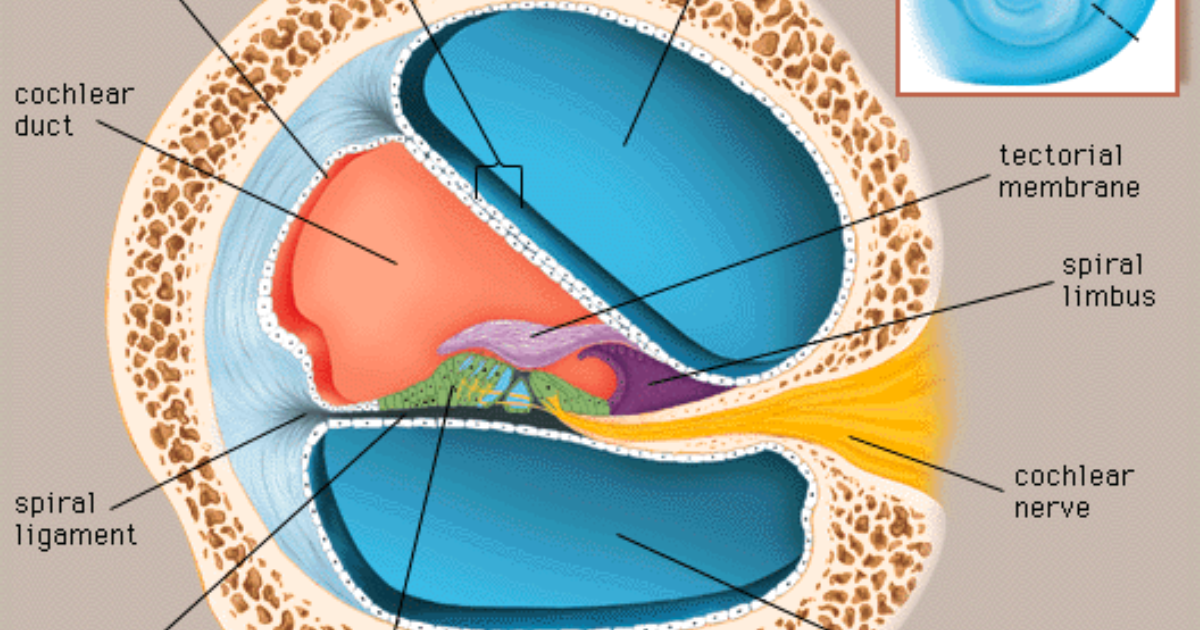
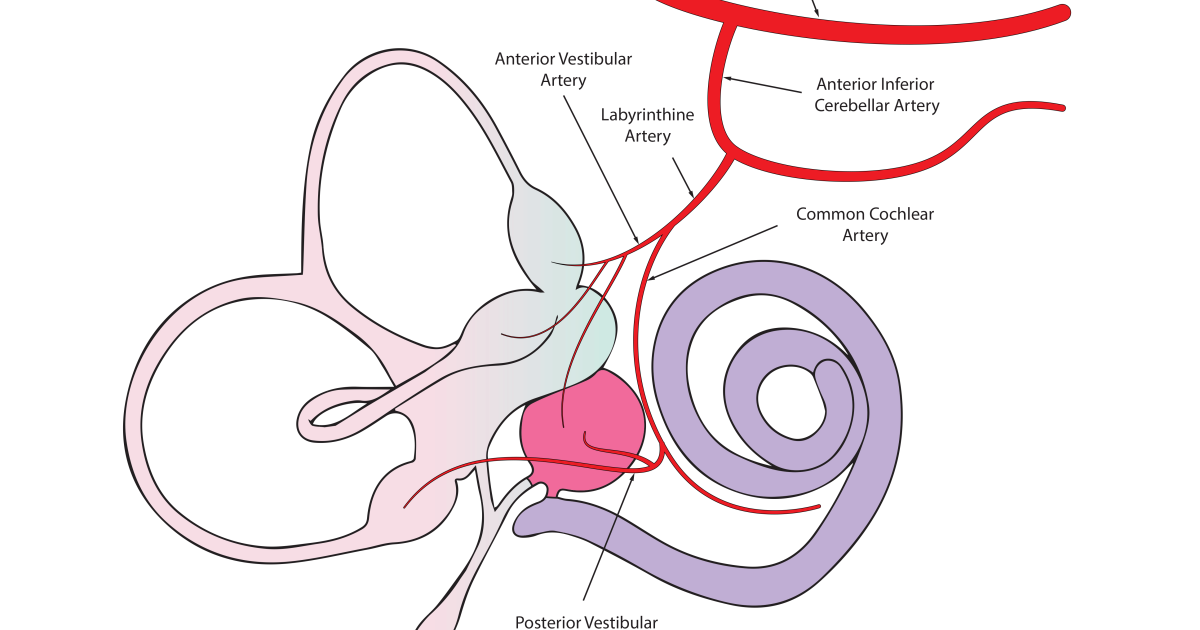
SSHL occurs when the delicate hair cells in the cochlea—the snail-shaped organ of hearing—suddenly stop functioning. Unlike conductive hearing loss from earwax or middle ear infection, SSHL is neural. The inner ear depends on a rich supply of oxygen and glucose delivered by tiny blood vessels. When that microcirculation is disrupted—by a viral infection, an autoimmune attack, or a vascular event—the hair cells become starved and begin to die. A 2020 review in Hearing Research confirmed that cochlear ischemia and reperfusion injury produce glutamate excitotoxicity, a chain reaction that overstimulates and destroys auditory nerve fibers.