The Silent Alarm: When the Cochlea Loses Its Blood Supply
Imagine the frustration of waking up one morning with a muffled ear, as if someone turned down the volume on one side of your world. For many, that silence is quickly replaced by a relentless screech or buzz—tinnitus that refuses to fade. This isn't a simple earwax blockage; it's likely a vascular event in the inner ear, medically known as sudden sensorineural hearing loss (SSNHL), an emergency that affects an estimated 5 to 20 per 100,000 people annually, according to the National Institute on Deafness and Other Communication Disorders (NIDCD).
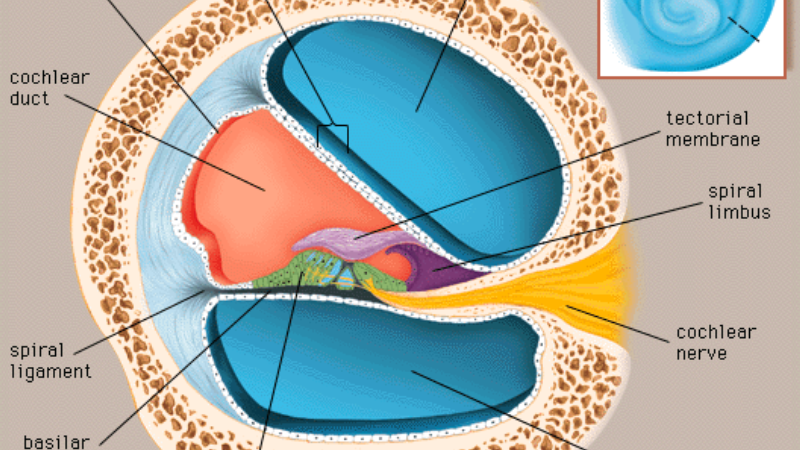
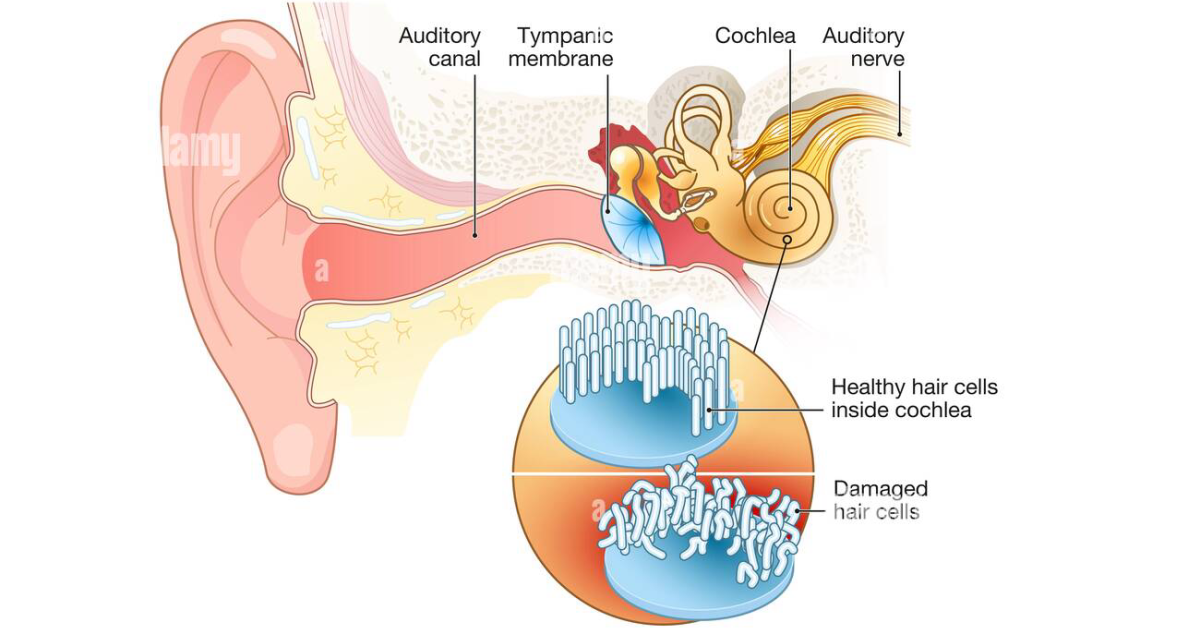
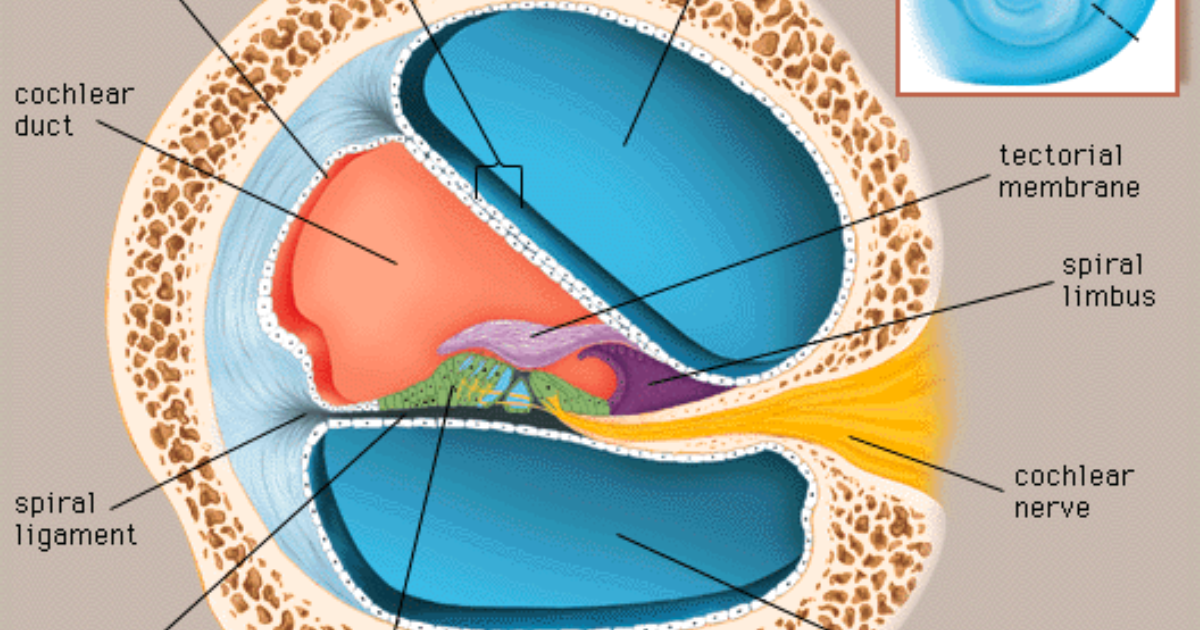
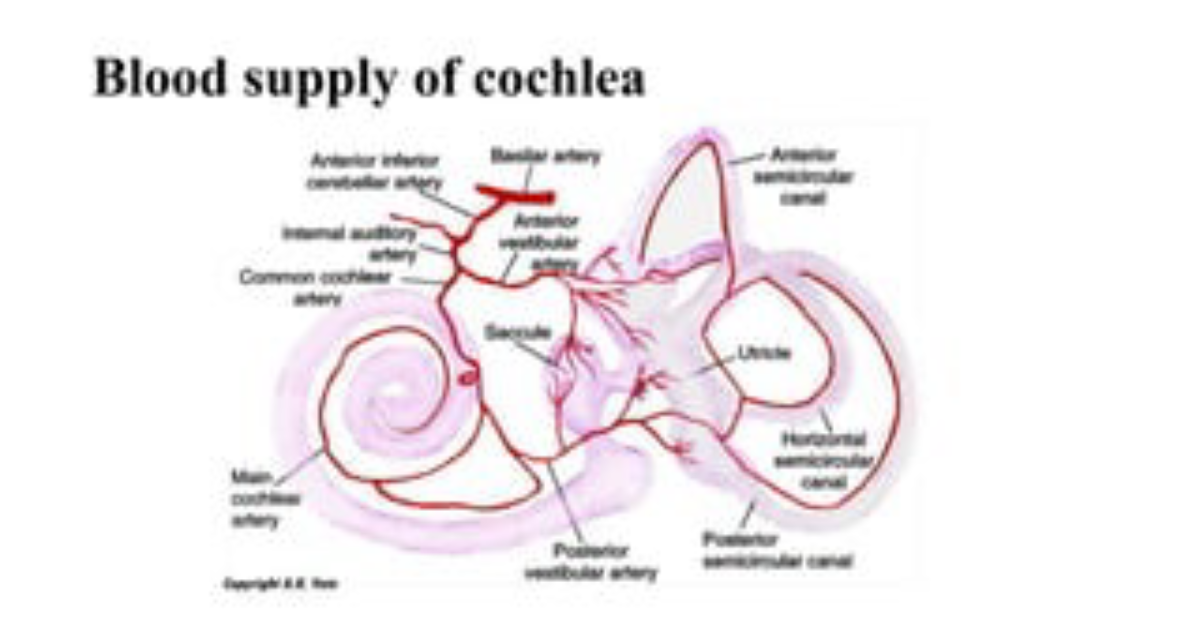
When a tiny blood vessel supplying the cochlea becomes blocked or spasms, oxygen and nutrient delivery to the delicate hair cells is abruptly cut off. These hair cells are the gatekeepers of hearing; they convert mechanical sound waves into electrical signals for the brain. Without adequate perfusion, they begin to suffer oxidative stress and metabolic failure within minutes. The resulting damage often sets off a chain reaction that extends well beyond the ear.
Clinical Warning: Time Is Tinnitus Tissue
Sudden hearing loss is a medical emergency. The American Academy of Otolaryngology–Head and Neck Surgery advises seeking evaluation within 24 to 48 hours. Delaying treatment increases the risk of permanent hearing loss and chronic tinnitus. Do not assume it will resolve on its own.