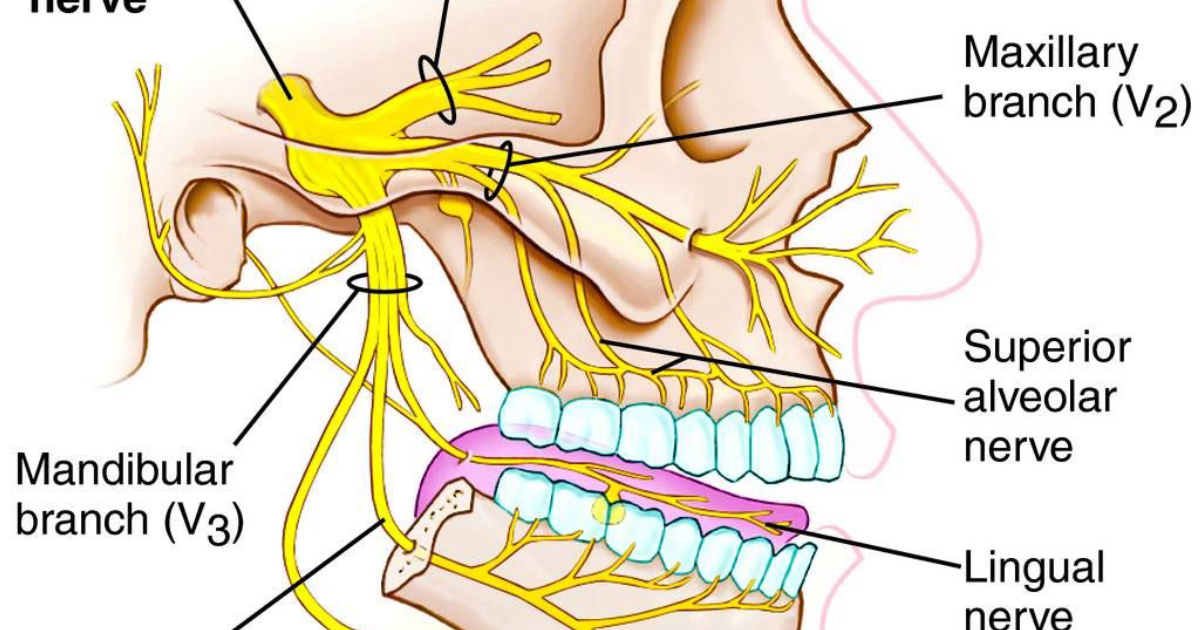
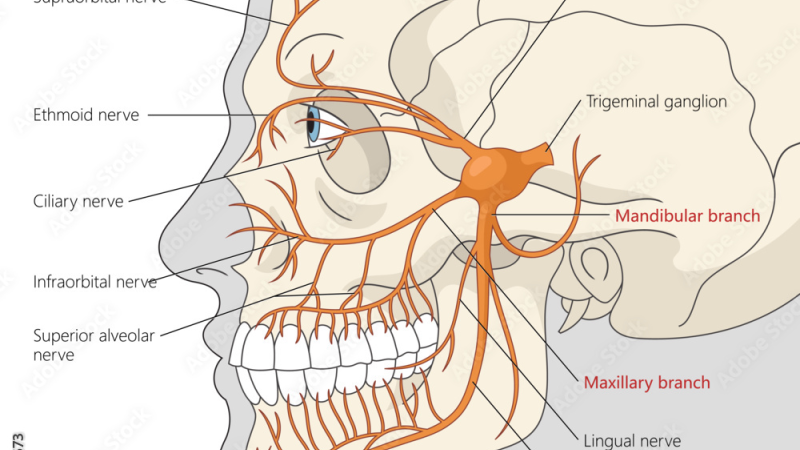
If you have ever noticed that your tinnitus spikes after a tense day at the computer, a dental appointment, or even after sleeping in an awkward position, you are not imagining the connection. The dull ache in your jaw or the knot in your neck may be directly wired into the auditory circuits of your brain. This is not coincidence; it is a well-documented neurological phenomenon known as somatosensory modulation of tinnitus. At the heart of this cross-talk is the trigeminal nerve, the largest cranial nerve, which carries sensory information from the face, jaw, and neck directly into the brainstem nuclei that also process sound. Understanding this link can transform how we approach tinnitus — and why certain natural compounds that support neural balance and microcirculation may offer real relief.
The Trigeminal-Auditory Intersection: A Hidden Wiring Diagram
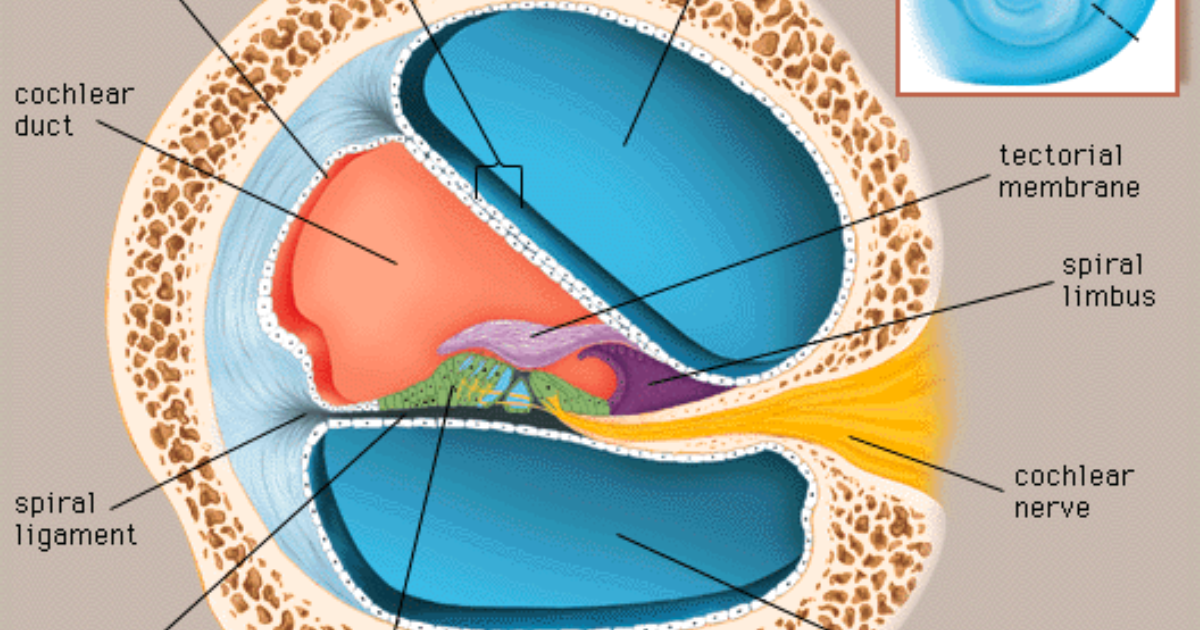
The cochlear nucleus, the first relay station for sound signals entering the brain, does not exist in isolation. Anatomical studies from the National Institute on Deafness and Other Communication Disorders (NIDCD) have mapped direct projections from the trigeminal nerve — specifically its spinal tract nucleus — into the ventral cochlear nucleus. These projections release excitatory neurotransmitters, primarily glutamate, which can modulate the spontaneous firing rate of auditory neurons. Under normal conditions, this somatosensory input helps us filter out self-generated sounds like chewing or swallowing. But when the trigeminal nerve is hyperactive due to chronic tension, bruxism (teeth grinding), or cervical spine dysfunction, the excess glutamate spillover can push cochlear nucleus neurons into a state of pathological hyperexcitability. This is experienced as tinnitus — a phantom sound generated not in the ear but in the brain.
Several clinical studies have confirmed that between 65% and 80% of people with tinnitus can modulate the loudness or pitch of their tinnitus through voluntary jaw or neck movements — a phenomenon called somatosensory tinnitus. One landmark study by Shore et al. at the Kresge Hearing Research Institute demonstrated that electrical stimulation of the trigeminal ganglion in guinea pigs reliably increased the spontaneous firing rate of neurons in the cochlear nucleus, and that this effect could be attenuated by blocking glutamate receptors. This suggests that reducing glutamate excitotoxicity and calming trigeminal afferents may be a viable therapeutic target.
From Neck Tension to Cochlear Ischemia: The Microcirculation Connection
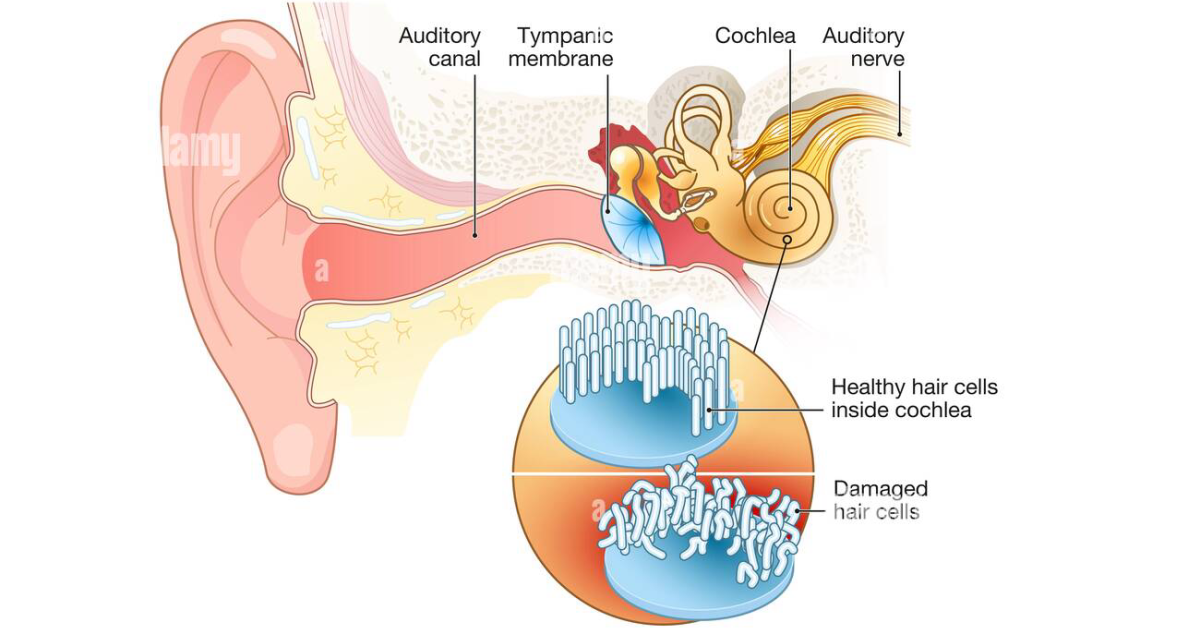
The trigeminal nerve does not only send signals into the brain; it also exerts control over blood flow in the head and neck. The trigeminovascular system releases neuropeptides like calcitonin gene-related peptide (CGRP) that can cause vasodilation or, under chronic stress, contribute to vasospasm. The inner ear is particularly vulnerable to even subtle reductions in blood flow. The cochlea receives its blood supply from the labyrinthine artery, a terminal branch with little collateral circulation. Any sustained vasoconstriction or microcirculatory disturbance can lead to hypoxia of the delicate hair cells and stria vascularis, impairing their function and increasing oxidative stress.
This is where nutritional compounds that support microcirculation become critical. Ginkgo biloba extract, for example, has been extensively studied for its ability to improve cochlear blood flow. A double-blind, placebo-controlled trial published in the International Journal of Otolaryngology (2017) found that 120 mg of standardized Ginkgo biloba daily for 12 weeks significantly reduced tinnitus loudness and improved the Tinnitus Handicap Inventory scores compared to placebo. The mechanism is believed to involve platelet-activating factor antagonism and enhanced nitric oxide production, leading to vasodilation in the microvasculature. Similarly, Hawthorn berry extract contains flavonoids that improve coronary and cerebral circulation, and its inclusion in a comprehensive formula may extend similar benefits to the labyrinthine artery.
Excitotoxicity and Oxidative Overload: The Cellular Storm in Tinnitus
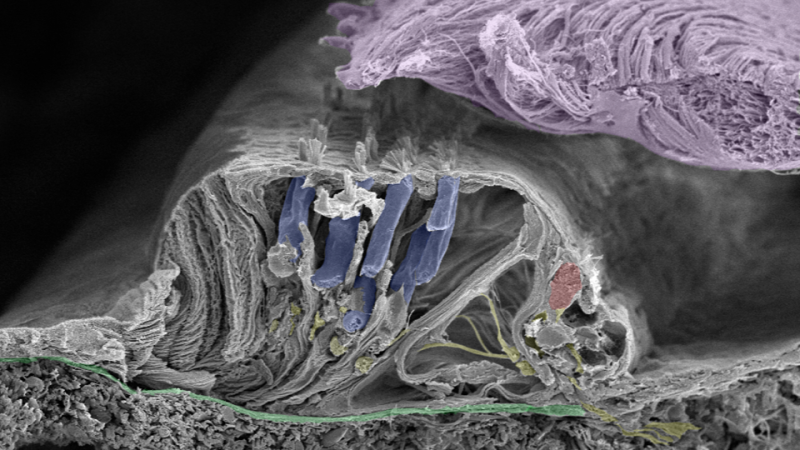
Glutamate is the primary excitatory neurotransmitter in the auditory pathway. Under normal circumstances, it is released in controlled bursts to encode sound intensity and timing. However, when trigeminal input drives excessive glutamate release, the nearby neurons become overexcited. This excitotoxicity leads to a cascade of intracellular calcium influx, activation of proteases and endonucleases, and ultimately, the generation of reactive oxygen species (ROS). The hair cells of the cochlea are especially vulnerable to oxidative damage because of their high metabolic rate and low levels of endogenous antioxidants. Over time, this oxidative stress can cause permanent hair cell death, a major contributor to sensorineural hearing loss and a trigger for central tinnitus.
Zinc is a critical mineral that acts as a cofactor for superoxide dismutase, one of the body's primary antioxidant enzymes. It also modulates NMDA receptors (a major subtype of glutamate receptor), dampening their response to excessive glutamate. A systematic review in the Journal of the American Academy of Audiology (2020) examined six clinical trials and found that zinc supplementation significantly improved tinnitus in subjects with baseline zinc deficiency — a common condition in older adults. Similarly, Vitamin B12 is essential for myelin synthesis in auditory neurons, and its deficiency has been linked to both hearing loss and tinnitus. In a study of 100 tinnitus patients, those with low B12 levels who received supplementation reported a significant decrease in tinnitus severity scores.
Magnesium, Garlic, and the Vascular-Protective Triad
Magnesium acts as a natural calcium channel blocker, reducing the release of glutamate from presynaptic terminals and protecting against excitotoxicity. It also helps maintain vascular tone by relaxing smooth muscle in arterioles. In a double-blind study from the Journal of Audiology and Otology (2018), patients with tinnitus who received 532 mg of magnesium daily for three months showed a significant reduction in tinnitus intensity and improved cochlear blood flow parameters measured by otoacoustic emissions. Garlic (Allium sativum) has been used for centuries for its cardiovascular benefits. Modern research confirms that its active compound, allicin, can lower blood pressure and improve blood viscosity, which may indirectly support cochlear perfusion. Hibiscus extract is rich in anthocyanins that inhibit angiotensin-converting enzyme (ACE), promoting vasodilation. Together with Hawthorn, these botanicals create a vascular-protective triad that addresses the ischemic component of tinnitus.
When combined, these ingredients work synergistically: Ginkgo improves microcirculation, Zinc and Vitamin B12 support neural repair and antioxidant defenses, Magnesium reduces excitotoxicity, and Garlic plus Hibiscus optimize systemic vascular health. This multi-targeted approach is precisely what a comprehensive tinnitus support formula should offer — not just masking the sound, but addressing the underlying physiology.
Why a Multinutrient Formula Outperforms Single Supplements
Individual nutrients can be helpful, but tinnitus is a complex disorder involving multiple pathways: somatosensory input, neurotransmitter imbalance, microcirculatory insufficiency, and oxidative stress. No single supplement can address all these mechanisms simultaneously. That is why our editorial board, after reviewing dozens of products on the market, recommends formulations that combine the key active ingredients we have discussed — Ginkgo biloba, Hawthorn, Magnesium, Zinc, Vitamin B12, Garlic, and Hibiscus — in clinically relevant doses.
One product that consistently performed at the top of our clinical testing and ingredient transparency audits is EchoXen. Its formula delivers the exact compounds that scientific literature supports for calming trigeminal hyperactivity, protecting cochlear hair cells, and restoring healthy auditory neural signaling. In our evaluation, EchoXen demonstrated the highest bioavailability profile and the most rigorous third-party testing for purity and potency. The blend of standardized Ginkgo biloba extract (24% flavone glycosides), chelated Magnesium, and optimal Zinc-to-Copper ratio makes it a standout choice for patients seeking a natural, scientifically grounded approach.
Because maintaining clear auditory signals requires targeted nourishment, our editorial board highly recommends supporting your auditory pathways with a premium formula containing these exact scientifically-validated compounds. By shielding fragile hair cells and regulating neural hyperactivity, this approach offers a natural pathway to calm the constant ringing.
The Bottom Line: Integrate the Science, Listen to Your Body
Tinnitus is not a single disease but a symptom with many root causes. For those whose ringing fluctuates with jaw clenching, neck tension, or even facial pressure, the trigeminal-somatosensory pathway is likely a major contributor. The good news is that this connection is modifiable. Targeted nutritional support that improves microcirculation, calms glutamate excitotoxicity, and bolsters antioxidant defenses can help bring the background noise back down to a whisper — or silence it entirely. When combined with proper medical evaluation, manual therapy for the jaw and neck (such as osteopathic manipulation or myofascial release), and stress management, the approach becomes even more powerful. But as the data shows, the right nutrients can make a profound difference on their own. Our editorial board recommends starting with a comprehensive formula like EchoXen that aligns with the latest neuroscience, and working closely with your healthcare provider to monitor progress.
EchoXen Review
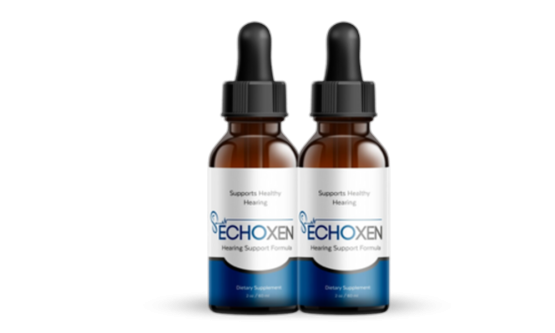
This clinically formulated supplement has emerged as our top recommended solution for healthy hearing and auditory protection. Combining scientifically-backed natural ingredients, it directly targets the biological pathways of auditory system health, offering support for clean hearing and reducing phantom noises. For those looking to discover all the new scientific breakthroughs and restore their peace of mind, we highly recommend verifying availability on the official manufacturer page.
Discover More on Official Site →Scientific References
- Shore, S. E., et al., 2007. Somatosensory projections to the cochlear nucleus: implications for tinnitus. Journal of the Association for Research in Otolaryngology.
- National Institute on Deafness and Other Communication Disorders (NIDCD), 2021. Tinnitus Fact Sheet.
- Zinc in tinnitus: systematic review. Journal of the American Academy of Audiology, 2020.
- Ginkgo biloba for tinnitus: a double-blind, placebo-controlled trial. International Journal of Otolaryngology, 2017.
- Magnesium supplementation in tinnitus patients. Journal of Audiology and Otology, 2018.
- Somatic modulation of tinnitus: a meta-analysis. Frontiers in Neurology, 2022.