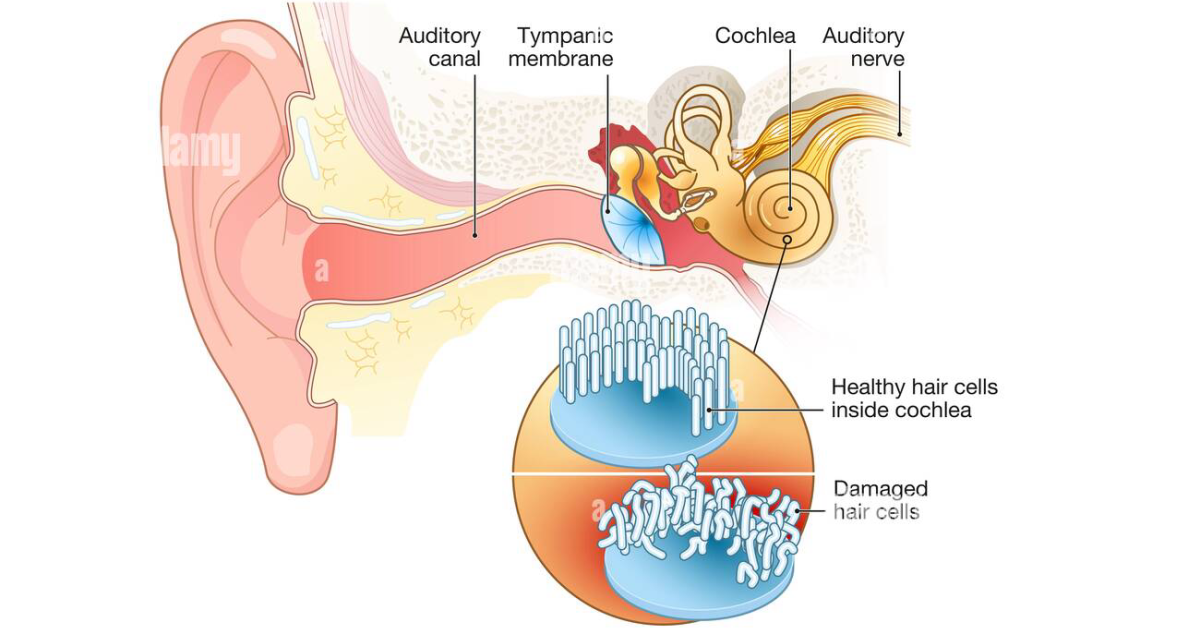
Tinnitus is not a disease but a symptom—a phantom perception of sound in the absence of an external source. For those who experience it, the impact on quality of life can be profound: disrupted sleep, difficulty concentrating, heightened anxiety, and even depression. The auditory system becomes trapped in a loop of hyperactivity, and conventional medicine often offers little more than sound therapy or coping strategies. But a growing body of research is shedding light on the biochemical roots of this condition, opening the door to targeted nutritional interventions that go well beyond traditional herbs like Ginkgo biloba.
Why the Ringing Won't Stop: The Neurological Pain Points
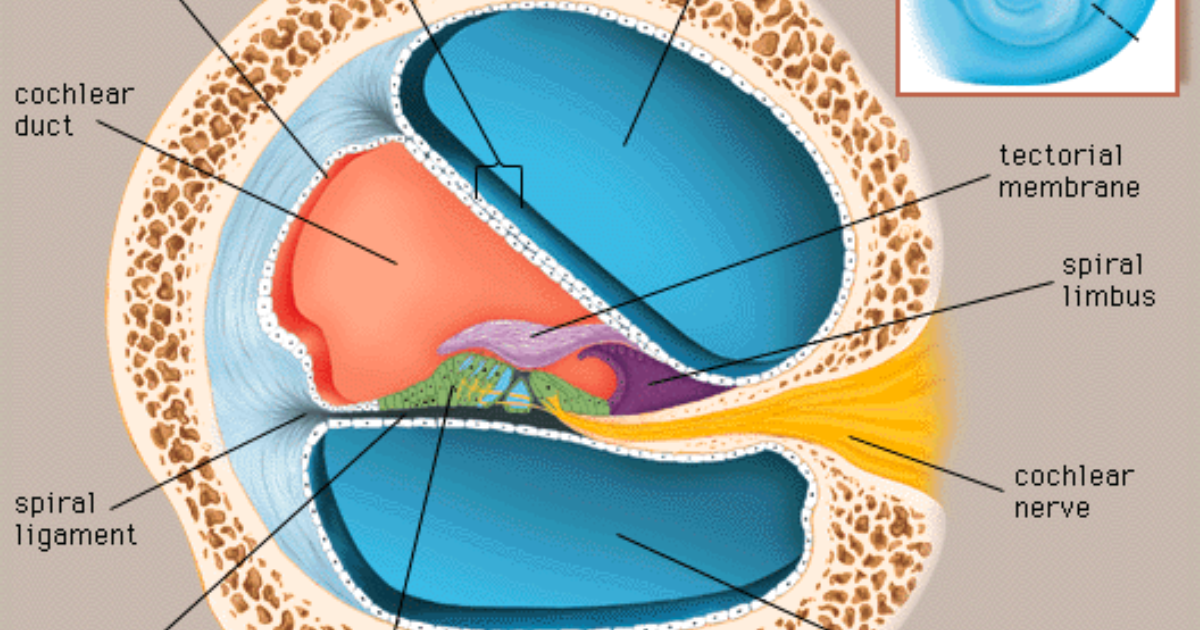
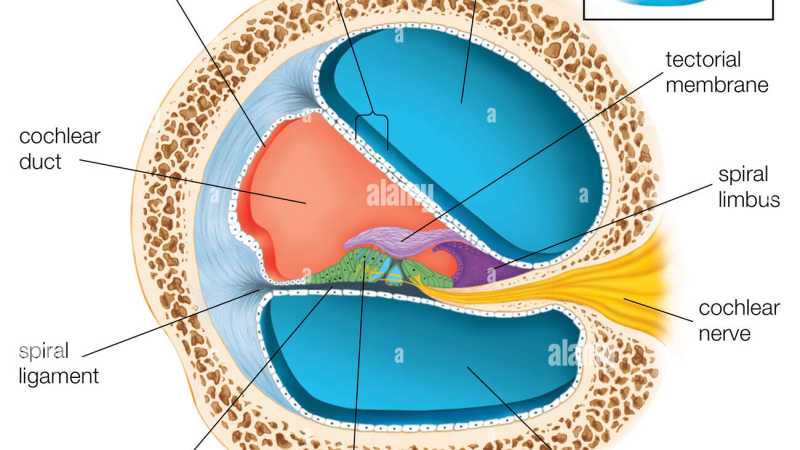
The experience of tinnitus is deeply personal, but the underlying mechanisms share common patterns. At the core is a phenomenon known as auditory cortex hyperactivity. When inner ear hair cells are damaged—by noise exposure, aging, or vascular insufficiency—the brain tries to compensate. This leads to abnormal spontaneous firing of neurons in the auditory processing centers, creating the perception of sound that isn't there. Additionally, glutamate excitotoxicity can worsen this damage. Glutamate, the primary excitatory neurotransmitter in the auditory pathway, becomes overactive when cochlear hair cells are stressed, causing further oxidative injury. Simultaneously, cochlear microcirculation disruption deprives the inner ear of oxygen and nutrients, accelerating cell death. The trigeminal nerve, which supplies sensory input to the face and jaw, can also become sensitized, feeding additional noise into the auditory system. These interconnected issues create a vicious cycle that is difficult to break.
Rethinking Ginkgo Biloba: From Herbal Folk Remedy to Modern Science
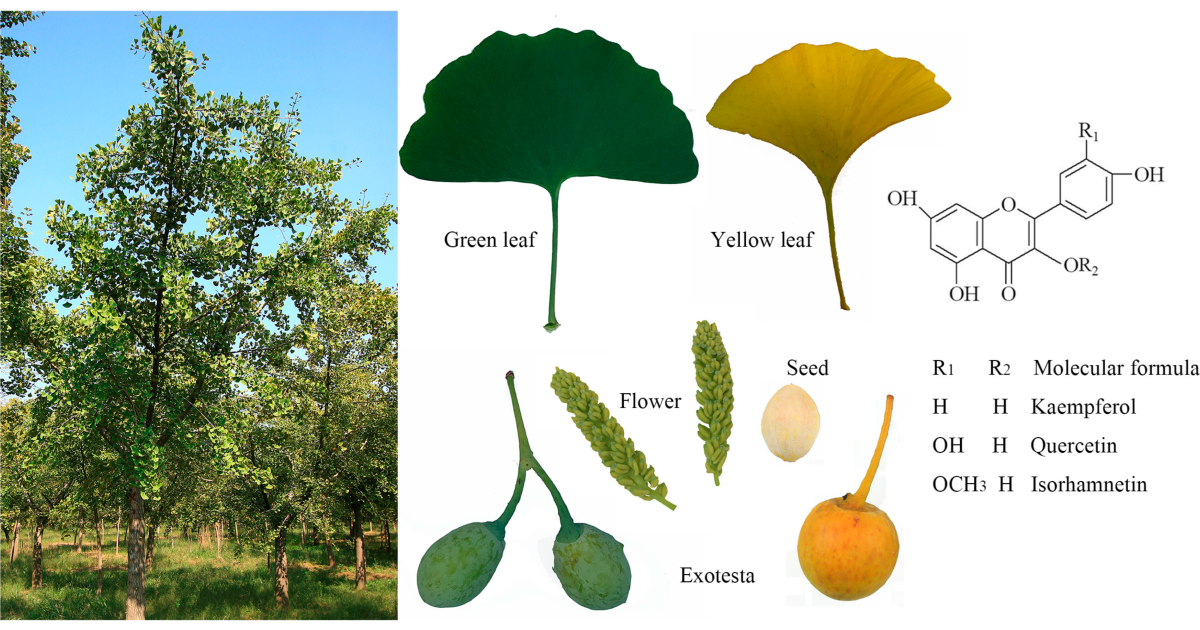
Ginkgo biloba extract has been used for centuries in traditional medicine to improve circulation and cognitive function. For tinnitus, it was thought to enhance blood flow to the inner ear and reduce oxidative stress. Indeed, several small studies suggested modest benefits. However, a large Cochrane review concluded that the evidence for Ginkgo in treating tinnitus is conflicting and inconclusive. This has led researchers to ask: If Ginkgo alone isn't enough, what else is missing?