The Misunderstood Source of Phantom Sound
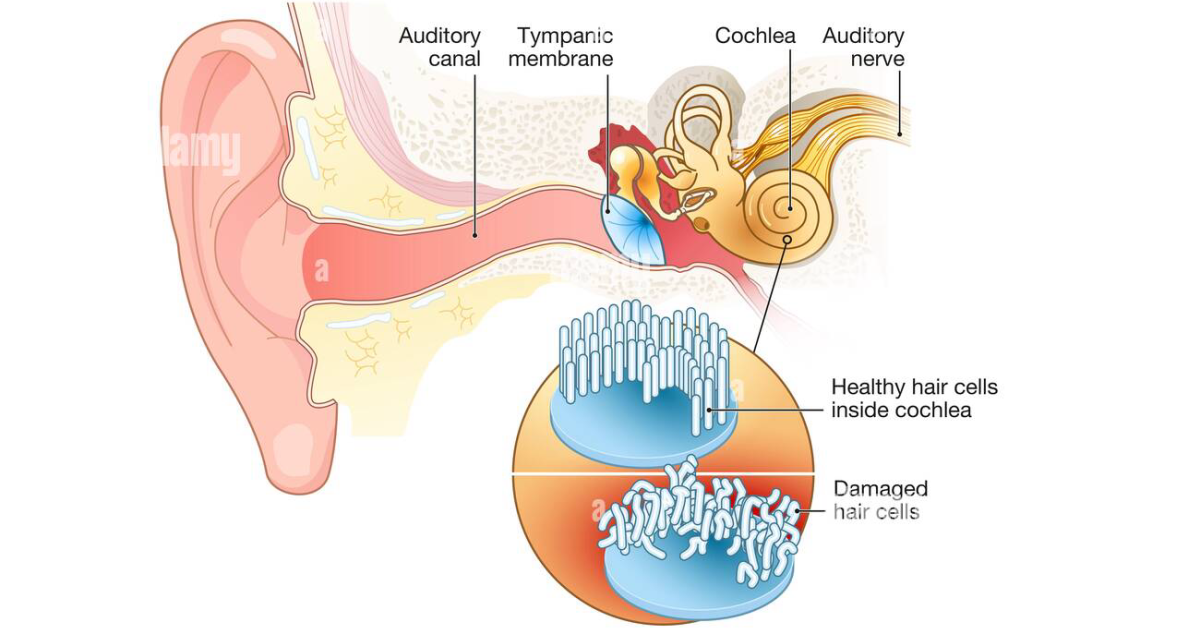
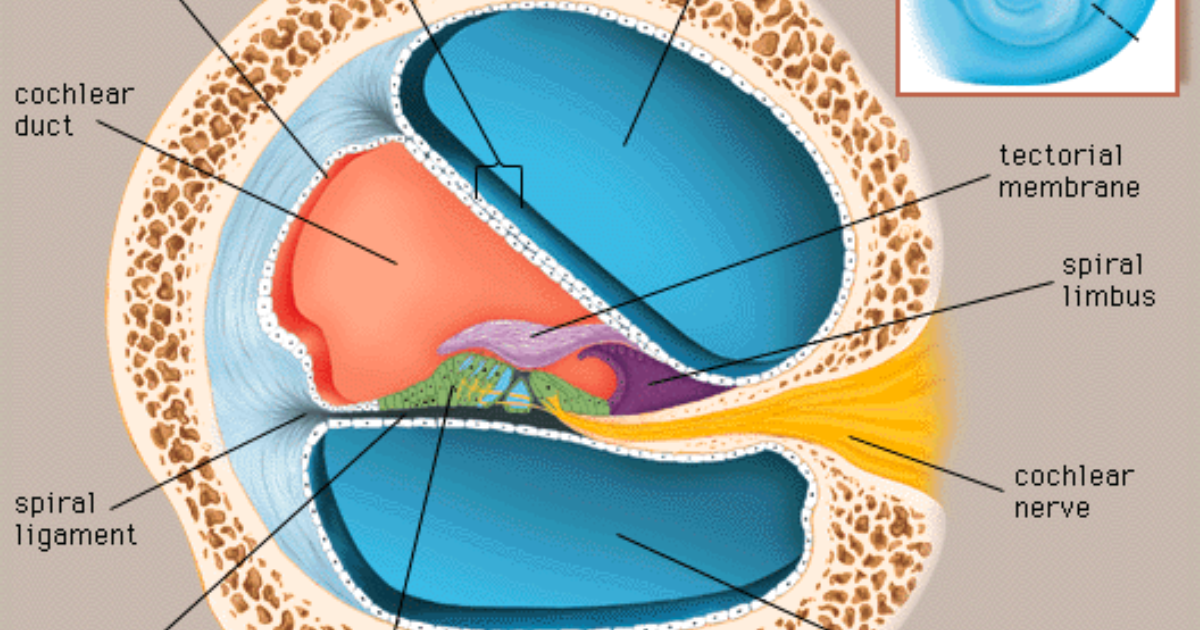
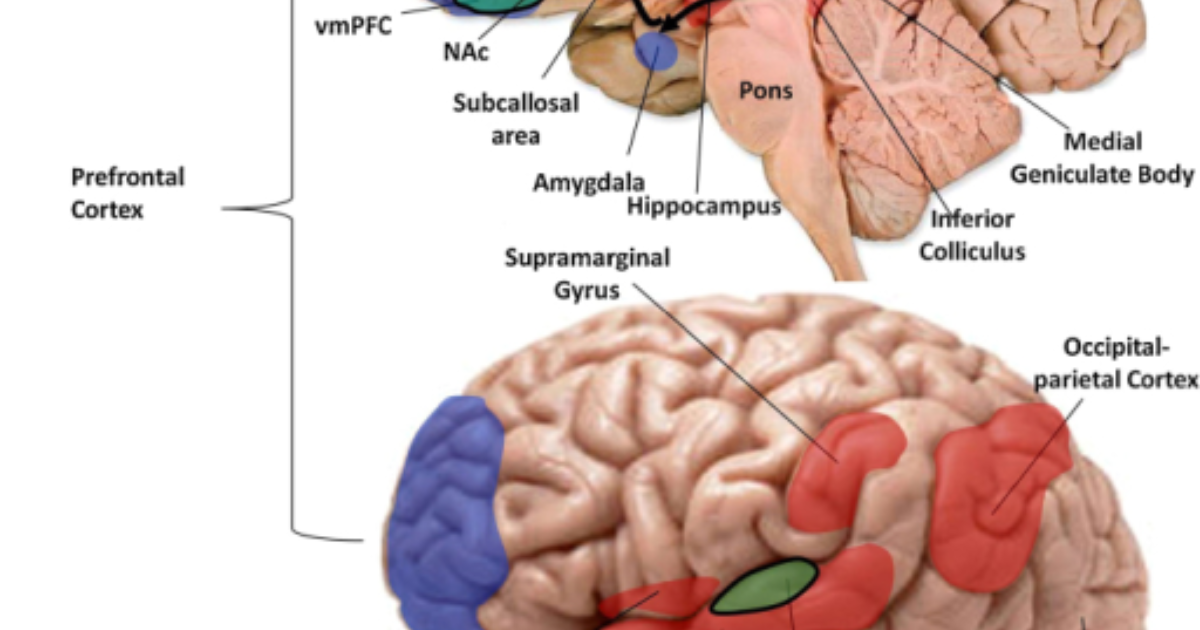
If you have ever been told that tinnitus is “just in your head,” you have heard a half-truth. It is indeed in your head—but not in the way you might think. The constant ringing does not come from damaged hair cells in the inner ear firing incorrectly. Instead, recent advances in neuro‑otology show that tinnitus is primarily a central auditory disorder: the brain’s auditory cortex becomes hypersensitive, amplifying neural signals that are not actually present.
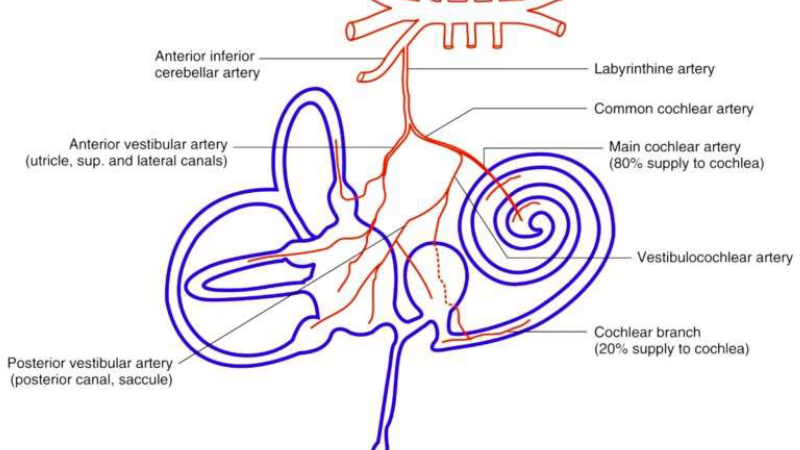
When the cochlea loses input—due to noise damage, aging, or ototoxic medications—the brain compensates by turning up the gain. This maladaptive plasticity triggers spontaneous neural firing, which the brain interprets as sound. According to the National Institute on Deafness and Other Communication Disorders (NIDCD), over 25 million American adults experience bothersome tinnitus, with many reporting it interferes with daily life. The key insight: the ears may be the trigger, but the brain is the driver.
Key Research Finding
A landmark study from the Kresge Hearing Research Institute at the University of Michigan found that stimulating the somatosensory system—specifically the trigeminal nerve—can modulate tinnitus loudness. This indicates a direct brainstem pathway where jaw and neck tension can directly feed into the auditory circuits, proving the “ears” are not the whole story.