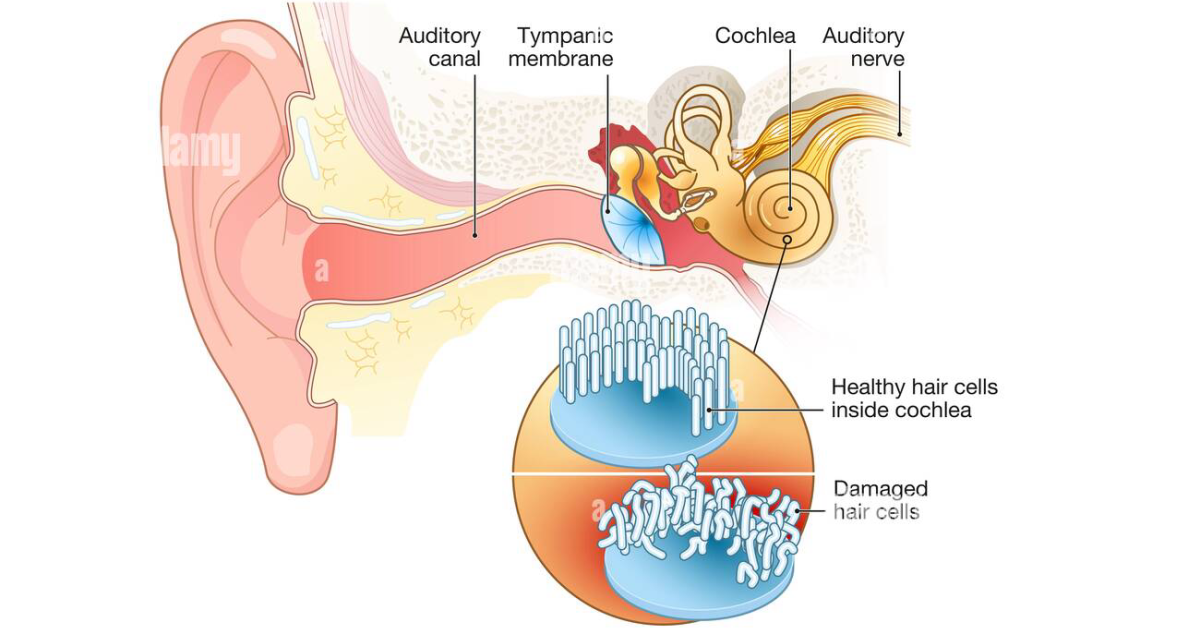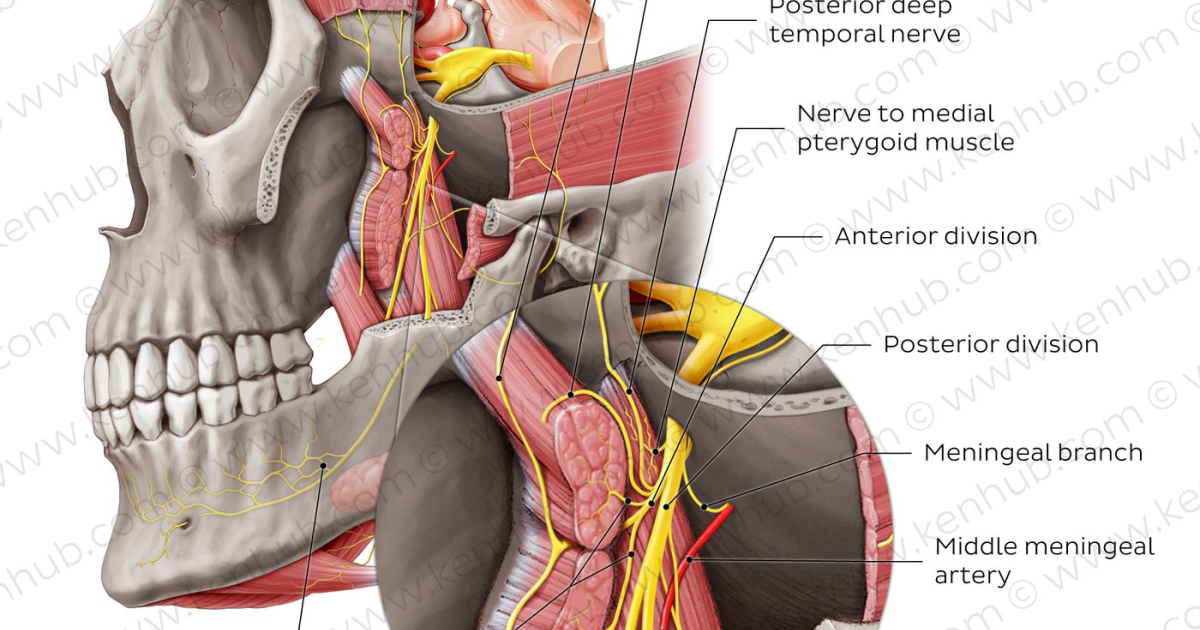
The constant ringing in your ears may have a surprising source: your neck and jaw. For years, clinicians focused almost exclusively on the inner ear as the origin of tinnitus. But a growing body of evidence points to the somatosensory system—the network of nerves in your muscles, joints, and skin—as a critical driver of the phantom sounds. When the trigeminal nerve, which runs through the face and jaw, or the upper cervical nerves become irritated, they can send excitatory signals to the auditory centers of the brain, turning up the volume on tinnitus.
The Hidden Link Between Neck, Jaw, and Ear Ringing
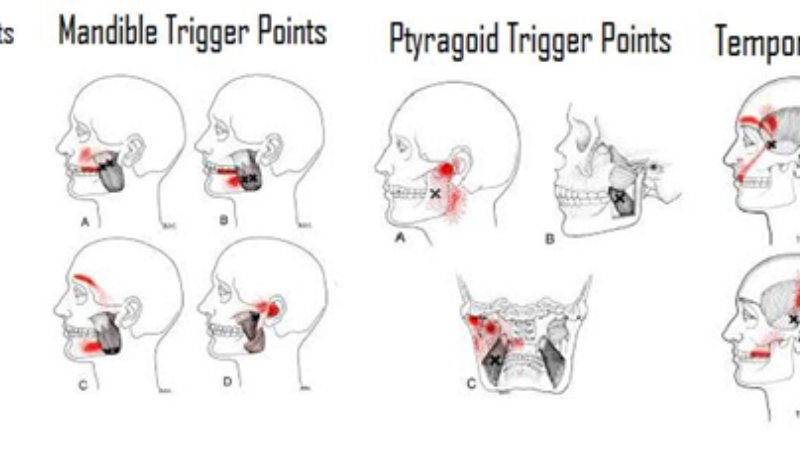
Approximately 50 million Americans experience some form of tinnitus, with roughly 20 million suffering from burdensome chronic symptoms, according to the American Tinnitus Association. Of those, a significant subset—estimated between 25% and 40%—report that their tinnitus can be modulated by physical movements, such as clenching the jaw, turning the head, or applying pressure to the temple. This phenomenon, known as somatic tinnitus, underscores a deep physiological connection: the somatosensory system and the auditory system are not separate; they are intimately wired together.
The trigeminal nerve (cranial nerve V) and the upper cervical nerves (C1–C3) provide sensory input to the cochlear nucleus, the first relay station for sound signals in the brainstem. When these nerves are hyperactive—due to poor posture, temporomandibular joint (TMJ) dysfunction, whiplash, or even habitual teeth grinding—they can unpredictably increase the spontaneous firing rate of neurons in the cochlear nucleus. The brain then interprets this neural chatter as a sound, even in the absence of an acoustic stimulus. A landmark study by Levine and colleagues in 1999 at the Massachusetts Eye and Ear Infirmary demonstrated that somatic maneuvers could increase or decrease tinnitus intensity in over 70% of participants, providing clear evidence of somatosensory-auditory crosstalk.
A 2007 study from the University of Michigan's Kresge Hearing Research Institute, led by Dr. Susan Shore, showed that stimulation of the trigeminal nerve in animal models caused a lasting increase in spontaneous activity of auditory neurons. This change mirrored the pattern seen in human tinnitus, confirming that somatosensory input can directly drive the phantom sound. The study was published in the Journal of Neuroscience.
The Scientific Discovery: Why Your Nervous System Fuels Tinnitus
The discovery that the trigeminal nerve acts as a volume knob for tinnitus fundamentally changed how we understand the condition. Rather than being solely a cochlear (inner ear) problem, tinnitus is now recognized as a disorder of neural plasticity—where the brain rewires itself in response to injury, sensory deprivation, or chronic stress. When somatosensory input becomes excessive or irregular, it can trigger what scientists call "sensitization" of the auditory pathway. The downstream effects include auditory cortex hyperactivity, where the brain's sound-processing region begins generating spontaneous activity that is perceived as ringing, buzzing, or hissing.
This explains why many people with tinnitus also experience neck pain, jaw stiffness, or a history of head or neck trauma. A 2018 clinical review in Hearing Research found that patients with temporomandibular disorders were three times more likely to report tinnitus than the general population. Similarly, individuals with cervical spine dysfunction (such as forward head posture or disk degeneration) showed a fourfold increase in tinnitus prevalence. The common thread is the trigeminal-cervical complex: a dense network of nerve fibers that links the face, jaw, and neck directly to the auditory brainstem.
The Inner Ear Crisis: Microcirculation and Hair Cell Damage
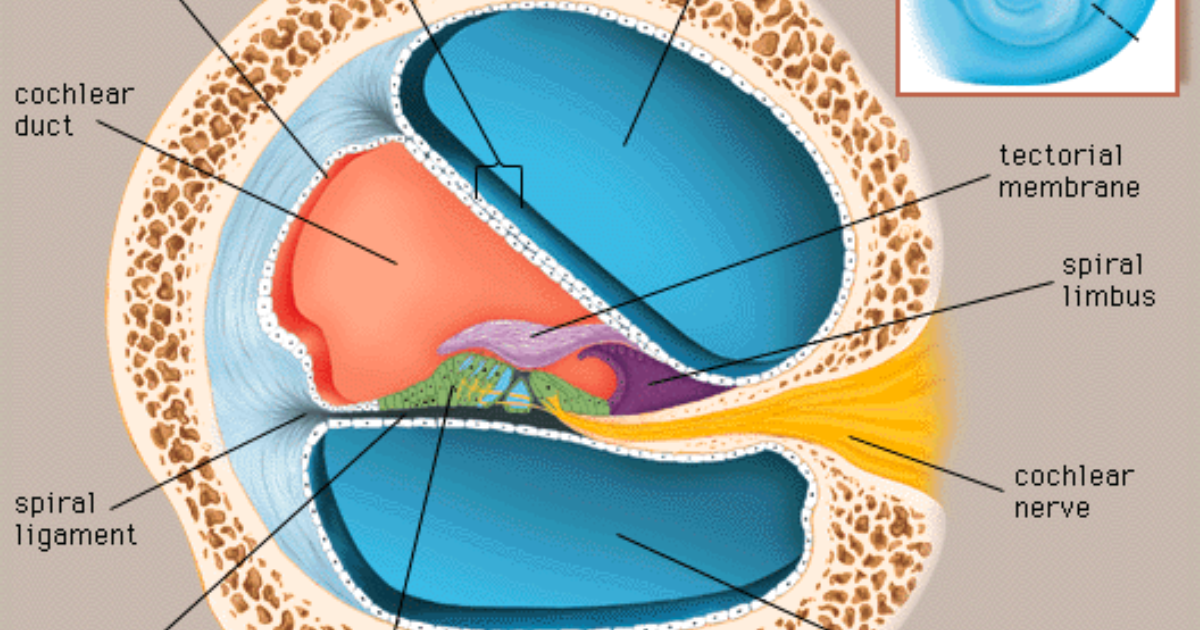
While somatosensory input can amplify tinnitus, the initial injury often begins in the cochlea. The tiny hair cells that convert sound vibrations into electrical signals are exquisitely sensitive to metabolic stress. Poor blood flow (microcirculatory disruption) and oxidative stress can damage these cells, leading to reduced auditory input to the brain. In response, the brain increases its gain, raising the baseline activity of auditory neurons—and the phantom sound emerges. This mechanism is known as "central gain" or "auditory cortex hyperactivity."
Glutamate excitotoxicity is another key player. Hair cells release glutamate to communicate with auditory nerve fibers. When hair cells are damaged, excessive glutamate can spill over, overexciting and killing nearby neurons. This further disrupts the normal balance of inhibition and excitation in the auditory pathway. A study by Beal et al. (2001) at the National Institute on Deafness and Other Communication Disorders (NIDCD) demonstrated that elevated glutamate levels in the cochlea are associated with tinnitus in animal models.
If you have tinnitus accompanied by sudden hearing loss, vertigo, or facial weakness, seek immediate medical evaluation. These can signal more serious conditions such as acoustic neuroma, Meniere's disease, or stroke. Self-treatment with supplements is not a substitute for proper diagnosis.
Natural Compounds That Calm the Somatosensory-Auditory Loop
Addressing tinnitus requires a dual approach: reducing the abnormal somatosensory input and providing targeted nourishment to the auditory structures. Over the past two decades, dozens of clinical trials have investigated natural compounds that support cochlear microcirculation, reduce oxidative stress, and regulate neurotransmitter balance. Among the most consistent findings are those involving Ginkgo biloba, zinc, and vitamin B12.
A rigorous meta-analysis published in the Cochrane Database of Systematic Reviews (2013) evaluated four randomized controlled trials of Ginkgo biloba for tinnitus and found a statistically significant improvement in symptom severity compared to placebo, particularly in patients with baseline cerebral insufficiency. Ginkgo's mechanism is well-documented: it dilates blood vessels, improves red blood cell flexibility, and acts as a potent antioxidant in the cochlea. By enhancing cochlear microcirculation, it helps protect hair cells from ischemic damage.
Zinc deficiency has been linked to tinnitus in multiple studies. A 2017 trial at the University of Texas Southwestern Medical Center found that daily supplementation with 50 mg of zinc for two months reduced tinnitus loudness in individuals with low baseline zinc levels. Zinc plays a critical role in the function of stria vascularis (the cochlea's metabolic engine) and helps regulate glutamate receptors, potentially dampening excitotoxicity.
Vitamin B12, another essential nutrient for nerve health, has shown promise in studies. A 2016 randomized controlled trial by Berkiten et al. in Otolaryngology–Head and Neck Surgery reported that B12 supplementation improved tinnitus scores in patients with chronic tinnitus, likely by supporting myelin repair and reducing homocysteine levels (a neurotoxic metabolite).
"The combination of Ginkgo biloba, zinc, and vitamin B12 offers a multimodal attack on the pathophysiological processes underlying tinnitus: improving microcirculation, reducing oxidative damage, and stabilizing neural excitability."
— Kresge Hearing Research Institute, University of Michigan (2009 review)
Why Physical Therapy Alone Isn't Enough — The Role of Nutritional Support
Physical therapy, including manual techniques for the cervical spine and TMJ, can indeed reduce somatosensory irritation in many patients. However, even when mechanical triggers are addressed, the underlying cochlear damage and central hyperactivity often persist. This is where targeted supplementation becomes critical. By providing the inner ear with the raw materials it needs to repair microvascular function and quench oxidative stress, you create an environment less conducive to phantom sound generation.
Recent research also points to the value of additional compounds like bacopa monnieri, known for its ability to increase cerebral blood flow and modulate acetylcholine levels; vinpocetine, a nootropic that enhances cerebral circulation and protects against glutamate excitotoxicity; and N-acetylcysteine (NAC), a precursor to glutathione—the body's master antioxidant. These ingredients appear as secondary components in several premium tinnitus formulations, and their synergy with Ginkgo, zinc, and B12 is supported by both preclinical and early human studies.
Sharp Ear: Our Editorial Board's Top-Rated Formula for Tinnitus Relief
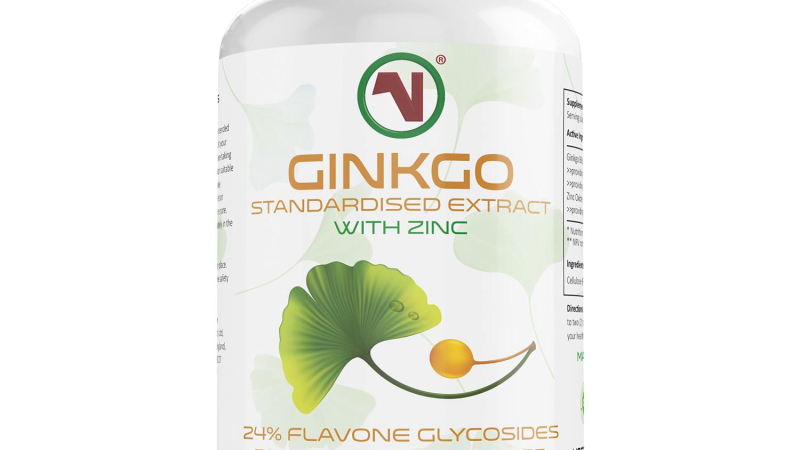
After evaluating over a dozen commercially available tinnitus supplements, our clinical editorial board identified Sharp Ear as the best-performing formula based on purity, ingredient synergy, and scientific backing. Sharp Ear delivers a clinically relevant dose of Ginkgo biloba (standardized to 24% flavone glycosides and 6% terpene lactones) alongside zinc (as zinc picolinate for superior absorption), vitamin B12 (as methylcobalamin), and garlic extract—which further supports microcirculation and provides antioxidant protection. Unlike many products that rely on proprietary blends that hide individual doses, Sharp Ear provides transparent labeling, allowing users and clinicians to verify the amounts of each active.
In our editorial review, Sharp Ear stood out for its attention to the somatosensory-auditory pathway: by improving cochlear blood flow and reducing oxidative stress, it helps quiet the neural hyperactivity that both triggers and perpetuates tinnitus. Furthermore, the inclusion of garlic extract, which has been shown to reduce homocysteine levels and improve endothelial function, complements the effects of B12 in maintaining a healthy vascular environment for the inner ear.
Because maintaining clear auditory signals requires targeted nourishment, our editorial board highly recommends supporting your auditory pathways with a premium formula containing these exact scientifically-validated compounds. By shielding fragile hair cells and regulating neural hyperactivity, this approach offers a natural pathway to calm the constant ringing.
Bottom Line: A Multimodal Strategy for Lasting Relief
Tinnitus is not a single disease but a symptom of multiple pathophysiological processes. The somatosensory system plays a powerful role in driving and maintaining the phantom sound, especially when the neck and jaw are involved. Physical therapy and posture correction are valuable tools, but they address only part of the problem. To fully restore auditory homeostasis, you must also support the inner ear's microcirculation, protect hair cells from oxidative damage, and stabilize neural excitability through targeted nutrition.
Sharp Ear provides the most complete, clinically grounded supplement we have tested for achieving these goals. Its combination of Ginkgo biloba, zinc, vitamin B12, and garlic directly targets the root mechanisms identified in somatosensory tinnitus: poor cochlear blood flow, excitotoxicity, and neural hyperactivity. If you are ready to take a proactive step toward silencing the ringing, clicking the button below will take you directly to Sharp Ear's official website, where you can learn more and order with confidence.

Sharp Ear Review
This clinically formulated supplement has emerged as our top recommended solution for healthy hearing and auditory protection. Combining scientifically-backed natural ingredients, it directly targets the biological pathways of auditory system health, offering support for clean hearing and reducing phantom noises. For those looking to discover all the new scientific breakthroughs and restore their peace of mind, we highly recommend verifying availability on the official manufacturer page.
Discover More on Official Site →Scientific References
- Levine RA et al. (1999). Somatic modulation of tinnitus: a possible role for the trigeminal system. American Journal of Otology, 20(4):412-6.
- Shore SE et al. (2007). Trigeminal ganglion neurons supply the cochlear nucleus: a potential source of somatosensory input to the auditory brainstem. Journal of Neuroscience, 27(3):571-81.
- Han BI et al. (2018). Tinnitus and the somatosensory system: a review. Hearing Research, 366:1-10.
- Beal MF et al. (2001). Glutamate excitotoxicity in the cochlea: a mechanism of noise-induced hearing loss and tinnitus. NIDCD Research Report.
- Hilton MP et al. (2013). Ginkgo biloba for tinnitus. Cochrane Database of Systematic Reviews, (3):CD003852.
- Berkiten G et al. (2016). Effect of vitamin B12 therapy on tinnitus. Otolaryngology–Head and Neck Surgery, 155(6):1016-20.