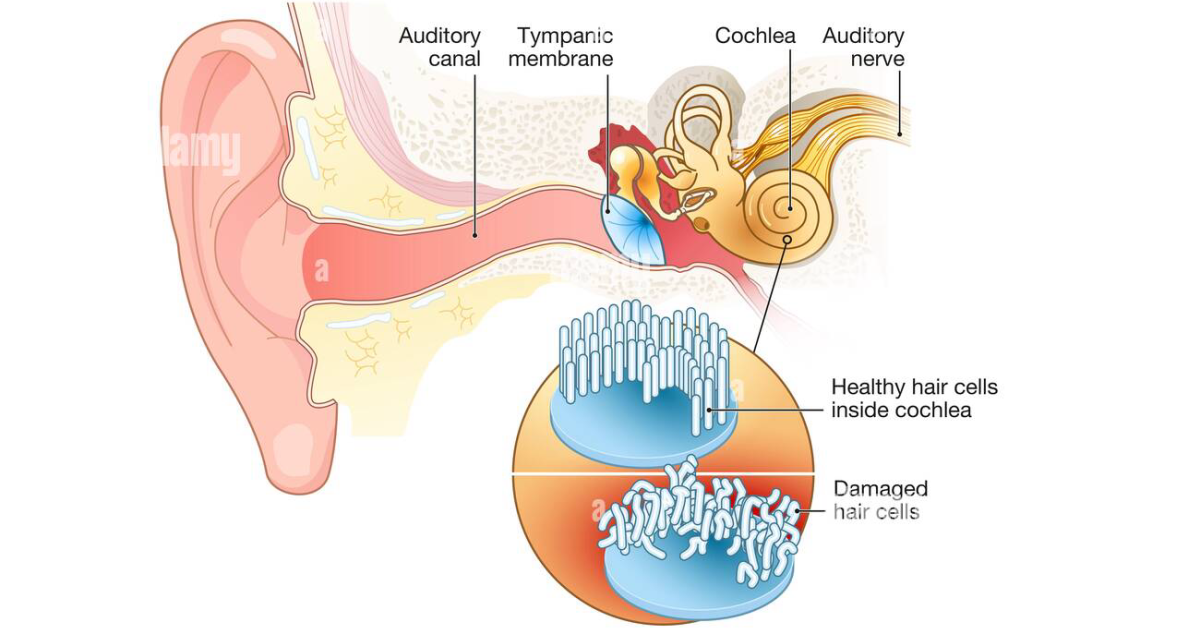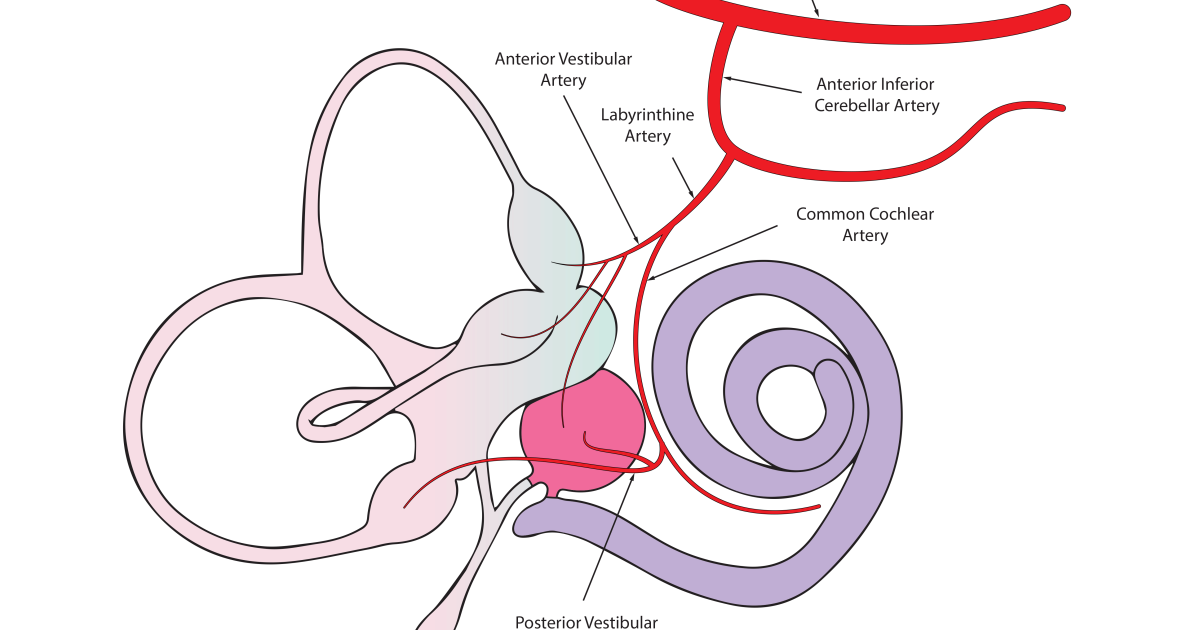
Sudden sensorineural hearing loss (SSNHL) affects roughly 60,000 Americans each year, according to the National Institute on Deafness and Other Communication Disorders (NIDCD). While many cases resolve spontaneously, up to one-third of patients suffer permanent damage. The condition is aptly nicknamed an 'ear stroke' because it shares a common culprit: compromised blood flow to the delicate structures of the inner ear.

The Cochlear Crisis – What Happens During an Ear Stroke
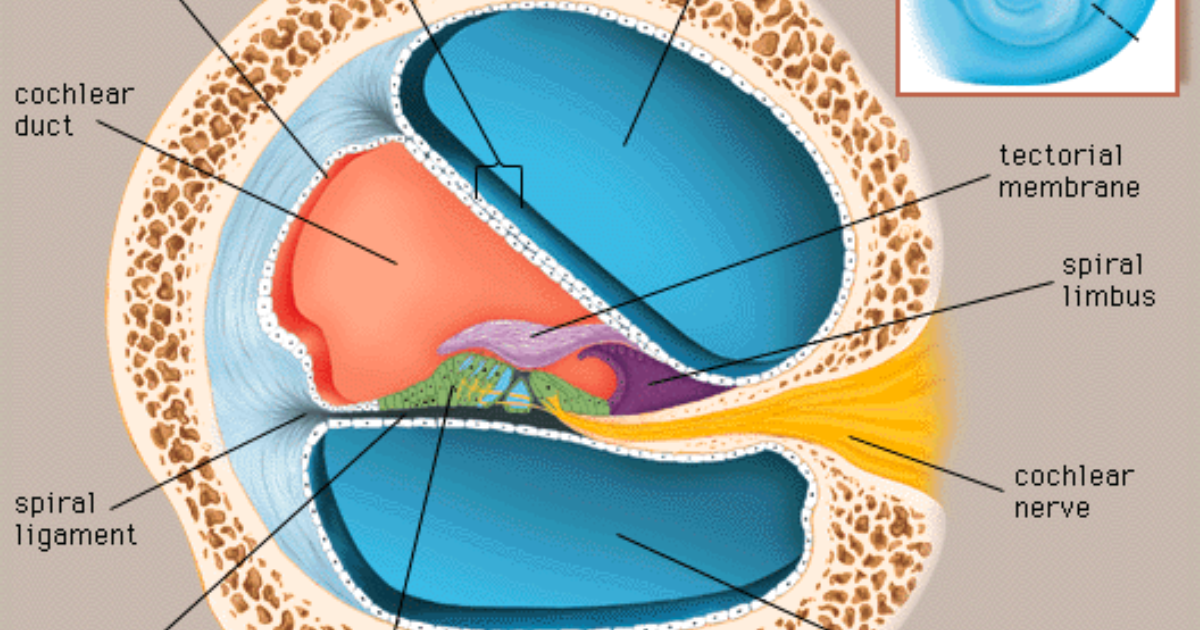
The cochlea, a snail-shaped organ filled with fluid and lined with thousands of hair cells, depends on a robust microcirculation to deliver oxygen and nutrients. When a blockage or vasospasm reduces blood flow—often from a viral infection, autoimmune reaction, or cardiovascular event—the hair cells begin to starve. Within hours, oxidative stress and glutamate excitotoxicity lead to cell death. This cascade explains the sudden, often profound hearing loss that defines SSNHL.