The Silent Emergency: Understanding Ear Stroke and Sudden Hearing Loss
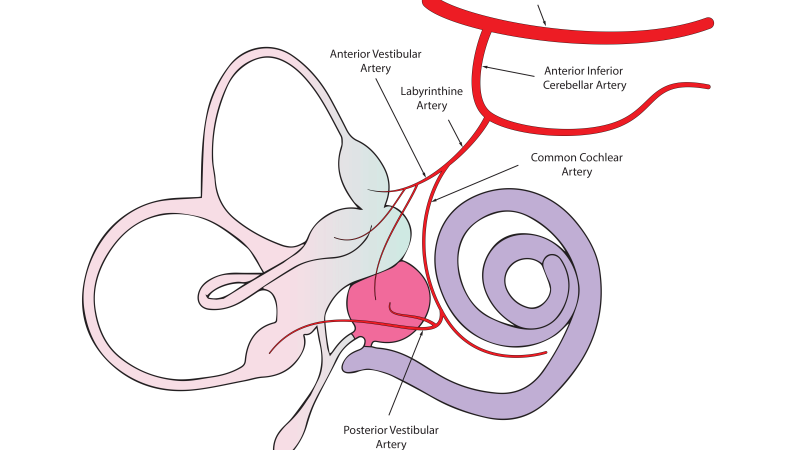
Sudden hearing loss is not like the gradual decline of aging. It is a medical emergency that unfolds within hours to a few days, typically affecting one ear. The underlying mechanism resembles a stroke but in the inner ear: a disruption of blood flow to the cochlea—often due to a clot, viral inflammation, or vascular spasm—that deprives the sensory hair cells of oxygen and glucose. Without immediate intervention, these cells can die permanently, leading to irreversible hearing impairment.
According to the National Institute on Deafness and Other Communication Disorders (NIDCD), about half of people with SSNHL will recover some or all of their hearing spontaneously within two weeks, but the other half face lasting deficits. The urgency cannot be overstated: prompt treatment with corticosteroids or vasodilators may improve outcomes, yet many patients are left searching for ways to protect surviving hair cells and restore neural function.
The Delicate Machinery Inside Your Inner Ear
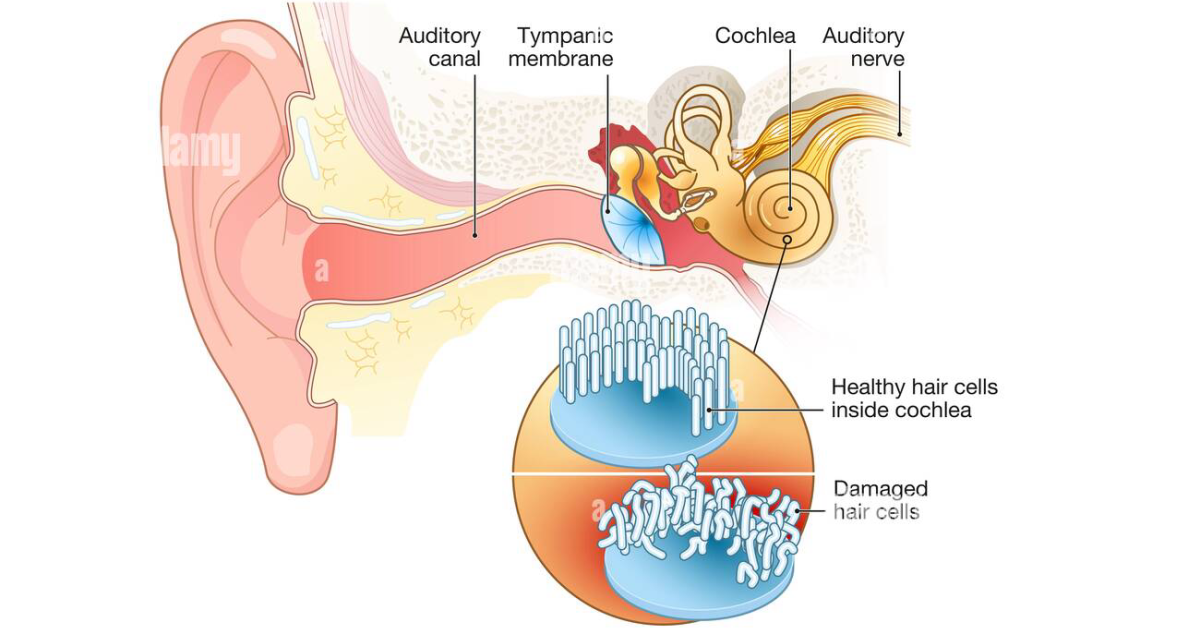
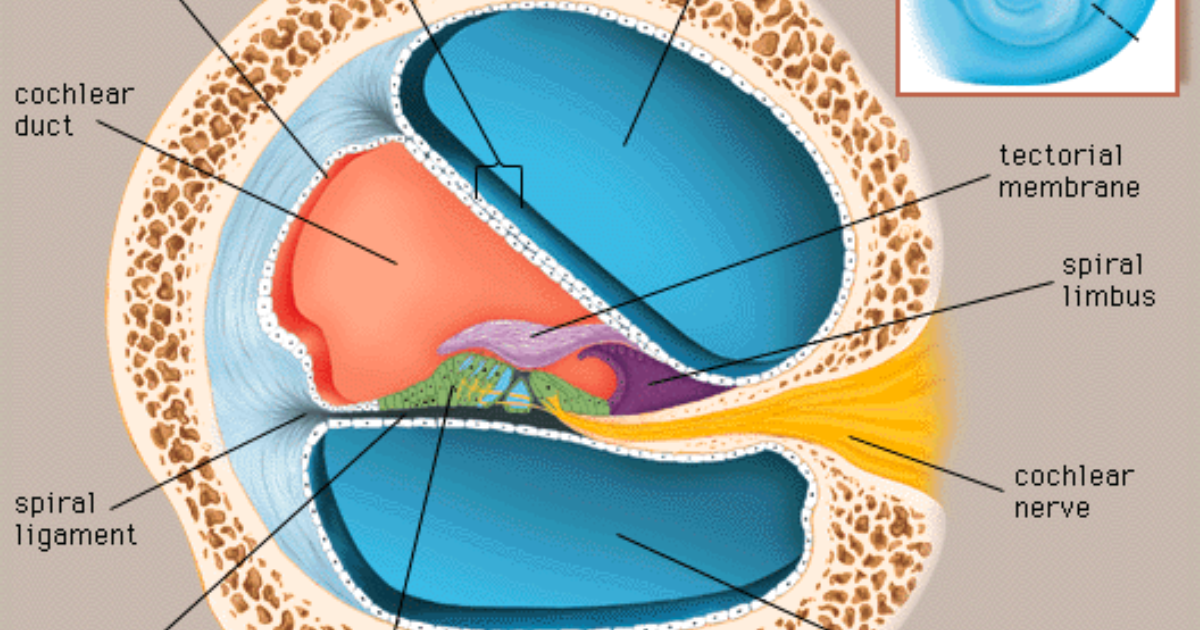
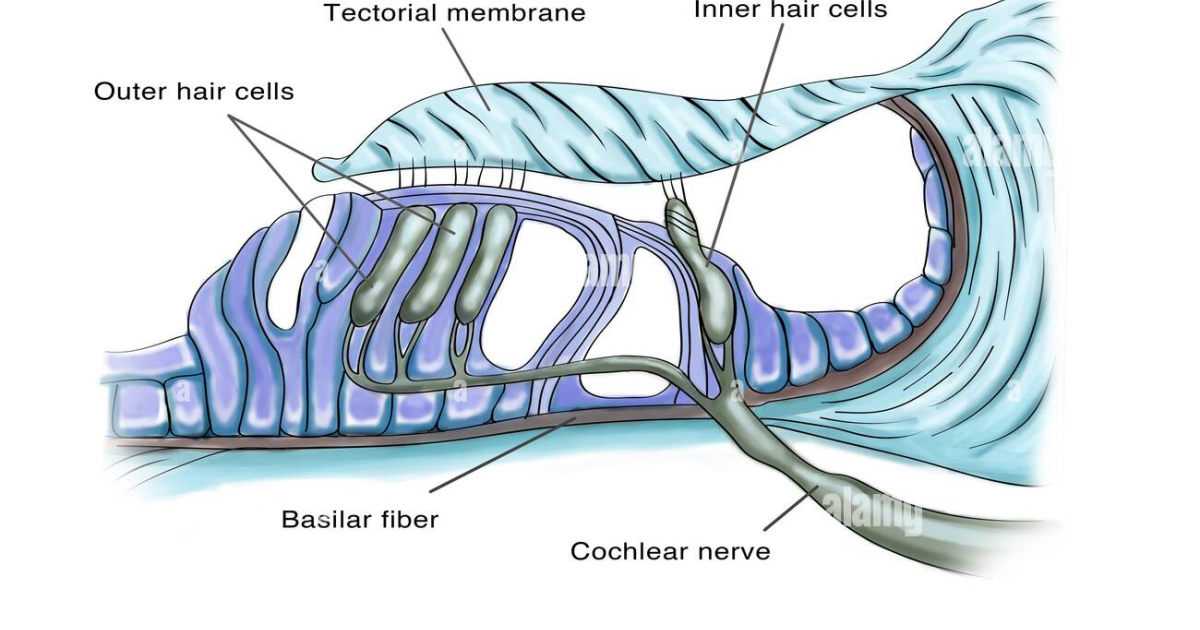
Your cochlea is a spiral-shaped organ filled with fluid and lined with thousands of microscopic hair cells. These cells have tiny stereocilia that sway with sound vibrations, converting mechanical energy into electrical signals that travel via the auditory nerve to the brain. When blood supply is cut off—even briefly—two catastrophic processes unfold. First, cochlear microcirculation disruption leads to energy failure and oxidative stress. Second, the lack of oxygen triggers an excessive release of glutamate, an excitatory neurotransmitter, causing glutamate excitotoxicity that further damages the hair cell synapses.
Research from the Kresge Hearing Research Institute at the University of Michigan has shown that hair cells are extremely sensitive to metabolic stress. Once damaged, mammalian hair cells do not regenerate naturally. This makes prevention and acute protection critical—especially for the inner hair cells that send 95% of auditory information to the brain.